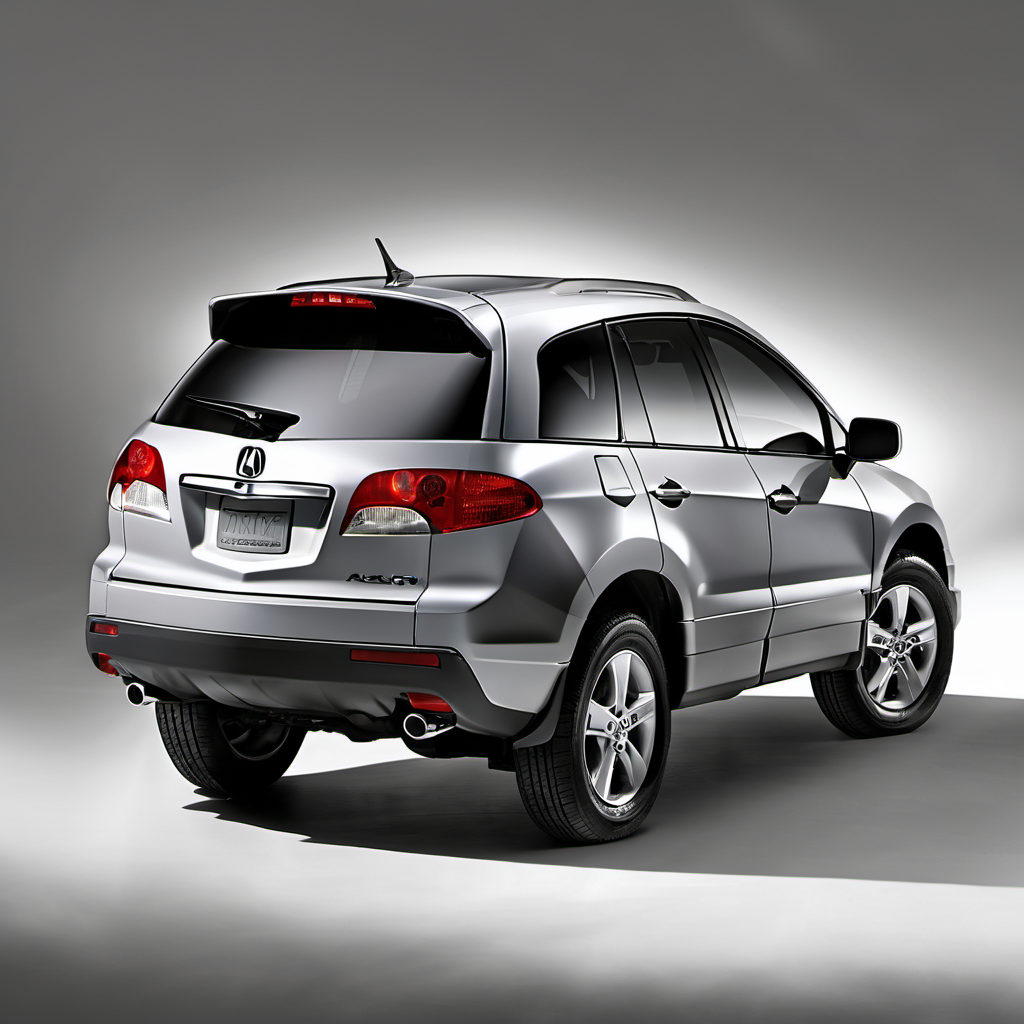
2010 BMW X3 SUV

2010 BMW

X3SUV

3.0L I6 · SUV

The 2010 BMW X3 (E83 generation, its final model year) is a compact luxury SUV built on a rear-wheel-drive-biased platform with standard all-wheel drive. It slots between a sports sedan and a utility vehicle — handling is notably sharp for the class, but it offers less cargo room than non-premium competitors. The 3.0L inline-six is smooth and responsive, though it demands premium fuel and premium maintenance habits. By 2010, BMW had addressed several early E83 teething issues, making this a more mature buy than the 2004–2007 examples. That said, the E83 as a whole carries a reputation for expensive cooling system and valve-timing components, and deferred maintenance compounds costs quickly. It's best suited to owners willing to stay ahead of service intervals and budget for occasional four-figure repairs. At 15+ years old, most surviving examples have already had major items addressed — or haven't, and they're ticking time bombs. A pre-purchase inspection by a BMW-familiar independent shop is not optional; it's the single best money you can spend before buying one.

Reliability
2/5
Verified data
Specs shown for X3 xDrive30i — the most common configuration. Other trims may vary in engine, drivetrain, or fuel economy. Sign in to see your vehicle's exact specs.
Engine
[object Object]
Drivetrain
AWD
Fuel
Gasoline
MPG
16 city / 22 hwy / 18 combined
Seats
5
Doors
4
Body
SUV
MSRP
$39,900

Overview

AI-curated

The 2010 BMW X3 (E83 generation, its final model year) is a compact luxury SUV built on a rear-wheel-drive-biased platform with standard all-wheel drive. It slots between a sports sedan and a utility vehicle — handling is notably sharp for the class, but it offers less cargo room than non-premium competitors. The 3.0L inline-six is smooth and responsive, though it demands premium fuel and premium maintenance habits. By 2010, BMW had addressed several early E83 teething issues, making this a more mature buy than the 2004–2007 examples. That said, the E83 as a whole carries a reputation for expensive cooling system and valve-timing components, and deferred maintenance compounds costs quickly. It's best suited to owners willing to stay ahead of service intervals and budget for occasional four-figure repairs. At 15+ years old, most surviving examples have already had major items addressed — or haven't, and they're ticking time bombs. A pre-purchase inspection by a BMW-familiar independent shop is not optional; it's the single best money you can spend before buying one.

Known for
  • Sporty, driver-focused handling for an SUV
  • Smooth, powerful 3.0L inline-six engine
  • Premium interior build quality
  • Standard xDrive AWD on all trims
  • Higher-than-average ownership and repair costs
Best for
  • Drivers who want SUV practicality without giving up driving feel
  • Urban and suburban commuters who occasionally need AWD
  • Owners comfortable budgeting for luxury-brand upkeep
  • Buyers who want a compact footprint with near-sport-sedan dynamics
Watch for
  • Cooling system components (water pump, thermostat, expansion tank) that fail with age
  • Valve timing (VANOS) solenoids and oil control valves — expensive if neglected
  • Secondary air injection pump failure, especially in cold climates
  • High-pressure fuel pump issues on the 3.0L N52/N54 variants
  • Deferred oil changes destroying variable valve timing hardware

Common issues by mileage

6 known

Cooling System Failure (Water Pump, Thermostat, Expansion Tank)

high
Typically appears
60–120k mi
Estimated repair
$600 – $1,400

Secondary Air Injection Pump Failure

high
Typically appears
60–100k mi
Estimated repair
$500 – $1,200

Valve Cover Gasket / Oil Leak

medium
Typically appears
80–150k mi
Estimated repair
$300 – $700

Oxygen / A/F Sensor Failure

medium
Typically appears
80–140k mi
Estimated repair
$250 – $600

Maintenance schedule

  1. 1
    Every 5,000–7,500 miles — do not stretch to BMW's oil service indicator on a vehicle this age Engine Oil Change (5W-30 full synthetic, BMW LL-01 spec)

    The VANOS variable valve timing system is oil-pressure dependent. Dirty or low oil is the number-one cause of VANOS solenoid clogging and camshaft timing codes. Drain plug torque: 25 ft-lb; oil filter housing cap: 25 Nm (18 ft-lb).

  2. 2
    Every 3 years or 45,000 miles; inspect hoses and expansion tank annually Cooling System Service (flush, inspect water pump, thermostat, expansion tank)

    The plastic expansion tank and electric water pump are known failure points. Proactive replacement before failure prevents overheating and potential head damage. At 15 years old, assume these need attention if not recently replaced.

  3. 3
    Every 45,000–60,000 miles Spark Plug Replacement

    The N52 engine's plug access is straightforward, but worn plugs strain the ignition coils. Replace plugs and inspect coils together.

  4. 4
    Every 2 years regardless of mileage Brake Fluid Flush

    BMW specifies a 2-year brake fluid interval. Wisconsin road salts and temperature swings accelerate moisture absorption. Fresh fluid maintains ABS and DSC system reliability.

  5. 5
    Every 15,000–20,000 miles or annually Cabin Air Filter Replacement

    Wisconsin roads kick up significant particulate. A clogged filter restricts defrost airflow — critical for winter visibility.

  6. 6
    Every 50,000–60,000 miles Transfer Case and Differential Fluid Service

    xDrive components are often neglected. Fresh fluid prevents premature wear in the transfer case and front/rear differentials, especially given Wisconsin's cold-start stress.

  7. 7
    Annually, especially before Wisconsin winter Inspect and Test Secondary Air Pump

    The secondary air pump runs on cold starts to reduce emissions. Cold temperatures accelerate pump motor failure. Catching a weak pump early costs far less than replacing it after it takes out the check valve and related hardware.

  8. 8
    Every fall before winter season Battery Load Test

    The X3's electronics place high demand on the battery. Sub-zero Wisconsin starts are hard on a marginal battery. BMW requires proper battery registration when replacing — confirm this is done to avoid charging system issues.

Always defer to the manufacturer's service manual for warranty-mandated intervals.

Cost of ownership

Annual maintenance
$1,200 – $2,800
Fuel
Premium unleaded required. At ~18 MPG combined and ~12,000 miles/year, expect $1,800–$2,400/year at current fuel prices.
Insurance
Expect slightly above average for the segment — typically $1,400–$2,000/year for a driver with a clean record in the Lake Geneva area, depending on coverage level.

The 2010 X3 is inexpensive to buy but not cheap to own. Routine maintenance costs noticeably more than a comparable Toyota or Honda SUV because parts, oil, and labor rates for BMW systems are higher. Budget for at least one major repair (cooling system, VANOS, or air pump) in any given year on a vehicle this age. An independent BMW-experienced shop will save you significantly versus the dealer.
Seasonal care

Lake Geneva, WI
Winter
  • Switch to a dedicated winter tire set — the X3's AWD helps traction but does nothing for stopping distance on ice. All-season tires are inadequate on Wisconsin ice.
  • Load-test the battery every fall. BMW's electronics draw heavily even at idle; a marginal battery will fail at the worst possible moment at -10°F.
  • Use windshield washer fluid rated to -20°F or lower. Wisconsin winters regularly exceed the limit of standard fluid, causing frozen lines and nozzles.
  • Inspect the secondary air injection pump before winter. It runs hardest on cold starts; if it's marginal, sub-zero weather will kill it.
  • Flush the cooling system if it hasn't been done in 2+ years. A weak expansion tank or thermostat that holds together in summer can crack under freeze/thaw cycling.
  • Apply an underbody and rocker panel anti-corrosion spray or rinse the undercarriage regularly. Lake Geneva roads are heavily salted; the E83's subframe and brake lines are rust-vulnerable.
Summer
  • Check tire pressure monthly — pressure drops 1–2 PSI per 10°F of temperature change; underinflated tires accelerate wear on Wisconsin highway miles.
  • Inspect the A/C system (cabin filter, refrigerant charge, condenser for debris). The X3's condenser is front-mounted and collects road debris easily.
  • Monitor coolant temperature gauge closely during hot weather — an aging water pump or thermostat that barely keeps up in mild weather will show symptoms faster in summer heat.
  • Inspect brake pads before summer road trips. The X3 is heavier than it drives; pad wear is faster than owners expect, especially with spirited driving.

Comparable vehicles

If you're shopping for one

Red flags
  • No documented oil change history or gaps longer than 7,500 miles between changes — likely VANOS damage
  • Overheating history or any indication of a head gasket repair — walk away
  • Check engine light present at time of inspection — always indicates stored codes that must be diagnosed before purchase
  • Smoke or strong oil smell on start-up, especially cold starts
  • Automatic transmission that hesitates, slips, or clunks on shifts — rebuilds run $2,500–$4,000
  • Signs of deferred maintenance (original hoses, belts, or fluids at 100k+ miles)
What to inspect
  • Pull codes with a BMW-capable scanner (standard OBD-II readers miss BMW-specific fault codes) — look specifically for VANOS/camshaft timing codes P0012, P0015, P0022, P0025
  • Check for oil leaks at the valve cover gasket and oil filter housing — look for oily residue on top and sides of the engine
  • Ask for documented cooling system service history; if it can't be shown, budget $800–$1,400 immediately for water pump, thermostat, and expansion tank
  • Check secondary air pump operation on a cold start — a rattling or grinding noise in the first 60–90 seconds is a red flag
  • Inspect the undercarriage for rust on the subframe, brake lines, and exhaust — Lake Geneva salt exposure is brutal on E83 underbodies
  • Test the battery under load and verify battery registration has been performed if recently replaced
  • Verify xDrive engagement by doing a slow-speed turning test on gravel — any grinding or binding suggests transfer case or differential issues
AI profile generated 21 days ago · claude-sonnet-4-6 · v2.