Secondary Air Injection (Smog Pump) Failure
high- Typically appears
- 60–120k mi
- Estimated repair
- $800 – $1,800
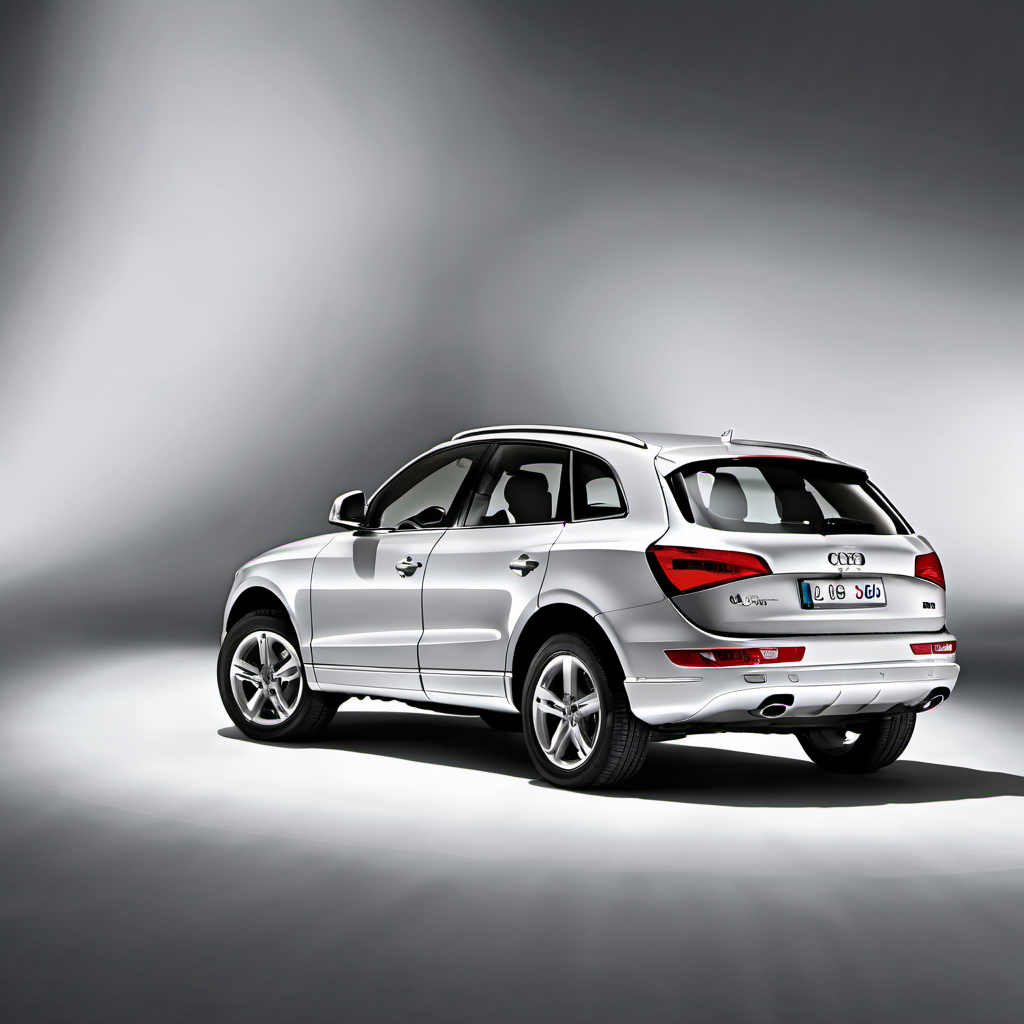
2010 Audi
SUV
The 2010 Audi Q5 is a compact luxury crossover SUV built on the MLB platform shared with the B8 A4 and A5. It launched in the US for the 2009 model year and quickly established itself as a premium alternative to the BMW X3 and Mercedes-Benz GLK. The 3.2L V6 variant offers brisk acceleration and a composed, car-like driving experience that sets it apart from truck-based competitors. Quattro all-wheel drive is standard on all Q5 trims, making it genuinely capable in Wisconsin winters without sacrificing the refined European ride quality the brand is known for. The interior is well-built by the standards of its era, with high-quality materials and a logical MMI infotainment interface — though that system now shows its age. Buyers should go in with eyes open: this is a 15-year-old German luxury vehicle, and repair costs reflect that. When it runs well it's an excellent daily driver. When it doesn't, bills stack up quickly. Budget accordingly and buy one with a documented service history.
The 2010 Audi Q5 is a compact luxury crossover SUV built on the MLB platform shared with the B8 A4 and A5. It launched in the US for the 2009 model year and quickly established itself as a premium alternative to the BMW X3 and Mercedes-Benz GLK. The 3.2L V6 variant offers brisk acceleration and a composed, car-like driving experience that sets it apart from truck-based competitors. Quattro all-wheel drive is standard on all Q5 trims, making it genuinely capable in Wisconsin winters without sacrificing the refined European ride quality the brand is known for. The interior is well-built by the standards of its era, with high-quality materials and a logical MMI infotainment interface — though that system now shows its age. Buyers should go in with eyes open: this is a 15-year-old German luxury vehicle, and repair costs reflect that. When it runs well it's an excellent daily driver. When it doesn't, bills stack up quickly. Budget accordingly and buy one with a documented service history.
The 3.2L FSI engine's cam adjusters and timing chain tensioners are oil-pressure dependent. Dirty or low oil accelerates wear and is the leading cause of P0012/P0015/P0022/P0025 codes. Use only VW 502.00 / 503.01-spec full synthetic. Drain plug torque: 30 ft-lb.
Frequently skipped by prior owners. Degraded Haldex fluid causes clutch pack wear that disables rear-wheel torque delivery — you lose meaningful AWD performance right when you need it most on icy Wisconsin roads.
Same reasoning as Haldex — often neglected. Inexpensive to service, expensive to replace the unit.
The 3.2L FSI uses iridium plugs with a moderate service interval. Worn plugs stress ignition coils and can trigger misfires that are misdiagnosed as more expensive problems.
Clogged cabin filters reduce A/C and heat efficiency. In Wisconsin, a compromised blower circuit strains the HVAC system in extreme cold.
Audi specifies extended-life coolant. Mixing types or letting it degrade leads to water pump and thermostat housing failures — both common and costly on this engine.
Audi's factory spec. Moisture-laden brake fluid lowers boiling point and accelerates ABS modulator corrosion — accelerated in Wisconsin's humid winters.
The smog pump and combi-valve are high-failure items on this vehicle. Catching a failing pump early (before it ingests debris) can avoid downstream intake damage and keeps repair costs at the low end of the range.
Always defer to the manufacturer's service manual for warranty-mandated intervals.
The Q5 3.2L is a premium vehicle with premium running costs. Routine maintenance alone (oil, filters, fluids, brakes) runs $1,200–$1,800/year at an independent shop. Add one mid-level repair (cam solenoid, O2 sensor, Haldex service) and you're at $2,500–$3,500 without anything going seriously wrong. Budget a repair reserve of $1,500–$2,000/year on any example over 100k miles. Buying a cheap, high-mileage Q5 with no service history is a fast path to spending more than the car is worth.
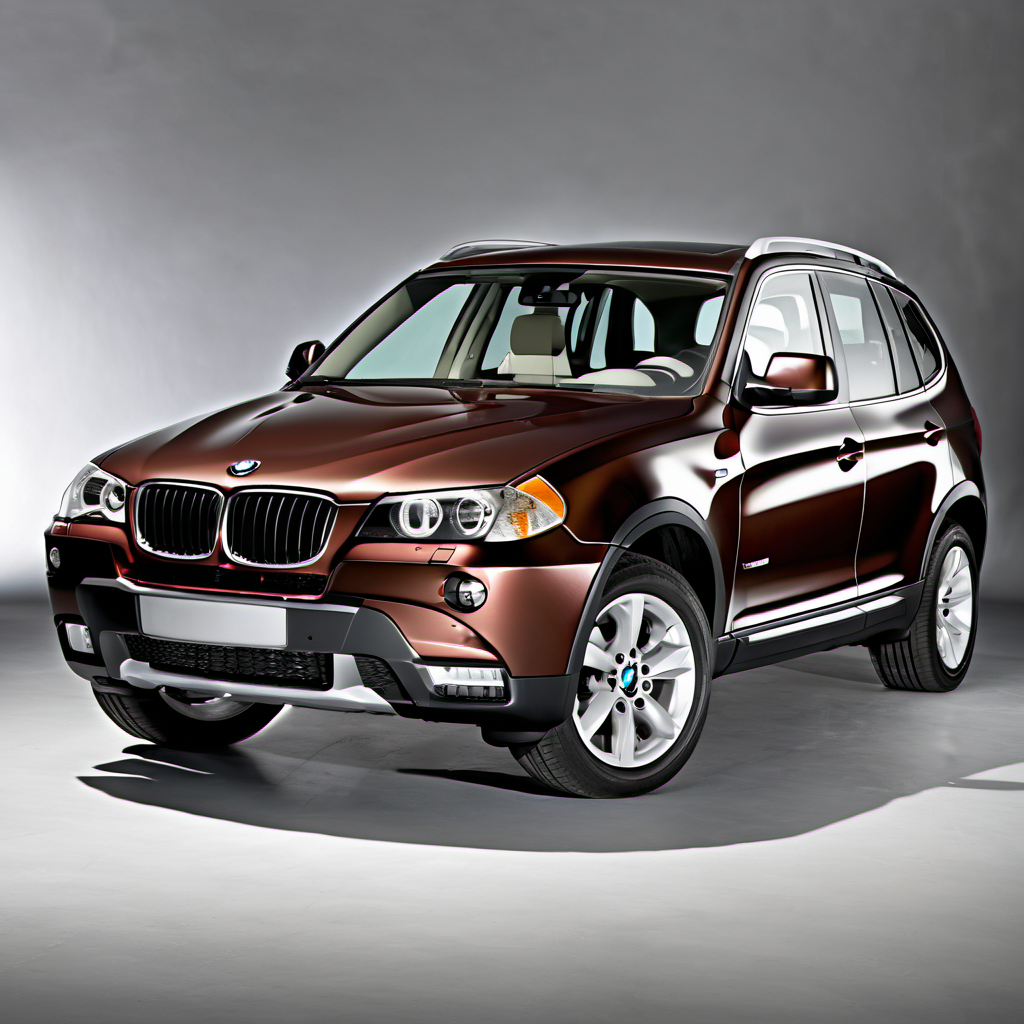
Direct competitor — similar size, AWD, European luxury compact SUV positioning. The X3 shares similar ownership cost profile; slightly more driver-focused but equally maintenance-intensive.
Same segment and price point. The GLK350 offers a truck-like stance and 4MATIC AWD. More parts availability than the Q5 but comparable repair costs at independent shops.
No catalog match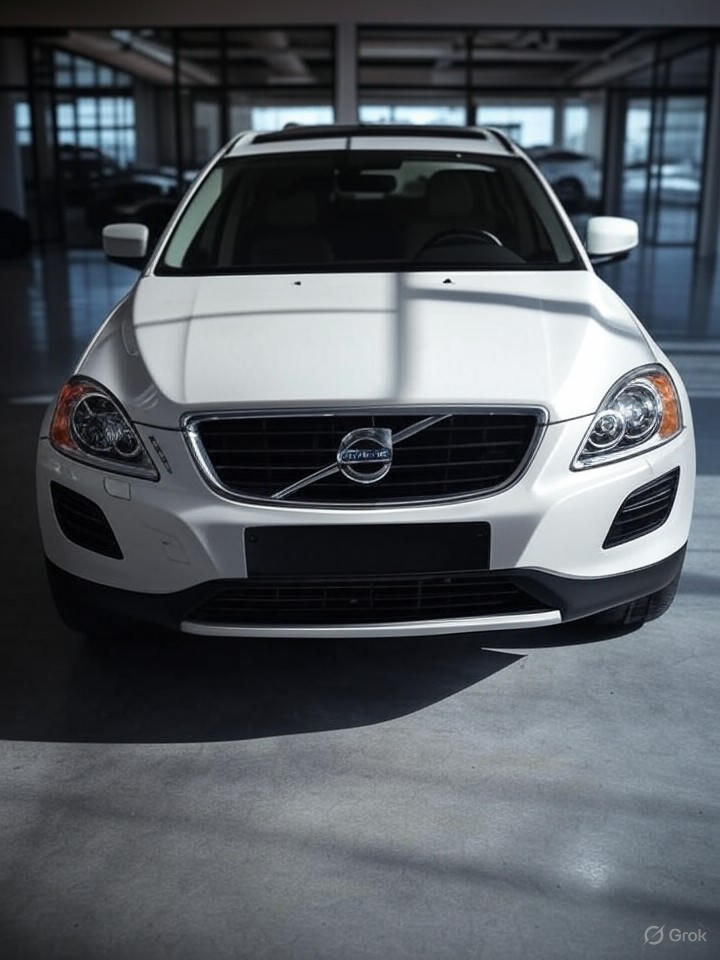
Compact luxury AWD crossover at a similar used price. Lower performance ceiling than the Q5 but notably lower long-term repair costs and better parts availability in the Midwest.
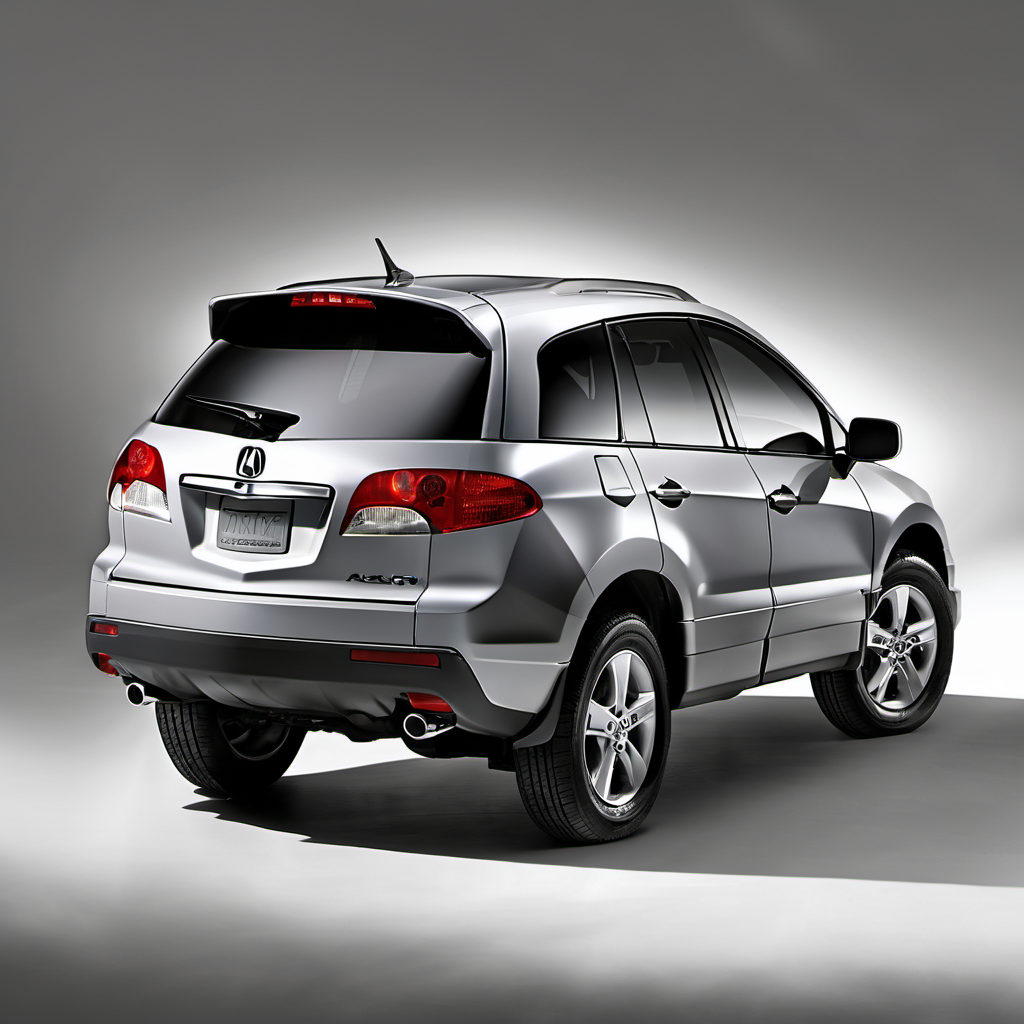
If budget for repairs is a concern, the RDX offers luxury crossover features with significantly lower ownership costs, Japanese reliability, and AWD — at the expense of European driving refinement.