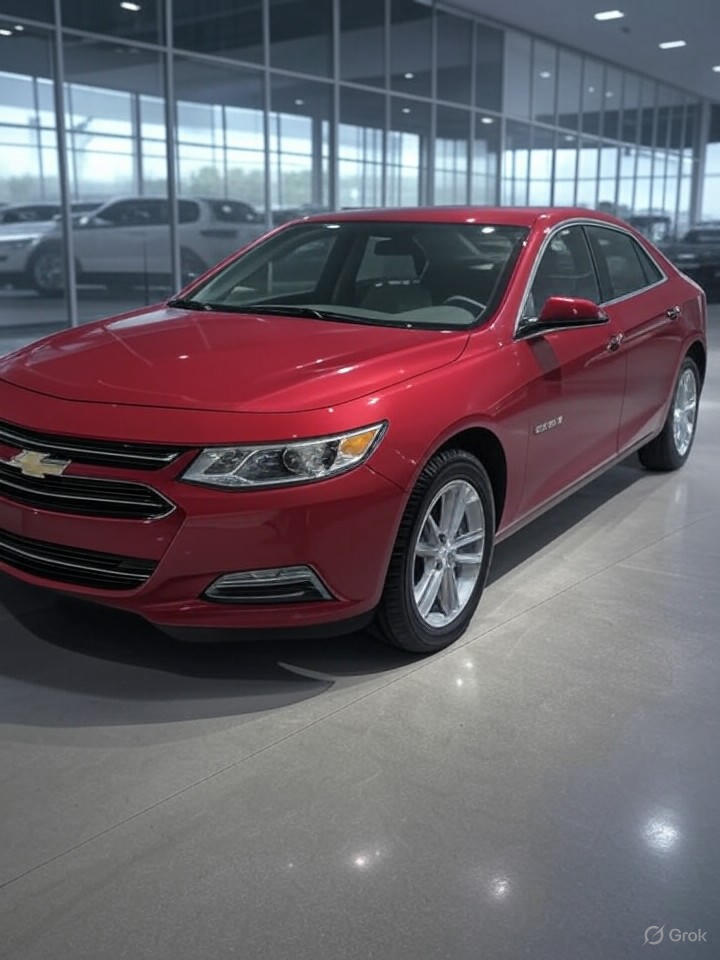
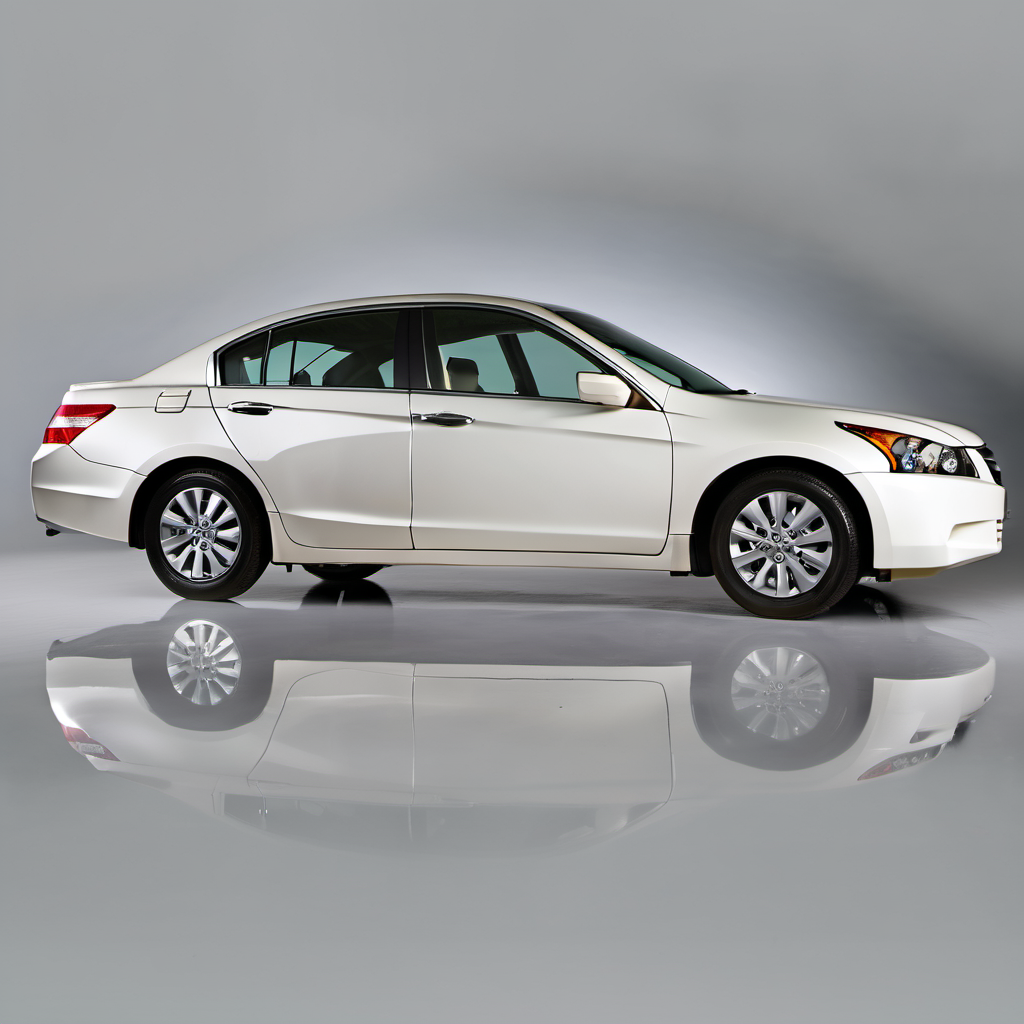
2010 Chevrolet Malibu Sedan

2010 Chevrolet

MalibuSedan

2.4L I4 Ecotec · Sedan

The 2010 Chevrolet Malibu is a mid-size front-wheel-drive sedan riding on GM's global Epsilon platform — the same bones shared with the Pontiac G6 and Saturn Aura. This generation (2008–2012) was a notable step up in refinement and build quality over the previous Malibu, earning praise for its comfortable ride, attractive interior, and respectable fuel economy for the era. The 2010 model year settled into a mature mid-cycle sweet spot: most first-year bugs were ironed out, and the powertrain lineup offered a choice between a 2.4L Ecotec four-cylinder or a 3.6L V6. The four-cylinder covers the vast majority of cars on the road today and pairs with a six-speed automatic for decent everyday efficiency. For buyers looking for sensible, affordable family transportation, the Malibu delivers. It is not exciting, but it is competent — and at this age the purchase price is low enough that even moderate repair bills don't kill the ownership math.

Reliability
3/5
Verified data
Specs shown for Malibu — the most common configuration. Other trims may vary in engine, drivetrain, or fuel economy. Sign in to see your vehicle's exact specs.
Engine
[object Object]
Drivetrain
FWD
Fuel
Gasoline
MPG
22 city / 33 hwy / 26 combined
Seats
5
Doors
4
Body
Sedan
MSRP
$22,010

Overview

AI-curated

The 2010 Chevrolet Malibu is a mid-size front-wheel-drive sedan riding on GM's global Epsilon platform — the same bones shared with the Pontiac G6 and Saturn Aura. This generation (2008–2012) was a notable step up in refinement and build quality over the previous Malibu, earning praise for its comfortable ride, attractive interior, and respectable fuel economy for the era. The 2010 model year settled into a mature mid-cycle sweet spot: most first-year bugs were ironed out, and the powertrain lineup offered a choice between a 2.4L Ecotec four-cylinder or a 3.6L V6. The four-cylinder covers the vast majority of cars on the road today and pairs with a six-speed automatic for decent everyday efficiency. For buyers looking for sensible, affordable family transportation, the Malibu delivers. It is not exciting, but it is competent — and at this age the purchase price is low enough that even moderate repair bills don't kill the ownership math.

Known for
  • Comfortable, compliant ride quality
  • Quiet, well-insulated cabin for the class
  • Solid fuel economy with the 2.4L four-cylinder
  • Attractive mid-size sedan proportions
Best for
  • Daily commuters wanting reliable, low-cost transportation
  • Families needing a roomy sedan on a budget
  • First-time used-car buyers
  • Highway-heavy drivers who value comfort over sportiness
Watch for
  • VVT/camshaft actuator oil sludge issues on poorly maintained engines
  • Timing chain stretch on high-mileage 2.4L engines
  • Rust on rocker panels and rear wheel arches — serious concern in Wisconsin
  • Throttle body carbon buildup causing rough idle on 2.4L
  • Transmission shudder or harsh shifts on high-mileage units

Common issues by mileage

6 known

VVT Camshaft Actuator / Oil Control Valve Failure

high
Typically appears
80–150k mi
Estimated repair
$150 – $450

Timing Chain Stretch / Camshaft Position Correlation Error

medium
Typically appears
100–180k mi
Estimated repair
$600 – $1,400

Throttle Body Carbon Buildup / Rough Idle

high
Typically appears
60–120k mi
Estimated repair
$80 – $200

Intake Valve Control Solenoid Circuit Fault

medium
Typically appears
80–160k mi
Estimated repair
$120 – $400

Transmission Shudder / Harsh Shifts

medium
Typically appears
100–180k mi
Estimated repair
$150 – $500

Rocker Panel and Rear Wheel Arch Rust

high
Typically appears
60–150k mi
Estimated repair
$400 – $2,500

Maintenance schedule

  1. 1
    Every 5,000–6,000 miles or annually — do not rely solely on the oil life monitor Engine oil and filter change

    The 2.4L Ecotec's VVT system is acutely sensitive to oil condition. Sludge from extended intervals is the #1 cause of expensive camshaft actuator and timing chain problems on this engine.

  2. 2
    Every 45,000 miles or if fluid appears dark/smells burnt Transmission fluid flush

    GM specifies Dexron VI. Old fluid leads to shudder and harsh shifts. Most 15-year-old Malibus have never had this done — it's cheap insurance.

  3. 3
    Every 30,000–40,000 miles or when idle quality degrades Throttle body cleaning

    PCV deposits coat the throttle bore over time. A simple cleaning prevents rough idle and hesitation complaints.

  4. 4
    Every 60,000 miles (iridium plugs) Spark plug replacement

    Worn plugs increase misfires and stress the ignition coils. At this vehicle's age, they are almost certainly due or overdue.

  5. 5
    Every 5 years or 150,000 miles (Dex-Cool) Coolant system flush

    Dex-Cool degrades and can cause water pump seal issues if left too long. On a 15-year-old car, inspect the water pump and thermostat at the same time.

  6. 6
    Every 3 years Brake fluid replacement

    Brake fluid absorbs moisture over time, lowering its boiling point and accelerating caliper and ABS unit corrosion — especially in a Wisconsin winter environment.

  7. 7
    Every fall before road-salt season Inspect and treat rocker panels and underbody

    This generation Malibu rusts at the rockers and rear arches. Catching surface rust early and treating it is far cheaper than panel replacement.

  8. 8
    Every fall, especially if battery is 4+ years old Battery load test

    A battery that passes a basic voltage test in summer can fail a cold-cranking load test in sub-zero temps. Wisconsin winters are hard on marginal batteries.

Always defer to the manufacturer's service manual for warranty-mandated intervals.

Cost of ownership

Annual maintenance
$500 – $1,100
Fuel
At 26 MPG combined and ~12,000 miles/year, expect roughly $1,400–$1,700/year at current Midwest gas prices. The 2.4L is the clear choice for fuel economy; the 3.6L V6 costs noticeably more to feed.
Insurance
Typically $900–$1,400/year in the Lake Geneva area for a driver with a clean record. Rates are favorable — the Malibu is a low-theft, low-repair-cost vehicle by insurer standards.

The 2010 Malibu is one of the more affordable mid-size sedans to own at this age. Purchase prices are low, parts are cheap and widely available, and most repairs are straightforward for an independent shop. The main budget risk is a neglected VVT/timing chain problem or advanced rust — both of which inspection can catch before you buy.
Seasonal care

Lake Geneva, WI
Winter
  • Load-test the battery every fall — cold-cranking demands in sub-zero Wisconsin temps will expose any weak battery immediately.
  • Switch to a 5W-30 full synthetic if not already using one; it flows far better on cold starts and protects the VVT system during those critical first seconds.
  • Top off washer fluid with a -20°F or lower rated formula; the stock reservoir is exposed and a frozen line is a real safety issue.
  • Inspect the undercarriage and rocker panels before winter and treat any bare metal — road salt in Lake Geneva will accelerate rust dramatically.
  • Check tire tread and cold-weather pressure monthly; tire pressure drops roughly 1 PSI per 10°F of temperature loss.
  • Test the defroster (front and rear) before the first freeze; Wisconsin mornings will make a failed defroster a daily problem.
Summer
  • Have the A/C system checked early in the season — R-134a systems this age often have slow leaks and lose cooling capacity.
  • Check coolant concentration for freeze AND boil-over protection; 50/50 mix is the target.
  • Monitor tire pressure as heat increases it — overinflation in summer causes uneven wear and reduces wet-road grip.
  • Inspect the cabin air filter; a clogged filter cuts A/C airflow and makes the blower motor work harder.
  • Check brake pad thickness — summer heat and highway driving expose fade from pads worn thin over the winter season.

Comparable vehicles

If you're shopping for one

Red flags
  • Engine rattle on cold start — walk away unless the price reflects a timing chain job
  • Check engine light with VVT-related codes (P0012, P0015) combined with sludgy oil — expensive repair ahead
  • Visible rust perforation on rockers or floor — repair costs can exceed the car's value
  • Transmission that slips, flares, or shudders without a recent fluid service — budget for a flush at minimum, possibly more
  • No maintenance records whatsoever on a 15-year-old car — the VVT system does not forgive oil change neglect
What to inspect
  • Rocker panels and rear wheel arches for rust — poke with a screwdriver; soft spots mean structural rot
  • Undercarriage and subframe for heavy salt corrosion, especially around the front subframe mounting points
  • Engine oil condition on dipstick — dark, sludgy oil is a red flag for VVT and timing chain health
  • Cold-start behavior: any rattle in the first 2–3 seconds on a cold engine points to timing chain or VVT actuator wear
  • Transmission shift quality through all gears, including at light throttle highway cruise (shudder = worn fluid or torque converter)
  • A/C performance and any signs of deferred maintenance (dirty cabin filter, worn wipers, cracked belts)
AI profile generated 20 days ago · claude-sonnet-4-6 · v2.