VCT Solenoid Failure / Camshaft Timing Over-Retarded (3.0L V6)
high- Typically appears
- 80–130k mi
- Estimated repair
- $150 – $550
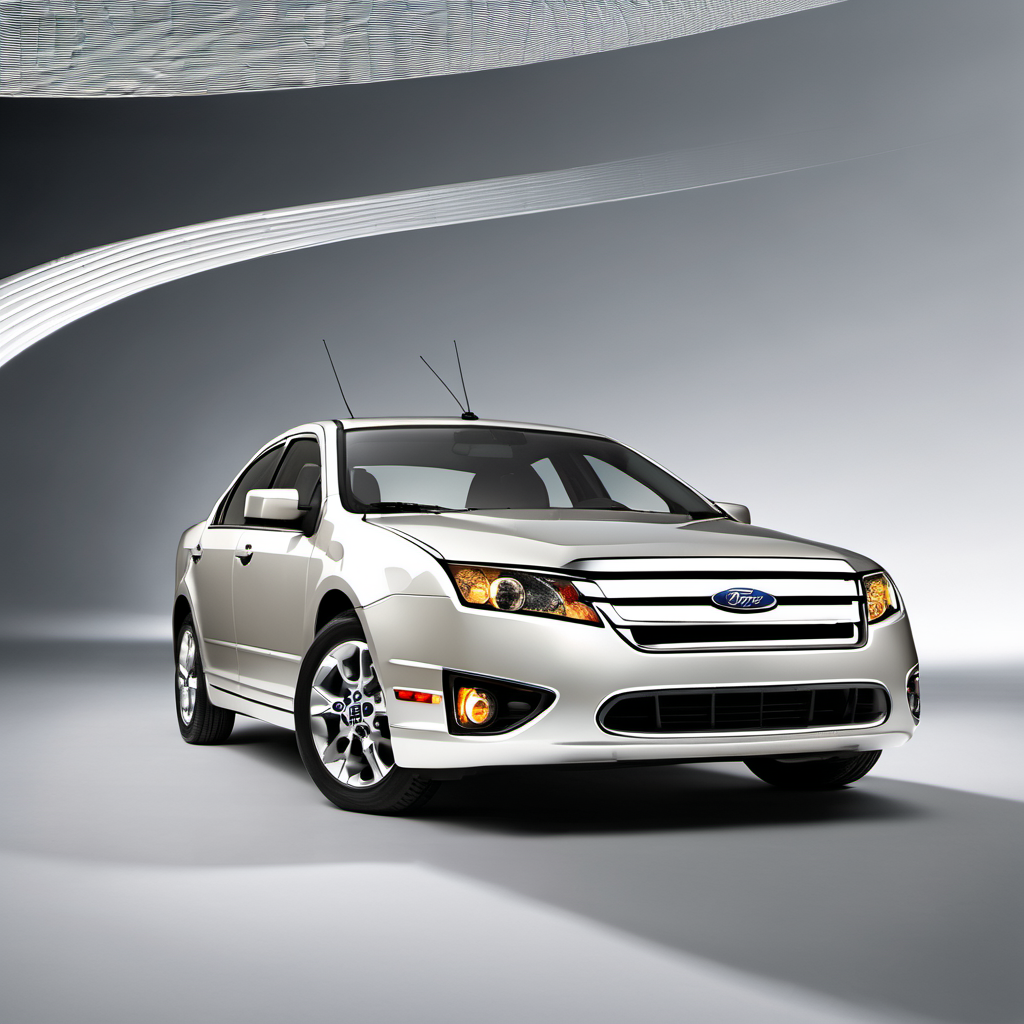
2010 Ford
2.5L I4 · Sedan
The 2010 Ford Fusion is a mid-size front-wheel-drive sedan built on Ford's CD3 platform, sharing underpinnings with the Mazda6 and Lincoln MKZ. It arrived as a significant step up in quality and refinement from the previous-generation Fusion, earning strong sales numbers and solid critical praise for its interior, ride quality, and available V6 power. Engine choices ranged from a 2.5L I4 to a 3.0L V6, with a hybrid variant also available. On the reliability front, the 2010 Fusion has a decent track record for its era. The 2.5L I4 is the most straightforward and longest-lived powertrain in the lineup. The 3.0L V6 and its associated 6-speed automatic add more complexity and some known VCT (variable cam timing) issues at higher mileages. Overall build quality is competitive with the Camry and Accord of the same year. For Lake Geneva drivers, the Fusion holds up reasonably well in winter — it's FWD which is adequate in snow with good all-season tires. Road salt is the main long-term enemy; the subframe, brake lines, and underbody are worth watching closely on any used example from the Midwest.
The 2010 Ford Fusion is a mid-size front-wheel-drive sedan built on Ford's CD3 platform, sharing underpinnings with the Mazda6 and Lincoln MKZ. It arrived as a significant step up in quality and refinement from the previous-generation Fusion, earning strong sales numbers and solid critical praise for its interior, ride quality, and available V6 power. Engine choices ranged from a 2.5L I4 to a 3.0L V6, with a hybrid variant also available. On the reliability front, the 2010 Fusion has a decent track record for its era. The 2.5L I4 is the most straightforward and longest-lived powertrain in the lineup. The 3.0L V6 and its associated 6-speed automatic add more complexity and some known VCT (variable cam timing) issues at higher mileages. Overall build quality is competitive with the Camry and Accord of the same year. For Lake Geneva drivers, the Fusion holds up reasonably well in winter — it's FWD which is adequate in snow with good all-season tires. Road salt is the main long-term enemy; the subframe, brake lines, and underbody are worth watching closely on any used example from the Midwest.
VCT solenoid screens clog with sludge from degraded oil. The 3.0L V6 is especially sensitive. Fresh oil is the single best preventive investment on this engine.
Ford's 6F35 automatic is not a 'lifetime fluid' transmission in real-world use. Fresh fluid prevents the shudder and shift hesitation issues that are common on neglected examples.
Ford's orange OAT coolant degrades and becomes acidic, attacking the water pump and hoses. Especially important in Wisconsin freeze-thaw cycling.
Using the correct Ford-spec plugs matters here — aftermarket plugs have been linked to misfire codes and rough idle on the Duratec engines. Stay with iridium OEM-equivalent.
Wisconsin road salt will destroy unprotected steel brake and fuel lines. Catch early surface rust before it becomes a line replacement or a safety emergency.
Cold cranking demands in sub-zero Lake Geneva winters can kill a borderline battery fast. A $10 load test can prevent a no-start in January.
Often overlooked. A clogged cabin filter reduces defrost performance in winter — a real safety issue when you need clear windows fast.
Tire pressure drops roughly 1 PSI per 10°F. Underinflated tires in Wisconsin winter reduce traction and fuel economy simultaneously.
Always defer to the manufacturer's service manual for warranty-mandated intervals.
The 2010 Fusion is a reasonably affordable car to own as long as the VCT system (V6) and underbody corrosion are kept in check. Buy a well-maintained I4 example and annual costs are predictable. A neglected V6 with deferred oil changes or a rusty undercarriage can turn into a money pit quickly. Budget toward the higher end if buying a high-mileage example.
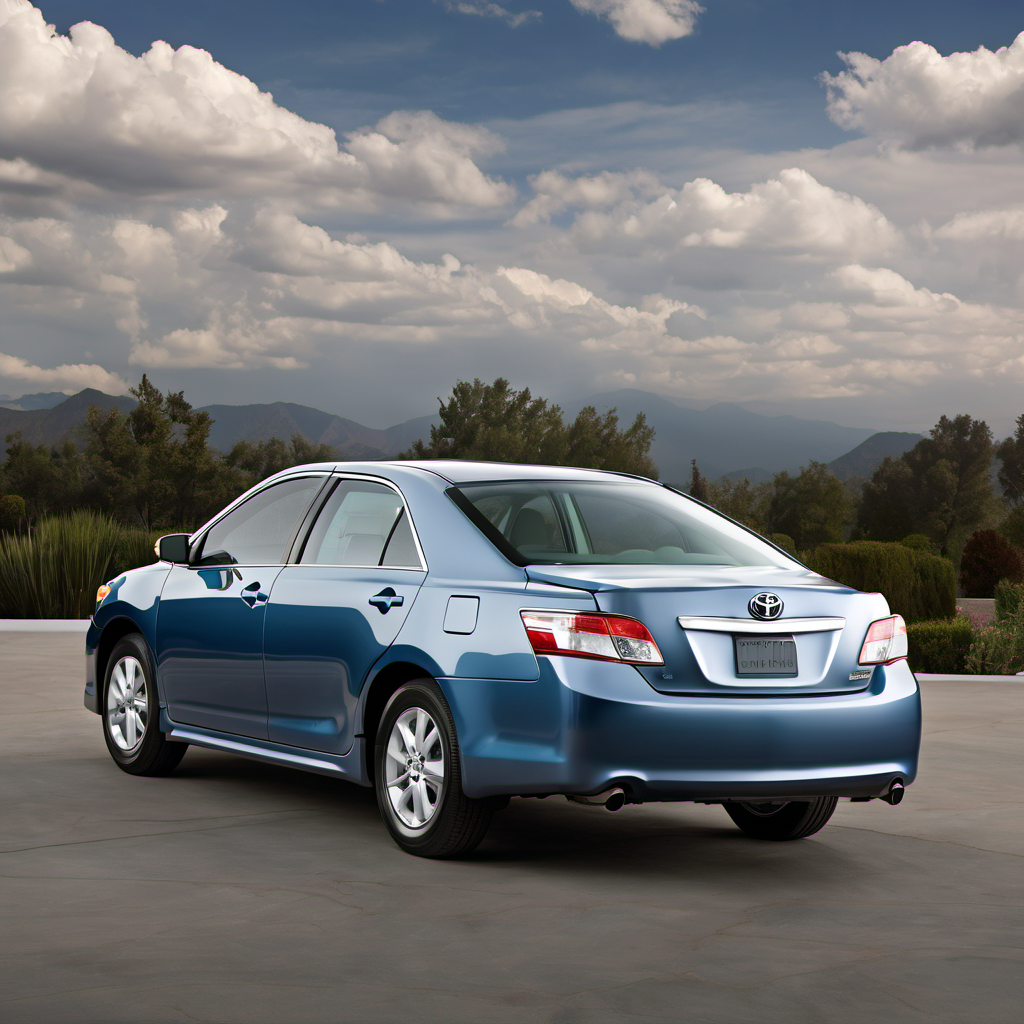
Same mid-size sedan segment, similar pricing used, slightly higher long-term reliability reputation. The 2.5L I4 Camry is a direct I4 Fusion competitor with arguably better resale value.
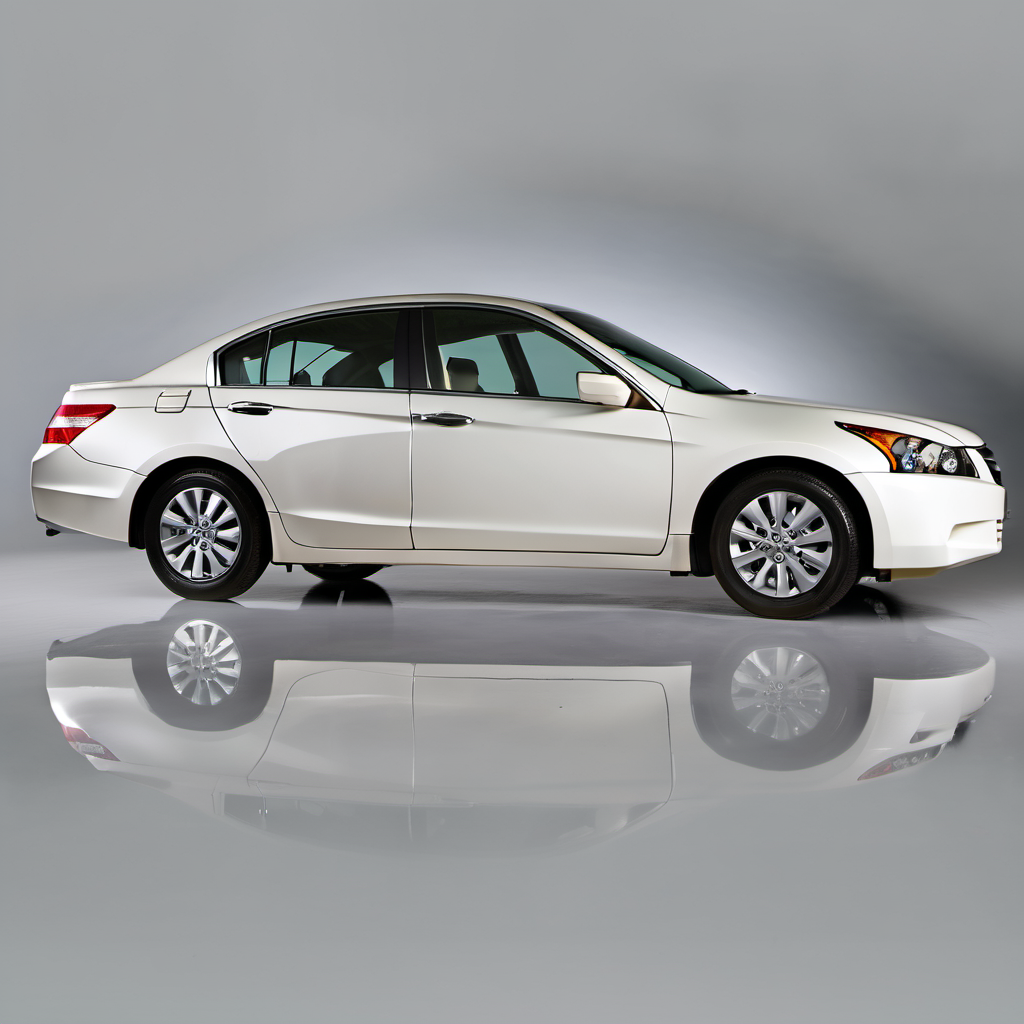
Slightly larger interior, similar price range, strong reliability history. The I4 Accord is the natural alternative for buyers cross-shopping the Fusion at this mileage range.
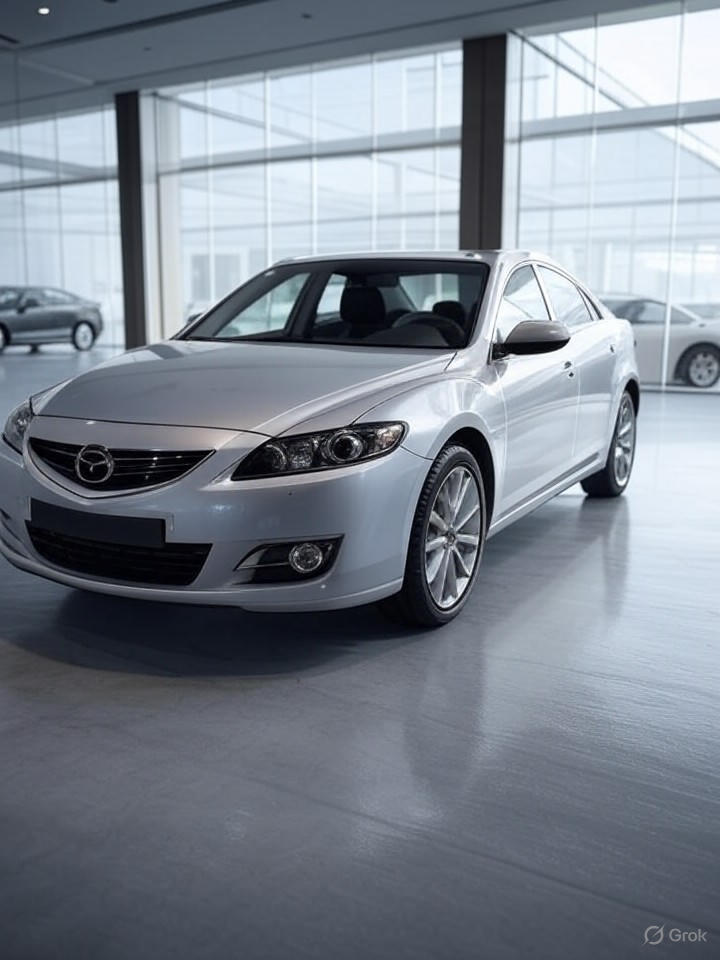
Shares the CD3 platform with the Fusion. Sportier driving feel, similar reliability, slightly smaller market presence. A good alternative for drivers who want a more engaging sedan.
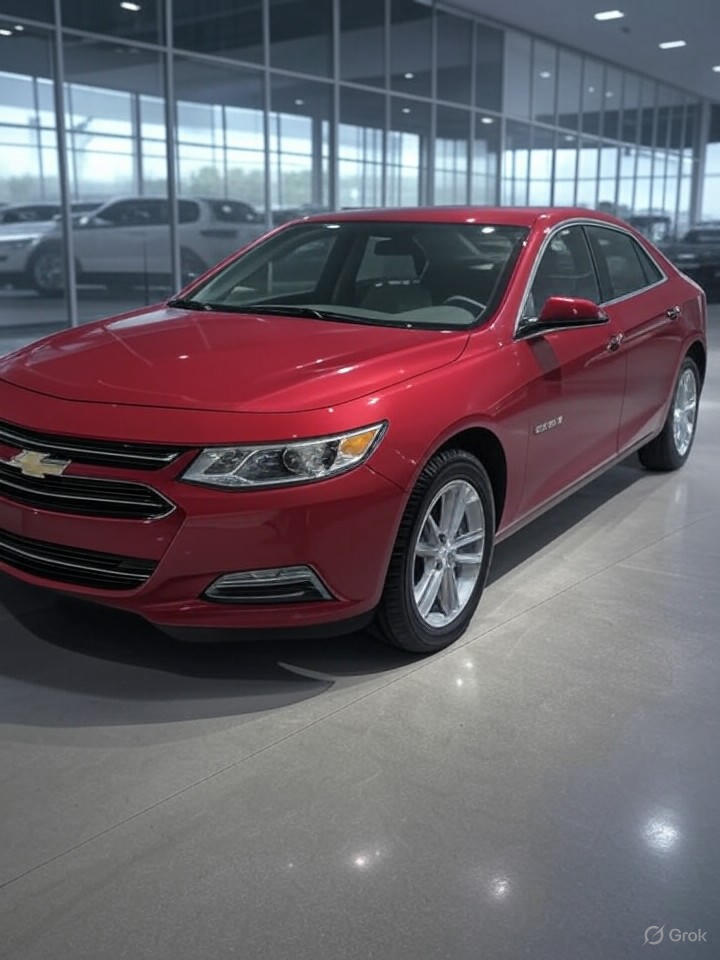
Domestic mid-size competitor at a similar used price point. Parts are widely available in the Midwest. Not as refined as the Fusion but cheaper to repair in some cases.