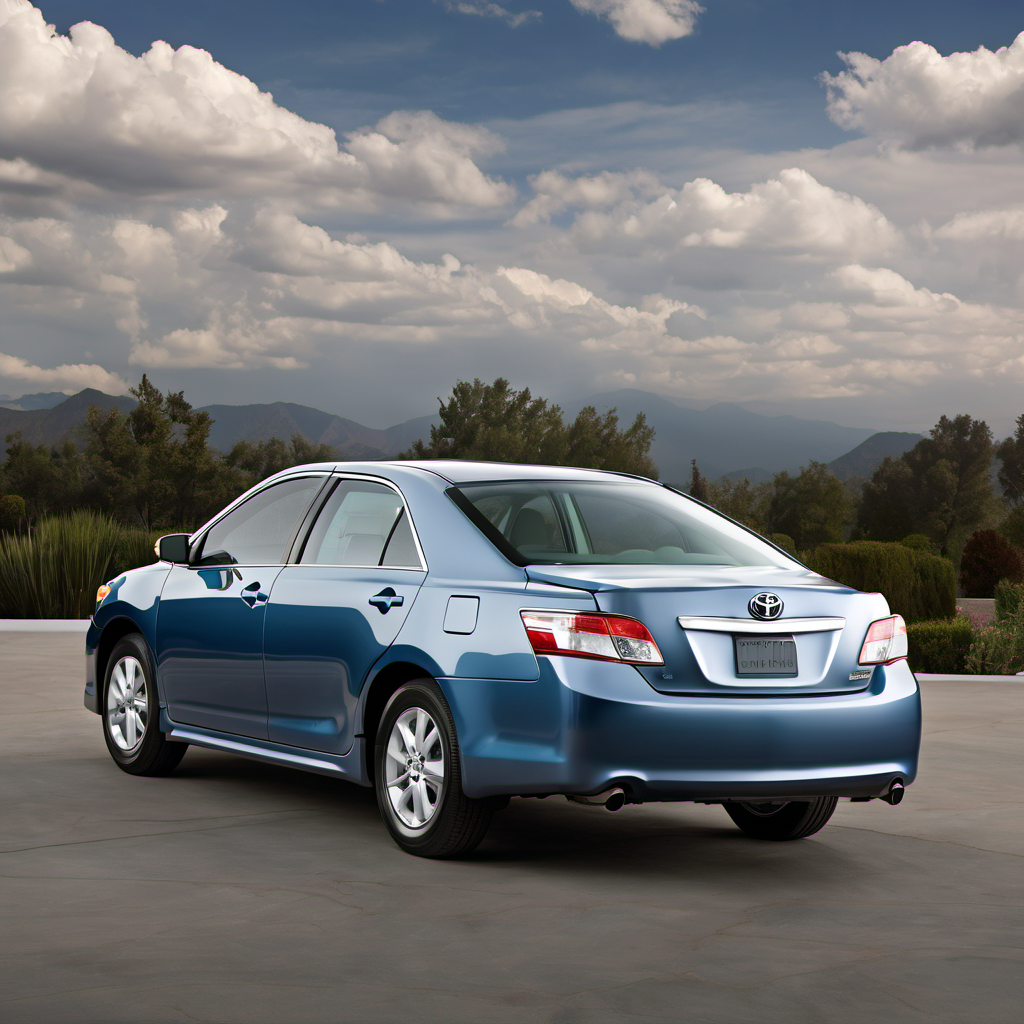
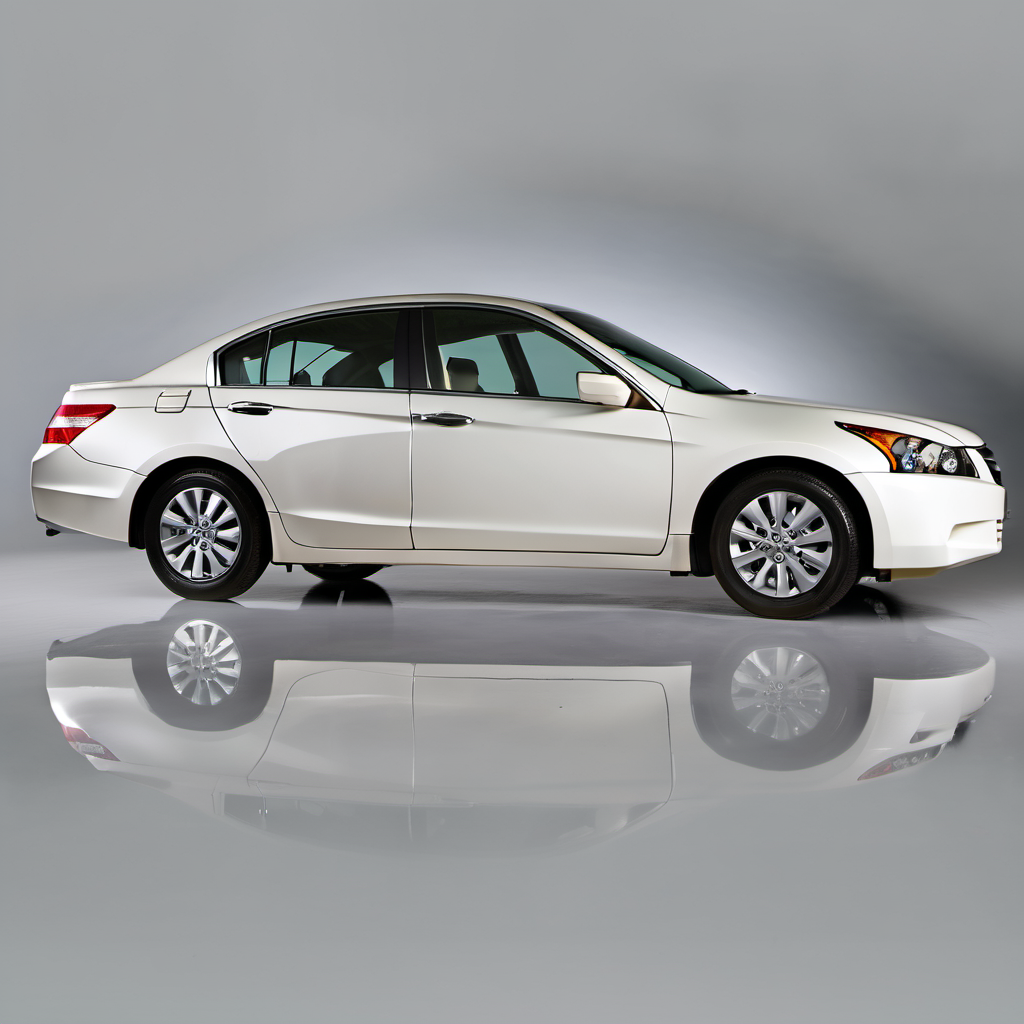
2010 Toyota Camry Sedan
Popular pick

2010 Toyota

CamrySedan

2.5L 4-Cylinder · Sedan

The 2010 Toyota Camry is the sixth-generation (XV40) model in its final model year before the redesign. Built in Georgetown, Kentucky, it's one of the best-selling cars in American history for good reason: it blends a comfortable ride, a roomy interior, and proven mechanical reliability into a package that's easy to own and cheap to maintain. The 2010 model year received a mid-cycle refresh that brought updated styling, improved interior materials, and revised suspension tuning over earlier XV40 models. The 2.5L 4-cylinder (2AR-FE) engine introduced for 2010 is a notable upgrade over the outgoing 2.4L, delivering better power and fuel economy simultaneously. For buyers in the upper Midwest, the Camry's broad parts availability, nationwide service network, and proven resistance to high mileage make it a practical choice. It won't excite you, but it will reliably get you where you're going through every Wisconsin winter.

Reliability
4/5
Verified data
Specs shown for Camry — the most common configuration. Other trims may vary in engine, drivetrain, or fuel economy. Sign in to see your vehicle's exact specs.
Engine
[object Object]
Drivetrain
4x2
Fuel
Gasoline
MPG
22 city / 32 highway / 26 combined
Seats
Doors
4
Body
Midsize Cars
MSRP
$19,395

Overview

AI-curated

The 2010 Toyota Camry is the sixth-generation (XV40) model in its final model year before the redesign. Built in Georgetown, Kentucky, it's one of the best-selling cars in American history for good reason: it blends a comfortable ride, a roomy interior, and proven mechanical reliability into a package that's easy to own and cheap to maintain. The 2010 model year received a mid-cycle refresh that brought updated styling, improved interior materials, and revised suspension tuning over earlier XV40 models. The 2.5L 4-cylinder (2AR-FE) engine introduced for 2010 is a notable upgrade over the outgoing 2.4L, delivering better power and fuel economy simultaneously. For buyers in the upper Midwest, the Camry's broad parts availability, nationwide service network, and proven resistance to high mileage make it a practical choice. It won't excite you, but it will reliably get you where you're going through every Wisconsin winter.

Known for
  • Exceptional long-term reliability and high-mileage durability
  • Smooth, comfortable highway ride
  • Low cost of ownership and widely available parts
  • Resale value that holds up well compared to competitors
  • Roomy, practical cabin for a mid-size sedan
Best for
  • Daily commuters who want a no-drama car
  • High-mileage drivers who prioritize reliability over excitement
  • Families needing a comfortable, affordable mid-size sedan
  • Budget-conscious buyers looking for proven long-term value
Watch for
  • Oil consumption on higher-mileage 2AR-FE engines (check the dipstick regularly)
  • VVT-i (variable valve timing) system sludge if oil changes were skipped
  • Rust on the undercarriage and brake lines — a real concern on Wisconsin-salted roads
  • Worn strut mounts and sway bar end links are common after 80k miles in cold climates

Common issues by mileage

6 known

Excessive Oil Consumption (2AR-FE)

medium
Typically appears
80–150k mi
Estimated repair
$100 – $2,500

VVT-i Solenoid / Camshaft Timing Issues (Oil Sludge)

medium
Typically appears
60–120k mi
Estimated repair
$150 – $600

Oxygen Sensor Heater Circuit Failure

medium
Typically appears
80–130k mi
Estimated repair
$150 – $350

Front Strut Mounts and Sway Bar End Links

high
Typically appears
70–120k mi
Estimated repair
$150 – $450

Brake Line and Undercarriage Rust

high
Typically appears
60–150k mi
Estimated repair
$200 – $1,200

CAN Bus / ECU Communication Faults

low
Typically appears
100k+ mi
Estimated repair
$200 – $1,000

Maintenance schedule

  1. 1
    Every 5,000 miles Engine oil and filter change (use 0W-20 full synthetic)

    The 2AR-FE's VVT-i system is oil-pressure sensitive. Dirty or low oil accelerates wear on the variable valve timing actuators and can trigger P0012/P0015. Synthetic oil handles Wisconsin cold starts much better than conventional.

  2. 2
    Every 30,000 miles Transmission fluid change (Toyota WS fluid)

    Toyota says 'lifetime fluid' but independent shops consistently see smoother shifts and longer trans life with regular changes. Use Toyota WS spec only.

  3. 3
    Every 30,000 miles Inspect and replace engine air filter

    Improves fuel economy and reduces strain on the MAF sensor. Easy DIY item.

  4. 4
    Every 2 years or 30,000 miles Coolant flush

    Toyota's Super Long Life coolant degrades over time. Old coolant accelerates water pump wear and can cause thermostat sticking — a bigger problem in extreme cold.

  5. 5
    Every 60,000 miles Spark plugs (iridium OEM spec)

    OEM iridium plugs are the correct spec for this engine. Cheap copper plugs can cause misfires and reduced fuel economy.

  6. 6
    Each fall (before first freeze) Inspect brake lines and underbody for rust

    Wisconsin road salt attacks steel brake lines. Catching surface rust early and treating it is far cheaper than a brake line rupture.

  7. 7
    Each fall Test and replace battery if 4+ years old

    Cold cranking capacity drops sharply below 0°F. A battery that starts fine in October may strand you in January.

  8. 8
    Every 15,000 miles or annually Inspect front strut mounts and sway bar end links

    These are common wear items on Camrys driven on rough Midwest roads. Failed end links cause clunking and handling looseness.

Always defer to the manufacturer's service manual for warranty-mandated intervals.

Cost of ownership

Annual maintenance
$350 – $700
Fuel
At 26 MPG combined and ~15,000 miles/year, expect roughly $1,650–$2,100/year depending on gas prices. Premium fuel is not required.
Insurance
Typically $900–$1,400/year for a Wisconsin driver with a clean record and full coverage on a vehicle this age. Actual rates vary widely.

The 2010 Camry is one of the least expensive mid-size sedans to own over time. Parts are abundant, labor is straightforward, and the engine and transmission rarely need major work if maintenance is kept up. Budget for oil changes, tires, and brakes as the primary recurring costs. The biggest financial wildcard on a used example in Wisconsin is undercarriage rust and brake line repair.
Seasonal care

Lake Geneva, WI
Winter
  • Switch to a full synthetic 0W-20 or 0W-16 oil before winter — it flows immediately at sub-zero temps and protects the VVT-i system on cold starts.
  • Test your battery in October. The Camry's stock battery is adequate but not exceptional in deep cold; replace proactively if it's over 4 years old.
  • Use a winter-rated washer fluid rated to at least -20°F. The Lake Geneva area regularly sees temps where standard fluid will freeze in the lines.
  • Install dedicated winter tires if possible. The Camry's FWD helps traction but all-season tires lose grip quickly below 32°F on Wisconsin roads.
  • Rinse the undercarriage at a touchless car wash every 2–3 weeks during heavy salt season to slow brake line and subframe corrosion.
  • Check tire pressure monthly — pressures drop roughly 1 PSI per 10°F drop in temperature.
Summer
  • Inspect the A/C system in spring — the Camry's R-134a A/C is reliable but refrigerant slowly depletes over a decade-plus of age.
  • Check tire pressure after any large temperature swing — heat causes over-inflation which accelerates center tread wear.
  • Inspect the radiator overflow tank and hoses for cracks; age and heat cycles degrade rubber hoses on cars this old.
  • If the car sits in sun regularly, park in shade when possible — the interior dash plastics on this generation can dry and crack with prolonged UV exposure.

Comparable vehicles

If you're shopping for one

Red flags
  • Any P0012 or P0015 codes in freeze frame history — these indicate oil sludge or VVT-i wear that can be expensive to fully resolve.
  • Oil level consistently low between changes with no visible leak — indicates ring or valve seal wear.
  • Rust-perforated brake lines or heavy undercarriage rust — repair costs can exceed the car's value.
  • Transmission that hesitates, slips, or shudders on a test drive — may indicate never-changed fluid or internal wear.
  • Mismatched tire brands on the same axle, or tires worn to the wear bars — signals deferred maintenance mindset.
What to inspect
  • Pull the oil dipstick and check for oil level AND color — milky or foamy oil means coolant intrusion; very dark oil suggests skipped changes and possible VVT-i sludge.
  • Check the undercarriage, especially steel brake lines along the frame rails, for rust perforation. This is the #1 hidden cost on Wisconsin-driven examples.
  • Look at the coolant in the overflow reservoir — it should be pink/red and clear, not brown or rusty.
  • Test the A/C on max cold and listen for any compressor noise or weak airflow.
  • Listen for clunking over bumps from the front end — worn strut mounts and end links are common and should be factored into your offer price.
AI profile generated 4 days ago · claude-sonnet-4-6 · v2.