Active Fuel Management (AFM) Oil Consumption
high- Typically appears
- 60–150k mi
- Estimated repair
- $600 – $2,500
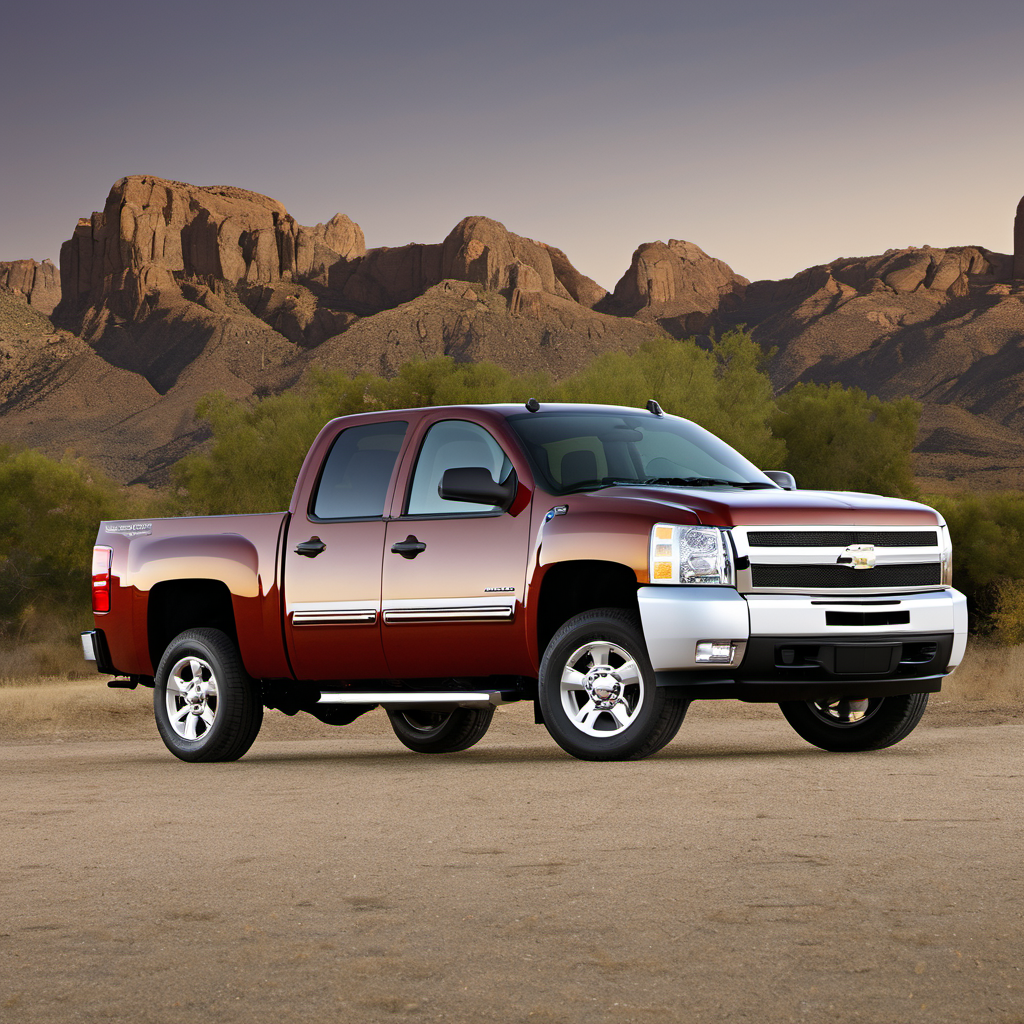
2009 Chevrolet
5.3L Vortec V8 · Pickup
The 2009 Chevrolet Silverado 1500 Crew Cab is part of GM's second-generation (GMT900) platform, sold from 2007 through 2013. This generation was a significant step up in refinement, ride quality, and interior space compared to its predecessor. The crew cab body style offers four full-size doors and seating for up to six, making it a legitimate family hauler that can also tow and haul when called upon. The most common engine in 2009 was the 5.3L Vortec V8, paired with a 4-speed automatic transmission. This combination is well-proven and has powered hundreds of thousands of trucks past 200k miles with routine maintenance. The 4.8L V8 was also available as a base option, and a 6.2L V8 topped the lineup. All trims offered 4WD, which is a strong reason to own one in Wisconsin. By 2009 these trucks are well into their depreciation curve, making them a value proposition for buyers who want real truck capability without a new-truck price tag. The main watchouts are active fuel management (AFM) oil consumption, intake manifold gasket history carried over from earlier LS-family engines, and — most critically in Wisconsin — rust on the frame, cab corners, and rocker panels.
The 2009 Chevrolet Silverado 1500 Crew Cab is part of GM's second-generation (GMT900) platform, sold from 2007 through 2013. This generation was a significant step up in refinement, ride quality, and interior space compared to its predecessor. The crew cab body style offers four full-size doors and seating for up to six, making it a legitimate family hauler that can also tow and haul when called upon. The most common engine in 2009 was the 5.3L Vortec V8, paired with a 4-speed automatic transmission. This combination is well-proven and has powered hundreds of thousands of trucks past 200k miles with routine maintenance. The 4.8L V8 was also available as a base option, and a 6.2L V8 topped the lineup. All trims offered 4WD, which is a strong reason to own one in Wisconsin. By 2009 these trucks are well into their depreciation curve, making them a value proposition for buyers who want real truck capability without a new-truck price tag. The main watchouts are active fuel management (AFM) oil consumption, intake manifold gasket history carried over from earlier LS-family engines, and — most critically in Wisconsin — rust on the frame, cab corners, and rocker panels.
AFM engines consume oil between changes and carbon deposits from long intervals accelerate lifter and VVT solenoid wear. Fresh oil is the single best thing you can do for this engine.
Encoder motors and front axle actuators seize when 4WD sits unused for months. Running 4-Hi for a short drive in a parking lot keeps seals and motors operational. Fresh fluid prevents premature wear in the transfer case.
The 4-speed automatic is durable but fluid breakdown accelerates clutch wear. Independent shops can drain-and-fill or do a full flush — follow GM's severe-duty interval if the truck tows regularly.
Carbon buildup is a known issue; a periodic cleaning prevents TPS-related drivability complaints and is inexpensive insurance.
Steel brake lines on these trucks rust from the inside out in salt-belt states. A line failure is a safety emergency. Have them inspected and proactively replace corroded sections before they blow.
Frame rails, cab corners, and rocker panels are rust-prone. Annual inspection lets you catch surface rust before it becomes structural. Oil-based undercoating on exposed metal extends life significantly.
OEM plugs are designed for this engine's AFM cycles. Copper plugs on a shorter interval are acceptable; avoid waiting past 100k as old plugs can seize in the aluminum heads.
Wisconsin winters are hard on batteries. A marginal battery that starts fine at 50°F will fail at -10°F. Load testing in October costs nothing and prevents a roadside call in January.
Always defer to the manufacturer's service manual for warranty-mandated intervals.
A well-maintained 2009 Silverado 1500 is a reasonable ownership cost proposition. Routine maintenance is inexpensive because parts are widely available and these trucks are easy to work on. The main cost wildcard is AFM-related engine work if it hasn't been addressed — budget $600–$2,500 for that if signs of oil consumption exist. Rust remediation is the other variable; a clean frame is worth paying extra for up front to avoid big repair bills later.
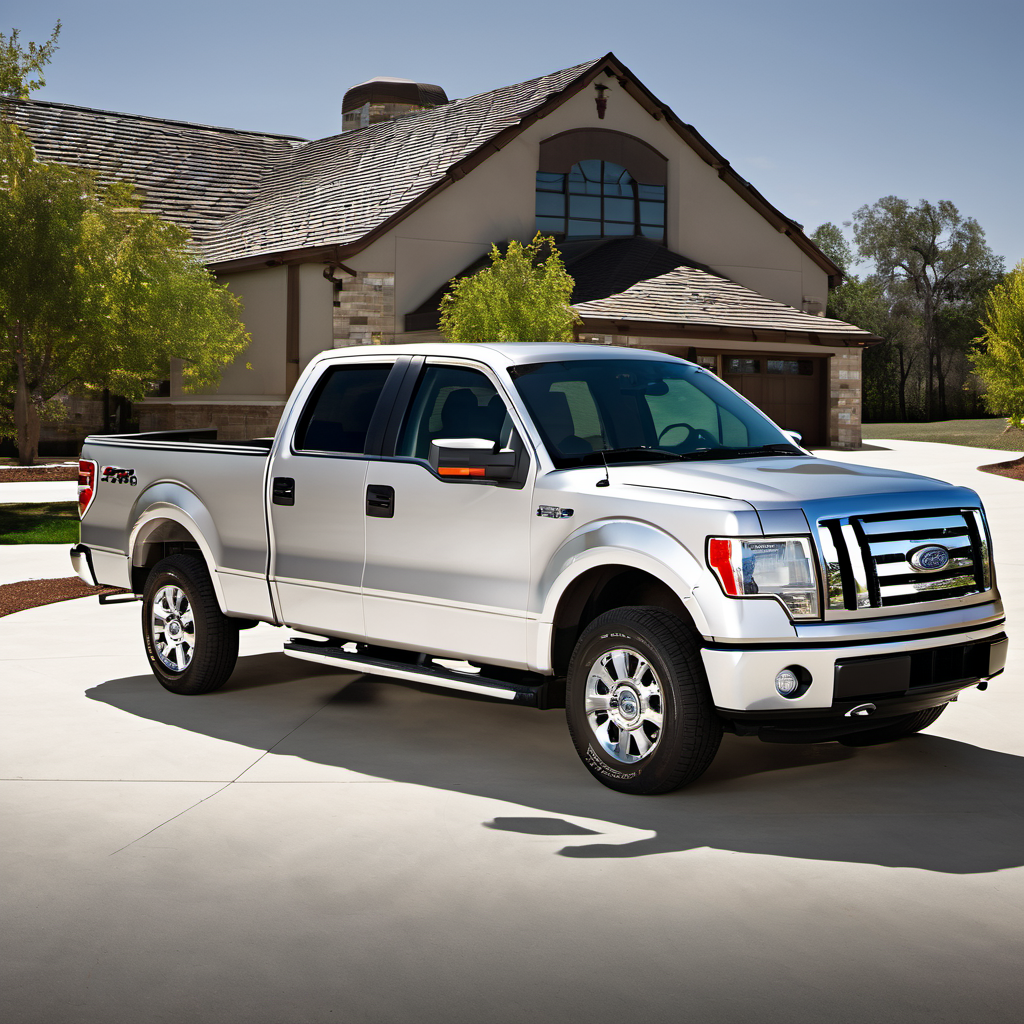
Direct segment competitor with a similarly proven 5.4L V8. The F-150 has slightly better resale but similar rust concerns in the salt belt. Larger parts aftermarket in some areas.
Offers a more car-like ride with the available coil-spring rear suspension. The Hemi V8 is comparable in durability. Transmission quality lags behind GM and Ford in this era.
No catalog match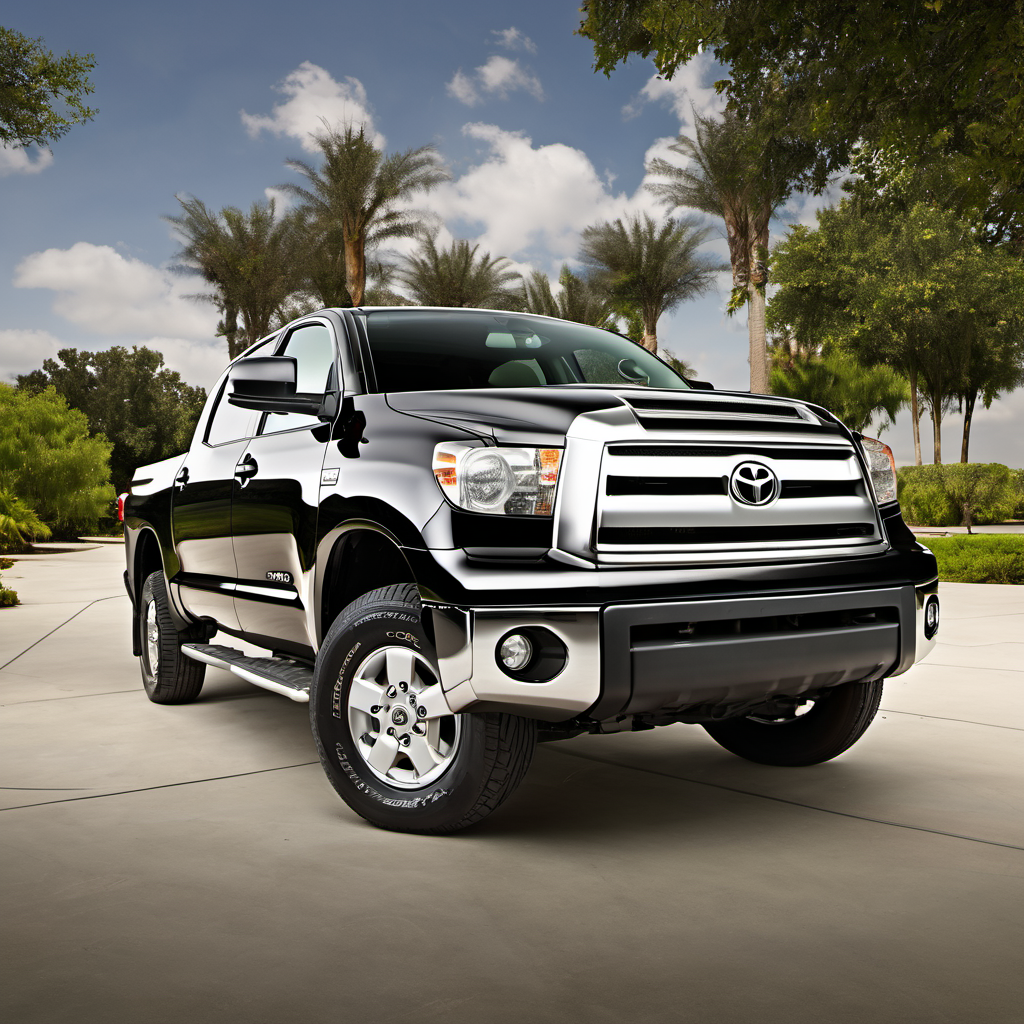
Strong reliability reputation and better rust resistance, but payload and towing ratings fall short of the Silverado. Parts are pricier and less locally available in the upper Midwest.
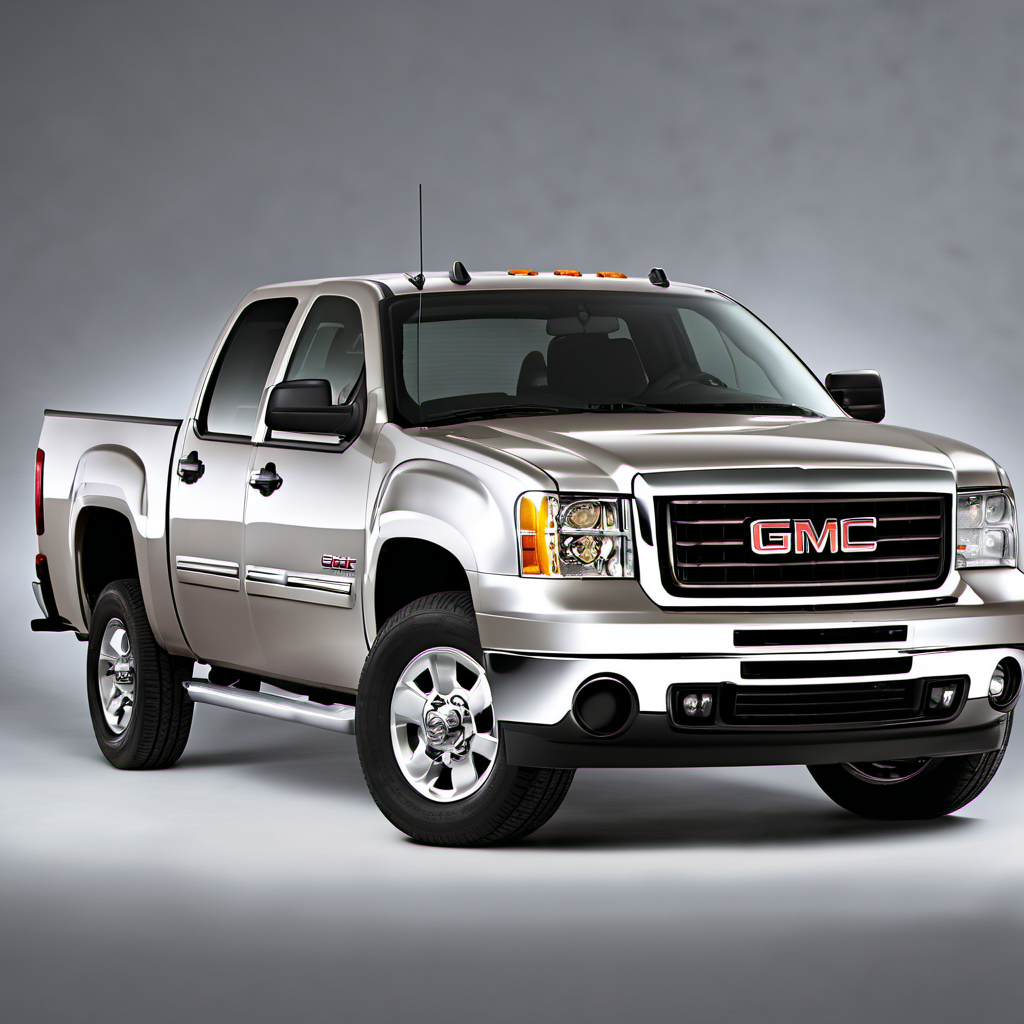
Mechanically identical to the Silverado — same engine, trans, and frame. Only differences are trim levels and exterior styling. Cross-shop for price if you're indifferent to the badge.