AFM/DOD Lifter Failure (Active Fuel Management)
high- Typically appears
- 80–150k mi
- Estimated repair
- $1,800 – $4,500
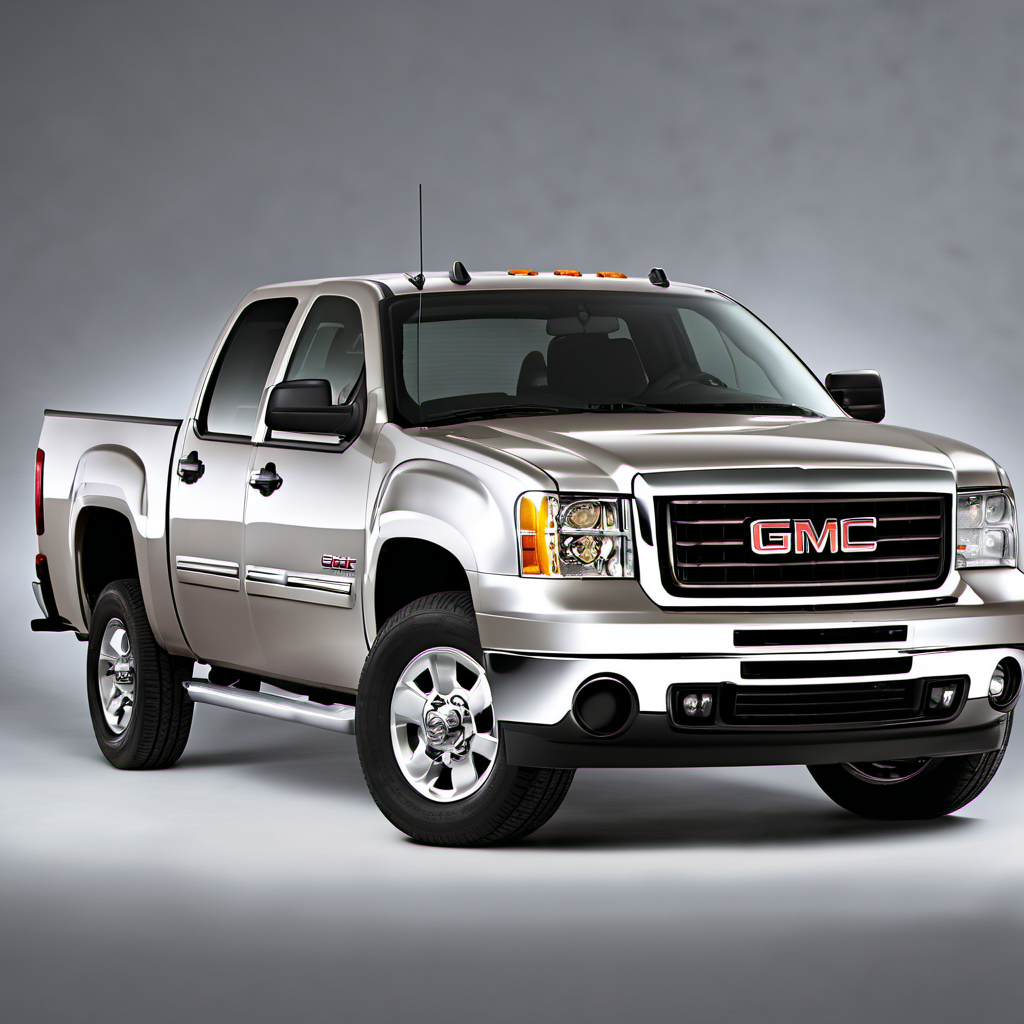
2009 GMC
5.3L V8 Vortec (LMG/LC9) · Pickup
The 2009 GMC Sierra 1500 Crew Cab is part of GM's GMT900 platform, the second generation of the modern Sierra lineup (2007–2013). It's a full-size, body-on-frame pickup sharing its bones with the Chevrolet Silverado 1500 but wearing a more upscale face and interior. By 2009, GM had ironed out most of the early-gen kinks, and this truck is widely regarded as one of the stronger years in the generation. The Crew Cab body style seats up to six and offers a comfortable rear cabin, making it a legitimate family hauler without sacrificing real truck capability. The most common powertrain pairing — the 5.3L Vortec V8 with Active Fuel Management — delivers solid towing capacity (up to ~10,700 lbs with the right axle ratio) and decent fuel economy for its class. At 15+ years old, most of these trucks are well into their working life. The good news is the 5.3L iron-block engine is legendarily durable. The bad news: Active Fuel Management (AFM/DOD) oil consumption, a worn-out transmission, and rust from Wisconsin salt roads are the three things most likely to cause headaches at this age and mileage.
The 2009 GMC Sierra 1500 Crew Cab is part of GM's GMT900 platform, the second generation of the modern Sierra lineup (2007–2013). It's a full-size, body-on-frame pickup sharing its bones with the Chevrolet Silverado 1500 but wearing a more upscale face and interior. By 2009, GM had ironed out most of the early-gen kinks, and this truck is widely regarded as one of the stronger years in the generation. The Crew Cab body style seats up to six and offers a comfortable rear cabin, making it a legitimate family hauler without sacrificing real truck capability. The most common powertrain pairing — the 5.3L Vortec V8 with Active Fuel Management — delivers solid towing capacity (up to ~10,700 lbs with the right axle ratio) and decent fuel economy for its class. At 15+ years old, most of these trucks are well into their working life. The good news is the 5.3L iron-block engine is legendarily durable. The bad news: Active Fuel Management (AFM/DOD) oil consumption, a worn-out transmission, and rust from Wisconsin salt roads are the three things most likely to cause headaches at this age and mileage.
The AFM system is highly sensitive to oil quality and pressure. Clean oil is the single best thing you can do to prevent lifter failure. On a 15-year-old truck, shorten the interval regardless of the monitor.
The 4L60E is durable but hates degraded fluid. Many used examples have skipped this. Dark or burnt-smelling fluid means do it now.
4WD systems on these trucks see heavy use in Wisconsin winters. Moisture and wear debris contaminate the fluids over time.
Worn plugs stress the ignition coils, which are a known wear item on this engine. Replace plugs and inspect coils together.
Carbon buildup on the throttle plate causes rough idle and hesitation. Cleaning is cheap preventive maintenance.
GMT900 frames are known to rust from the inside out in the upper Midwest. Catching perforation early can save the truck. Apply chassis wax or undercoating each fall.
Cold cranking amps drop significantly in sub-zero temps. A battery that passes a standard test in summer can fail to start the truck at -10°F.
Salt exposure causes brake line corrosion and caliper seizure. Inspect rubber brake hoses for cracking and steel lines for pitting every year on a Wisconsin-driven truck.
Always defer to the manufacturer's service manual for warranty-mandated intervals.
Routine annual maintenance (oil changes, fluids, brakes, tires) runs $700–$1,600 at an independent shop. The big-ticket wildcard is AFM lifter failure — budget $2,000–$4,500 if it hasn't been addressed and the truck has 100k+ miles. Parts are widely available and affordable for this platform, which keeps non-AFM repairs reasonable. Fuel costs are the largest ongoing expense given the V8's thirst.
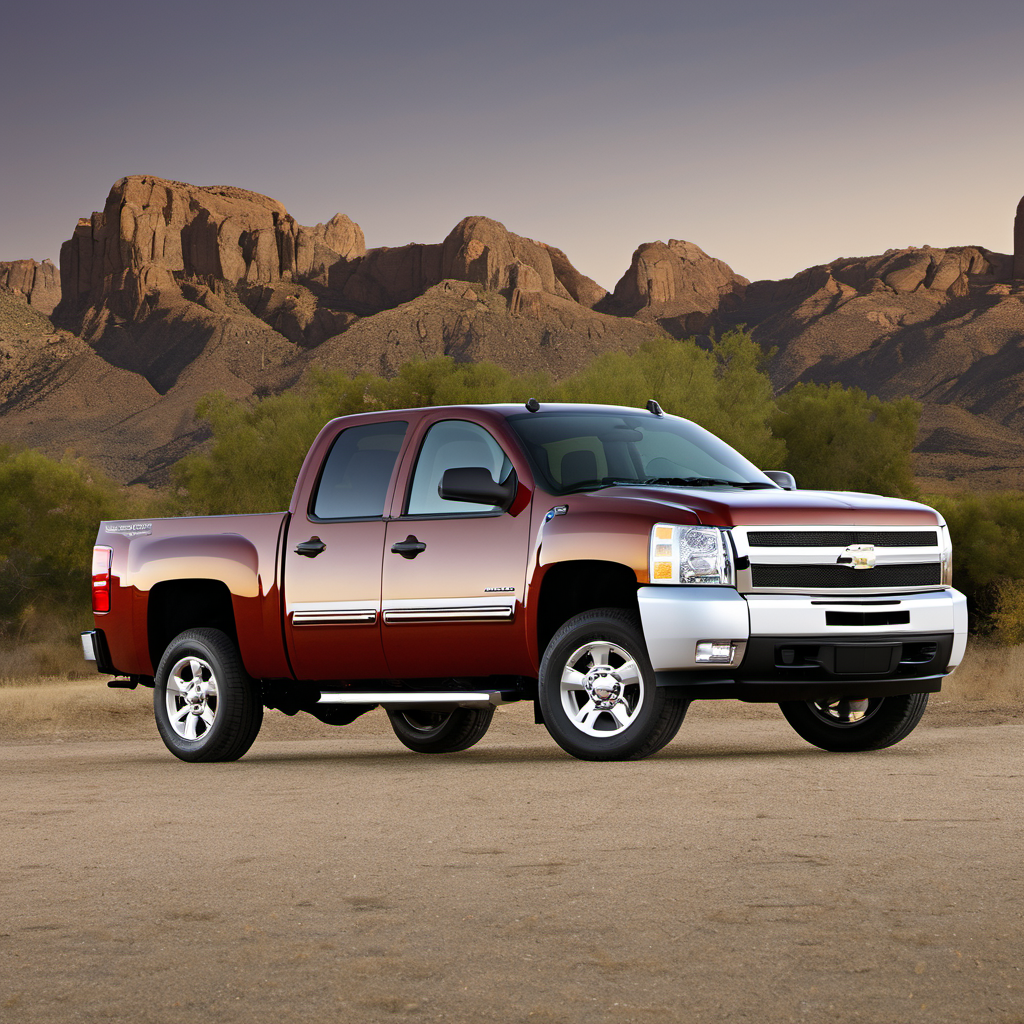
Identical platform, powertrain, and capability — essentially the same truck with different badging and interior trim. Parts are completely interchangeable and often cheaper due to higher Silverado volume.
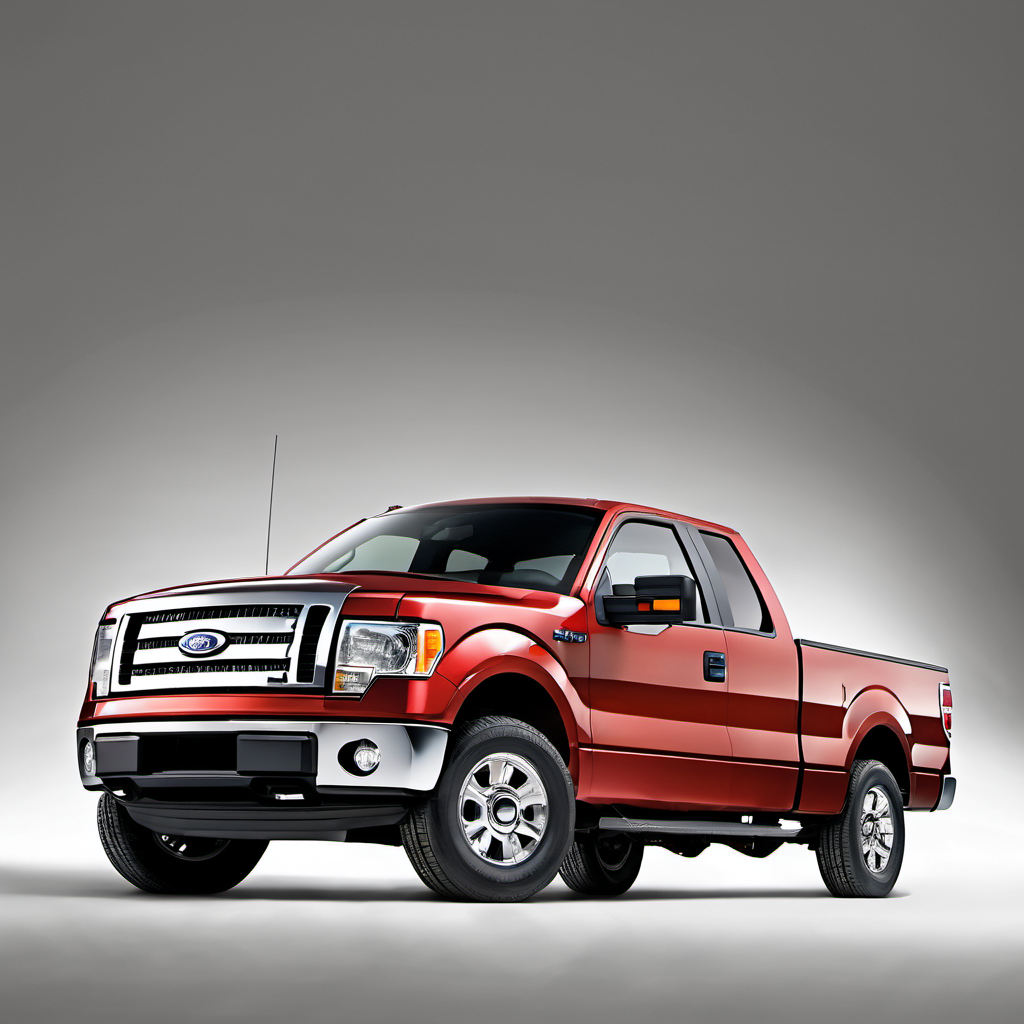
The direct class competitor. The 2009 F-150 (12th gen) offers a similar crew cab layout and V8 power. Generally considered slightly more comfortable but the 5.4L 3-valve Triton had its own well-documented spark plug and cam phaser issues.
The Dodge Ram 1500 Crew Cab is a strong alternative with a comfortable Hemi V8 option and a coil-spring rear suspension for a notably smoother ride. More prone to rust issues on older examples in the Midwest.
No catalog match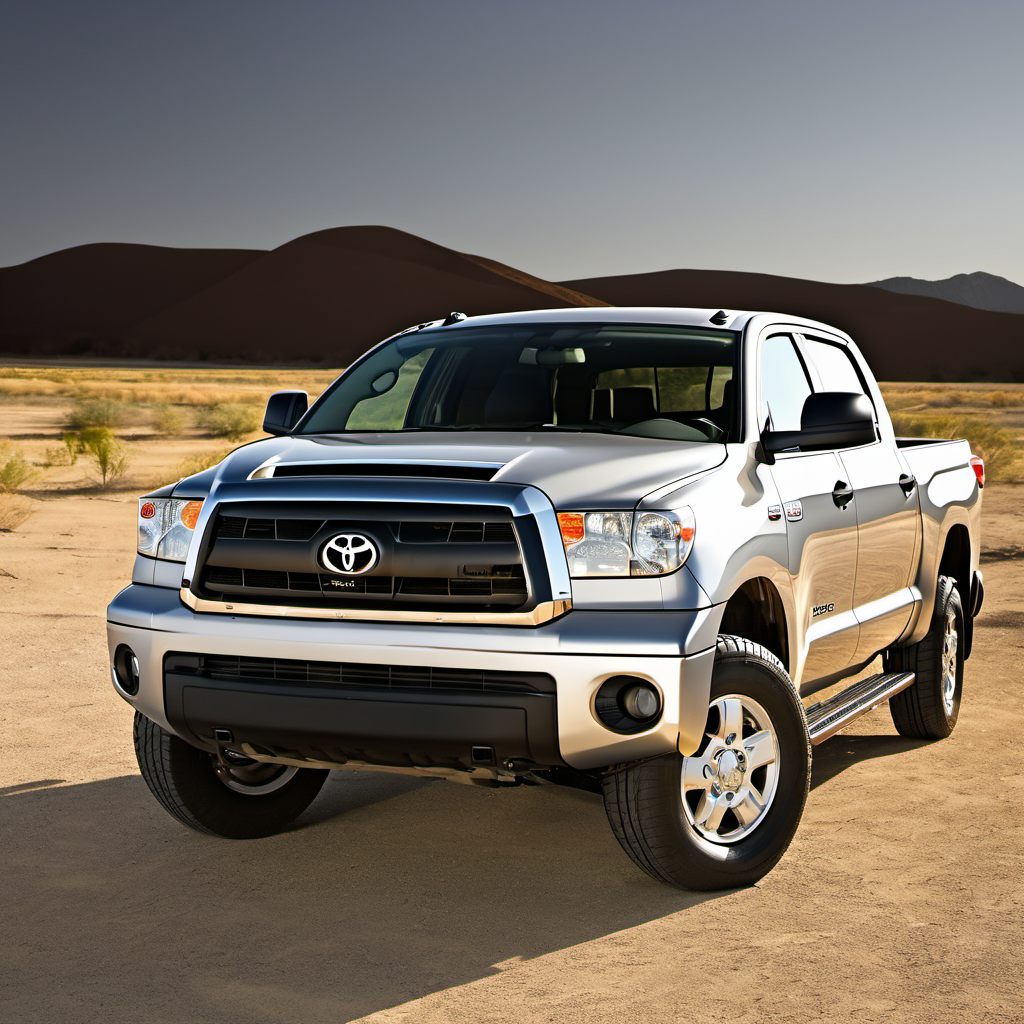
The Tundra CrewMax offers exceptional long-term reliability and the 5.7L V8 is one of the strongest half-ton engines of the era. Typically commands a price premium on the used market but has fewer AFM-style systemic issues.