Cam Phaser / VCT Solenoid Failure (5.4L)
high- Typically appears
- 80–150k mi
- Estimated repair
- $800 – $2,200
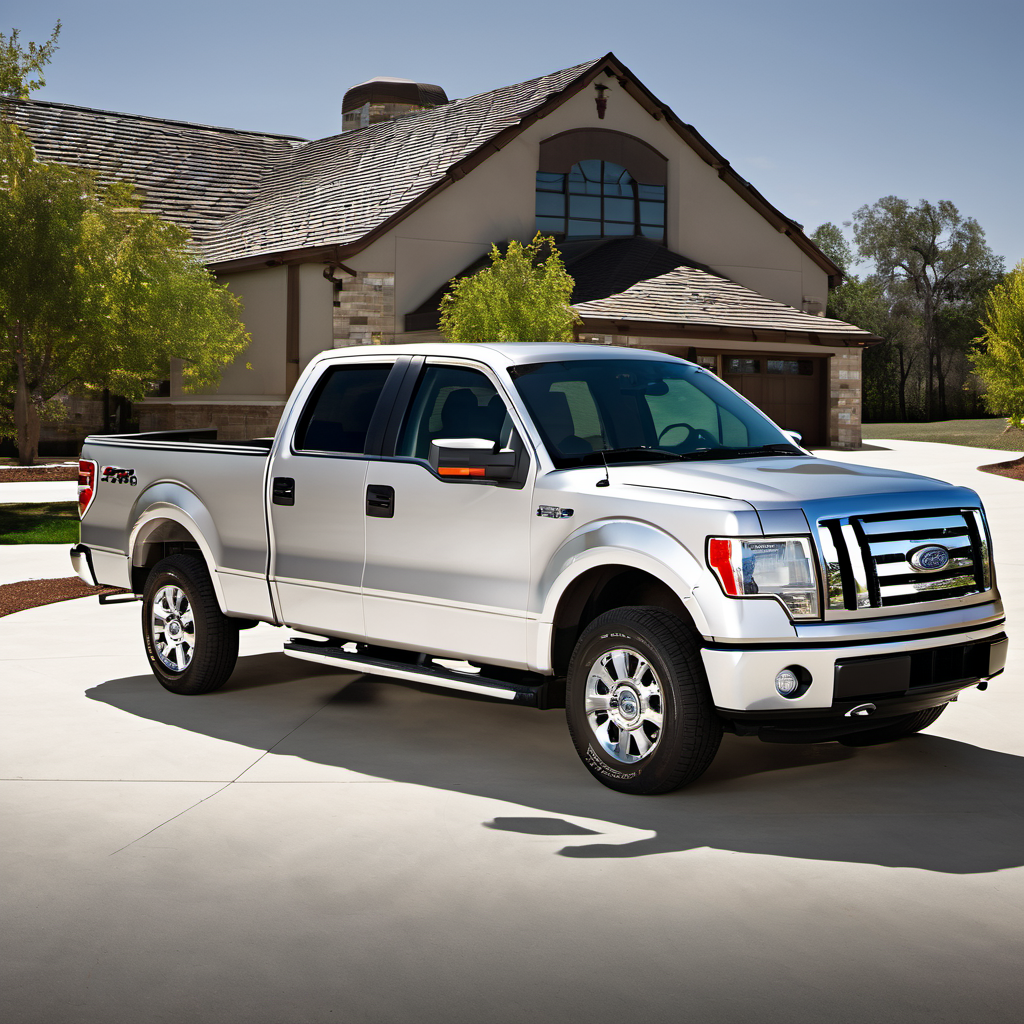
2009 Ford
5.4L V8 Triton · Pickup
The 2009 Ford F-150 SuperCrew Cab is part of the 12th-generation F-150 (2009–2014), a significant refresh that introduced an all-new frame, updated suspension, and a wider range of powertrain options. The SuperCrew body style offers four full-size doors and a rear seat that genuinely accommodates adults — making it one of the more practical configurations in the full-size truck segment. This generation is widely regarded as a high point for the F-150 in terms of ride quality, capability, and long-term durability. Engine choices in 2009 ranged from a 4.6L V8 to the more capable 5.4L Triton V8, with the 5.4L being the most popular choice for towing and hauling. The 4-speed automatic was standard on the 4.6L while the 5.4L paired with a 6-speed automatic. Payload and towing ratings were competitive with the segment, and the truck's construction earned it strong safety scores for the era. For buyers in the Lake Geneva area, this truck is a capable year-round workhorse. The 4WD models handle Wisconsin winters well, though like any truck of this vintage, rust management on the frame and undercarriage deserves serious attention given road salt exposure over 15+ years.
The 2009 Ford F-150 SuperCrew Cab is part of the 12th-generation F-150 (2009–2014), a significant refresh that introduced an all-new frame, updated suspension, and a wider range of powertrain options. The SuperCrew body style offers four full-size doors and a rear seat that genuinely accommodates adults — making it one of the more practical configurations in the full-size truck segment. This generation is widely regarded as a high point for the F-150 in terms of ride quality, capability, and long-term durability. Engine choices in 2009 ranged from a 4.6L V8 to the more capable 5.4L Triton V8, with the 5.4L being the most popular choice for towing and hauling. The 4-speed automatic was standard on the 4.6L while the 5.4L paired with a 6-speed automatic. Payload and towing ratings were competitive with the segment, and the truck's construction earned it strong safety scores for the era. For buyers in the Lake Geneva area, this truck is a capable year-round workhorse. The 4WD models handle Wisconsin winters well, though like any truck of this vintage, rust management on the frame and undercarriage deserves serious attention given road salt exposure over 15+ years.
Cam phasers and VCT solenoids are oil-pressure-operated. Dirty or low oil is the #1 cause of phaser failure, which runs $800–$2,200 to fix. This is the single most important maintenance item on this engine.
The 5.4L 3-valve plugs are notorious for seizing and snapping off in the head. Replacing them earlier (while the engine is newer) dramatically reduces breakage risk and repair cost.
The 6R80 6-speed is durable but heat degrades fluid faster under load. Fresh fluid extends clutch pack life significantly.
Carbon buildup on the throttle plate is common and causes drivability issues. A cleaning is inexpensive and avoids misdiagnosis.
Wisconsin road salt is aggressive. Annual inspection of frame, brake lines, and fuel lines catches rust before it becomes structural or safety-critical.
4WD components are often neglected. Fresh fluid prevents premature wear in the transfer case and front differential, both of which are expensive to rebuild.
A battery that passes a voltage test in summer can fail a cold-crank test. The 5.4L has high cold-cranking demands; a weak battery stresses the starter and alternator.
Steel brake lines on salt-belt F-150s of this vintage are at high rust risk. A failed brake line is a safety emergency; catching surface rust early allows inexpensive repair.
Always defer to the manufacturer's service manual for warranty-mandated intervals.
Day-to-day ownership costs are moderate for the class. Fuel is the biggest ongoing expense given the 5.4L's appetite. Maintenance is affordable as long as oil changes are kept up — deferred maintenance on the cam phaser system can turn a $70 oil change into a $1,500 repair very quickly. Budget for a spark plug job around 90k if not already done; it's better to do it proactively than reactively.
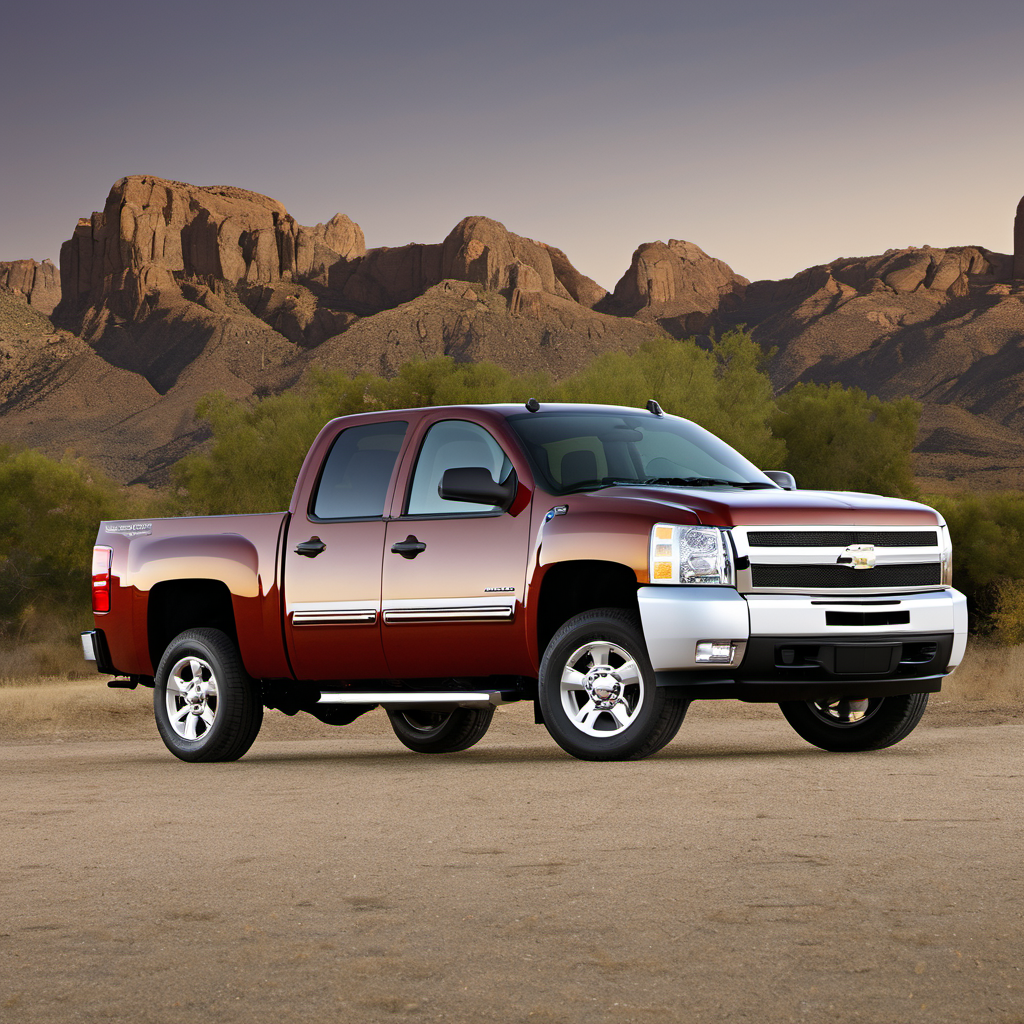
Direct competitor in the full-size truck segment. The 5.3L Vortec V8 in this generation is widely considered more reliable than the 5.4L Triton and offers comparable towing. Strong parts availability and independent shop support in the Midwest.
The 2009 Ram 1500 introduced a new platform with a coil-spring rear suspension that delivers a noticeably smoother ride than the F-150. The 5.7L HEMI is proven and durable. A solid alternative if ride comfort is a priority.
No catalog match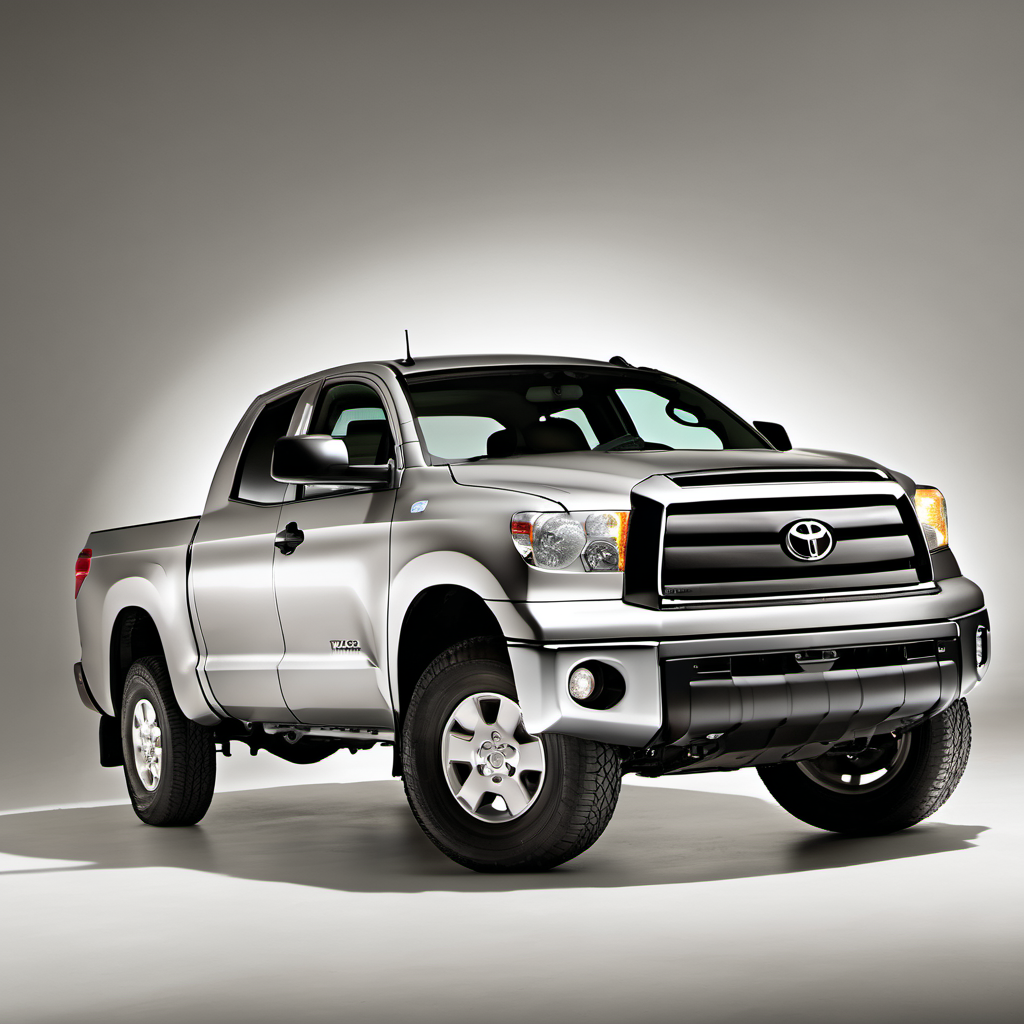
The Tundra's 5.7L iForce V8 is one of the most reliable truck engines of the era with almost no cam phaser or plug-ejection concerns. Slightly lower tow ratings than the F-150 but significantly lower maintenance drama. Holds value exceptionally well.
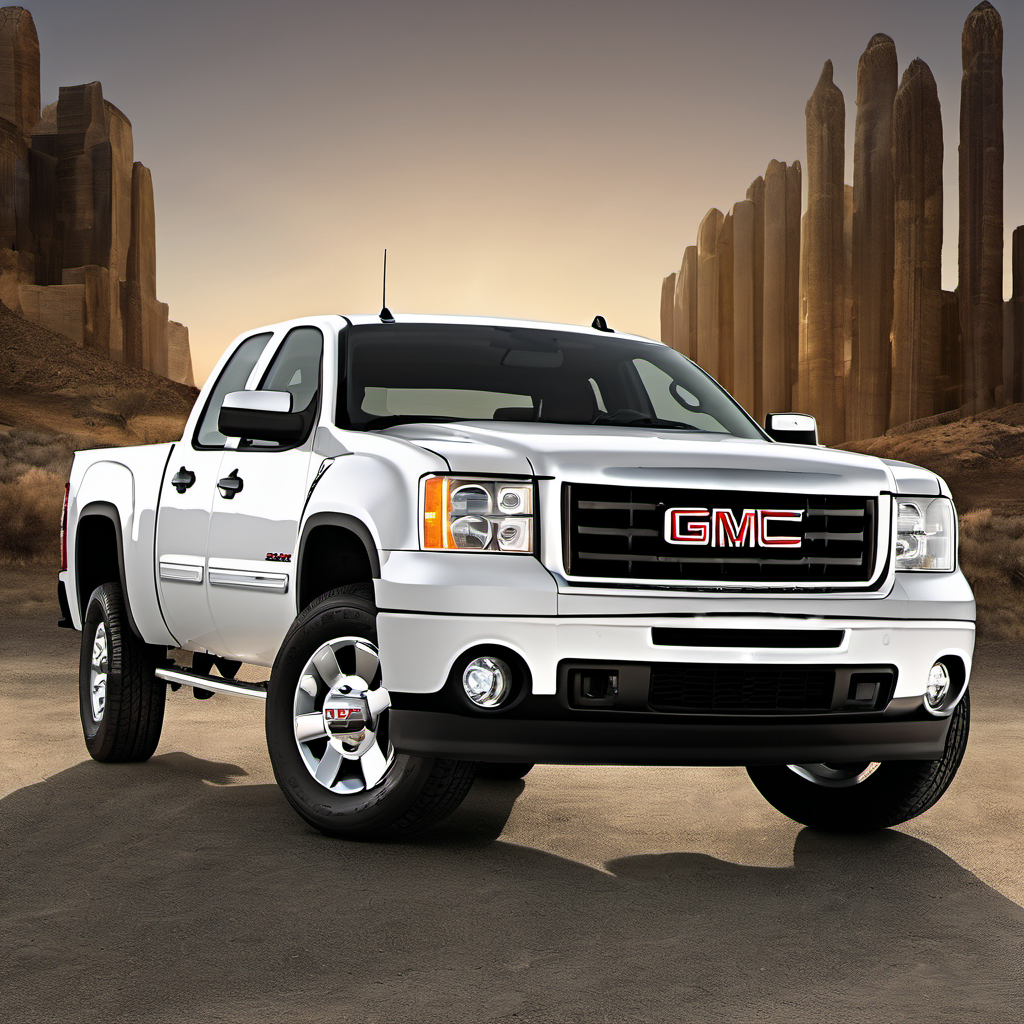
Mechanically identical to the Silverado 1500 but often commands a small premium for perceived upscale trim. Same reliable 5.3L V8 and proven 6-speed automatic. Good option if you want a slightly more refined interior in the same reliable package.