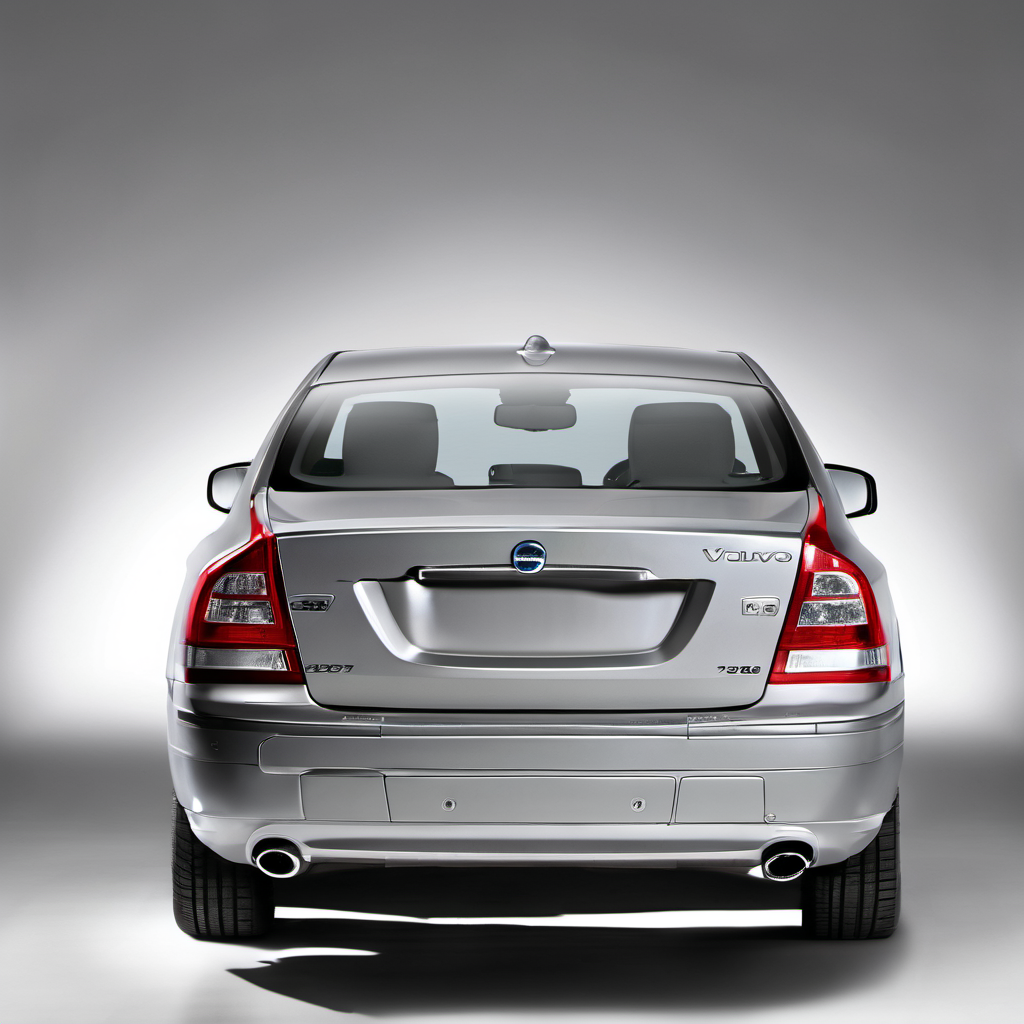
2007 Volvo S80 Sedan

2007 Volvo

S80Sedan

Sedan

The 2007 Volvo S80 is the second generation of Volvo's flagship full-size sedan, riding on the P3 platform shared with the S60 and XC70. It replaced the boxy first-gen S80 and brought a more contemporary, sculpted look while keeping Volvo's core focus on occupant safety and long-distance comfort. The 3.2L inline-six paired with AWD (branded as AWD or DSTC-equipped FWD depending on trim) made it a genuinely capable year-round luxury commuter. Inside, the S80 punches above its price in ride quality and seat comfort — especially on longer drives. Volvo's reputation for safety hardware is well-earned here; the 2007 model scored well in crash testing and was among the first sedans to offer a pedestrian detection system concept. The cabin materials were premium for the era, though some plastics and electronics haven't aged as gracefully as the chassis. As a used buy in 2024, the S80 is a value-priced luxury sedan that rewards patient, attentive ownership. Parts and independent-shop labor are moderately available, but some Volvo-specific components — particularly ETM, transmission solenoids, and VVTI hardware — can be pricey. Budget for deferred maintenance if buying used.

Reliability
3/5
Verified data
Specs shown for S80 AWD — the most common configuration. Other trims may vary in engine, drivetrain, or fuel economy. Sign in to see your vehicle's exact specs.
Engine
[object Object]
Drivetrain
AWD
Fuel
Premium gasoline
MPG
16 city / 24 hwy / 19 combined
Seats
Doors
Body
Midsize Cars

Overview

AI-curated

The 2007 Volvo S80 is the second generation of Volvo's flagship full-size sedan, riding on the P3 platform shared with the S60 and XC70. It replaced the boxy first-gen S80 and brought a more contemporary, sculpted look while keeping Volvo's core focus on occupant safety and long-distance comfort. The 3.2L inline-six paired with AWD (branded as AWD or DSTC-equipped FWD depending on trim) made it a genuinely capable year-round luxury commuter. Inside, the S80 punches above its price in ride quality and seat comfort — especially on longer drives. Volvo's reputation for safety hardware is well-earned here; the 2007 model scored well in crash testing and was among the first sedans to offer a pedestrian detection system concept. The cabin materials were premium for the era, though some plastics and electronics haven't aged as gracefully as the chassis. As a used buy in 2024, the S80 is a value-priced luxury sedan that rewards patient, attentive ownership. Parts and independent-shop labor are moderately available, but some Volvo-specific components — particularly ETM, transmission solenoids, and VVTI hardware — can be pricey. Budget for deferred maintenance if buying used.

Known for
  • Volvo safety engineering and high crash-test scores
  • Comfortable, long-haul ride quality
  • Strong 3.2L inline-six engine when maintained
  • AWD traction well-suited to Upper Midwest winters
Best for
  • Drivers wanting luxury-sedan comfort at a used-market discount
  • Year-round Wisconsin commuters who need AWD
  • Buyers who prioritize safety hardware over brand cachet
  • Highway miles and longer trips
Watch for
  • VVTI (variable valve timing) system failures — expensive if neglected
  • Throttle body / ETM issues common on this generation
  • Aging electronics and CAN bus faults on high-mileage examples
  • Premium fuel requirement adds to running costs
  • Sunroof drain clogs leading to water intrusion in the cabin

Common issues by mileage

6 known

Electronic Throttle Module (ETM) Failure

medium
Typically appears
60–120k mi
Estimated repair
$300 – $800

Oxygen Sensor / Heater Circuit Faults

medium
Typically appears
80–150k mi
Estimated repair
$150 – $450

Sunroof Drain Clog / Water Intrusion

high
Typically appears
Any mileage
Estimated repair
$100 – $600

Cooling System Failure (Thermostat, Coolant Hoses, Water Pump)

medium
Typically appears
90–150k mi
Estimated repair
$250 – $900

Maintenance schedule

  1. 1
    Every 5,000–7,500 miles (do not stretch to OLM recommendations on a used example) Engine oil and filter change — use full synthetic 0W-30 or 5W-30 meeting Volvo VCC-RBS2AE spec

    The VVTI system's oil control solenoids are extremely sensitive to oil quality and sludge. Shortened intervals are cheap insurance against a $400–$1,100 VVTI repair.

  2. 2
    Every 4–5 years or 60k miles Inspect and flush cooling system including thermostat and coolant hoses

    Volvo's organic acid coolant degrades and the plastic thermostat housing is prone to cracking, especially after Wisconsin freeze-thaw cycles.

  3. 3
    Every 45,000–60,000 miles Transmission fluid service (Aisin 6-speed automatic)

    Volvo marks this 'lifetime' fluid but independent shops consistently see transmission wear accelerate past 100k on unserviced units. Change it.

  4. 4
    Every 60,000 miles Spark plug replacement — use OEM-equivalent iridium plugs

    Worn plugs on the 3.2L I6 can trigger misfires that are misdiagnosed as VVTI or coil problems. Replace on schedule.

  5. 5
    Every spring and fall Inspect and clear sunroof drains

    Blocked drains overflow into the A-pillars and soak the cabin floor, leading to module corrosion and mold. A 10-minute compressed-air flush prevents a very expensive fix.

  6. 6
    Every 2 years regardless of mileage Brake fluid flush

    Volvo's ABS and stability control systems are hydraulically sensitive. Moisture-saturated fluid degrades pedal feel and can trigger C-series chassis codes.

  7. 7
    Every 60,000 miles or at first sign of squealing Inspect serpentine belt, tensioner, and idler pulleys

    Belt failure on the 3.2L strands the car and can damage the power steering pump. Wisconsin cold makes old belts brittle and tensioners sluggish.

  8. 8
    Every fall before winter season Battery load test

    The S80's heavy electrical load (heated seats, DSTC, dual-zone climate) draws the battery hard in cold starts. A marginal battery that passes a summer test will often fail at -10°F.

Always defer to the manufacturer's service manual for warranty-mandated intervals.

Cost of ownership

Annual maintenance
$900 – $2,200
Fuel
Premium fuel required. At current upper Midwest prices (~$3.50–$4.00/gal premium) and 19 MPG combined, expect $2,200–$2,800/year at 12,000 miles annually.
Insurance
Typically mid-range for a used luxury sedan — expect $900–$1,400/year for full coverage in the Lake Geneva area depending on driver profile, though your insurer is the final word.

The S80 is affordable to buy used but moderately expensive to keep. Routine maintenance on a well-kept example runs $900–$1,400/year. Add deferred-maintenance catch-up costs ($500–$2,000+) if buying a neglected car. Premium fuel, European-spec parts pricing, and Volvo-specific labor mean this costs noticeably more per year than a comparable Japanese or domestic luxury sedan. Find an independent Volvo specialist — dealer rates will push the high end of every estimate.
Seasonal care

Lake Geneva, WI
Winter
  • Load-test the battery every October — the S80's electrical demands in cold weather will expose any weakness in a battery over 4 years old.
  • Switch to a dedicated winter tire set. AWD helps you go, not stop; all-season tires on icy Wisconsin roads are a liability.
  • Use a winter-grade washer fluid rated to at least -30°F — the S80's large windshield and heated washer nozzles still can't overcome frozen standard fluid.
  • Flush brake fluid if it hasn't been done in 2 years; moisture in the lines lowers boiling point and can affect ABS response on icy stops.
  • Inspect and lubricate door and trunk seals with silicone spray to prevent freeze-shut in sub-zero temperatures.
  • Rinse the undercarriage every 1–2 weeks during salt season, paying attention to the subframe, brake lines, and fuel lines — European steel is not immune to Wisconsin road salt.
Summer
  • Check and adjust tire pressure after temperature swings — pressure rises roughly 1 PSI per 10°F, and over-inflated tires reduce wet-road grip.
  • Inspect the A/C system refrigerant level and cabin air filter; the dual-zone climate system works hard in Wisconsin humidity and a partially blocked cabin filter noticeably reduces cooling.
  • Clear the sunroof drains before summer storm season — standing water from summer downpours is just as damaging as fall leaf debris.
  • Check coolant concentration with a refractometer; a 50/50 mix protects to about -34°F in winter but also raises the boiling point for summer heat management.
  • Inspect serpentine belt for cracking — heat accelerates belt aging and a failure in summer traffic is a tow call.

Comparable vehicles

If you're shopping for one

Red flags
  • Any active VVTI or camshaft timing DTC (P0012, P0015, P0022, P0025) — repair costs can exceed the car's value on a high-mileage example.
  • U-series network codes (U0100–U0104) stored or active — indicate module communication failures that can be expensive and difficult to trace.
  • Rust on the subframe, brake lines, or suspension components — common on Wisconsin cars; structural rust is a deal-breaker.
  • No service records and high mileage — deferred oil changes are the #1 killer of this engine's VVTI system.
  • Musty smell or visible water stains in the cabin — sunroof drain damage may already have affected floor modules or the amplifier under the rear seat.
What to inspect
  • Pull codes before purchase — VVTI-related P0012/P0015/P0022/P0025 codes indicate potential engine timing system damage; walk away or negotiate a significant discount.
  • Check the cabin floor under the rear seats and beneath the front floor mats for moisture — sunroof drain failure is common and leads to module corrosion.
  • Verify the ETM (Electronic Throttle Module) has been replaced or updated; ask for service records showing the repair.
  • Inspect the transmission for smooth, firm shifts through all gears — sluggish or slipping shifts on the 6-speed Aisin suggest a service-overdue or worn unit.
  • Check the engine oil filler cap interior for white sludge or mayonnaise-like deposits — signs of coolant intrusion or chronic short-trip use with poor oil.
  • Test all electrical features cold: heated seats, DSTC indicator, climate control, and sunroof. Cold-soak faults are harder to hide.
AI profile generated 24 days ago · claude-sonnet-4-6 · v2.