Hybrid battery (NiMH) capacity degradation or failure
high- Typically appears
- 100k–200k mi (or 15+ years regardless of mileage)
- Estimated repair
- $2,500 – $6,500
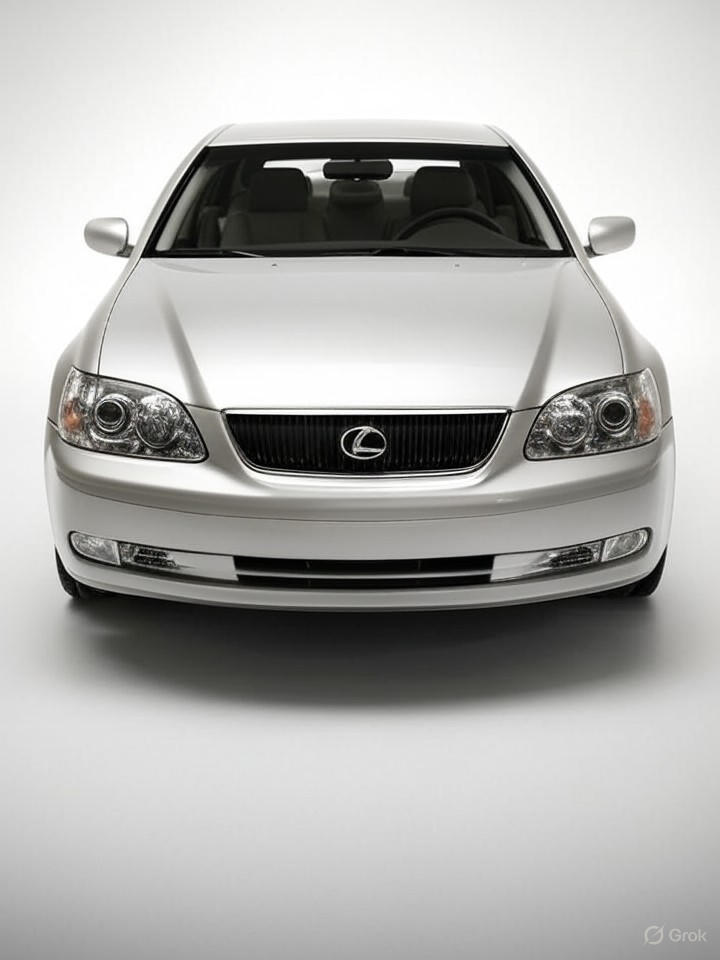
2007 Lexus
Sedan
The 2007 Lexus GS 450h is the hybrid variant of Lexus's mid-size sport sedan, pairing a 3.5L V6 with an electric motor system for a combined output of around 340 hp — making it one of the quickest hybrids of its era. It sits on a rear-wheel-drive platform shared with the non-hybrid GS 350, giving it a more driver-focused feel than most luxury hybrids. The GS line in this generation (2006–2007) represented Lexus at its most performance-oriented, with sharp steering, a firm ride, and a genuinely sport-tuned suspension. As a used buy in 2024–2025, the GS 450h offers a compelling value proposition: luxury features, strong performance, and better-than-average fuel economy for a V6 RWD sedan. The catch is the hybrid system — nickel-metal hydride (NiMH) battery packs are aging into the 15–18 year range and replacement is expensive. If the battery is healthy, this car is excellent; if not, costs can escalate quickly. For Lake Geneva-area owners, the RWD platform requires winter tires to be genuinely safe in snow. Salt exposure is also a long-term concern on this generation's underbody and brake hardware.
The 2007 Lexus GS 450h is the hybrid variant of Lexus's mid-size sport sedan, pairing a 3.5L V6 with an electric motor system for a combined output of around 340 hp — making it one of the quickest hybrids of its era. It sits on a rear-wheel-drive platform shared with the non-hybrid GS 350, giving it a more driver-focused feel than most luxury hybrids. The GS line in this generation (2006–2007) represented Lexus at its most performance-oriented, with sharp steering, a firm ride, and a genuinely sport-tuned suspension. As a used buy in 2024–2025, the GS 450h offers a compelling value proposition: luxury features, strong performance, and better-than-average fuel economy for a V6 RWD sedan. The catch is the hybrid system — nickel-metal hydride (NiMH) battery packs are aging into the 15–18 year range and replacement is expensive. If the battery is healthy, this car is excellent; if not, costs can escalate quickly. For Lake Geneva-area owners, the RWD platform requires winter tires to be genuinely safe in snow. Salt exposure is also a long-term concern on this generation's underbody and brake hardware.
The VVT-i system's oil control valves are the first thing to clog with dirty oil. Sludge from extended intervals is the #1 cause of camshaft timing codes on this engine. Frequent oil changes are the cheapest insurance you can buy.
The inverter has its own dedicated coolant loop. Neglecting it degrades the water pump and can cause inverter overheating, which is a very expensive repair. This is often overlooked at non-hybrid-familiar shops.
The NiMH pack is 17–18 years old on all surviving examples. Catching cell imbalance early allows for reconditioning or selective module replacement rather than full pack replacement.
Regenerative braking reduces wear on brake pads, but the hydraulic fluid still absorbs moisture over time. Wet fluid lowers boiling point and can cause ABS/VSC actuator corrosion — a known issue on this platform.
Lexus lists this as 'sealed for life,' but in practice the fluid does degrade. Independent shops in the Midwest commonly see smoother hybrid operation and fewer shudder complaints after a flush at or before 60k.
Wisconsin roads kick up a lot of debris and salt dust. A clogged cabin filter also restricts the airflow that cools the hybrid battery in the trunk area on some configurations.
The 12V battery starts the hybrid system's electronics before the main pack takes over. A weak 12V can cause confusing hybrid system warning lights and no-start conditions, especially in sub-zero Wisconsin winters.
Lake Geneva roads are heavily salted. The GS 450h's RWD subframe, brake lines, and exhaust components are vulnerable. Annual inspection and touch-up of any bare metal will dramatically extend underbody life.
Always defer to the manufacturer's service manual for warranty-mandated intervals.
On a healthy car, annual maintenance costs are reasonable for the luxury segment — budgeting $800–$1,800/year covers oil changes, filters, brake service, and fluids. The wildcard is the hybrid system: inverter pump, hybrid battery, or HV system repairs can add $1,000–$6,500 in a single year. A pre-purchase hybrid battery capacity test is money well spent. Parts pricing is higher than non-luxury brands, and this car should go to a shop with hybrid system experience — not all independents have the equipment.
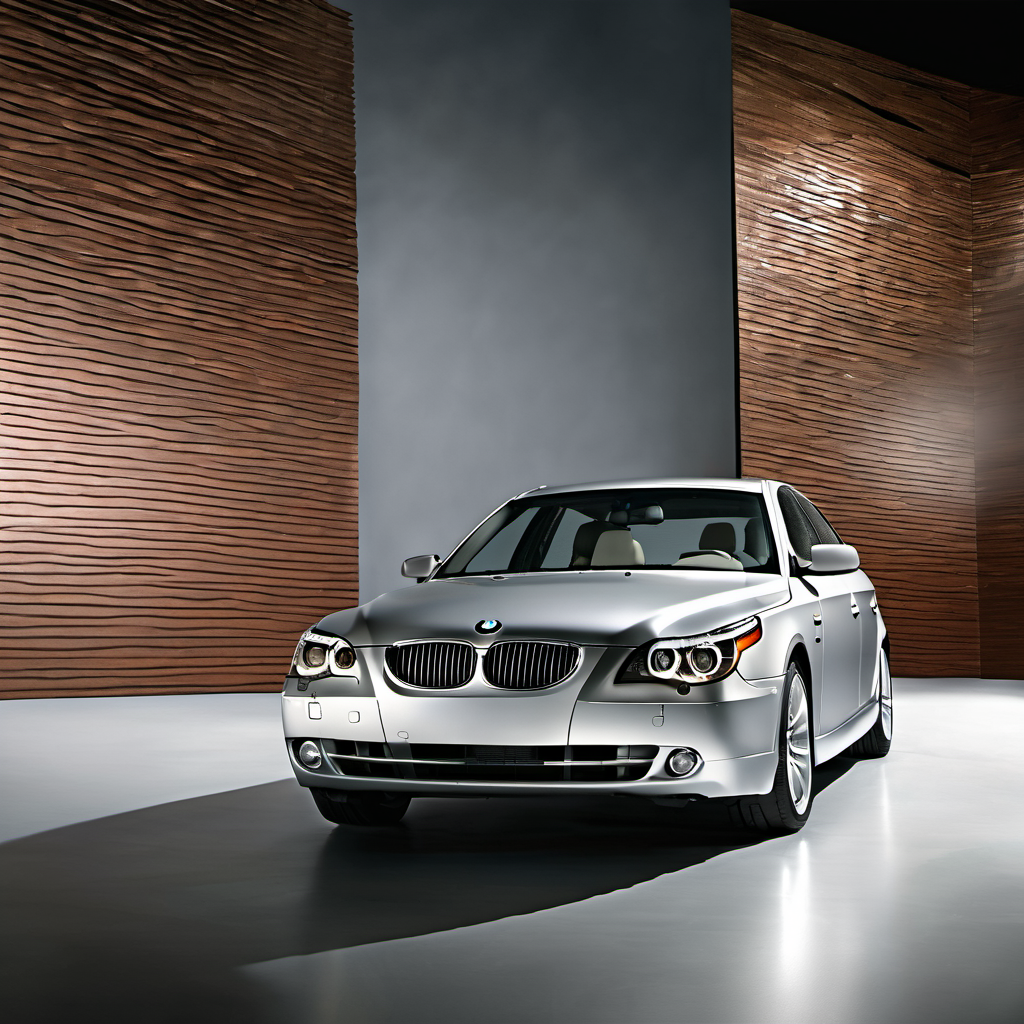
Same segment, similar RWD sport sedan dynamics and luxury content. The 535i is non-hybrid and simpler to maintain, but lacks the fuel economy benefit and has higher maintenance costs overall.
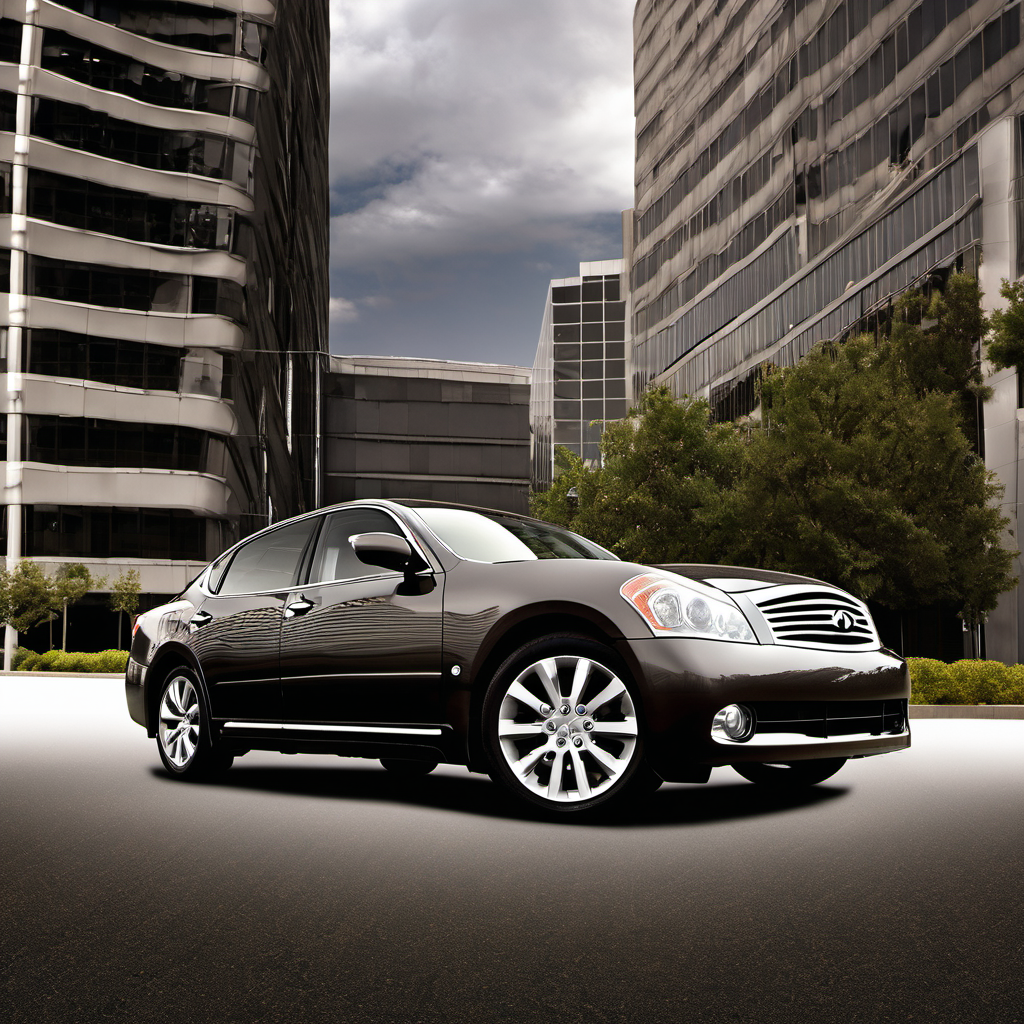
Direct competitor from the same era — RWD, V6, rear-drive sport sedan with a strong reliability record. No hybrid system complexity. Parts and service are generally cheaper than Lexus.
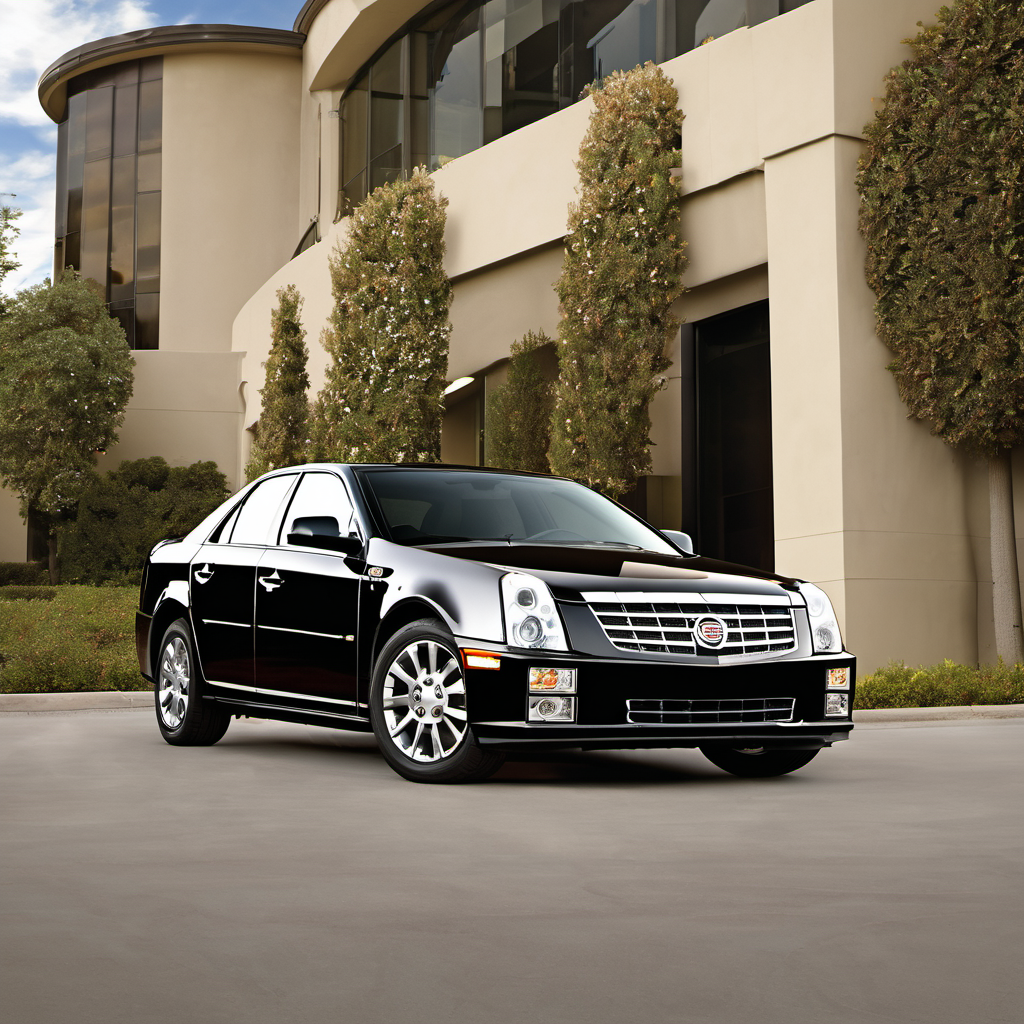
American luxury alternative in the same size and price class. RWD, V6, well-equipped. Lower resale value than the GS but more affordable to maintain at independent shops.
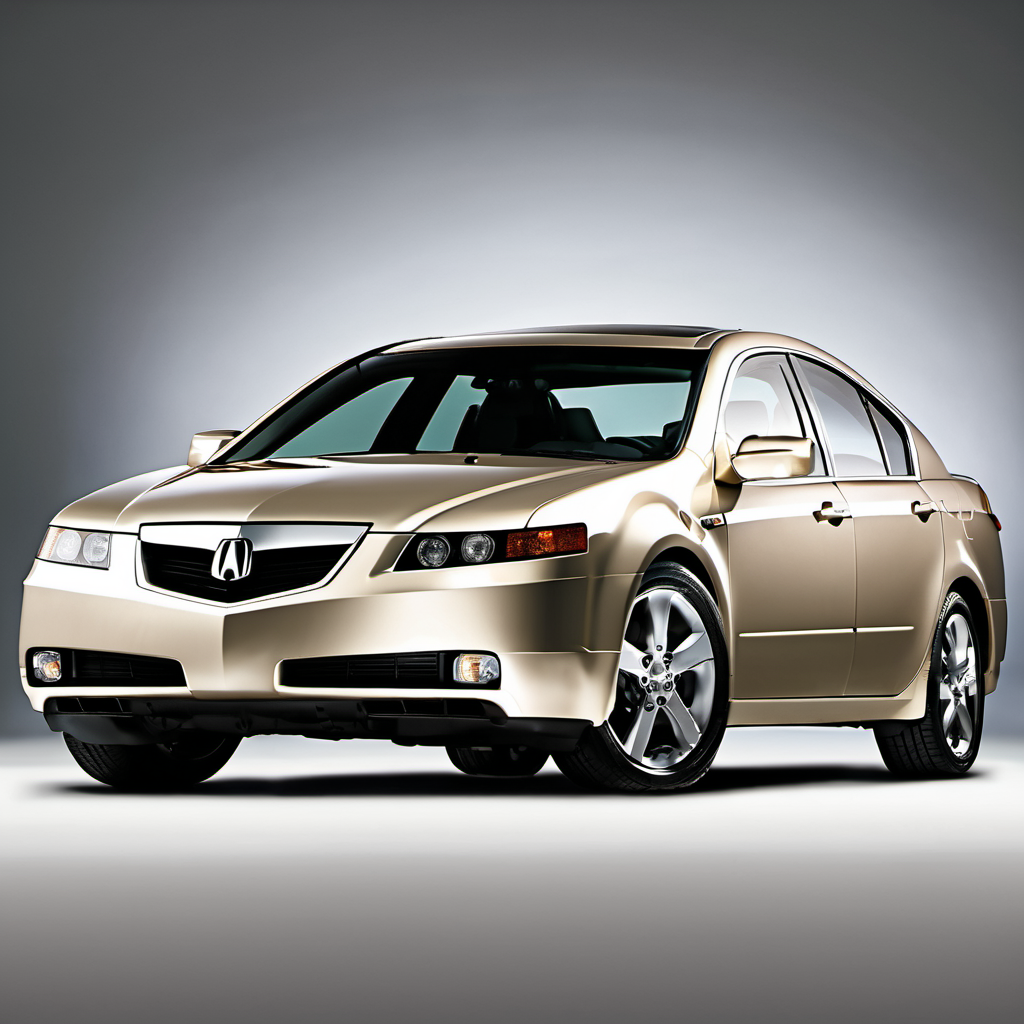
A step down in price and prestige but similar Japanese reliability and luxury features. FWD platform, so winter traction is better without dedicated snow tires. Simpler powertrain, lower ownership costs.