2007 Saab 9-3 Wagon

2007 Saab

9-3Wagon

Wagon

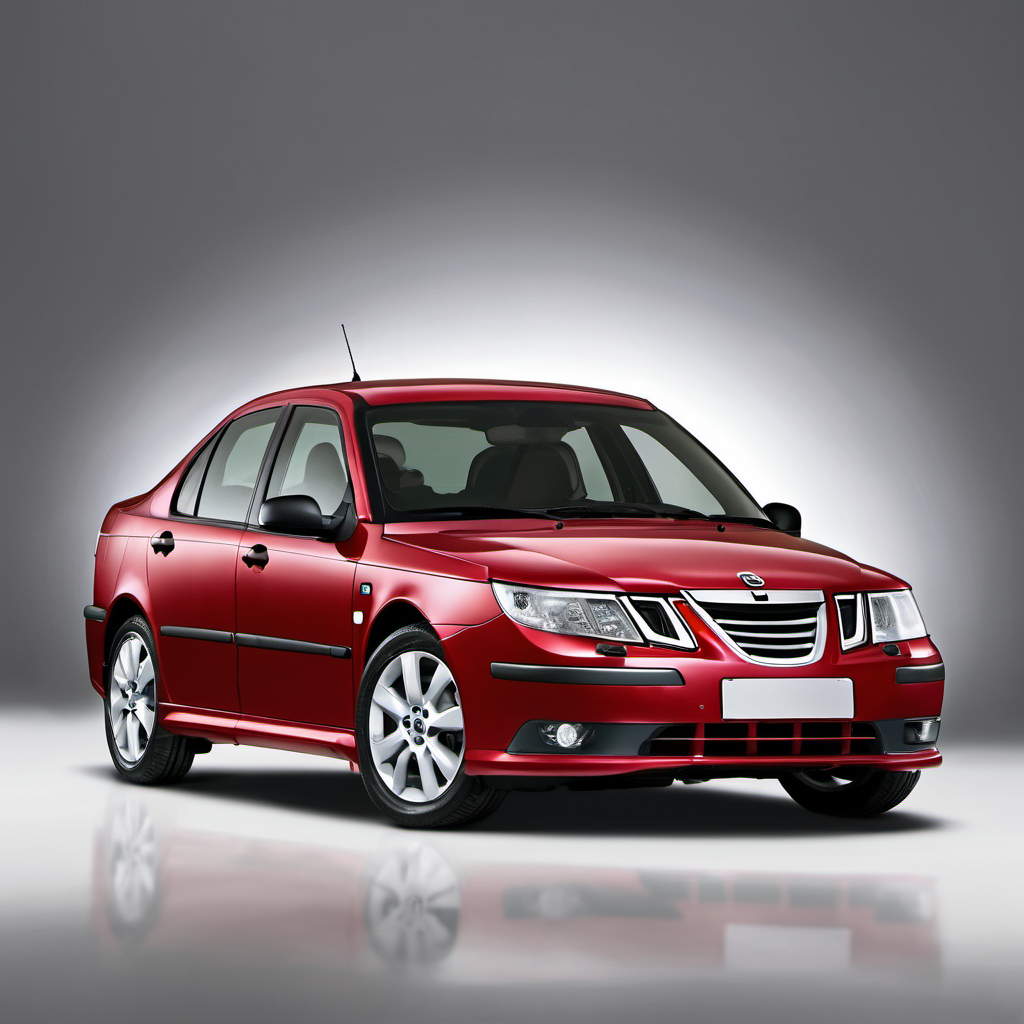
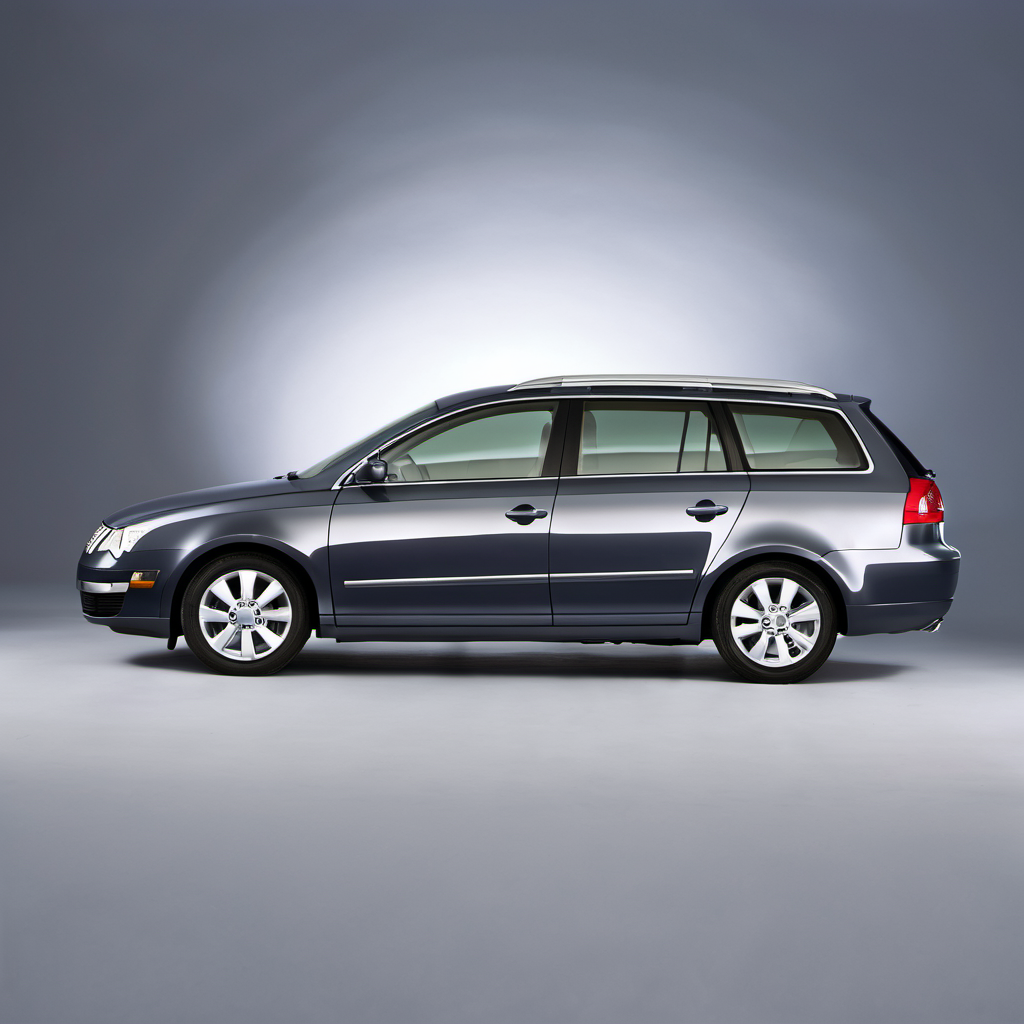
The 2007 Saab 9-3 SportCombi (Wagon) is a European-flavored compact wagon that blends genuine driving enthusiasm with practical cargo space. Built on the GM Epsilon platform and powered by a turbocharged 2.0L four-cylinder, it offers a sporty, driver-focused experience uncommon in its class. It was Saab's answer to the Audi A4 Avant and Volvo V50 — smaller footprint, premium feel, and a turbocharged personality that rewards attentive drivers. By 2007 the 9-3 was a mature, third-year refresh of the second-generation model, meaning most early teething issues had been sorted. GM's ownership of Saab meant parts sharing with other GM platforms (which can help sourcing), but it also introduced some reliability patterns inconsistent with Saab's older independent identity. The wagon body adds versatility without meaningfully hurting dynamics. The elephant in the room is Saab's 2011 bankruptcy. The brand no longer exists, which means dealer support is gone, and some specialty parts require hunting through independent Saab specialists or online salvage networks. That said, a well-maintained example with a knowledgeable independent shop behind it can still be a rewarding, distinctive ownership experience.

Reliability
3/5
Verified data
Specs shown for 9-3 Convertible — the most common configuration. Other trims may vary in engine, drivetrain, or fuel economy. Sign in to see your vehicle's exact specs.
Engine
[object Object]
Drivetrain
FWD
Fuel
Premium gasoline
MPG
18 city / 27 hwy / 21 combined
Seats
Doors
Body
Subcompact Cars

Overview

AI-curated

The 2007 Saab 9-3 SportCombi (Wagon) is a European-flavored compact wagon that blends genuine driving enthusiasm with practical cargo space. Built on the GM Epsilon platform and powered by a turbocharged 2.0L four-cylinder, it offers a sporty, driver-focused experience uncommon in its class. It was Saab's answer to the Audi A4 Avant and Volvo V50 — smaller footprint, premium feel, and a turbocharged personality that rewards attentive drivers. By 2007 the 9-3 was a mature, third-year refresh of the second-generation model, meaning most early teething issues had been sorted. GM's ownership of Saab meant parts sharing with other GM platforms (which can help sourcing), but it also introduced some reliability patterns inconsistent with Saab's older independent identity. The wagon body adds versatility without meaningfully hurting dynamics. The elephant in the room is Saab's 2011 bankruptcy. The brand no longer exists, which means dealer support is gone, and some specialty parts require hunting through independent Saab specialists or online salvage networks. That said, a well-maintained example with a knowledgeable independent shop behind it can still be a rewarding, distinctive ownership experience.

Known for
  • Turbocharged performance with a linear, usable power band
  • Distinctive Swedish design — practical yet genuinely stylish
  • Surprisingly roomy cargo area for its exterior size
  • Driver-focused ergonomics with Saab's signature ignition placement
Best for
  • Drivers who want European sport-wagon character without Audi/BMW prices
  • Smaller families needing practical cargo space with a fun-to-drive edge
  • Owners willing to use a dedicated independent Saab specialist
  • Enthusiasts who value distinctiveness over resale value
Watch for
  • Parts availability shrinking every year — Saab no longer exists as a brand
  • Turbo system wear is the single biggest cost driver on high-mileage examples
  • Electrical gremlins tied to aging GM-era modules and connectors
  • Finding a shop with Saab-specific diagnostic knowledge (TECH2 or equivalent)

Common issues by mileage

6 known

Direct Ignition (DI) Cassette Failure

high
Typically appears
60–120k mi
Estimated repair
$300 – $650

Turbocharger Oil Feed Line Sludging / Turbo Failure

medium
Typically appears
80–140k mi
Estimated repair
$900 – $2,200

Camshaft Position / Variable Valve Timing (SID) Solenoid Issues

medium
Typically appears
70–120k mi
Estimated repair
$200 – $700

Throttle Body / Throttle Body Sensor Failure

medium
Typically appears
60–100k mi
Estimated repair
$250 – $550

Rear Suspension Bushing and Control Arm Wear

high
Typically appears
70–110k mi
Estimated repair
$350 – $900

Oxygen Sensor / Heater Circuit Faults

medium
Typically appears
80–130k mi
Estimated repair
$150 – $400

Maintenance schedule

  1. 1
    Every 5,000 miles or 6 months Engine oil and filter change — use full synthetic 5W-30 meeting GM dexos1 or equivalent

    The turbocharger depends entirely on clean oil. Extended oil changes on a turbo engine accelerate sludge buildup in the turbo feed line — the leading cause of premature turbo failure on this platform.

  2. 2
    Inspect at 60k mi; replace as needed Inspect and replace Direct Ignition (DI) cassette if misfires develop

    The DI cassette (coil pack covering all four cylinders) is a known wear item unique to Saab. Misfires under load are the primary symptom. Catching it early prevents catalytic converter damage.

  3. 3
    Every 30,000 miles Spark plug replacement

    Turbocharged engines are harder on plugs than naturally aspirated ones. Iridium plugs are strongly preferred. Worn plugs compound DI cassette stress.

  4. 4
    Every 60,000 miles or at first sign of cracking/glazing Serpentine belt and tensioner inspection

    Tensioner failure is a known issue; a snapped belt in a Wisconsin winter leaves you stranded and can cause secondary engine damage.

  5. 5
    Every 2 years regardless of mileage Brake fluid flush

    Brake fluid absorbs moisture over time, lowering the boiling point. Wisconsin winter driving with repeated hard stops (salt-coated rotors, ice braking) accelerates this.

  6. 6
    Every 5 years or 100,000 miles Coolant system flush and inspection of hoses/clamps

    Aging GM-era coolant hoses can become brittle in extreme cold. A coolant failure in sub-zero temps causes rapid overheating and potential head gasket damage.

  7. 7
    Every 2 years / at every tire rotation Inspect front and rear suspension bushings, strut mounts, and control arm bushings

    Wisconsin road salt and freeze-thaw cycles accelerate rubber bushing degradation. Worn rear bushings cause handling vagueness and uneven tire wear.

  8. 8
    Every 15,000–20,000 miles Cabin air filter and pollen filter replacement

    A clogged cabin filter reduces defroster effectiveness — a real safety issue when you need fast demist on cold Wisconsin mornings.

Always defer to the manufacturer's service manual for warranty-mandated intervals.

Cost of ownership

Annual maintenance
$800 – $1,800
Fuel
Premium (91 octane) recommended to protect the turbo and maintain rated power. At 21 MPG combined and ~15,000 miles/year, budget roughly $2,400–$2,900/year depending on pump prices.
Insurance
Typically moderate — the 9-3 is low-theft-risk and has a small ownership pool. Expect $900–$1,400/year for a driver with a clean record in the Lake Geneva area, though actual quotes vary.

Day-to-day costs are manageable if the car is in good shape, but the Saab tax is real: specialty parts (DI cassettes, turbo components, Saab-specific sensors) cost more than equivalent Honda or Toyota parts, and fewer shops can work on them competently. Budget for a larger repair fund than you would on a mainstream vehicle. A poorly maintained example can easily hit $3,000–$5,000 in catch-up repairs in year one.
Seasonal care

Lake Geneva, WI
Winter
  • Switch to a full synthetic 5W-30 before temps drop below 20°F — cold cranking on a turbo engine with thick oil delays oil pressure to the turbo bearings.
  • Test the battery every fall. Cold-cranking amps drop sharply below 0°F; Saab's electrical system is sensitive to low voltage and can trigger module faults.
  • Flush and top off washer fluid with a -20°F or colder rated formula — Wisconsin winters regularly exceed standard -10°F fluid limits.
  • Inspect and replace wiper blades before first snow; consider winter-specific blades to prevent frame icing that streaks the windshield.
  • Check underbody and wheel well liners for damage; road salt intrusion accelerates rust on the unibody floor and subframe mounting points — inspect these areas proactively.
  • After startup in extreme cold, allow 60–90 seconds of idle before driving hard to get oil circulating through the turbocharger before loading it.
Summer
  • Check tire pressure monthly — pressure rises ~1 PSI per 10°F of temperature increase, and underinflation from a cold winter morning becomes overinflation in July heat.
  • Inspect the A/C system for refrigerant charge and compressor clutch operation before peak heat; the 9-3's cabin heats quickly with a dark interior.
  • Monitor coolant level and keep an eye on the temperature gauge — aging hoses and a 17+ year-old cooling system are more likely to show weakness under summer load.
  • Check that the intercooler is clean and unobstructed; debris accumulation reduces charge-air cooling efficiency and can cause heat-soak knock on hot days.

Comparable vehicles

If you're shopping for one

Red flags
  • No service records or vague 'dealer maintained' claims with no paperwork to back it up.
  • Check engine light on or recently cleared (use a scanner to look for pending codes — camshaft timing and turbo bypass codes are common red flags).
  • Any rust on the subframe, rear suspension mounting points, or floor pan seams.
  • Smoke on cold start or a burning oil smell from the engine bay — likely turbo seal wear.
  • Electrical oddities: instrument cluster glitches, SID (Saab Information Display) failures, or unexplained warning lights.
  • A seller who says 'it just needs a little work' — specialty Saab parts and labor add up fast.
What to inspect
  • Pull the oil filler cap and inspect for sludge or mayo-like buildup — a direct indicator of neglected oil changes that can predict turbo failure.
  • Ask for a full service history; Saab 9-3s from this era live and die by oil change discipline.
  • Have a shop with Saab TECH2 or equivalent GM-platform diagnostic capability perform a full module scan — not just a generic OBD-II read.
  • Start the engine cold and listen for turbo whine, bearing noise, or excessive smoke from the exhaust on initial startup.
  • Inspect the undercarriage, rear wheel wells, and rear subframe mounting points for rust — Wisconsin salt exposure is a serious concern on a 17+ year-old vehicle.
  • Check all four suspension corners for clunks, play, or collapsed bushings; rear control arm bushings are a high-wear item.
AI profile generated 2 hr ago · claude-sonnet-4-6 · v2.