VVT-i Oil Sludge / Camshaft Timing Faults
medium- Typically appears
- 80–150k mi
- Estimated repair
- $400 – $1,800
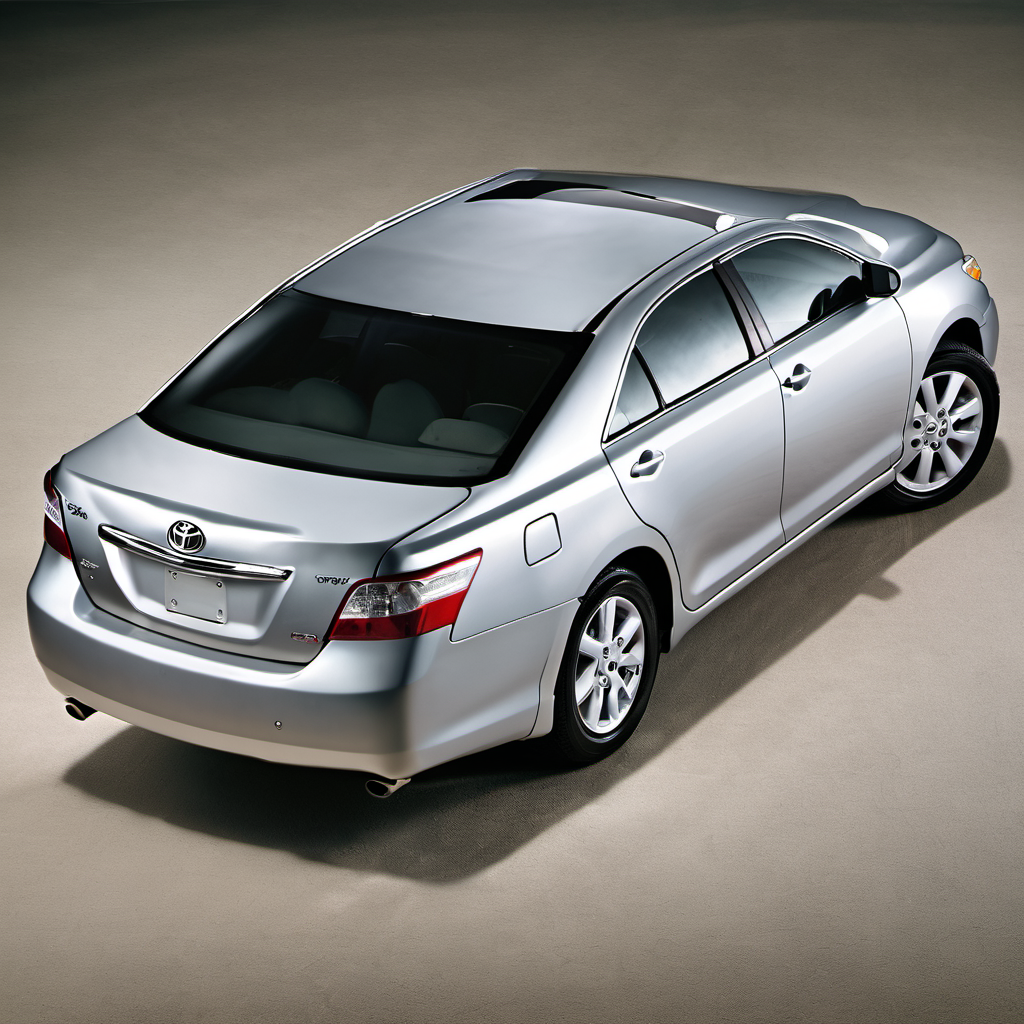
2007 Toyota
2.4L I4 (2AZ-FE) · Sedan
The 2007 Toyota Camry is the first model year of the XV40 generation — a clean-sheet redesign that carried Toyota's best-selling nameplate into a new decade of dominance. It was offered with a 2.4L four-cylinder or a 3.5L V6, both paired with a five-speed automatic. The interior took a notable step up in refinement over its predecessor, and the platform delivered the quiet, composed ride that Camry buyers expected. As a used buy today, the XV40 Camry is genuinely one of the more reliable mid-size sedans you can find at this price point. The 4-cylinder versions in particular are known for racking up high mileage with nothing more than basic maintenance. The V6 adds welcome performance but brings a few additional ownership considerations, particularly around VVT-i oil sludge and the occasional ignition coil. At 15–18 years old, a well-maintained example is still a practical daily driver. Deferred oil changes are the single biggest threat to long-term reliability on this generation — if the service history is unknown, budget for an oil system inspection before buying.
The 2007 Toyota Camry is the first model year of the XV40 generation — a clean-sheet redesign that carried Toyota's best-selling nameplate into a new decade of dominance. It was offered with a 2.4L four-cylinder or a 3.5L V6, both paired with a five-speed automatic. The interior took a notable step up in refinement over its predecessor, and the platform delivered the quiet, composed ride that Camry buyers expected. As a used buy today, the XV40 Camry is genuinely one of the more reliable mid-size sedans you can find at this price point. The 4-cylinder versions in particular are known for racking up high mileage with nothing more than basic maintenance. The V6 adds welcome performance but brings a few additional ownership considerations, particularly around VVT-i oil sludge and the occasional ignition coil. At 15–18 years old, a well-maintained example is still a practical daily driver. Deferred oil changes are the single biggest threat to long-term reliability on this generation — if the service history is unknown, budget for an oil system inspection before buying.
The VVT-i system is the most oil-sensitive part of this engine. Sludge buildup from extended intervals is the #1 cause of expensive camshaft and VVT repairs on this generation. Synthetic oil at 5k intervals is cheap insurance.
A clogged filter hurts fuel economy noticeably on the 2.4L. Easy DIY job; takes five minutes.
The 2AZ-FE uses iridium plugs rated for 60k miles. Worn plugs can mask as misfires or reduced fuel economy. On the V6, also check individual coils at this interval.
Toyota Super Long Life coolant degrades on a schedule. Old coolant becomes acidic and attacks the water pump seal and aluminum surfaces — both expensive repairs on this platform.
Strut mounts wear faster in Wisconsin due to freeze-thaw road damage. Catching a failing mount early prevents strut bearing damage and avoids alignment issues.
Salt-belt brake line corrosion is a real safety issue on cars this age. Moisture-saturated brake fluid also lowers the boiling point, which matters in long downhill winter braking.
Toyota did not list a service interval for ATF on this generation, but real-world experience shows the fluid darkens significantly by 60k. Fresh fluid keeps shift quality smooth and extends transmission life well past 200k.
Wisconsin winters are hard on batteries. A battery that starts the car fine at 60°F can fail at -10°F. If the battery is over 4 years old, test it before November — not after it strands you.
Always defer to the manufacturer's service manual for warranty-mandated intervals.
The 2007 Camry is one of the cheaper mid-size sedans to own annually. Routine maintenance is inexpensive because parts are plentiful and labor time is low. The main financial risk is deferred maintenance catching up — particularly VVT-i repairs on a neglected engine, which can push a single repair bill past $1,000. Keep up with oil changes and this car is very budget-friendly to run.
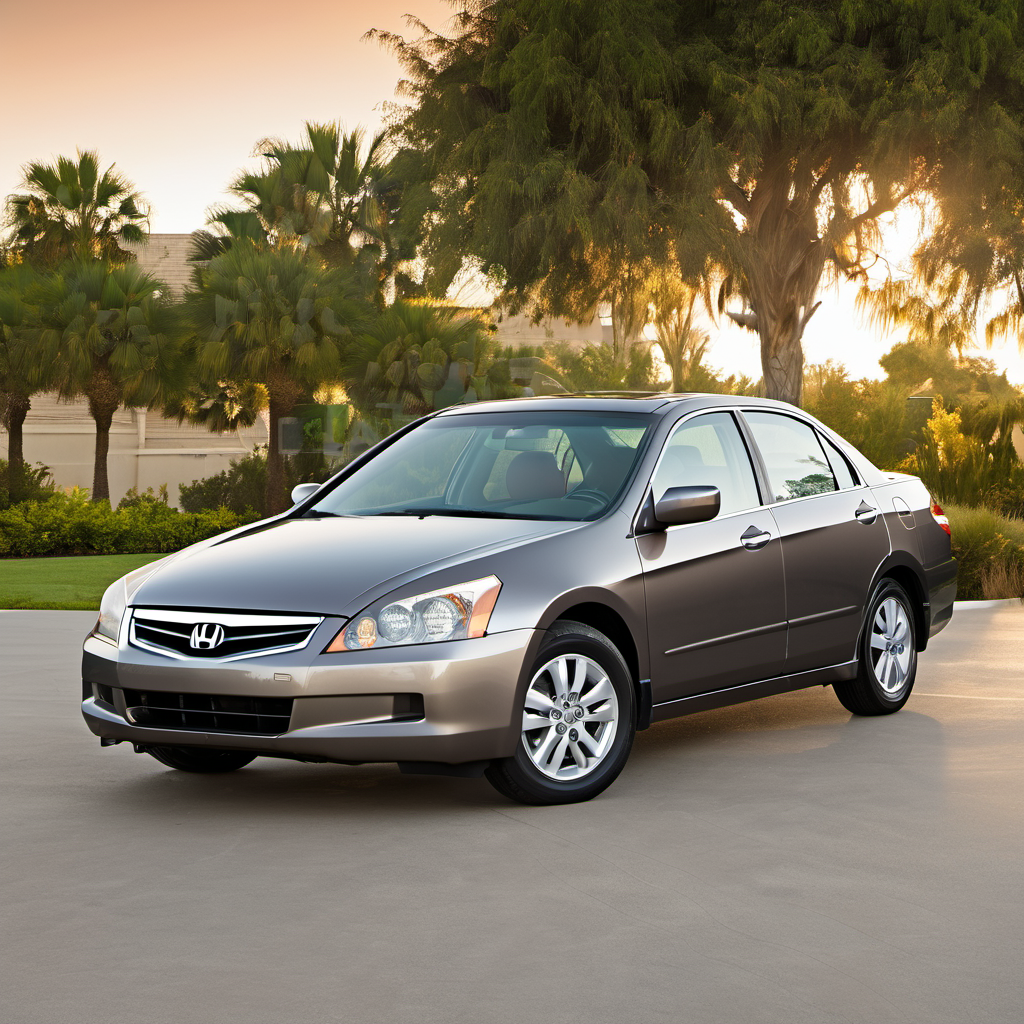
The Accord is the Camry's closest direct competitor in every dimension — price, size, reliability, and parts availability. The 2.4L four-cylinder Accord is slightly more engaging to drive; the Camry is slightly more comfortable. Both are excellent long-term buys at this age.
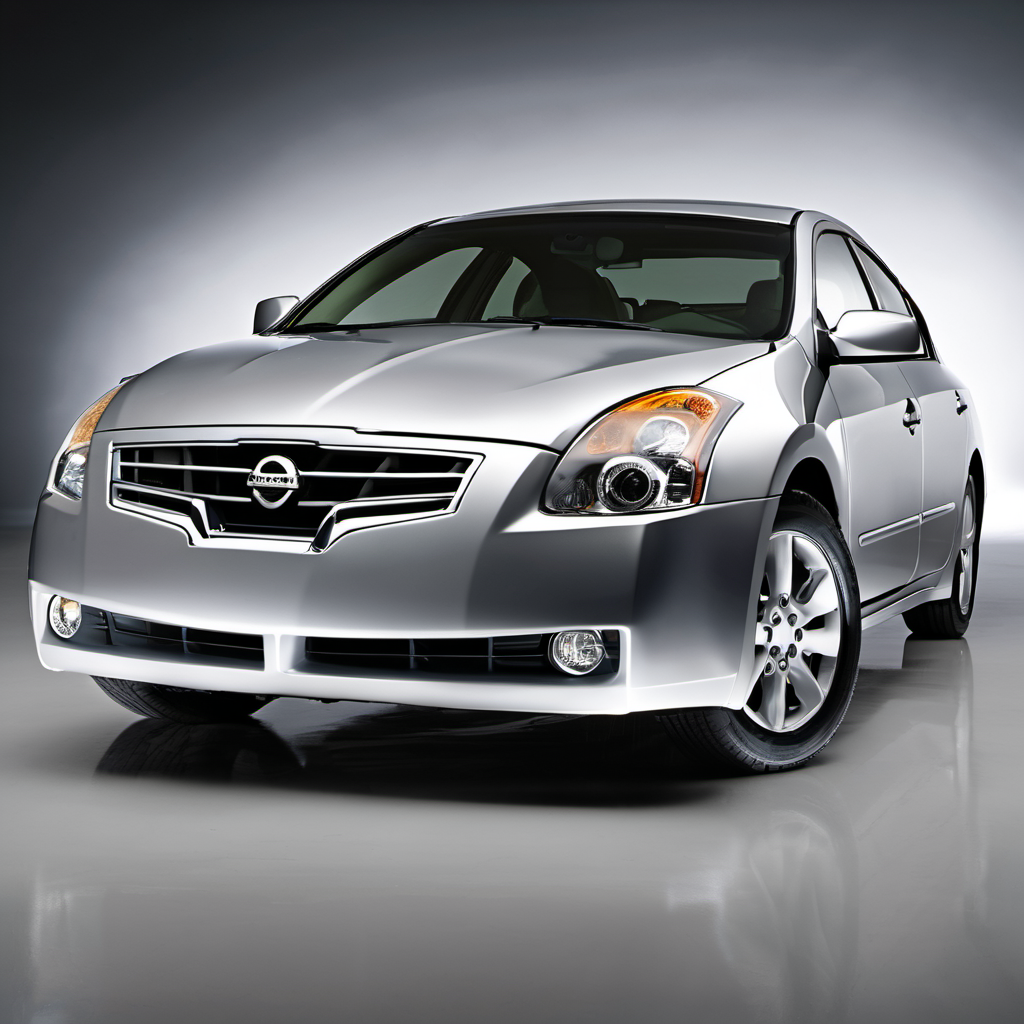
The 2007 Altima was fully redesigned and offers a strong 2.5L four-cylinder and available CVT. Slightly sportier feel than the Camry. The CVT has a shorter service life than the Camry's conventional automatic, so check its history closely.
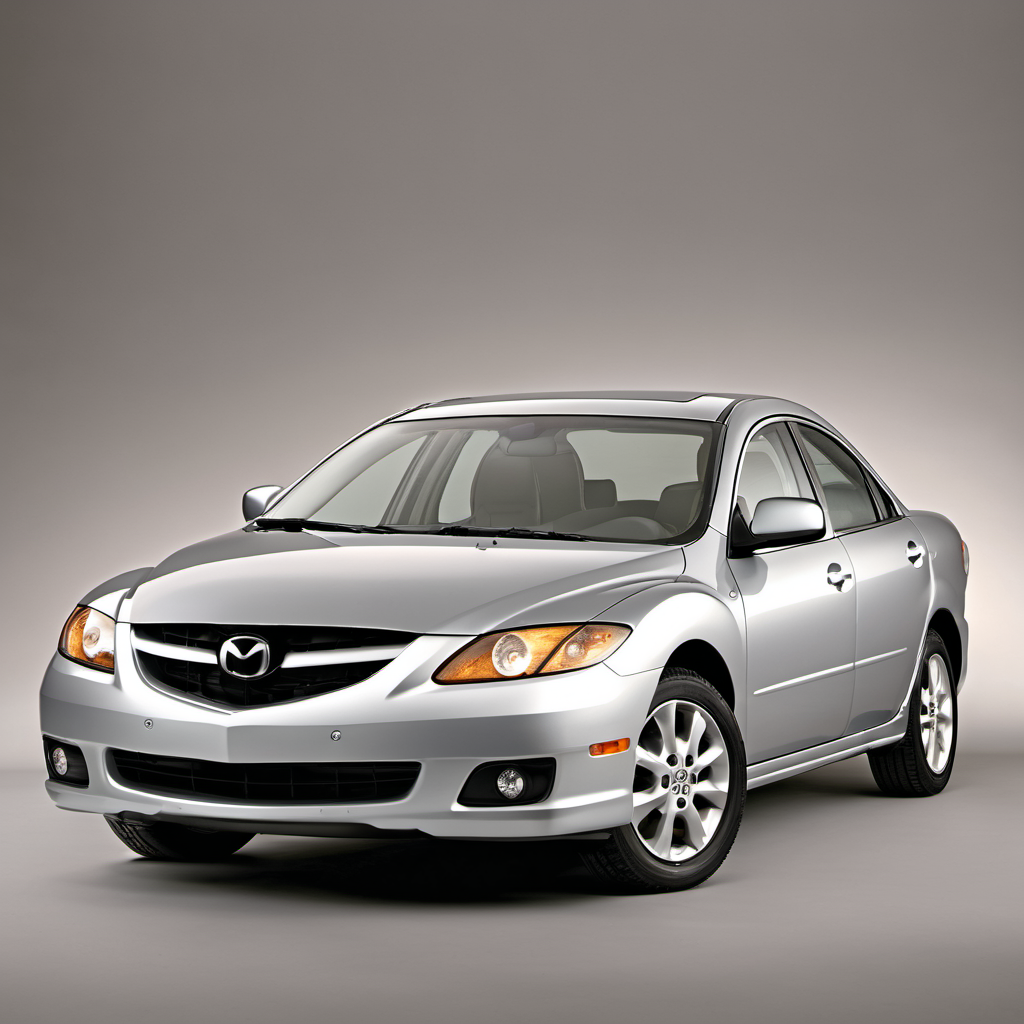
More driver-focused than the Camry with a similar footprint. Generally reliable but parts availability and shop familiarity are lower than Toyota or Honda. A good alternative if driving feel matters more than pure practicality.
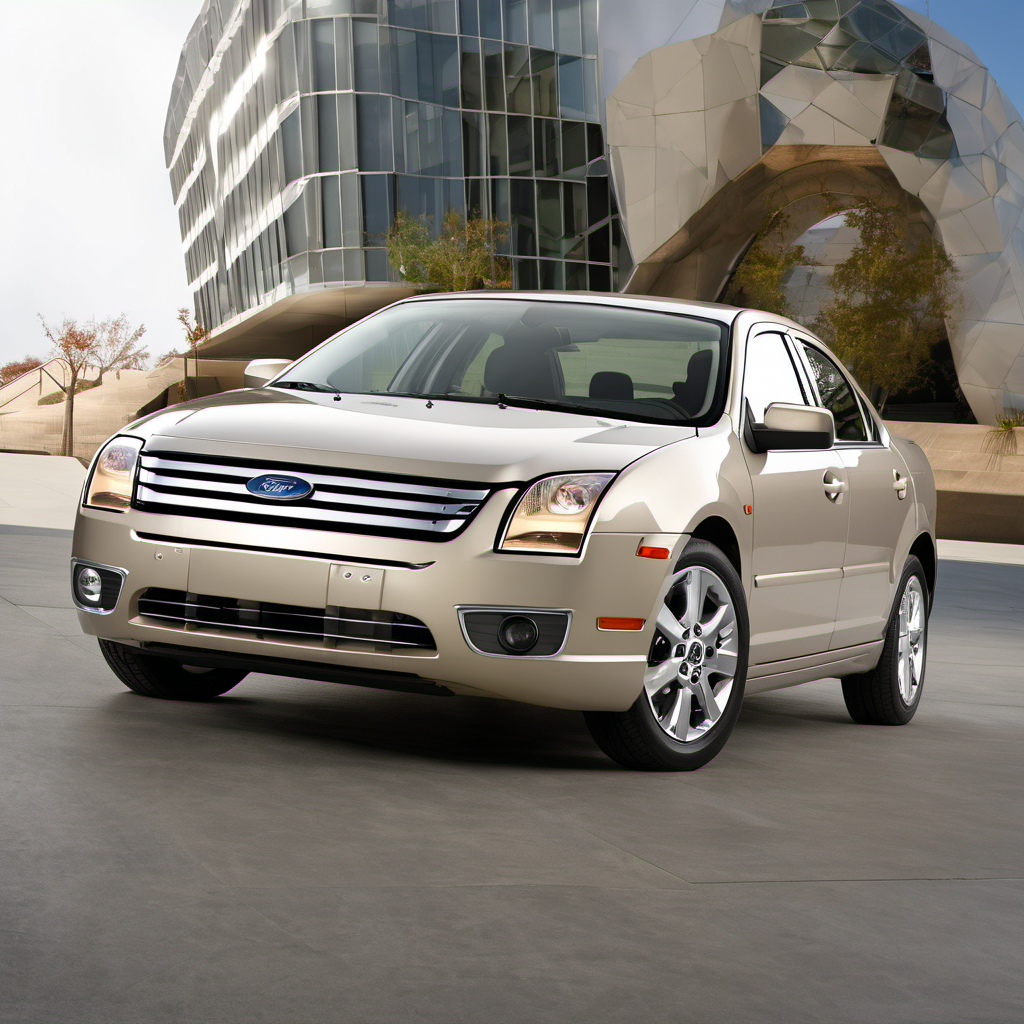
The first-gen Fusion is comfortable, well-built for a domestic mid-sizer, and usually priced below the Camry at this age. Not as proven at 200k+ miles but represents solid value. Available with AWD, which is worth considering for Wisconsin winters.