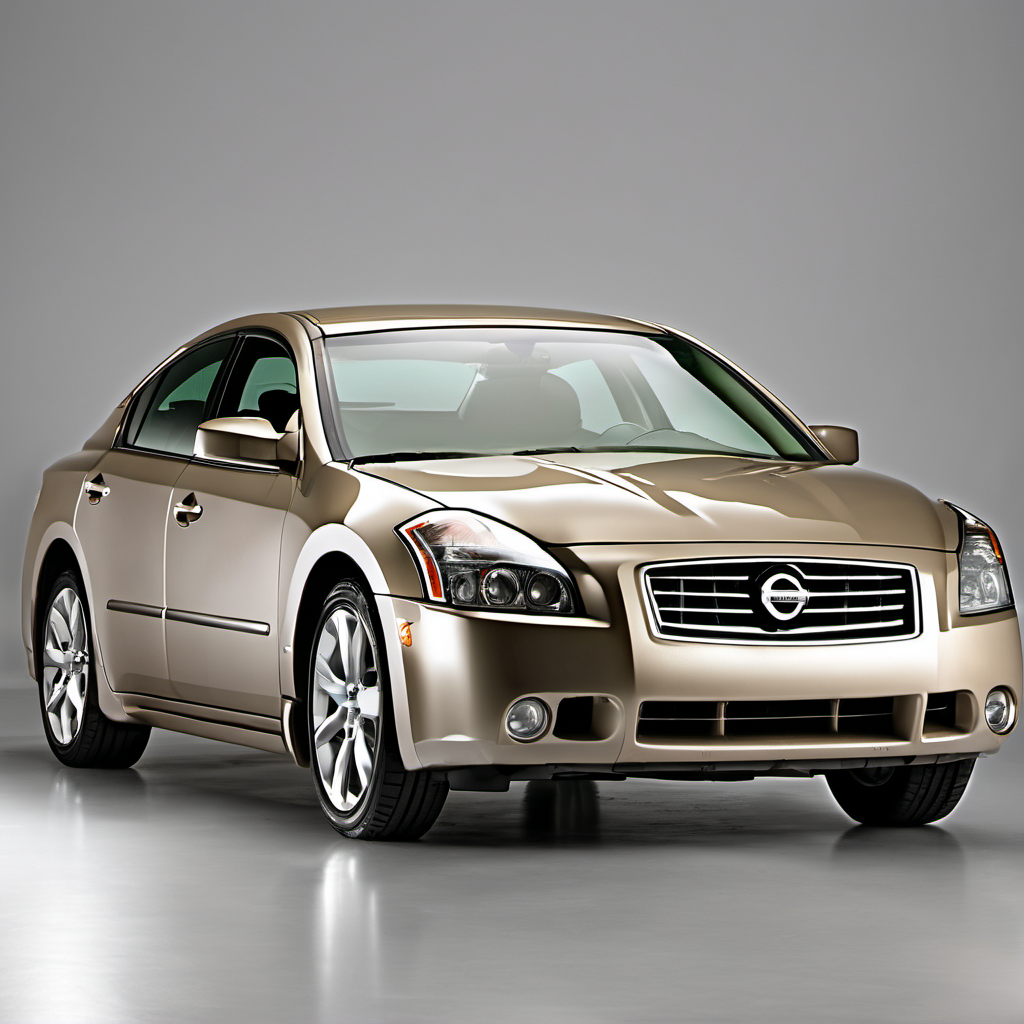
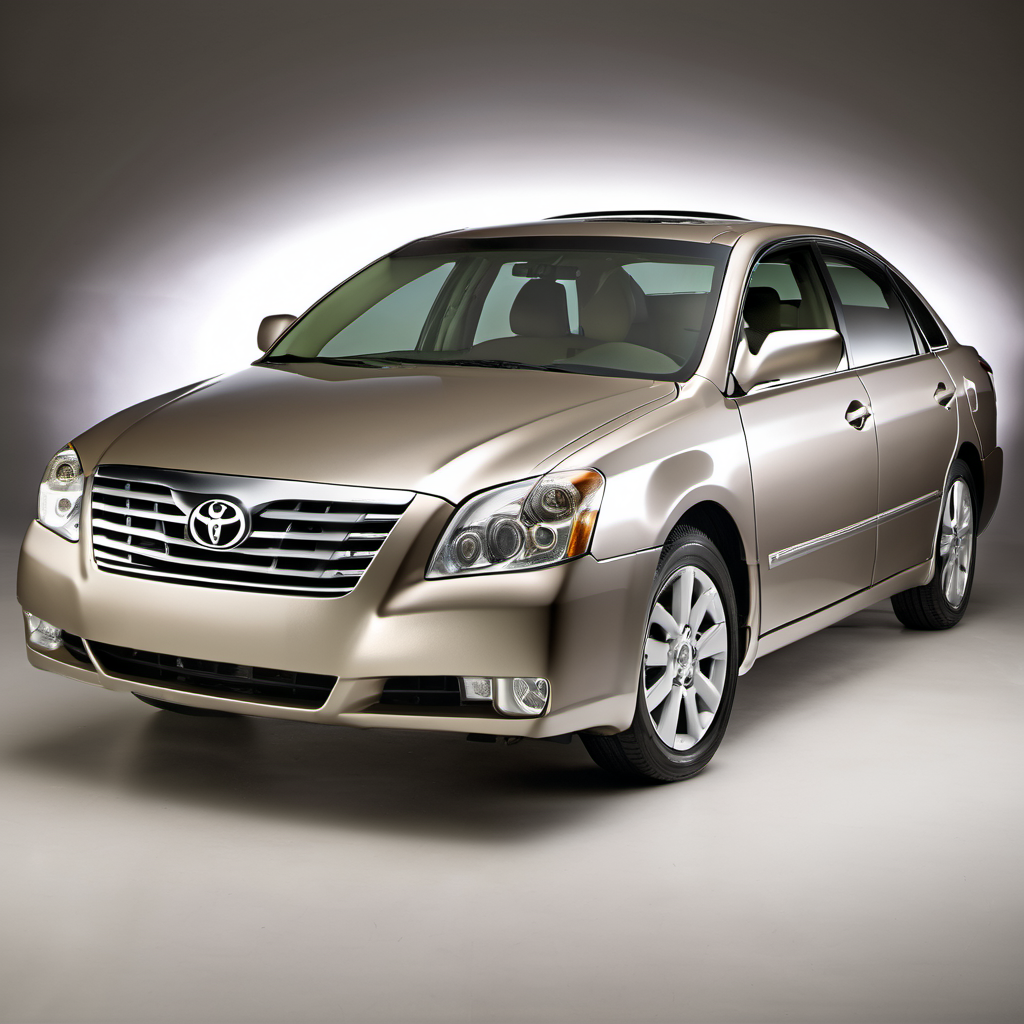
2007 Nissan Maxima Sedan

2007 Nissan

MaximaSedan

Sedan

The 2007 Nissan Maxima is the sixth-generation version of Nissan's flagship front-wheel-drive sport sedan. Powered by a 3.5L VQ35DE V6 mated to a CVT or 6-speed manual, it sits above the Altima and targets drivers who want near-luxury performance without the luxury-brand price tag. The VQ35 engine is one of the most celebrated V6s of its era — smooth, responsive, and genuinely long-lived when maintained properly. This generation (2004–2008) has a bold, aggressive look and a spacious, driver-focused cabin. The Maxima earned a loyal following for its spirited driving feel and highway cruising comfort. That said, the CVT transmission and VQ35's Variable Valve Timing (CVTCS) system are areas to watch carefully as mileage climbs. At 15–17 years old, most examples on the road today are well into high-mileage territory. Condition varies widely. A well-maintained Maxima with documented oil changes can still be an excellent value; a neglected one with VVT sludge or a failing CVT is a money pit. Know which you're looking at before you buy.

Reliability
3/5
Verified data
Specs shown for Maxima — the most common configuration. Other trims may vary in engine, drivetrain, or fuel economy. Sign in to see your vehicle's exact specs.
Engine
[object Object]
Drivetrain
FWD
Fuel
Premium gasoline
MPG
19 city / 25 hwy / 21 combined
Seats
Doors
Body
Midsize Cars

Overview

AI-curated

The 2007 Nissan Maxima is the sixth-generation version of Nissan's flagship front-wheel-drive sport sedan. Powered by a 3.5L VQ35DE V6 mated to a CVT or 6-speed manual, it sits above the Altima and targets drivers who want near-luxury performance without the luxury-brand price tag. The VQ35 engine is one of the most celebrated V6s of its era — smooth, responsive, and genuinely long-lived when maintained properly. This generation (2004–2008) has a bold, aggressive look and a spacious, driver-focused cabin. The Maxima earned a loyal following for its spirited driving feel and highway cruising comfort. That said, the CVT transmission and VQ35's Variable Valve Timing (CVTCS) system are areas to watch carefully as mileage climbs. At 15–17 years old, most examples on the road today are well into high-mileage territory. Condition varies widely. A well-maintained Maxima with documented oil changes can still be an excellent value; a neglected one with VVT sludge or a failing CVT is a money pit. Know which you're looking at before you buy.

Known for
  • Silky, powerful 3.5L VQ35DE V6 engine
  • Driver-focused sport sedan feel for an FWD car
  • Spacious rear seat and premium interior for its class
  • Strong highway cruising comfort and refinement
Best for
  • Commuters wanting V6 performance on a budget
  • Highway drivers who rack up miles regularly
  • Buyers who want near-luxury feel without luxury repair bills (if maintained)
Watch for
  • CVT transmission failures, especially above 100k miles
  • VVT/CVTCS system sludge issues from infrequent oil changes
  • Rust on underbody and wheel wells — critical in Wisconsin salt country
  • Catalytic converter deterioration on higher-mileage examples

Common issues by mileage

6 known

CVT Transmission Failure / Shudder

high
Typically appears
100–150k mi
Estimated repair
$2,800 – $4,500

VVT / CVTCS System Sludge — Camshaft Timing Codes

high
Typically appears
80–140k mi
Estimated repair
$400 – $1,800

Intake/Exhaust Valve Control Solenoid Failure

medium
Typically appears
80–130k mi
Estimated repair
$250 – $700

Oxygen / A/F Sensor Heater Circuit Failure

medium
Typically appears
90–160k mi
Estimated repair
$150 – $450

Catalytic Converter Degradation

medium
Typically appears
120–180k mi
Estimated repair
$600 – $1,400

Underbody / Subframe Rust (Wisconsin Salt Exposure)

high
Typically appears
60–200k mi
Estimated repair
$300 – $2,500

Maintenance schedule

  1. 1
    Every 5,000 miles or 6 months Engine oil and filter change — use full synthetic 5W-30

    The VQ35DE's CVTCS variable valve timing system is extremely sensitive to oil cleanliness. Dirty oil causes sludge buildup in VVT passages, leading to P0012/P0015/P0022/P0025 codes and costly camshaft work. This is the single most important maintenance item on this car.

  2. 2
    Every 30,000–40,000 miles CVT fluid replacement

    Nissan originally called the CVT fluid 'lifetime,' but real-world experience shows fluid degradation accelerates transmission wear and shudder. Fresh Nissan-spec CVT fluid is cheap insurance against a $3,000+ replacement.

  3. 3
    Every 105,000 miles (or sooner if misfires present) Spark plug replacement — use OEM Iridium plugs

    The VQ35 uses iridium plugs rated for 105k miles. Worn plugs cause misfires, rough idle, and put extra load on the catalytic converters. Use OEM or OEM-equivalent iridium — this engine is picky about plug gap.

  4. 4
    Every 15,000–20,000 miles Cabin and engine air filter replacement

    Wisconsin road grime and salt dust load filters faster than average. A clogged engine air filter hurts fuel economy noticeably on the VQ35.

  5. 5
    Every 2 years regardless of mileage Brake fluid flush

    Brake fluid absorbs moisture over time, lowering boiling point. In Wisconsin's freeze-thaw cycles, degraded fluid also increases corrosion risk in brake lines and calipers.

  6. 6
    Every winter and spring Underbody wash and inspection

    Lake Geneva roads are heavily salted. Inspect subframe, brake lines, fuel lines, and exhaust hangers each spring. Address surface rust before it becomes structural rust.

  7. 7
    Every 50,000 miles or 5 years Coolant flush

    Nissan's long-life coolant degrades past its service window on older vehicles. Old coolant becomes acidic and attacks aluminum engine components.

  8. 8
    Every 60,000 miles Serpentine belt and tensioner inspection

    Belt cracking and tensioner wear are common at this mileage band. A snapped belt on the VQ35 leaves you stranded and can cause secondary damage.

Always defer to the manufacturer's service manual for warranty-mandated intervals.

Cost of ownership

Annual maintenance
$600 – $1,400
Fuel
Requires premium gasoline. At 21 combined MPG and ~12,000 miles/year, expect roughly $1,800–$2,200/year depending on pump prices.
Insurance
Typically $900–$1,400/year in the Lake Geneva area for a driver with a clean record, depending on coverage level. Sport sedan classification can push rates slightly higher.

Day-to-day costs are moderate if you stay on top of oil changes and CVT fluid. The big risk is deferred maintenance catching up — a CVT replacement or VVT sludge job can run $3,000–$4,500 and often exceeds the car's market value at this age. Budget for those contingencies before buying. Fuel costs are a real factor: premium-only at 21 combined MPG adds up versus competitors.
Seasonal care

Lake Geneva, WI
Winter
  • Switch to full synthetic 5W-30 oil before first hard freeze — it flows immediately at sub-zero starts and protects the VVT system during cold cranking.
  • Test and replace the battery if it's over 4 years old. The VQ35 is a strong cold-weather starter, but a weak battery will let you down at -10°F.
  • Install dedicated winter tires. The Maxima is FWD, which helps traction, but the stock all-season tires lose grip below 45°F and are especially poor on packed snow.
  • Top off with -40°F rated washer fluid and replace wiper blades with winter-style blades to handle heavy slush and salt spray.
  • Rinse the undercarriage thoroughly after every significant salt event — pay special attention to the subframes, brake lines, and CVT cooler lines.
  • Check antifreeze concentration — should protect to at least -34°F. Old coolant may test weaker than expected on a 2007.
Summer
  • Check tire pressure monthly — every 10°F rise in temperature adds roughly 1 PSI. Overinflated tires on hot pavement increase wear and reduce grip.
  • Inspect the A/C system for refrigerant leaks before peak heat. The Maxima's cabin heats up quickly with a dark interior; a weak A/C makes it miserable in a Wisconsin July.
  • Check coolant level and condition — summer heat soak is hardest on aging cooling systems. Look for any seepage around hoses and the thermostat housing.
  • Inspect brake pads and rotors — summer is the season for spirited driving, and the Maxima's weight (3,478 lbs) means brake wear matters.

Comparable vehicles

If you're shopping for one

Red flags
  • Any CVT shudder, slip, or hesitation on the test drive — walk away unless priced to absorb a $3,000–$4,500 transmission replacement.
  • VVT timing codes (P0012, P0015, P0022, P0025) without a clear, recent repair history — could mean deep sludge requiring engine teardown.
  • Heavy underbody rust, particularly on subframe or brake lines — structural rust is a safety issue and often costs more to fix than the car is worth.
  • No maintenance records and high mileage (120k+) — the two biggest risk factors combined make this a gamble.
  • Oil that looks like coffee grounds or has a milky texture in the reservoir — signs of internal engine contamination.
What to inspect
  • CVT operation: drive at highway speed and check for shudder, hesitation, or slipping. Any of these symptoms mean CVT wear is underway.
  • Pull the oil cap and check for sludge — heavy buildup on the cap or inside the valve cover indicates VVT-damaging oil neglect.
  • Scan for active or pending DTCs, especially P0012, P0015, P0022, P0025 (VVT timing) and P0026–P0029 (valve control solenoids).
  • Inspect the underbody, subframe mounting points, and brake/fuel lines for rust perforation — this is the #1 killer of Wisconsin-winter Maximas.
  • Ask for oil change records. This car rewards meticulous owners and punishes negligent ones — documentation matters more than on most vehicles.
  • Check the A/C compressor engagement and listen for bearing noise — replacements are moderately expensive on this platform.
AI profile generated 10 days ago · claude-sonnet-4-6 · v2.