PCV / Oil Trap System Failure
high- Typically appears
- 60–120k mi
- Estimated repair
- $300 – $700
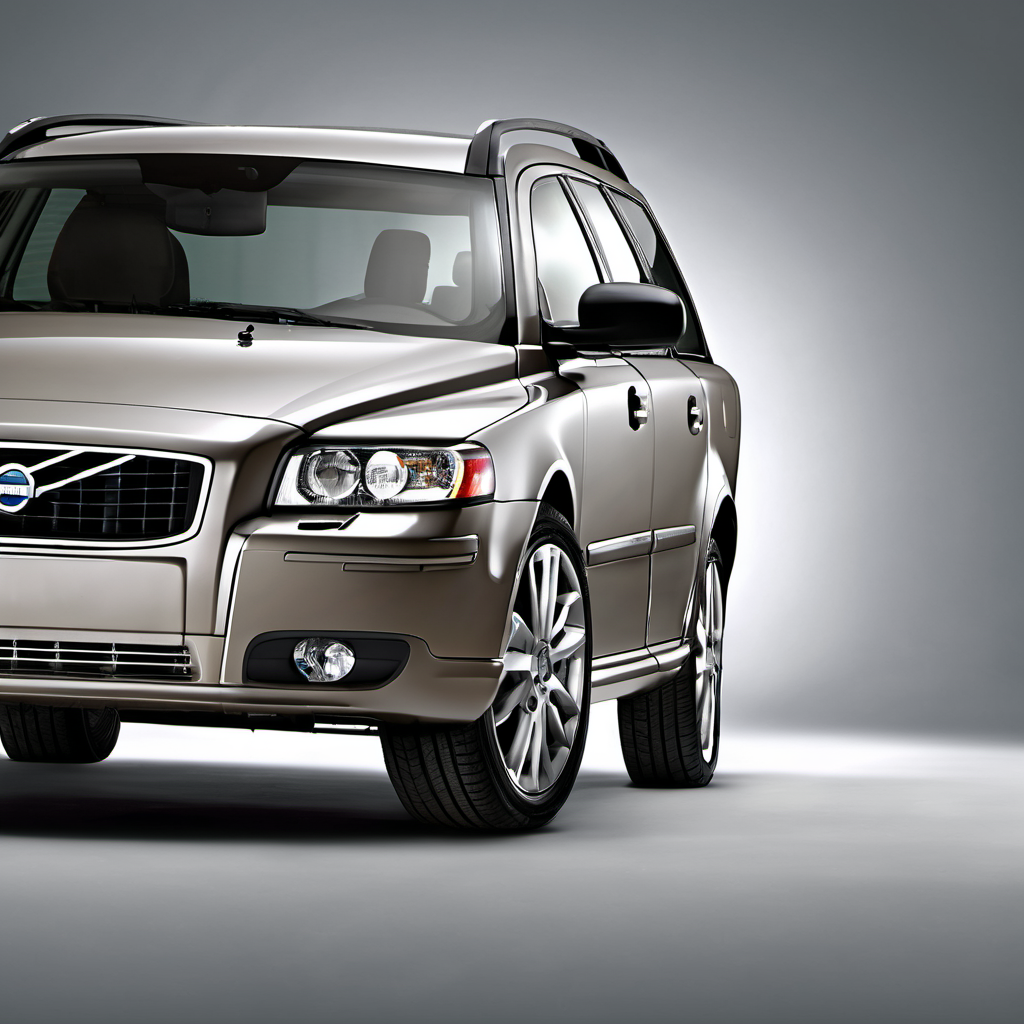
2007 Volvo
Wagon
The 2007 Volvo V50 is a compact European wagon built on the Ford C1 platform shared with the Mazda 3 and Ford Focus of that era. Volvo positioned it as an entry-level sport wagon, offering a European driving feel, decent cargo utility, and Scandinavian safety credentials in a smaller footprint than the V70. The AWD T5 variant pairs a turbocharged 2.5L inline-five — the same basic unit found in the S40 T5 and XC90 T6 — with a 5-speed Geartronic automatic and Haldex-based all-wheel drive, making it an appealing year-round driver in the upper Midwest. For its size, the V50 punches above its weight in perceived quality and safety. Rear seat room is tight for adults, and cargo volume trails domestic competitors, but the driving dynamics and cabin refinement are genuinely above average for the class. The turbo five sounds characterful and pulls strongly once on boost. The ownership catch is a higher-than-average maintenance and repair cost relative to Japanese alternatives. Volvo specialty knowledge is required for many repairs, and parts sourcing can add time and cost. Buyers who stay on top of oil changes and address small issues early are rewarded with a durable, satisfying car; neglect tends to cascade quickly on this platform.
The 2007 Volvo V50 is a compact European wagon built on the Ford C1 platform shared with the Mazda 3 and Ford Focus of that era. Volvo positioned it as an entry-level sport wagon, offering a European driving feel, decent cargo utility, and Scandinavian safety credentials in a smaller footprint than the V70. The AWD T5 variant pairs a turbocharged 2.5L inline-five — the same basic unit found in the S40 T5 and XC90 T6 — with a 5-speed Geartronic automatic and Haldex-based all-wheel drive, making it an appealing year-round driver in the upper Midwest. For its size, the V50 punches above its weight in perceived quality and safety. Rear seat room is tight for adults, and cargo volume trails domestic competitors, but the driving dynamics and cabin refinement are genuinely above average for the class. The turbo five sounds characterful and pulls strongly once on boost. The ownership catch is a higher-than-average maintenance and repair cost relative to Japanese alternatives. Volvo specialty knowledge is required for many repairs, and parts sourcing can add time and cost. Buyers who stay on top of oil changes and address small issues early are rewarded with a durable, satisfying car; neglect tends to cascade quickly on this platform.
The turbo I5 is sludge-prone if oil degrades. Short intervals prevent the PCV and oil trap from fouling and protect turbo bearings. Do not stretch to 10k on a used example with unknown history.
This is an interference engine — a snapped belt means bent valves and a possible total loss engine. If records are missing on a used purchase, replace immediately regardless of mileage.
The Haldex unit has its own small fluid reservoir that degrades independently of the transmission fluid. Skipping this service is the single most common cause of AWD coupling failure on these wagons.
Volvo's PCV system on the turbo I5 is a known weak point. A clogged trap causes crankcase pressure to push oil past seals and into the intake, leading to consumption, smoking, and eventually turbo damage.
The turbo environment accelerates plug wear. Fresh plugs maintain combustion efficiency, reduce stress on the ignition coils, and keep the turbo running cleanly.
Volvo specifies this interval. Moisture-saturated fluid lowers boiling point and can contribute to ABS/stability control misbehavior — especially important in Wisconsin's wet and winter conditions.
Salt air and road debris from Wisconsin winters accelerate filter fouling. A dirty engine air filter stresses the turbo; a clogged cabin filter reduces defroster effectiveness when you need it most.
Degraded coolant accelerates corrosion in the aluminum-heavy engine. The water pump (replaced with the timing belt) is coolant-driven, so maintaining clean coolant is cost-effective protection.
Always defer to the manufacturer's service manual for warranty-mandated intervals.
The V50 T5 AWD costs more to maintain than Japanese compact wagons, but less than a German equivalent. The biggest budget risks are deferred timing belt work, Haldex fluid neglect, and PCV failure cascading into turbo damage. A well-maintained example with documented history keeps annual costs in the lower range; a neglected one can surprise you with $2,000–$4,000 single-visit bills. Parts availability from Volvo specialists and online suppliers has improved but still adds lead time compared to domestic vehicles.
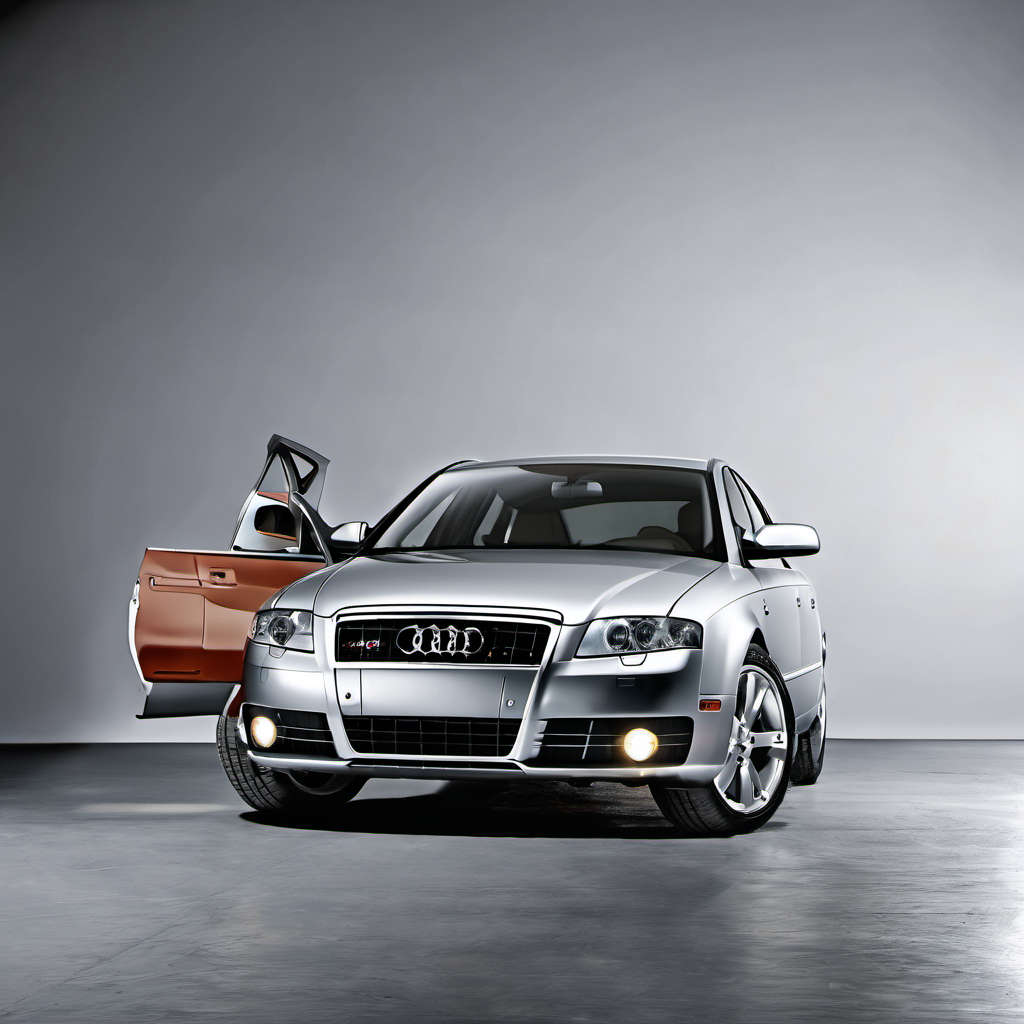
German small wagon with Quattro AWD, similar price point when new, comparable European sport-wagon mission. Maintenance costs are similarly elevated; Audi has stronger long-term parts availability.

All-weather wagon with standard AWD at a lower price. Less refined interior but significantly lower maintenance costs and far easier parts access anywhere in Wisconsin.
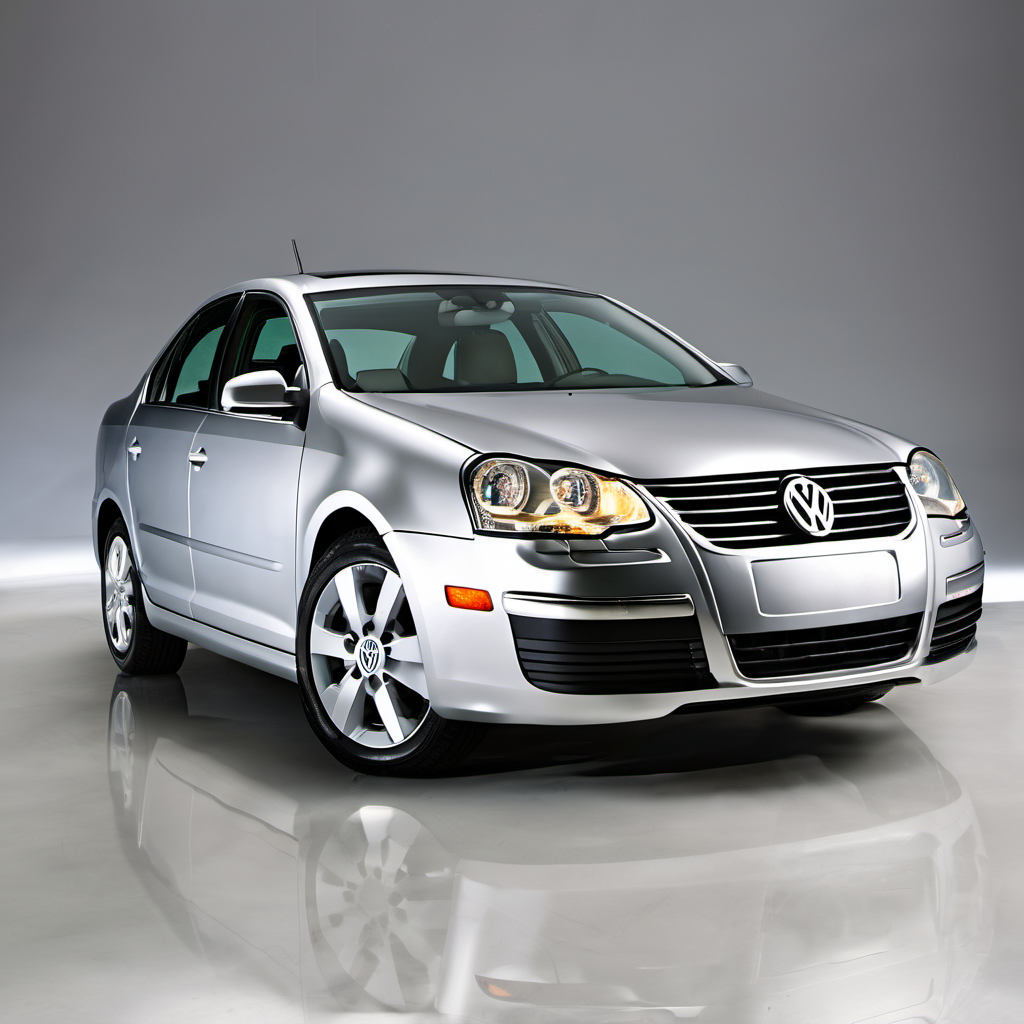
European compact wagon competitor with similar refinement goals. FWD standard but 4Motion AWD available. Parts and specialist access slightly easier than Volvo in the Midwest.
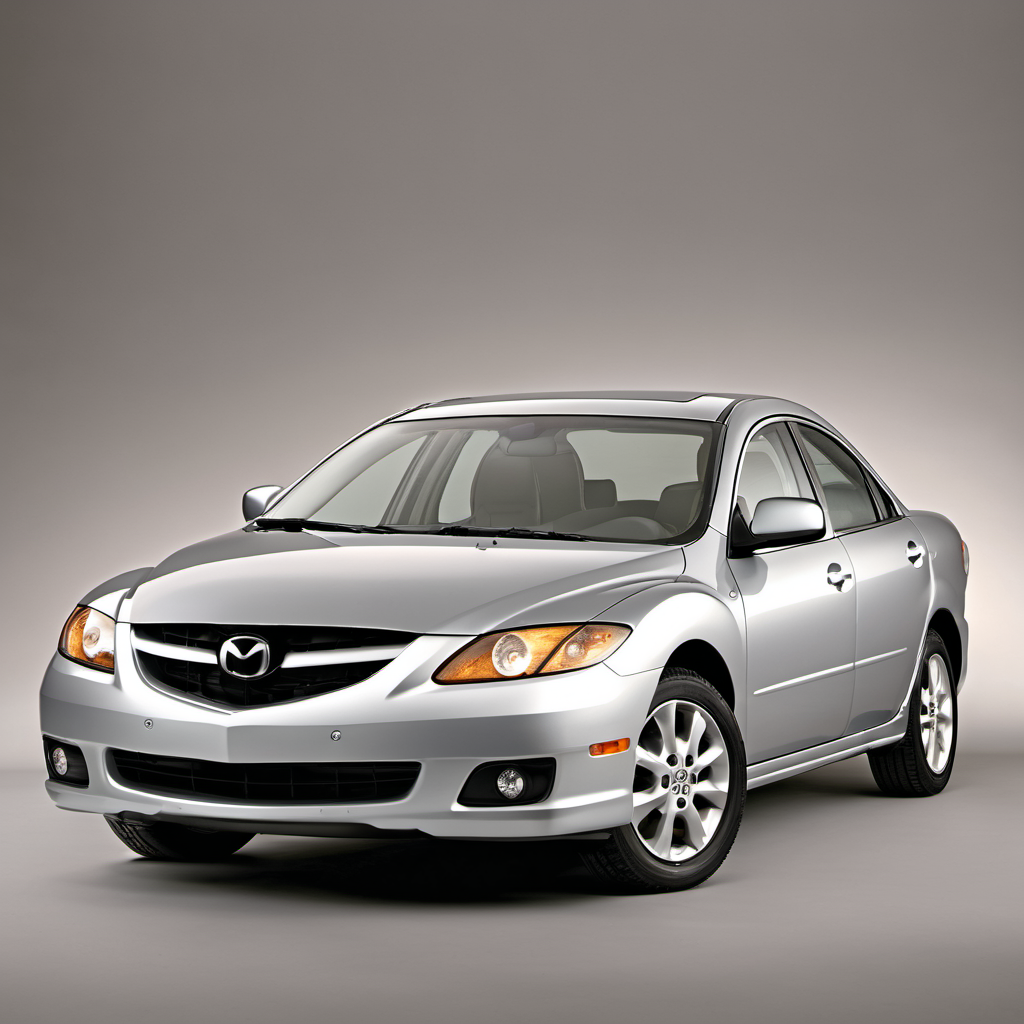
Shares the same Ford-era platform lineage, similar size and mission, lower ownership costs, and better reliability record. Less premium feel but more practical to own long-term.