M272 Balance Shaft Sprocket / Camshaft Adjuster Wear
high- Typically appears
- 80–130k mi
- Estimated repair
- $1,800 – $4,500
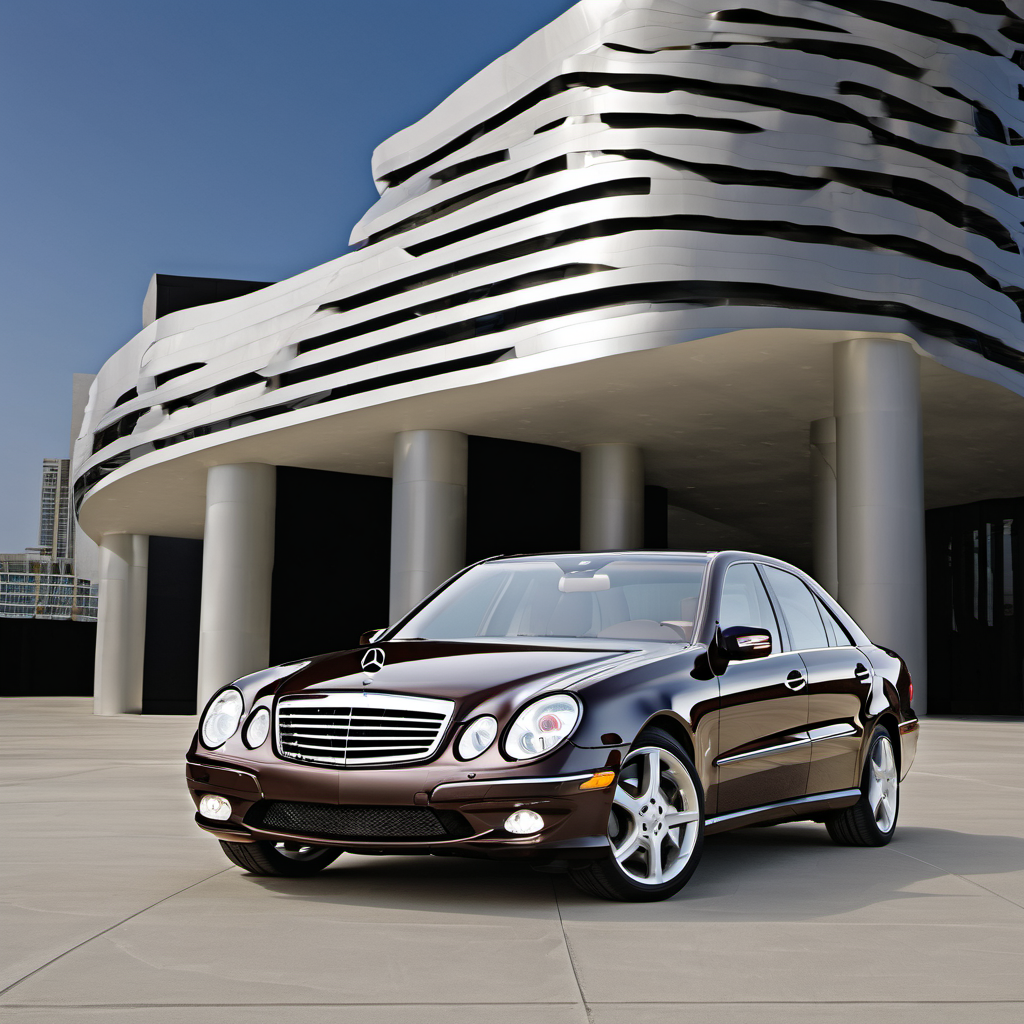
2007 Mercedes-Benz
Sedan
The 2007 Mercedes-Benz E350 is the fifth-generation (W211) E-Class sedan powered by a 3.5L V6. It sits at the heart of Mercedes' lineup — larger and more comfortable than the C-Class, more attainable than the S-Class. By 2007 Mercedes had addressed many of the early W211 rust and electrical gremlins from 2003–2005, making the later model years more livable, but this is still a German luxury car that demands proper maintenance and carries higher-than-average repair costs when things go wrong. The 3.5L M272 V6 is a capable, smooth engine that pulls well from low RPM and is comfortable at highway speeds. The 7G-Tronic 7-speed automatic is refined but can be sensitive to fluid condition. Fuel economy is respectable for a rear-wheel-drive luxury sedan of this era — expect real-world numbers closer to the city figure if you spend time in stop-and-go traffic. For a buyer in the Lake Geneva area, the biggest concerns are Wisconsin salt exposure on the underbody and suspension components, electronics reliability as the car ages, and the cost of Mercedes-specific parts. This is a rewarding vehicle to own when maintained correctly, but deferred maintenance snowballs quickly on W211-generation cars.
The 2007 Mercedes-Benz E350 is the fifth-generation (W211) E-Class sedan powered by a 3.5L V6. It sits at the heart of Mercedes' lineup — larger and more comfortable than the C-Class, more attainable than the S-Class. By 2007 Mercedes had addressed many of the early W211 rust and electrical gremlins from 2003–2005, making the later model years more livable, but this is still a German luxury car that demands proper maintenance and carries higher-than-average repair costs when things go wrong. The 3.5L M272 V6 is a capable, smooth engine that pulls well from low RPM and is comfortable at highway speeds. The 7G-Tronic 7-speed automatic is refined but can be sensitive to fluid condition. Fuel economy is respectable for a rear-wheel-drive luxury sedan of this era — expect real-world numbers closer to the city figure if you spend time in stop-and-go traffic. For a buyer in the Lake Geneva area, the biggest concerns are Wisconsin salt exposure on the underbody and suspension components, electronics reliability as the car ages, and the cost of Mercedes-specific parts. This is a rewarding vehicle to own when maintained correctly, but deferred maintenance snowballs quickly on W211-generation cars.
The M272 balance shaft sprocket wear is worsened by oil degradation. Fresh oil at shorter intervals is cheap insurance against a $3,000+ engine job.
Degraded ATF causes erratic shifting and can accelerate valve body wear. Independent shops regularly see transmission issues on cars that never had the fluid changed.
The M272 requires reaching plugs through the intake valley on some cylinders. Labor is significant, so confirm plugs are fresh before purchase or budget for the service.
Degraded coolant accelerates corrosion inside aluminum engine components. Use only MB-spec coolant — mixing types can cause problems in this engine.
W211 door locks use a vacuum system that cracks and fails with age. Catching a cracked line early prevents a locked-out situation in a Wisconsin winter.
Mercedes specifies this interval for good reason — hygroscopic brake fluid absorbs moisture and can cause ABS/ESP module issues on top of reduced braking performance.
W211 rear subframes and wheel arches are a known rust point on Midwest cars. Catching surface rust early and treating it is far cheaper than structural repair.
The cabin filter on this generation is easy to access and directly affects HVAC blower performance and interior air quality — often neglected on used luxury cars.
Always defer to the manufacturer's service manual for warranty-mandated intervals.
The 2007 E350 has a low purchase price relative to its original MSRP, but running costs are solidly European-luxury territory. Parts cost 30–60% more than comparable domestic or Japanese sedans. Routine maintenance done proactively runs $1,200–$1,800/year. If you're behind on services (common on used examples), budget $2,000–$4,000 in the first year to bring it fully current. A major job like balance shaft repair or air suspension overhaul can easily add $2,000–$4,500 in a single visit.
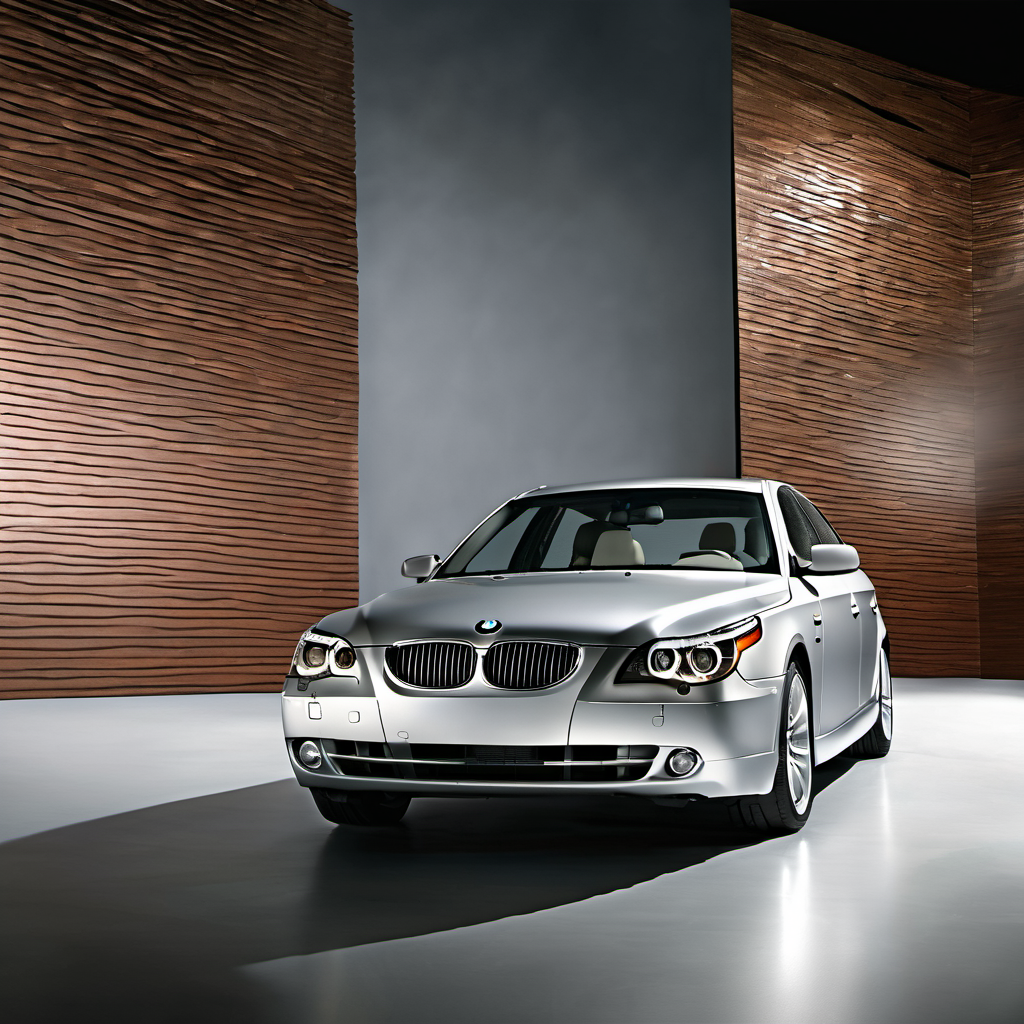
The E60 528i/530i is the closest rival — same segment, same RWD luxury-sport mission, similar used pricing. BMW's inline-6 is arguably more reliable in this era than the M272, but electrical complexity is comparable.
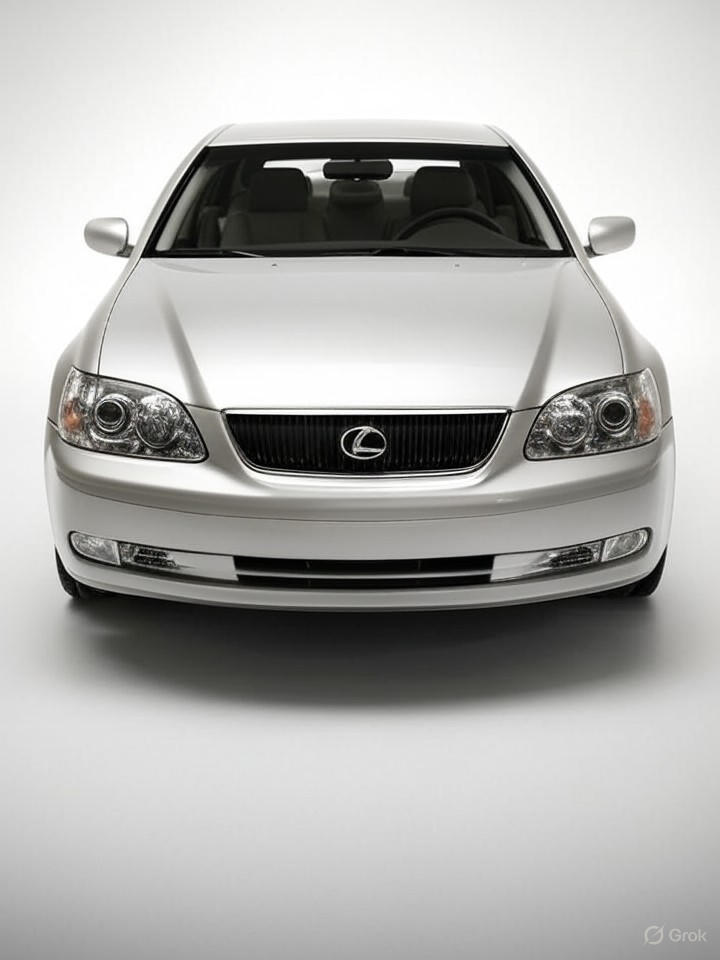
RWD luxury sedan with a similarly sized V6, but significantly better long-term reliability. Lower repair costs and easier to find well-maintained examples. Less prestige than Mercedes but far less drama.
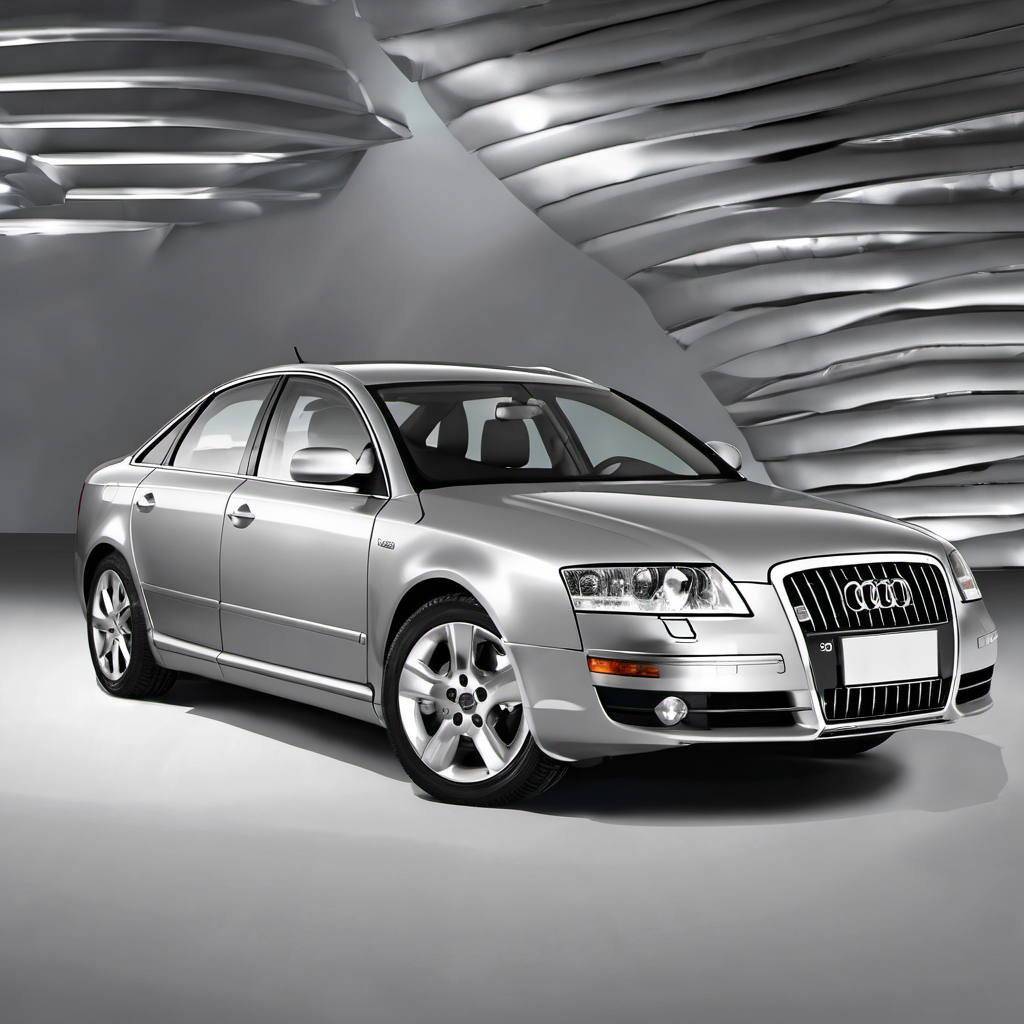
Direct competitor in the European luxury sedan segment. Available AWD is a plus for Wisconsin winters, but Audi's maintenance costs are similarly high and the 3.2L FSI engine has its own carbon buildup issues.
More affordable to maintain than the E-Class, available AWD, and strong safety record. Less prestigious but genuinely capable winter car at a lower total ownership cost.