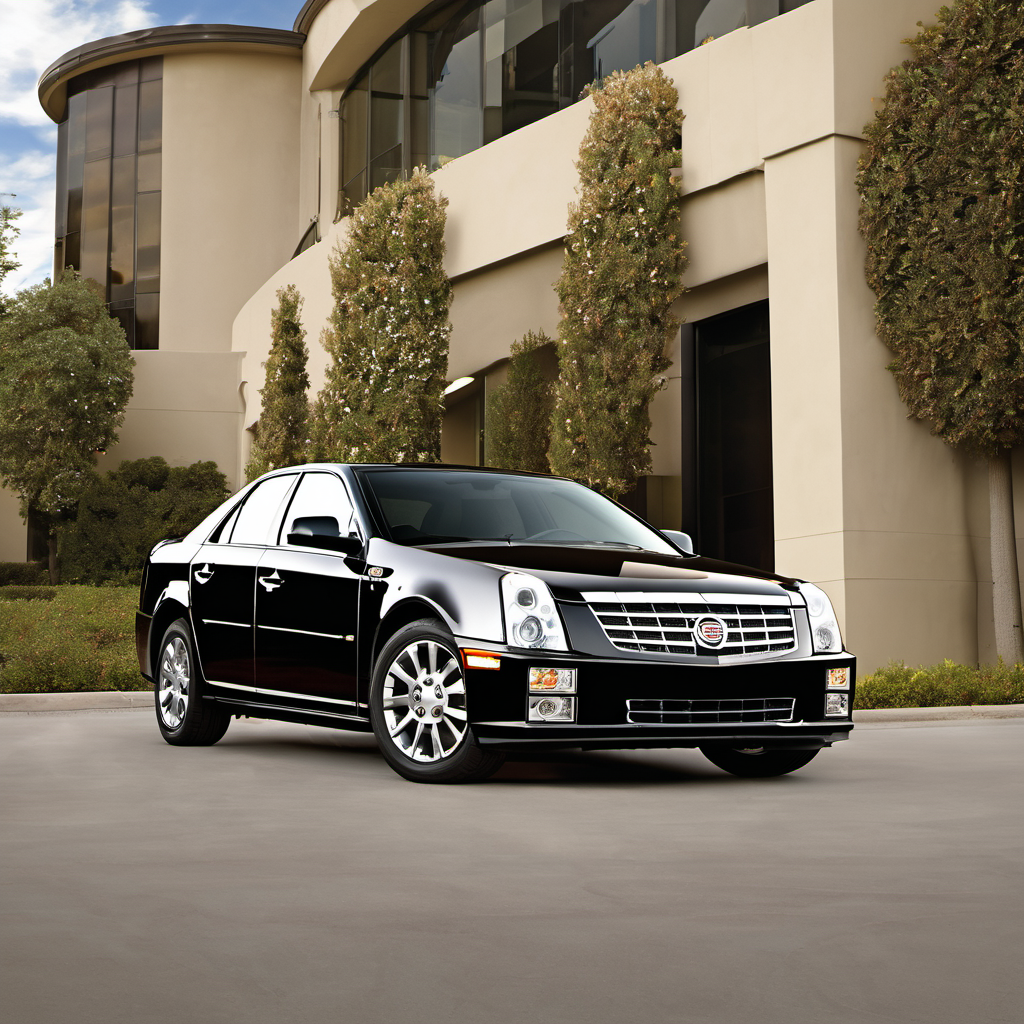
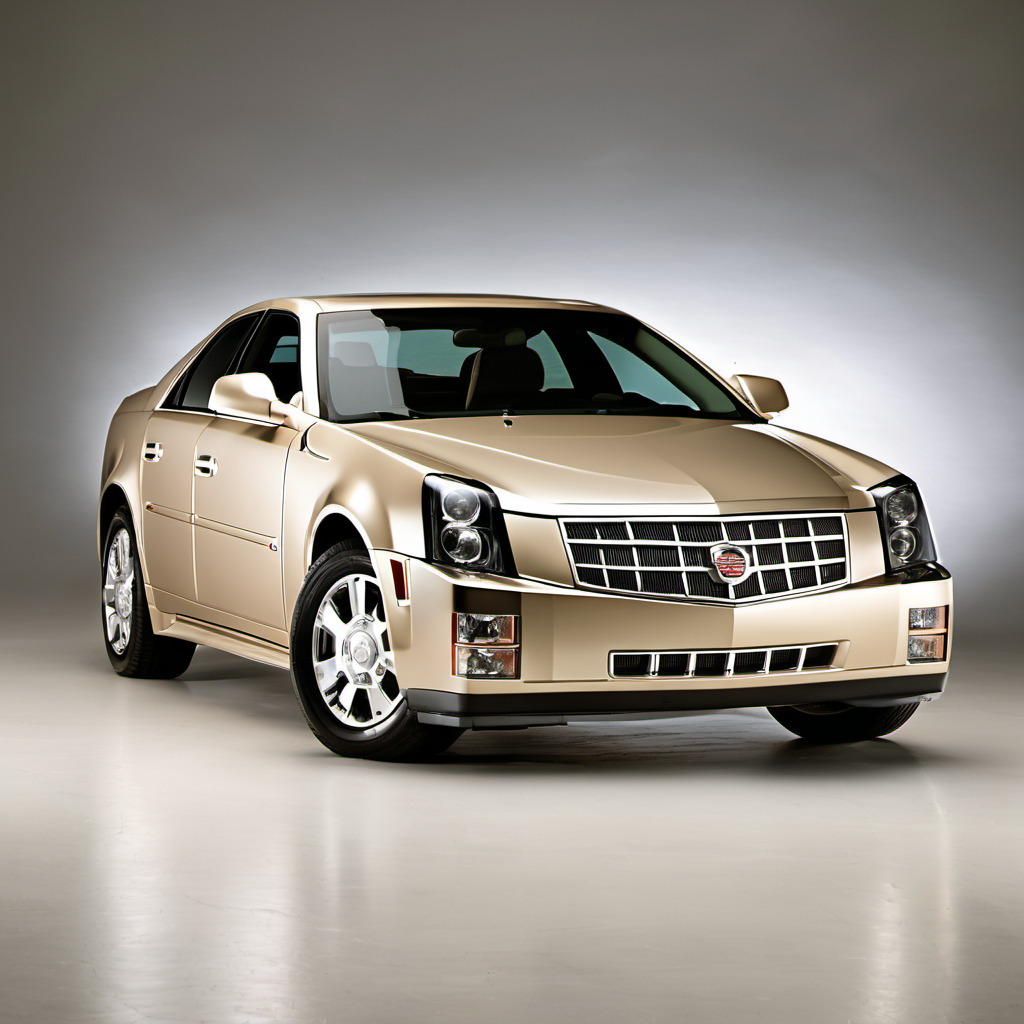
2007 Cadillac STS Sedan

2007 Cadillac

STSSedan

Sedan

The 2007 Cadillac STS is a rear-wheel-drive luxury sport sedan built on GM's Sigma platform — the same architecture underpinning the CTS and the Cadillac XLR. It was Cadillac's attempt to compete head-on with the BMW 5 Series and Mercedes E-Class, offering genuine driver engagement wrapped in American luxury. The 3.6L V6 is the volume engine, pairing a six-speed automatic with a relatively sporting RWD chassis that rewards spirited driving more than most domestic luxury sedans of the era. By 2007 Cadillac had refined the STS considerably from its 2005 debut — the interior quality, ride calibration, and electrical gremlins of early cars were largely addressed. That said, this is still a 15-plus-year-old luxury vehicle, and luxury cars of this era carry meaningful maintenance costs as they age. Expect to pay more than you would for a comparable Toyota or Honda when something breaks. The STS was discontinued after 2011, which means parts availability is thinning and dealer support is minimal. Independent GM specialists are your best bet for keeping one of these running affordably.

Reliability
2/5
Verified data
Specs shown for STS — the most common configuration. Other trims may vary in engine, drivetrain, or fuel economy. Sign in to see your vehicle's exact specs.
Engine
[object Object]
Drivetrain
RWD
Fuel
Gasoline
MPG
16 city / 25 hwy / 19 combined
Seats
Doors
Body
Midsize Cars

Overview

AI-curated

The 2007 Cadillac STS is a rear-wheel-drive luxury sport sedan built on GM's Sigma platform — the same architecture underpinning the CTS and the Cadillac XLR. It was Cadillac's attempt to compete head-on with the BMW 5 Series and Mercedes E-Class, offering genuine driver engagement wrapped in American luxury. The 3.6L V6 is the volume engine, pairing a six-speed automatic with a relatively sporting RWD chassis that rewards spirited driving more than most domestic luxury sedans of the era. By 2007 Cadillac had refined the STS considerably from its 2005 debut — the interior quality, ride calibration, and electrical gremlins of early cars were largely addressed. That said, this is still a 15-plus-year-old luxury vehicle, and luxury cars of this era carry meaningful maintenance costs as they age. Expect to pay more than you would for a comparable Toyota or Honda when something breaks. The STS was discontinued after 2011, which means parts availability is thinning and dealer support is minimal. Independent GM specialists are your best bet for keeping one of these running affordably.

Known for
  • Sporty RWD dynamics uncommon in domestic luxury sedans
  • Powerful, refined 3.6L DOHC V6 with Variable Valve Timing
  • Upscale interior with genuine wood and leather
  • Advanced tech features for the era (magnetic ride control on V8 models, Bose audio)
  • Strong highway cruising composure
Best for
  • Enthusiasts wanting RWD luxury at a used-car price
  • Highway commuters who prioritize comfort and style
  • Buyers who can handle periodic luxury-car repair bills
  • Someone who wants a distinctive alternative to German luxury sedans
Watch for
  • VVT system oil sludging from neglected oil changes — expensive repair
  • Timing chain stretch and cam phaser wear at higher mileage
  • Rear-wheel drive in Wisconsin winters requires winter tires
  • Aging electrical and body control modules becoming unreliable
  • High cost of ownership compared to Japanese luxury alternatives

Common issues by mileage

6 known

Timing Chain Stretch / Tensioner Wear

medium
Typically appears
100–150k mi
Estimated repair
$1,200 – $2,800

Oxygen Sensor / Heater Circuit Failure

medium
Typically appears
70–120k mi
Estimated repair
$200 – $500

Maintenance schedule

  1. 1
    Every 5,000 miles or 6 months — do NOT rely solely on the oil life monitor on a used example Engine oil and filter change

    The 3.6L VVT system uses engine oil pressure to actuate cam phasers. Degraded or sludged oil is the #1 cause of P0012/P0015/P0022/P0025 cam timing codes and premature timing chain wear. Use full synthetic 5W-30.

  2. 2
    Every 45,000 miles Transmission fluid change

    GM labeled the 6-speed automatic fluid as 'lifetime,' but fluid does degrade — especially in a heavier luxury sedan. Fresh fluid protects clutch packs and prevents harsh shifts on aging units.

  3. 3
    Every 5 years or 100,000 miles Coolant flush

    Degraded DEX-COOL becomes acidic and attacks intake gaskets and the water pump. On a 2007, this service is overdue if not documented.

  4. 4
    Every 60,000 miles Spark plugs replacement

    Iridium plugs are standard but extended intervals on a high-compression V6 can cause misfires and reduced VVT efficiency. Ignoring worn plugs increases stress on coil packs.

  5. 5
    Every 60,000 miles or at any sign of squealing Accessory drive belt and tensioner inspection

    Belt failure leaves you stranded and can damage the A/C compressor or power steering pump on the same drive cycle.

  6. 6
    Every fall before Wisconsin winter Battery load test

    The STS has a high electrical load from its luxury features. A marginal battery that passes a simple voltage test can fail instantly at sub-zero temps. Load test, not just voltage check.

  7. 7
    Every 2–3 years Brake fluid flush

    Moisture absorption in brake fluid lowers boiling point and can contribute to ABS module corrosion — a real concern on the STS chassis in salt-heavy Wisconsin winters.

  8. 8
    Every spring after winter season Underbody / brake line inspection for corrosion

    RWD sedans driven through Wisconsin winters accumulate road salt in the rear subframe, brake lines, and suspension components. Catch soft brake lines and corroded subframe hardware before they become safety issues.

Always defer to the manufacturer's service manual for warranty-mandated intervals.

Cost of ownership

Annual maintenance
$900 – $2,200
Fuel
At 19 MPG combined and ~12,000 miles/year, expect roughly $1,400–$1,700/year in fuel at current Midwest gas prices. Premium fuel (91 octane) is recommended for this engine.
Insurance
Typically moderate — the STS has a low theft profile now and collision parts costs are manageable compared to German competitors. Expect $900–$1,400/year for a typical driver in the Lake Geneva area, though this varies widely.

The STS can be bought cheaply but don't mistake a low purchase price for low cost of ownership. A well-maintained example with no deferred work might run $900–$1,400/year in routine maintenance. A neglected one with cam phaser or timing chain issues can deliver a $2,000+ repair bill in year one. Budget accordingly and always pay for a pre-purchase inspection before buying.
Seasonal care

Lake Geneva, WI
Winter
  • The STS is RWD — fit dedicated winter tires before first snow. All-season tires are genuinely unsafe on this platform in Wisconsin conditions. This is non-negotiable.
  • Load-test the battery every October. The high electrical demand from heated seats, rear defroster, and Bose audio will kill a marginal battery in a cold snap.
  • Switch to full synthetic 5W-30 if not already running it — cold-start oil flow is critical to protecting the VVT cam phasers on the 3.6L.
  • Top off washer fluid with a rated -30°F or lower formula. The low hood line means the pump works hard clearing spray from Wisconsin roads.
  • Inspect and treat all door, trunk, and sunroof (if equipped) rubber seals with a silicone protectant to prevent freezing shut.
  • Rinse the undercarriage regularly throughout winter — particularly the rear subframe and brake lines — to slow salt corrosion on this aging chassis.
Summer
  • Check tire pressure monthly — for every 10°F rise in ambient temperature, tires gain roughly 1 PSI. Overinflation causes uneven wear and a harsher ride.
  • Have the A/C system inspected if cooling is marginal — the condenser on this generation is prone to slow refrigerant loss as seals age.
  • Check coolant concentration — 50/50 DEX-COOL mix protects to about -34°F and also raises the boiling point, important during stop-and-go summer heat.
  • Inspect the cabin air filter before summer — a clogged filter reduces A/C effectiveness noticeably in a car this size.

Comparable vehicles

If you're shopping for one

Red flags
  • Engine oil that's black, thick, or low — signals neglect that may have already damaged the cam phasers or timing chain
  • Any stored VVT/cam timing DTCs (P0012, P0015, P0022, P0025) — walk away unless heavily discounted and you have a repair budget
  • Rough idle or hesitation on cold start — classic symptom of a stretched timing chain or stuck cam phaser
  • Heavy underbody rust — brake line replacement on a corroded STS is a major job in this climate
  • Missing or incomplete service records — on a luxury car this age, no history is a liability
  • CAN bus or U-codes in the scan (U0100–U0104) — can indicate aging wiring harness issues that are labor-intensive to chase
What to inspect
  • Pull oil fill cap and inspect for sludge — black, tarry buildup is a direct red flag for skipped oil changes and pending cam phaser failure
  • Scan for active or stored DTCs before purchase — P0012/P0015/P0022/P0025 codes indicate VVT or timing chain issues that may be costly
  • Cold-start the engine and listen for any rattling or ticking from the front of the engine in the first 5–10 seconds (timing chain or cam phaser noise)
  • Request full service history — specifically oil change receipts. No records equals unknown VVT system health.
  • Test all electrical features: heated seats, sunroof, navigation, automatic climate, memory seats — module repairs add up fast
  • Inspect underbody and wheel wells for rust, especially on the rear subframe, brake lines, and floor pans common on Wisconsin-driven examples
AI profile generated 56 min ago · claude-sonnet-4-6 · v2.