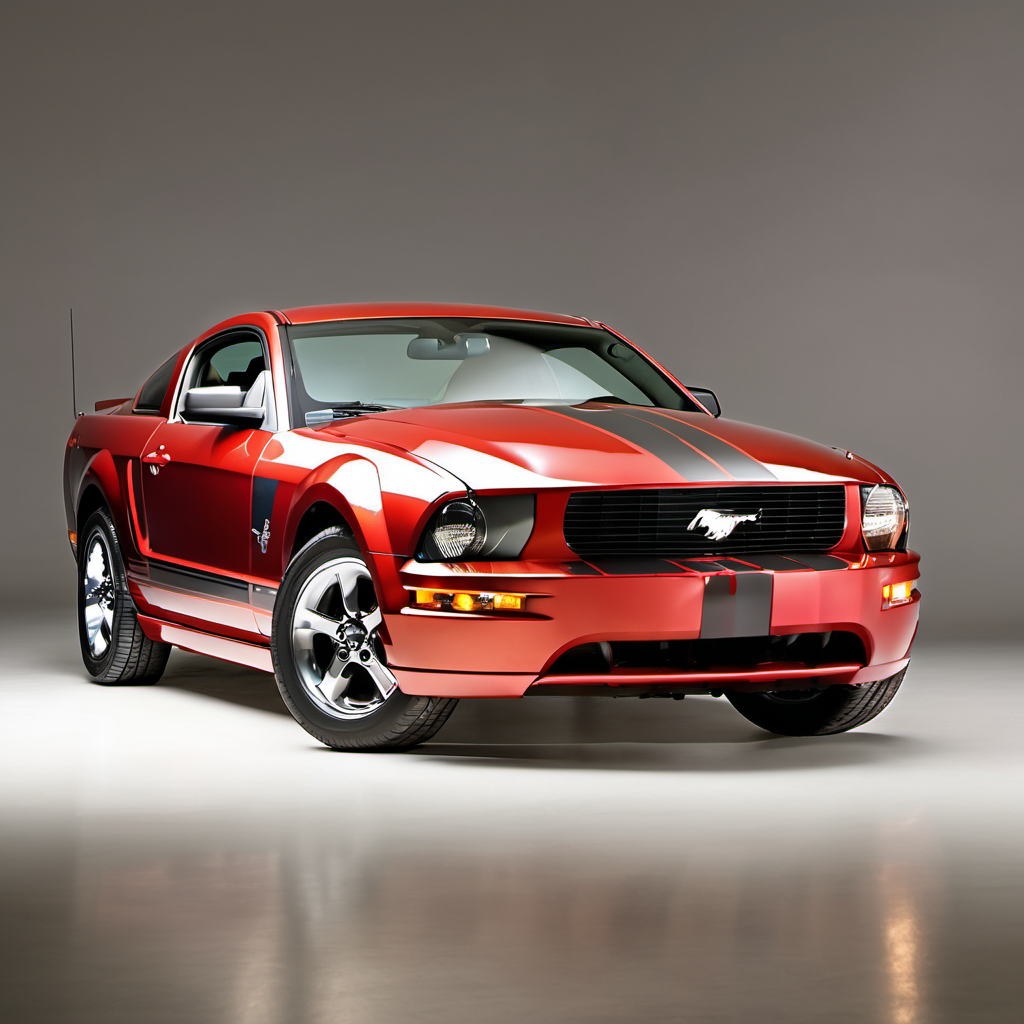
2007 Ford Mustang Coupe
Popular pick

2007 Ford

MustangCoupe

4.0L V6 · Coupe

The 2007 Ford Mustang Coupe with the 4.0L V6 is the entry-level version of Ford's fifth-generation (S197) pony car, built at the Auto Alliance International plant in Flat Rock, Michigan. It delivers the classic Mustang look and rear-wheel-drive feel at a more accessible price point than the GT, making it a popular first sports car and weekend cruiser. The 4.0L Cologne V6 produces 210 horsepower and pairs with either a 5-speed manual or 5-speed automatic. While it's no performance monster compared to the GT500 or even the GT, it's a capable, predictable car that handles well and is relatively inexpensive to maintain. At this age, most examples are well past 100k miles. The platform is solid and well-understood — parts are cheap and plentiful. The main concerns are the usual suspects for high-mileage RWD coupes: cooling system, throttle body, and the rear axle/differential. Keep up with fluid changes and this car can run a long time.

Reliability
3/5
Verified data
Specs shown for Mustang — the most common configuration. Other trims may vary in engine, drivetrain, or fuel economy. Sign in to see your vehicle's exact specs.
Engine
[object Object]
Drivetrain
Rear-Wheel Drive
Fuel
Gasoline
MPG
17 city / 25 highway
Seats
Doors
2
Body
Subcompact Cars
MSRP
$19,250

Overview

AI-curated

The 2007 Ford Mustang Coupe with the 4.0L V6 is the entry-level version of Ford's fifth-generation (S197) pony car, built at the Auto Alliance International plant in Flat Rock, Michigan. It delivers the classic Mustang look and rear-wheel-drive feel at a more accessible price point than the GT, making it a popular first sports car and weekend cruiser. The 4.0L Cologne V6 produces 210 horsepower and pairs with either a 5-speed manual or 5-speed automatic. While it's no performance monster compared to the GT500 or even the GT, it's a capable, predictable car that handles well and is relatively inexpensive to maintain. At this age, most examples are well past 100k miles. The platform is solid and well-understood — parts are cheap and plentiful. The main concerns are the usual suspects for high-mileage RWD coupes: cooling system, throttle body, and the rear axle/differential. Keep up with fluid changes and this car can run a long time.

Known for
  • Classic Mustang styling on a tight budget
  • Rear-wheel-drive handling and balance
  • Abundant, inexpensive aftermarket and OEM parts
  • Straightforward, DIY-friendly mechanicals
  • Strong resale stability in the used market
Best for
  • Budget-conscious buyers who want a sporty coupe
  • First-time sports car owners
  • Enthusiasts who plan to wrench on their own car
  • Daily drivers who want style without GT running costs
Watch for
  • Cooling system failures — thermostat and coolant hoses are age-sensitive on these
  • Throttle body carbon buildup causing rough idle
  • Rear differential wear on higher-mileage cars, especially if driven hard
  • Rust on floor pans and wheel arches on cars from salt-belt states like Wisconsin
  • Worn or leaking rear axle seals leading to brake contamination

Common issues by mileage

6 known

Cooling system failures — thermostat and hoses

high
Typically appears
80–130k mi
Estimated repair
$150 – $450

Throttle body carbon buildup causing rough idle or hesitation

high
Typically appears
70–120k mi
Estimated repair
$80 – $200

Rear axle seal leak / axle bearing wear

medium
Typically appears
90–150k mi
Estimated repair
$200 – $500

Oxygen sensor failure (upstream or downstream)

medium
Typically appears
80–140k mi
Estimated repair
$100 – $300

Floor pan and wheel arch rust on salt-exposed vehicles

medium
Typically appears
Any age in salt-belt states
Estimated repair
$300 – $2,000

Power window regulator failure (driver's side most common)

medium
Typically appears
80–150k mi
Estimated repair
$150 – $350

Maintenance schedule

  1. 1
    Every 5,000 miles or 6 months Engine oil and filter change

    The 4.0L V6 benefits from conventional 5W-20 changed on a shorter interval at this age — seals and tolerances have wear, and extended drain intervals accelerate sludge buildup.

  2. 2
    Every 30,000 miles or 3 years Coolant flush and thermostat inspection

    Cooling system failures are a top issue on these engines past 80k miles. Fresh coolant prevents electrolytic corrosion of the aluminum intake and hose degradation.

  3. 3
    Every 40,000–50,000 miles or at first sign of rough idle Throttle body cleaning

    Carbon deposits on the throttle plate cause stumbling, hesitation, and rough cold starts. A simple cleaning prevents an unnecessary repair bill.

  4. 4
    Every 30,000–45,000 miles Rear differential fluid change

    The 8.8-inch rear axle is durable but the fluid breaks down with heat and use. Old fluid accelerates bearing and gear wear — especially important if the car has seen any spirited driving.

  5. 5
    Every 2 years regardless of mileage Brake fluid flush

    Hygroscopic brake fluid absorbs moisture over time, lowering its boiling point and promoting corrosion in the calipers and lines — critical on a RWD car driven in Wisconsin winters.

  6. 6
    Every 60,000 miles Spark plug replacement

    The 4.0L V6 uses standard-reach plugs. Worn plugs cause misfires and poor fuel economy. Do not wait for a misfire code — proactive replacement is cheap insurance.

  7. 7
    Every 30,000 miles or at brake service Inspect rear axle seals and wheel bearing play

    Leaking axle seals contaminate the rear brake shoes. Catching them early is a $200 fix; ignoring them can mean a full rear brake and bearing replacement.

  8. 8
    Annually, before winter Underbody rust inspection and treatment

    Wisconsin road salt is aggressive. Floor pans, subframe mounting points, and brake lines are especially vulnerable on cars this age. Annual inspection and touch-up with rust inhibitor dramatically extends the car's life.

Always defer to the manufacturer's service manual for warranty-mandated intervals.

Cost of ownership

Annual maintenance
$600 – $1,400
Fuel
At 20 MPG combined and 12,000 miles/year, expect roughly $1,800–$2,200/year in fuel at current Midwest prices.
Insurance
Typically $900–$1,400/year for full coverage on a 2007 V6 Mustang in Wisconsin, depending on driver age and history. Rates are lower than the GT due to the smaller engine.

The V6 Mustang is one of the more affordable sports coupes to own at this age. Parts are cheap, labor hours are low on common jobs, and fuel costs are manageable. Budget $600–$1,400/year for routine maintenance on a well-maintained example. A neglected car with deferred cooling, brake, or rust work can spike costs to $2,500+ in a single year.

Seasonal care

Lake Geneva, WI
Winter
  • Switch to a 0W-20 or 5W-20 full synthetic oil before temperatures drop below 0°F — the 4.0L can be slow to build oil pressure on cold starts with conventional oil.
  • Test the battery — RWD Mustangs sit low and the battery is not easily accessed in a pinch. A battery older than 4 years should be load-tested before November.
  • Use a winter-rated washer fluid rated to at least -20°F. The standard fluid in Wisconsin freezes on the windshield at highway speed.
  • Inspect rubber seals around the doors, trunk, and T-top area (if equipped) — they crack in cold and let moisture and road salt into the interior.
  • Avoid aggressive throttle inputs on cold pavement — RWD + low-profile tires + snow or ice is a quick way into a ditch. Consider all-season or dedicated snow tires.
  • Rinse the undercarriage regularly at a self-serve wash bay after salt events — the floor pan and brake lines are vulnerable on these cars.
Summer
  • Check tire pressure monthly — every 10°F rise in temperature adds roughly 1 PSI. The Mustang's wide rear tires are sensitive to over-inflation in summer heat.
  • Inspect the cooling system before summer — hoses, thermostat, and coolant level. The 4.0L runs warm in stop-and-go and a failing thermostat can cause overheating quickly.
  • Check A/C refrigerant charge and cabin air — these cars are 17+ years old and many have never had the A/C serviced. A recharge and cabin filter check is worthwhile.
  • Inspect brake pads and rotors — summer heat combined with worn pads can cause brake fade, which is especially noticeable on a RWD performance car.

Comparable vehicles

2007 Chevrolet
Camaro

Direct pony car rival — note that the Camaro was on hiatus in 2007, so used 2002 Camaros are the closest comparison. Similar RWD layout, V6 base engine, and enthusiast appeal.

No catalog match
2007 Dodge
Challenger

The Challenger returned in 2008 — a 2008–2009 V6 Challenger is a natural cross-shop: similar price used, RWD, American muscle coupe mission.

No catalog match
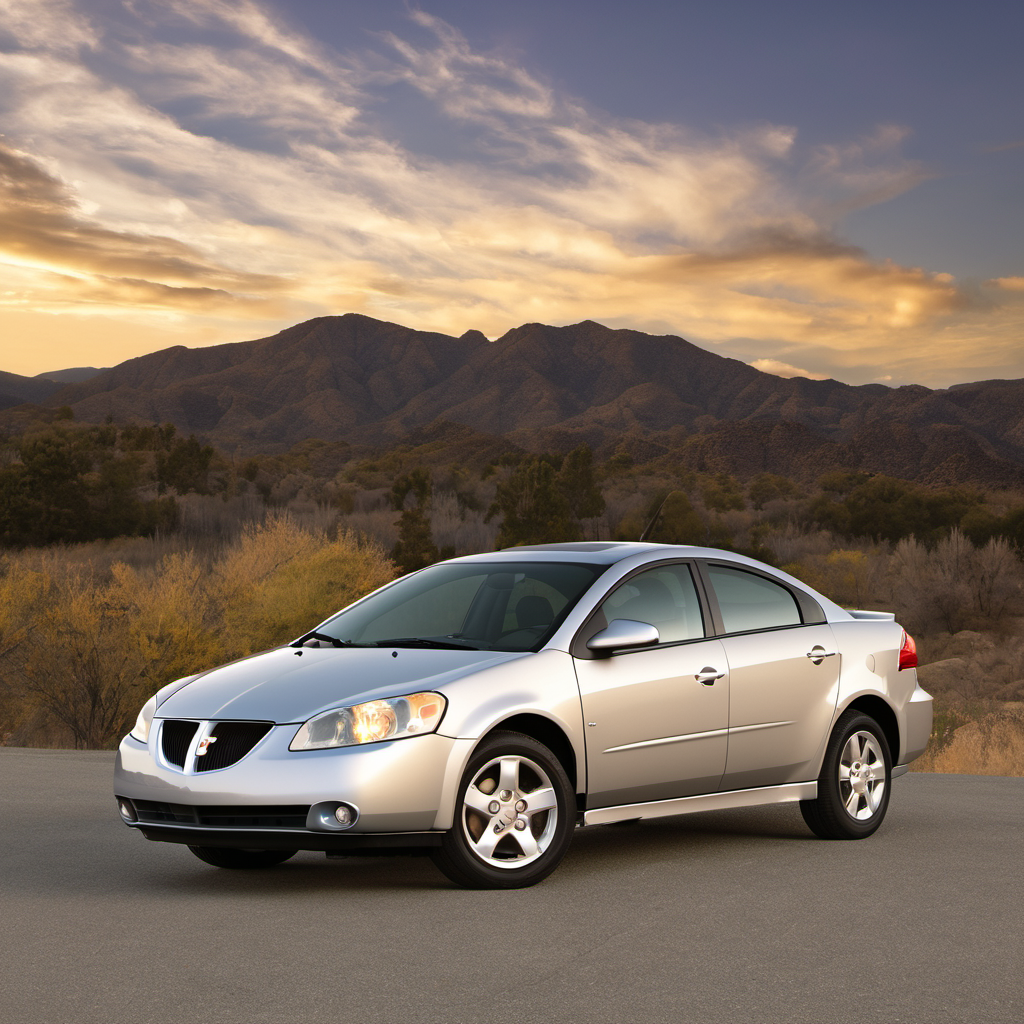
2007 Pontiac G6
2007 Pontiac
G6

A budget coupe alternative from the same era — FWD and less sporty, but similar price range used and lower insurance costs. Good cross-shop for buyers prioritizing practicality over driving feel.
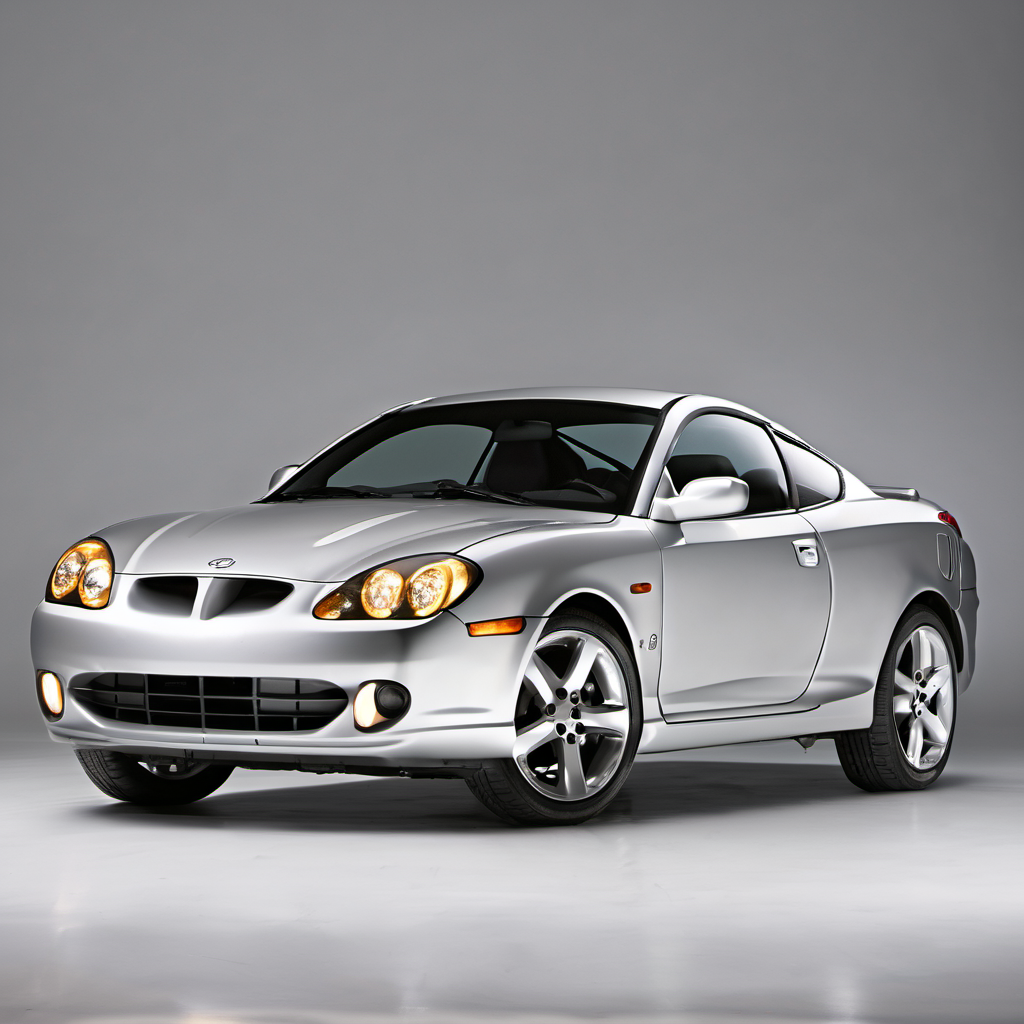
2007 Hyundai Tiburon
2007 Hyundai
Tiburon

A smaller, lighter sports coupe in the same used price range. More fuel-efficient, easier to park, and less expensive to insure — but without the Mustang's horsepower or heritage.

If you're shopping for one

Red flags
  • Any signs of undercarriage rust beyond surface oxidation — structural rust on the floor pan or subframe mounts is expensive to repair properly.
  • Oil leaks at the valve covers or rear main seal on a car with less than 120k miles — suggests deferred maintenance.
  • A car that's been modified (intake, exhaust, tune) with no service records — unknown how hard it was driven.
  • Overheating history or a recently replaced radiator with no explanation — cooling system repairs can mask a warped head if the car was overheated badly.
  • Spongy or low brake pedal — could indicate a brake fluid leak, contaminated rear brake shoes from an axle seal, or a failing master cylinder.
What to inspect
  • Lift every carpet corner and check the floor pans for rust — Wisconsin and surrounding salt-belt cars frequently have rot here by this age.
  • Check the rear wheel arches inside and out for bubbling paint or soft metal, which indicates rust progression.
  • Start the engine cold and listen for ticking from the top end — valve train noise on cold start can indicate low oil pressure or a worn timing chain tensioner.
  • Rev the engine to 2,500–3,000 RPM and hold — rough running or stumbling at a steady throttle points to throttle body or O2 sensor issues.
  • With the car on a lift, check for rear axle seal leakage — look for gear oil weeping at the axle flanges near the brake drums.
  • Test the A/C for full cold output — recharging is cheap, but if it won't hold a charge, a leak diagnosis adds cost.
  • Check all four tires for uneven wear — aggressive rear wear patterns may indicate the car was driven hard or the alignment has never been set.
AI profile generated 4 days ago · claude-sonnet-4-6 · v2.