Timing Chain Tensioner Wear
high- Typically appears
- 60–100k mi
- Estimated repair
- $1,200 – $1,800
2007 Audi
3.2L V6 FSI
The 2007 Audi A6 3.2L V6 FSI is a mid-size European luxury sedan that sits squarely in the upper-midsize segment, competing with the BMW 5 Series and Mercedes-Benz E-Class. It pairs a naturally aspirated 3.2L FSI V6 (255 hp) with Audi's standard Quattro all-wheel drive — a genuine advantage in Wisconsin winters — and a sophisticated multi-link suspension that delivers a composed, planted ride. The interior quality and feature content were class-leading for 2007, and the standard Quattro system gives it credibility as a year-round daily driver in snow country. That said, this is a complex German luxury car now 17+ years old, and ownership costs reflect that. The BKH engine uses Fuel Stratified Injection (FSI), which means fuel is injected directly into the cylinder — great for efficiency and power, but the intake valves never get a fuel bath to wash off carbon deposits. Walnut blasting the intake valves is a real, recurring expense on high-mileage examples. Timing chain tensioner wear is also a documented issue on this engine family and should be high on any pre-purchase checklist. For the buyer who wants a sophisticated, all-weather luxury sedan and is prepared to use an independent shop familiar with VAG vehicles, a well-maintained A6 3.2 can still be deeply satisfying to drive. Budget accordingly, stay on top of oil changes, and inspect the timing chain system carefully before purchase.
The 2007 Audi A6 3.2L V6 FSI is a mid-size European luxury sedan that sits squarely in the upper-midsize segment, competing with the BMW 5 Series and Mercedes-Benz E-Class. It pairs a naturally aspirated 3.2L FSI V6 (255 hp) with Audi's standard Quattro all-wheel drive — a genuine advantage in Wisconsin winters — and a sophisticated multi-link suspension that delivers a composed, planted ride. The interior quality and feature content were class-leading for 2007, and the standard Quattro system gives it credibility as a year-round daily driver in snow country. That said, this is a complex German luxury car now 17+ years old, and ownership costs reflect that. The BKH engine uses Fuel Stratified Injection (FSI), which means fuel is injected directly into the cylinder — great for efficiency and power, but the intake valves never get a fuel bath to wash off carbon deposits. Walnut blasting the intake valves is a real, recurring expense on high-mileage examples. Timing chain tensioner wear is also a documented issue on this engine family and should be high on any pre-purchase checklist. For the buyer who wants a sophisticated, all-weather luxury sedan and is prepared to use an independent shop familiar with VAG vehicles, a well-maintained A6 3.2 can still be deeply satisfying to drive. Budget accordingly, stay on top of oil changes, and inspect the timing chain system carefully before purchase.
The BKH FSI engine is sensitive to oil quality and level. Low oil pressure accelerates timing chain tensioner wear. Do not stretch to OEM's longer oil-life intervals on a high-mileage car.
Tensioner wear can allow chain slack, leading to camshaft timing codes and potential engine damage. Catching this early is far cheaper than a full chain replacement under pressure.
FSI direct injection bypasses the intake valves, so carbon from oil blow-by accumulates there unimpeded. Heavy buildup causes rough idle, misfires, and power loss.
Worn plugs on the FSI engine can cause misfires and accelerate carbon buildup. Use OEM-spec iridium plugs.
The plastic thermostat housing and water pump are documented failure points. Inspect both whenever the coolant is serviced. Replacing them together saves labor cost.
Audi specifies a 2-year brake fluid interval. DOT 4 fluid absorbs moisture over time, lowering boiling point — critical for a car this weight on Wisconsin hills in winter.
Quattro AWD distributes load to all four tires, but front tires still wear faster under steering load. Even wear across all four protects the AWD center differential.
A restricted air filter on an FSI engine worsens fuel trims and can trigger lean codes (P0171). Wisconsin road grit and dust make this interval non-negotiable.
Always defer to the manufacturer's service manual for warranty-mandated intervals.
A 2007 A6 3.2 in good shape costs relatively little in routine maintenance year-to-year, but repair events when they happen are expensive. Budget $900–$2,000 for normal annual upkeep (oils, filters, brakes, tires). Set aside an additional $1,000–$2,500 contingency fund for the timing chain and carbon cleaning services that will be needed on any example that hasn't had them done. This is not a cheap car to own — it just doesn't always announce its costs in advance.

Direct competitor — xDrive AWD, similar luxury level and price point, also a mid-size European luxury sedan. The N52 engine in the 528xi has a better carbon-buildup reputation than the FSI, though electronics costs are similarly high.
Same segment and AWD capability. The 3.5L V6 in the E350 has a strong reliability record and the 4MATIC system is proven. Repair costs at the dealer are high, but independent MB shops are common and parts availability is excellent.
No catalog match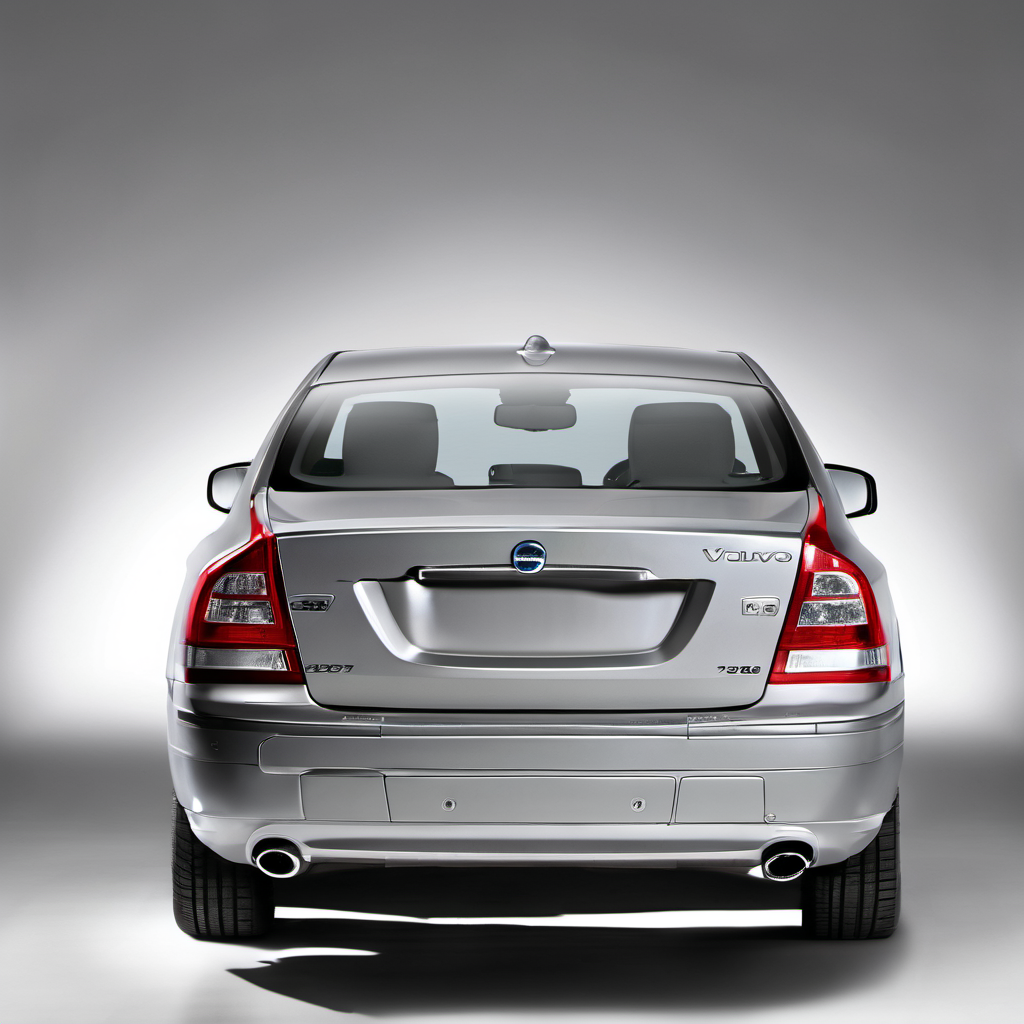
Lower entry price used, standard AWD, strong safety reputation — a more affordable European luxury alternative with lower repair cost ceilings and excellent winter capability.
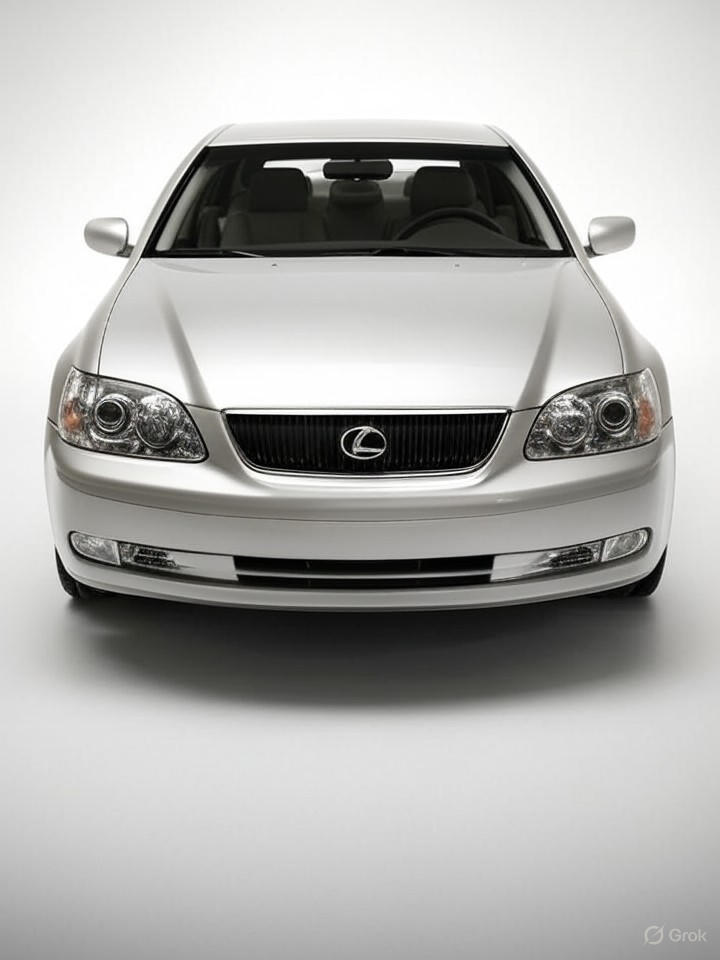
If reliability is the top priority, the GS 350 AWD offers near-equal luxury and performance with substantially lower long-term repair costs and a far simpler engine. Fewer Wisconsin independent shops specialize in it, but it rarely needs them.