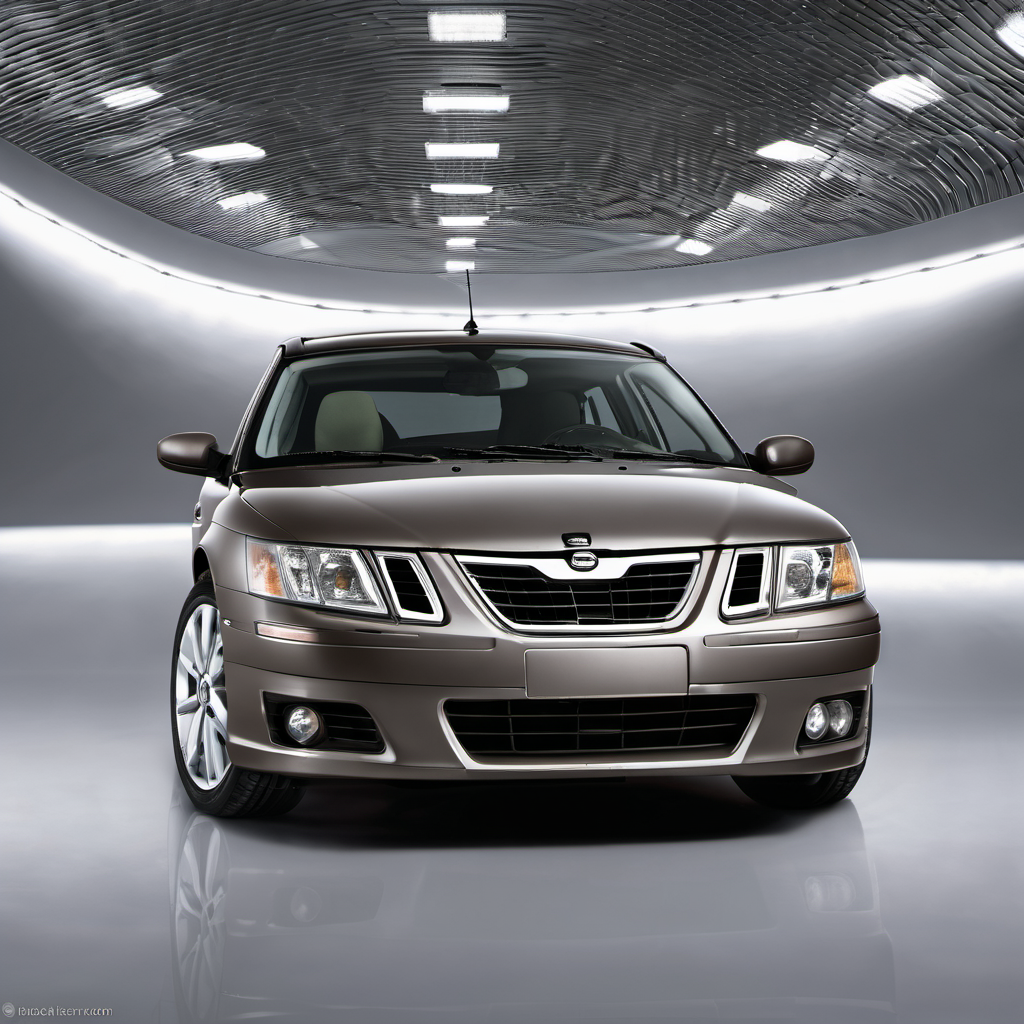
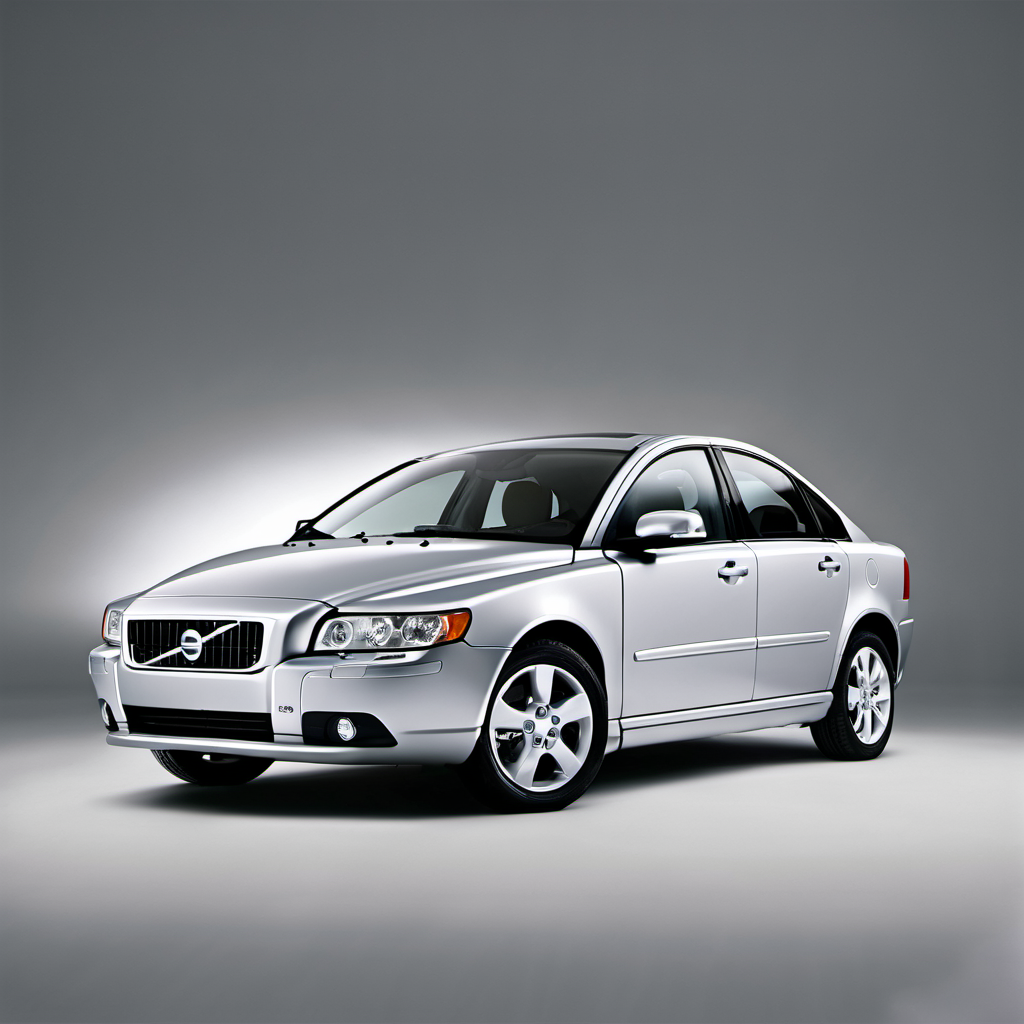
2006 Saab 9-3 Sedan

2006 Saab

9-3Sedan

Sedan

The 2006 Saab 9-3 Sedan is a front-wheel-drive European compact sedan built on a platform shared with the GM Epsilon architecture. It sits in the entry-luxury segment and was powered by a 2.0L turbocharged four-cylinder producing 210 hp in the base Linear/Arc trim. Saab's turbo tuning gave it genuinely sporty driving dynamics, a distinct Swedish character, and a cockpit-inspired interior that stood apart from its German rivals. By 2006 the 9-3 was mid-cycle, meaning most early production gremlins had been sorted, but the shadow of GM's financial troubles and Saab's eventual 2011 bankruptcy still looms over parts availability today. It's a rewarding car to own if you're mechanically inclined or have a shop familiar with the platform, but it's a frustrating one if you rely on dealer support — the Saab dealer network is essentially gone. For buyers in Lake Geneva and the broader upper Midwest, the biggest practical considerations are the car's modest cold-weather starting behavior, the difficulty of sourcing certain electronic and body parts, and the fact that independent-shop expertise on Saabs is thinner than it was 15 years ago. If you find a well-maintained example with service records, it can still be a rewarding daily driver.

Reliability
2/5
Verified data
Specs shown for 9-3 Convertible — the most common configuration. Other trims may vary in engine, drivetrain, or fuel economy. Sign in to see your vehicle's exact specs.
Engine
[object Object]
Drivetrain
FWD
Fuel
Premium gasoline
MPG
19 city / 27 hwy / 21 combined
Seats
Doors
Body
Subcompact Cars

Overview

AI-curated

The 2006 Saab 9-3 Sedan is a front-wheel-drive European compact sedan built on a platform shared with the GM Epsilon architecture. It sits in the entry-luxury segment and was powered by a 2.0L turbocharged four-cylinder producing 210 hp in the base Linear/Arc trim. Saab's turbo tuning gave it genuinely sporty driving dynamics, a distinct Swedish character, and a cockpit-inspired interior that stood apart from its German rivals. By 2006 the 9-3 was mid-cycle, meaning most early production gremlins had been sorted, but the shadow of GM's financial troubles and Saab's eventual 2011 bankruptcy still looms over parts availability today. It's a rewarding car to own if you're mechanically inclined or have a shop familiar with the platform, but it's a frustrating one if you rely on dealer support — the Saab dealer network is essentially gone. For buyers in Lake Geneva and the broader upper Midwest, the biggest practical considerations are the car's modest cold-weather starting behavior, the difficulty of sourcing certain electronic and body parts, and the fact that independent-shop expertise on Saabs is thinner than it was 15 years ago. If you find a well-maintained example with service records, it can still be a rewarding daily driver.

Known for
  • Peppy 2.0T turbo engine with a broad, usable power band
  • Distinctive cockpit-style interior with night panel instrument mode
  • Ignition lock mounted between the front seats (center tunnel)
Best for
  • Enthusiast drivers who want something different from mainstream German sedans
  • Buyers comfortable sourcing parts through specialty suppliers
  • Highway commuters who can take advantage of the 27 mpg highway rating
Watch for
  • Saab dealer network no longer exists — find a Saab-literate independent shop before you buy
  • Electrical gremlins on high-mileage examples, especially CAN bus and body control modules
  • Parts availability for trim pieces, HVAC components, and proprietary Saab electronics is shrinking every year

Common issues by mileage

6 known

Turbocharger bypass valve failure

high
Typically appears
60–120k mi
Estimated repair
$150 – $400

Camshaft position timing / VVT solenoid faults

medium
Typically appears
70–130k mi
Estimated repair
$200 – $700

Oxygen sensor heater circuit failure

medium
Typically appears
60–100k mi
Estimated repair
$150 – $350

Front strut and control arm bushing wear

high
Typically appears
80–140k mi
Estimated repair
$400 – $900

Throttle body carbon buildup causing rough idle and hesitation

medium
Typically appears
50–100k mi
Estimated repair
$100 – $250

Maintenance schedule

  1. 1
    Every 5,000 miles or annually — do not stretch to the GM Oil Life Monitor recommendation on a used example Engine oil change with full synthetic (5W-30 or 0W-30 per Saab spec)

    The 2.0T turbo runs hot oil through the turbo bearings. Old, degraded oil accelerates turbo wear and can cause timing chain stretch at higher mileage.

  2. 2
    Every 60,000 miles or at first sign of cracking Inspect and replace serpentine belt and tensioner

    Belt failure on this engine is immediately damaging. Tensioner pulleys are cheap insurance when the belt is already off.

  3. 3
    Every 30,000–45,000 miles Spark plug replacement (OEM-spec iridium plugs only)

    Non-spec plugs cause misfires and can confuse the knock sensor strategy. The 2.0T is sensitive to plug condition under boost.

  4. 4
    Every 50,000 miles or 5 years Coolant flush

    Saab's GM-era coolant degrades and can cause water pump seal issues and heater core blockage — both expensive repairs.

  5. 5
    Every 60,000 miles or when boost feels soft Turbocharger bypass valve inspection

    The bypass valve diaphragm cracks with age and is a common check engine light trigger. It's an inexpensive part caught early.

  6. 6
    Every 2 years regardless of mileage Brake fluid flush

    Wisconsin winters put heavy demand on brakes. Moisture-laden fluid lowers the boiling point and can cause spongy pedal feel in hard stops.

  7. 7
    Every 2 years or 30,000 miles Inspect front control arm bushings and ball joints

    FWD with a sporty suspension tune means these wear faster than average. Salt exposure in Wisconsin accelerates bushing deterioration.

  8. 8
    Every 15,000–20,000 miles Cabin air filter replacement

    The 9-3's HVAC system is finicky when airflow is restricted. A clogged cabin filter also strains the blower motor, which is a moderate repair on this car.

Always defer to the manufacturer's service manual for warranty-mandated intervals.

Cost of ownership

Annual maintenance
$900 – $2,200
Fuel
Premium fuel (91 octane) is recommended. At 21 mpg combined and ~15,000 miles/year, expect roughly $2,100–$2,500/year depending on pump prices.
Insurance
Generally moderate — similar to a mid-tier European compact. Expect $900–$1,400/year for a typical Wisconsin driver depending on age, record, and coverage level.

The 9-3 is affordable to buy used, but running costs are above-average for its segment. Parts — especially anything electronic or interior trim — can be hard to find and expensive when sourced. Budget toward the high end if the car has deferred maintenance or unknown history. A solid pre-purchase inspection by a Saab-familiar tech is money well spent.
Seasonal care

Lake Geneva, WI
Winter
  • Switch to a full synthetic 0W-30 or 5W-30 before temperatures drop — the 2.0T turbo needs fast oil flow on sub-zero cold starts, and conventional oil thickens too much.
  • Test the battery in October. Cold-cranking demand is high on a turbocharged engine, and a weak battery under -10°F will leave you stranded.
  • Flush washer fluid reservoir and top off with -40°F-rated fluid. The 9-3's hood line is low and windshield spray nozzles ice over quickly.
  • Inspect underbody and wheel well plastic liners for salt traps — this generation 9-3 is prone to accelerated rocker and subframe corrosion when salt packs against compromised liners.
  • If the car sits outside, use a fuel line antifreeze additive periodically to prevent moisture accumulation in the fuel system.
  • Confirm all door seals are supple — dried or cracked seals let water in, which freezes door locks and can soak the interior floor.
Summer
  • Check tire pressure monthly — Wisconsin summer heat causes pressure to climb 4–6 PSI above the cold fill spec, affecting handling on this sport-tuned suspension.
  • Inspect the A/C system for refrigerant charge and condenser debris before the first heat wave; the 9-3's condenser sits low and picks up road grit.
  • After winter, flush the undercarriage thoroughly and inspect brake lines, fuel lines, and the rear subframe for rust promoted by road salt.
  • Monitor coolant temperature on hot days, especially in stop-and-go traffic — a partially clogged radiator or weak cooling fan relay can cause the 2.0T to run warm.

Comparable vehicles

If you're shopping for one

Red flags
  • Any evidence of deferred turbo or oil maintenance — dark, sludgy oil or a turbo that rattles at idle is extremely expensive to address.
  • Check engine light that reappears immediately after clearing, especially with CAN/network codes — could signal a failing BCM or TCM.
  • Rust perforation on rocker panels or around the rear wheel arches; structural rust repair on this car is rarely cost-effective.
  • Mismatched interior trim or evidence of water intrusion on the floor carpet — Saab sunroof drains and door seals fail silently and cause extensive mold and electrical damage.
  • No service records at all — a well-maintained 9-3 must have documentation. An undocumented example at this age is a gamble.
What to inspect
  • Pull codes before purchase — P0033/P0034/P0035 (turbo bypass) and U0100–U0104 (CAN bus) are among the most expensive surprises on this car.
  • Check for oil leaks around the turbo feed and return lines; black carbon staining at the turbo housing indicates oil coking from heat soak.
  • Test all electronic functions: night panel mode, SID (Saab Information Display), power seats, sunroof if equipped — replacement parts for these are increasingly scarce.
  • Inspect the rockers, rear wheel arches, and subframe pickup points for rust — Wisconsin salt damage is a deal-breaker on a car this age.
  • Have the car scanned with Tech2 or a Saab-capable diagnostic tool, not just a generic OBD reader — many Saab-specific codes won't surface on a basic scanner.
AI profile generated 4 days ago · claude-sonnet-4-6 · v2.