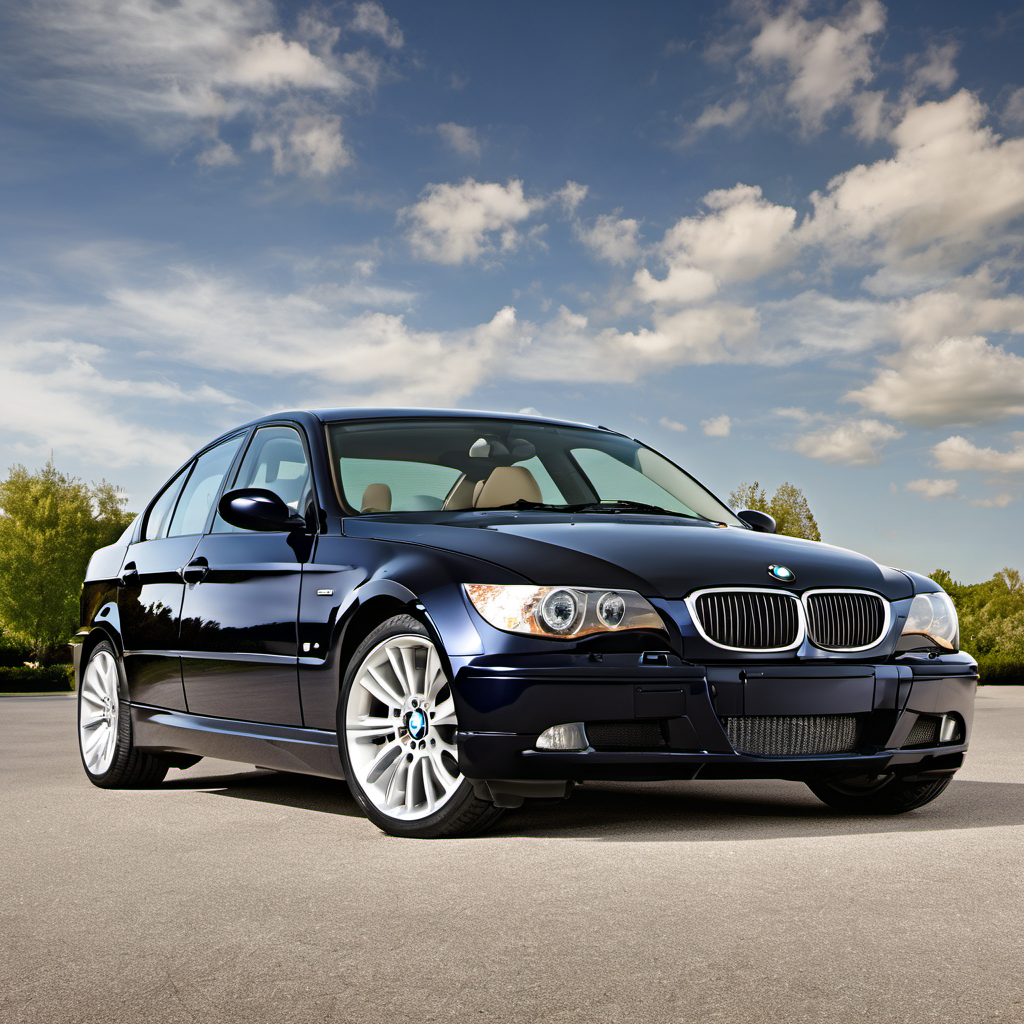
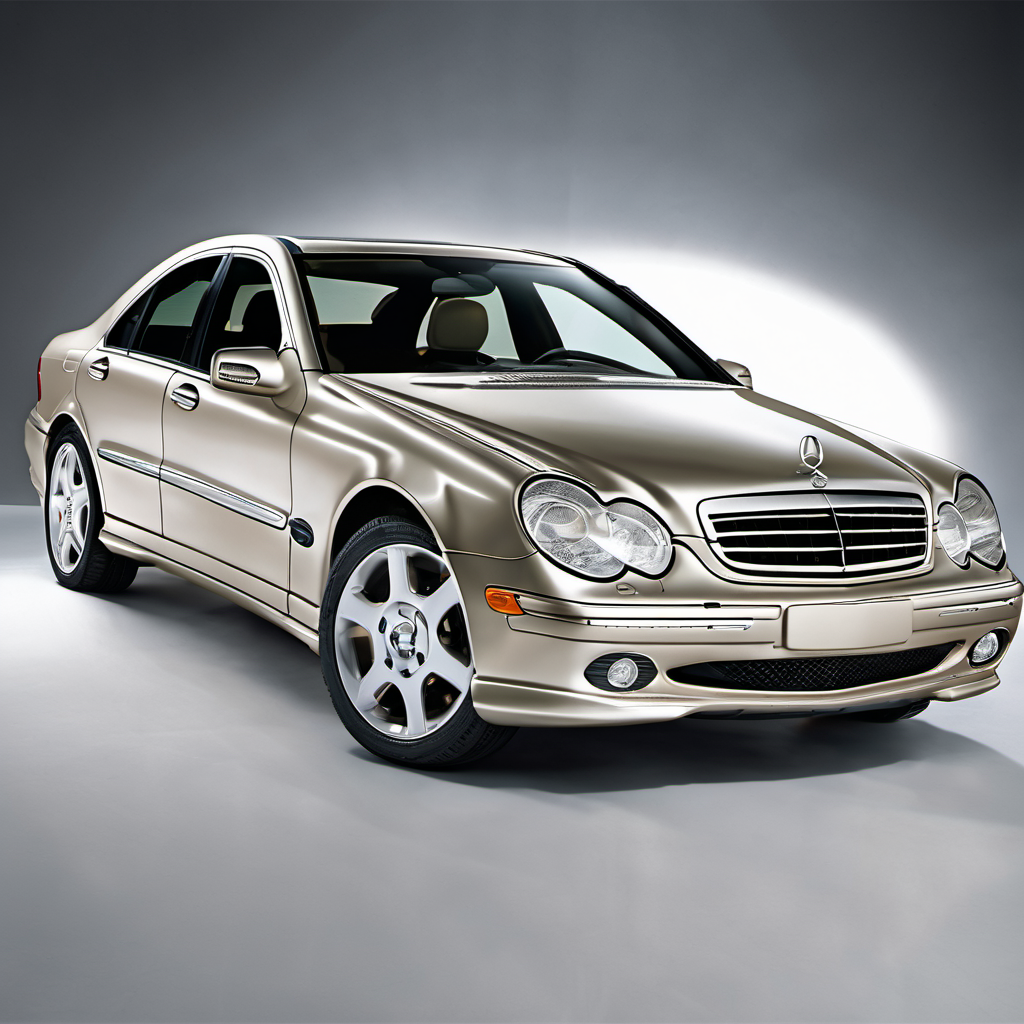
2006 BMW 3 Series Coupe

2006 BMW

3 SeriesCoupe

Coupe

The 2006 BMW 3 Series Coupe (E46 generation successor — this is actually the E90/E92 generation, the first model year of the then-new platform) is a two-door version of BMW's bread-and-butter sports sedan. Powered by the naturally aspirated 2.5L inline-six in the 325Ci trim, it delivers the classic BMW formula: balanced rear-wheel-drive handling, a rev-happy engine, and a driver-focused cockpit. It sits squarely in the entry-to-mid luxury sport coupe segment. The E90-generation 3 Series was praised at launch for its sharp steering, composed ride, and interior quality. The 325i/325Ci with the M54/N52 six is generally considered the sweet spot in the lineup — less complex than the turbocharged N54 that arrived later, and more satisfying than the four-cylinder variants. That said, BMW's maintenance costs are real, and a 19-year-old example needs to be evaluated honestly before purchase. At nearly two decades old, this car rewards owners who stay on top of maintenance and punishes those who don't. Find a well-documented car with independent BMW shop records, budget for rubber and cooling system work, and this is genuinely one of the more enjoyable daily drivers at its used price point.

Reliability
3/5
Verified data
Specs shown for 325ci Convertible — the most common configuration. Other trims may vary in engine, drivetrain, or fuel economy. Sign in to see your vehicle's exact specs.
Engine
[object Object]
Drivetrain
RWD
Fuel
Premium gasoline
MPG
17 city / 25 hwy / 20 combined
Seats
Doors
Body
Minicompact Cars

Overview

AI-curated

The 2006 BMW 3 Series Coupe (E46 generation successor — this is actually the E90/E92 generation, the first model year of the then-new platform) is a two-door version of BMW's bread-and-butter sports sedan. Powered by the naturally aspirated 2.5L inline-six in the 325Ci trim, it delivers the classic BMW formula: balanced rear-wheel-drive handling, a rev-happy engine, and a driver-focused cockpit. It sits squarely in the entry-to-mid luxury sport coupe segment. The E90-generation 3 Series was praised at launch for its sharp steering, composed ride, and interior quality. The 325i/325Ci with the M54/N52 six is generally considered the sweet spot in the lineup — less complex than the turbocharged N54 that arrived later, and more satisfying than the four-cylinder variants. That said, BMW's maintenance costs are real, and a 19-year-old example needs to be evaluated honestly before purchase. At nearly two decades old, this car rewards owners who stay on top of maintenance and punishes those who don't. Find a well-documented car with independent BMW shop records, budget for rubber and cooling system work, and this is genuinely one of the more enjoyable daily drivers at its used price point.

Known for
  • Rewarding rear-wheel-drive handling and precise steering
  • Smooth, free-revving inline-six engine
  • Premium interior fit and finish for the era
  • Higher-than-average maintenance and repair costs
  • Strong enthusiast community and parts availability
Best for
  • Driving enthusiasts who prioritize feel over practicality
  • Owners comfortable with independent European shop relationships
  • Buyers who can afford periodic $500–$1,500 repair cycles
  • Two-passenger daily driving with occasional rear seat use
Watch for
  • Deferred maintenance — BMW service intervals are long but the costs stack up when skipped
  • Cooling system components (water pump, thermostat, expansion tank) are age-critical on all 2006 examples
  • High-pressure fuel pump and VANOS (variable valve timing) issues on the N52 engine
  • Electronic gremlins in aging iDrive, windows, and sunroof modules
  • RWD in Wisconsin winters demands proper winter tires — summer performance tires are dangerous on ice

Common issues by mileage

6 known

Cooling system failure (water pump, thermostat, expansion tank)

high
Typically appears
60–100k mi
Estimated repair
$600 – $1,200

Secondary air injection pump failure (smog pump)

medium
Typically appears
60–120k mi
Estimated repair
$400 – $900

Oxygen sensor heater circuit failure

medium
Typically appears
80–130k mi
Estimated repair
$150 – $400

Power window regulator failure (coupe doors)

high
Typically appears
60–150k mi
Estimated repair
$200 – $450

Rear subframe and differential mount bushing wear

medium
Typically appears
80–150k mi
Estimated repair
$400 – $1,000

Maintenance schedule

  1. 1
    Every 5,000–7,500 miles or annually — do not stretch to BMW's 15k OLM interval on a used, high-mileage engine Engine oil change (full synthetic 5W-30 BMW LL-01 spec)

    The N52 VANOS system is oil-pressure-dependent. Dirty or low oil accelerates solenoid and chain wear. Shorter intervals are cheap insurance on a 19-year-old engine.

  2. 2
    Every 3 years or 36,000 miles; inspect water pump impeller and expansion tank for cracks at each service Coolant flush and cooling system inspection

    The plastic water pump impeller and expansion tank are known failure points. A surprise coolant loss on a Wisconsin highway in winter is a tow call and potentially a warped head.

  3. 3
    Inspect at 70k miles; clean solenoid screens at oil change if rough idle or DTC P0012/P0015 present VANOS solenoid cleaning or replacement

    Sludged VANOS solenoids cause timing retard codes and rough idle. Cleaning is cheap; ignoring it leads to full VANOS unit replacement.

  4. 4
    Every 2 years regardless of mileage Brake fluid flush

    BMW's DSC and ABS systems are sensitive to moisture-saturated brake fluid. Wisconsin's temperature swings accelerate moisture absorption.

  5. 5
    Every 15,000–20,000 miles Cabin and engine air filter replacement

    Wisconsin road dust and salt residue clog filters faster than dry-climate estimates. A dirty engine air filter affects N52 fuel trims.

  6. 6
    Every 50,000 miles on used purchase; every 60k thereafter Differential and manual transmission fluid change

    BMW calls these sealed-for-life, but that spec assumes ideal conditions. Used cars rarely have fluid change history; fresh fluid protects against wear and cold-start stiffness.

  7. 7
    Every 7,500 miles or at each oil change Tire rotation and alignment check

    RWD coupes wear tires unevenly. Wisconsin pothole season and road frost heaves knock alignment out regularly; misalignment chews rear tires fast.

  8. 8
    Every fall before winter season Battery load test

    BMW's IBS (intelligent battery sensor) means a failing battery can trigger multiple unrelated fault codes. Sub-zero Lake Geneva winters kill marginal batteries quickly; test and replace proactively.

Always defer to the manufacturer's service manual for warranty-mandated intervals.

Cost of ownership

Annual maintenance
$800 – $2,000
Fuel
Premium (91+ octane) required. At 20 MPG combined and ~15,000 miles/year, budget roughly $2,100–$2,500/year at current Wisconsin premium prices.
Insurance
Expect mid-to-upper range for a sport coupe in its class — typically $1,200–$1,800/year for a driver with clean record in the Lake Geneva area, depending on coverage level and age of driver.

This is not a cheap car to own. Routine maintenance (oil, brakes, filters, fluids) runs $800–$1,200/year if nothing breaks. Factor in one significant repair per year (cooling system, VANOS, bushings) and the realistic annual spend is $1,500–$3,000+. Parts are readily available, and a good independent BMW shop charges meaningfully less than the dealer. The car rewards owners who address small issues early before they cascade.
Seasonal care

Lake Geneva, WI
Winter
  • Install a dedicated set of winter tires on steel or alloy wheels — RWD on all-season tires in Wisconsin is genuinely dangerous; this is non-negotiable for Lake Geneva winters.
  • Load-test the battery every October; BMW electronics are especially sensitive to weak batteries in cold starts and will throw misleading fault codes.
  • Switch to a full synthetic 5W-30 oil if not already used — cold flow at sub-zero temps matters for VANOS and chain tensioner lubrication on start-up.
  • Top up washer fluid with a -25°F or lower rated fluid; the low washer reservoir on the E9x body dumps fluid fast on salted Wisconsin roads.
  • Inspect and treat underbody and wheel well areas for rust annually — road salt is aggressive and this generation BMW has known corrosion spots at the rear subframe mounts.
  • Check DSC (Dynamic Stability Control) and ABS warning lights before winter driving season; these systems are critical on ice and a stored fault from summer may not be obvious until you need them.
Summer
  • Check tire pressure after the first hot week — RWD performance tires lose handling precision when overinflated from heat; re-set to door placard spec.
  • Inspect the cooling system expansion tank and hoses before summer heat — the plastic tank is prone to cracking and heat soak accelerates failure on already-aged components.
  • Test A/C refrigerant charge and cabin filter before June; the E9x cabin filter is often neglected and a clogged filter dramatically reduces A/C effectiveness.
  • Check brake pad depth entering summer — spirited driving on warm roads increases fade risk on worn pads, and summer track days (Road America is 45 min away) demand fresh pads and fluid.

Comparable vehicles

If you're shopping for one

Red flags
  • No maintenance records or 'just serviced at Jiffy Lube' history — this engine needs BMW-spec oil and a shop that understands the service indicator system.
  • Any VANOS or camshaft timing DTC codes present at purchase without a clear repair record.
  • Rust at the rear subframe mounting points — repair costs can exceed the car's value.
  • Mismatched tires, worn rear tires only, or all-season tires on a car claimed to be driven 'normally' — suggests aggressive driving with poor maintenance.
  • Coolant reservoir with brown or rusty fluid — indicates severely neglected cooling system servicing.
  • Multiple unrelated warning lights or iDrive faults — can indicate a failing battery or deeper electrical issues that are expensive to diagnose on BMW systems.
What to inspect
  • Cooling system: squeeze the expansion tank cold — if it's brittle or yellowish, it's overdue for replacement. Ask when water pump was last done.
  • Pull codes with an OBD-II scanner before purchase — VANOS codes (P0012, P0015, P0022) and O2 sensor codes (P0030–P0036) are common and expensive to ignore.
  • Check for oil leaks at the valve cover gasket and oil filter housing gasket — both are common on the N52 and visible from above without a lift.
  • Inspect the rear subframe mounting points underneath for rust or cracking — a critical structural failure point on E46/E9x BMWs in salt-belt states.
  • Test every power window, sunroof, and the iDrive controller — these are expensive to repair and frequently fail on cars this age.
  • Look for evidence of overheating (bubbling in coolant reservoir, milky oil cap, white exhaust smoke) — a past overheat on an unmaintained cooling system can mean a warped head.
AI profile generated 4 days ago · claude-sonnet-4-6 · v2.