Timing Belt Failure / Overdue Replacement
high- Typically appears
- 80–120k mi (every ~100k mi or 10 years)
- Estimated repair
- $600 – $950
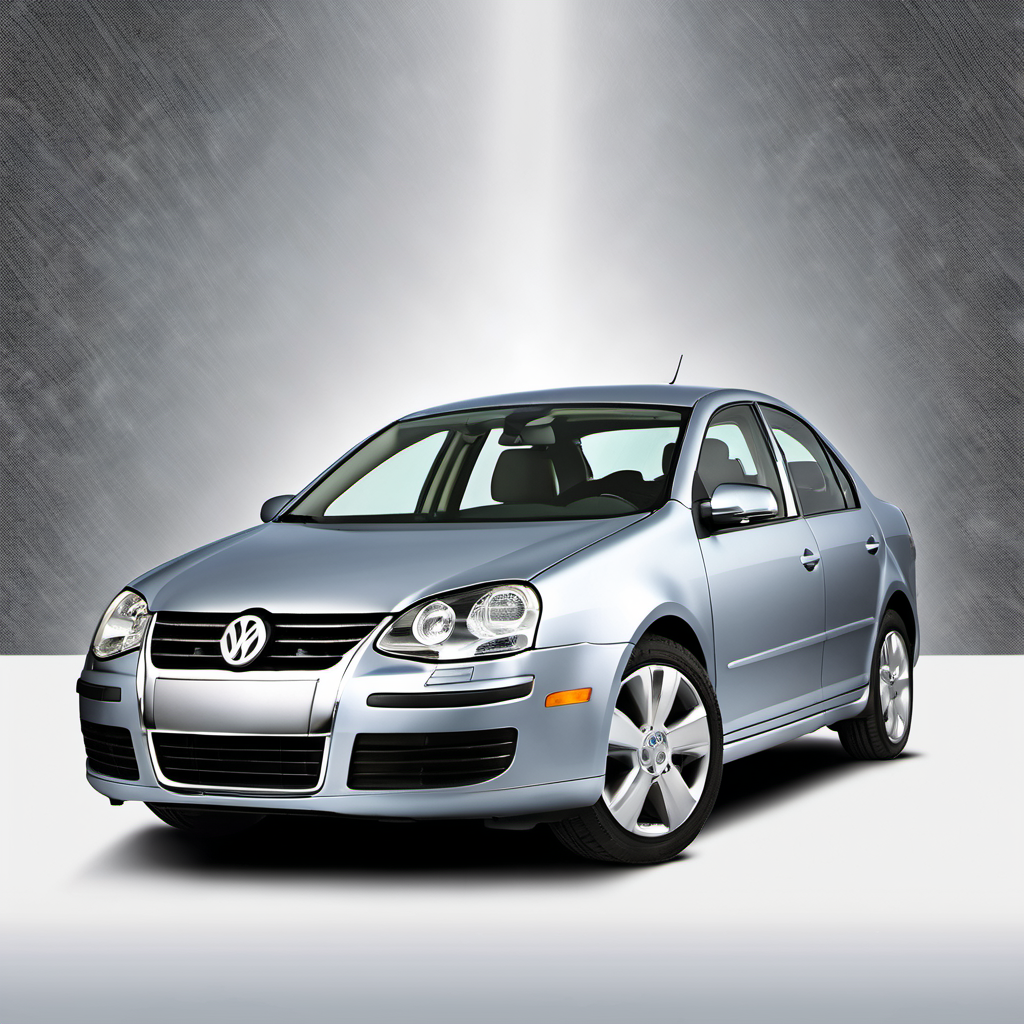
2006 Volkswagen
Sedan
The 2006 Volkswagen Jetta TDI is the fifth-generation (Mk5) Jetta powered by VW's legendary 1.9L ALH/BRM turbodiesel four-cylinder. At a time when gasoline was climbing past $3/gallon, the TDI attracted buyers with genuine 40+ mpg real-world fuel economy and a torquey, highway-friendly driving character. It was one of the few diesel sedans available in the U.S. market and built a devoted following. The Mk5 Jetta was a significant step up in interior quality over the Mk4 it replaced — noticeably quieter cabin, more upscale materials, and a larger footprint. The TDI variant specifically pairs a 100-hp turbodiesel with either a 5-speed manual or 6-speed DSG dual-clutch automatic. Torque (177 lb-ft) arrives early and makes the car feel quick in everyday driving despite modest horsepower numbers. Now approaching 20 years old, these cars are squarely in high-maintenance territory. Timing belt, fuel injection components, and cooling system are the main financial exposures. Owners who stay on top of service can realistically push past 200k miles; owners who don't will face expensive repairs. Parts availability is still good through the active TDI enthusiast community.
The 2006 Volkswagen Jetta TDI is the fifth-generation (Mk5) Jetta powered by VW's legendary 1.9L ALH/BRM turbodiesel four-cylinder. At a time when gasoline was climbing past $3/gallon, the TDI attracted buyers with genuine 40+ mpg real-world fuel economy and a torquey, highway-friendly driving character. It was one of the few diesel sedans available in the U.S. market and built a devoted following. The Mk5 Jetta was a significant step up in interior quality over the Mk4 it replaced — noticeably quieter cabin, more upscale materials, and a larger footprint. The TDI variant specifically pairs a 100-hp turbodiesel with either a 5-speed manual or 6-speed DSG dual-clutch automatic. Torque (177 lb-ft) arrives early and makes the car feel quick in everyday driving despite modest horsepower numbers. Now approaching 20 years old, these cars are squarely in high-maintenance territory. Timing belt, fuel injection components, and cooling system are the main financial exposures. Owners who stay on top of service can realistically push past 200k miles; owners who don't will face expensive repairs. Parts availability is still good through the active TDI enthusiast community.
Interference engine — belt failure destroys the engine with no warning. This is the single most important service item on the 1.9L TDI. Verify documentation before purchase.
The PD injector system requires oil that meets VW 505.01 specification. Standard diesel or generic oil can damage the injectors. Do not substitute.
Diesel fuel quality in the U.S. varies. A clogged fuel filter causes hard starting, power loss, and injector stress. Inexpensive and easy to overlook.
VW's recommended interval is 40k. Many owners skip this entirely, leading to costly mechatronic unit damage. Use only VW-specified DSG fluid.
Carbon buildup in the EGR and intake manifold is normal on TDI engines. Early cleaning is far cheaper than waiting for a power-robbing blockage.
Aging plastic flanges and hose ends crack without warning. Flushing also prevents corrosion inhibitor breakdown that accelerates plastic degradation.
VW specifies 2-year brake fluid intervals. Moisture-saturated fluid lowers boiling point — a real concern on hilly Wisconsin roads in summer.
Mk5 Jettas are known for restricted airflow when this is neglected, leading to foggy windows and reduced A/C and heat performance in Wisconsin winters.
Always defer to the manufacturer's service manual for warranty-mandated intervals.
Fuel savings are real, but don't expect a cheap-to-own car. The TDI's specialty fluids, timing belt, injectors, and DSG service add up. Budget on the high end if the car has deferred maintenance. A well-maintained example with documented service history will reward you; a mystery-history car can easily cost $3,000–$5,000 in catch-up repairs in year one.
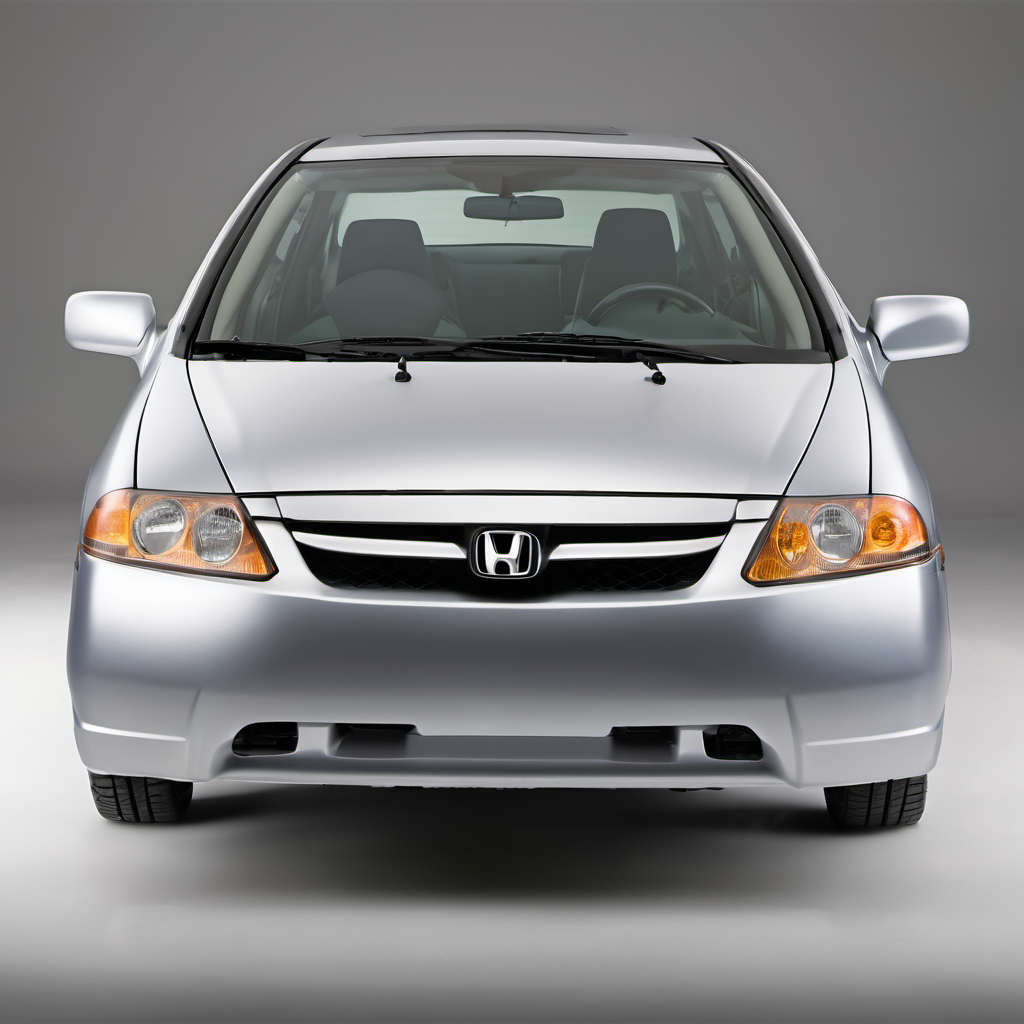
Same compact sedan class and similar used pricing. The Civic is more reliable overall and cheaper to maintain, though it can't match the TDI's torque or diesel fuel economy.
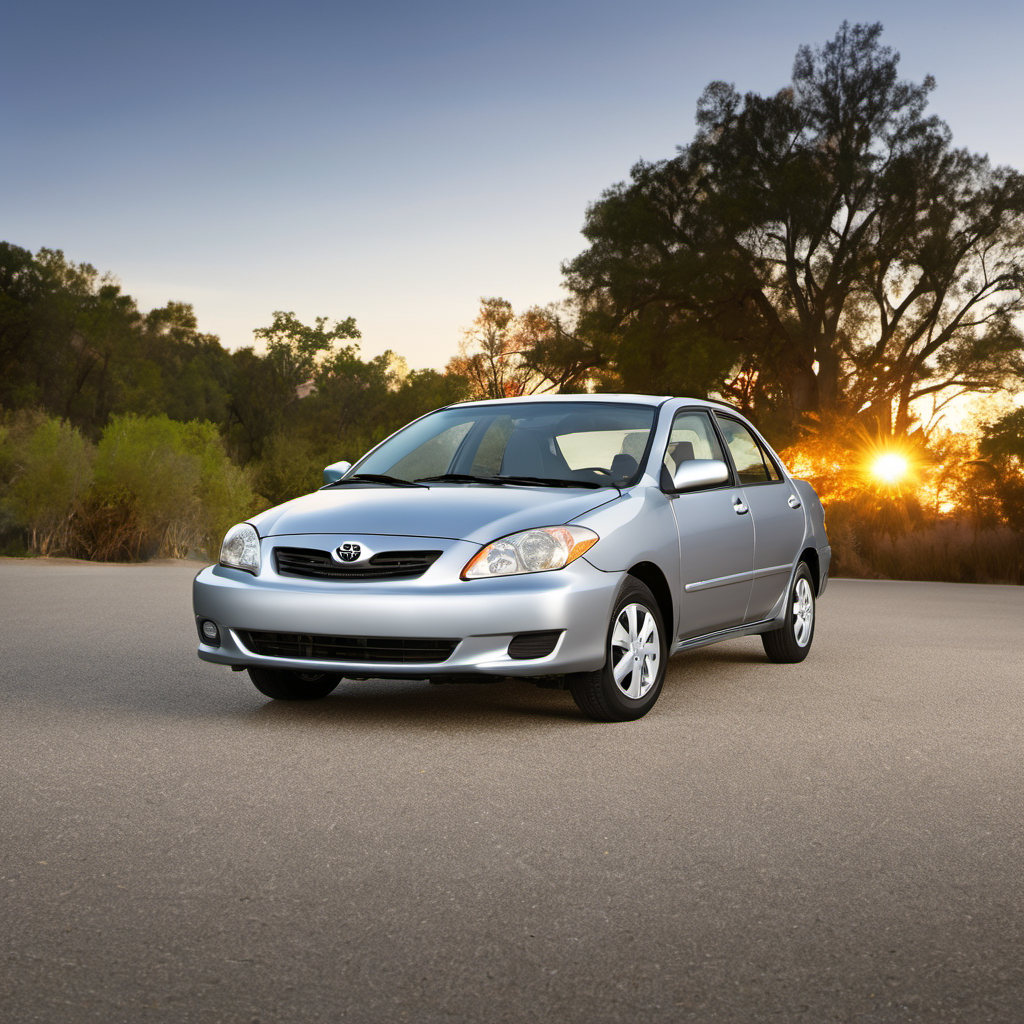
Direct size and price competitor. Far simpler mechanically and cheaper to maintain long-term, but gives up the TDI's highway fuel economy advantage and driving character.
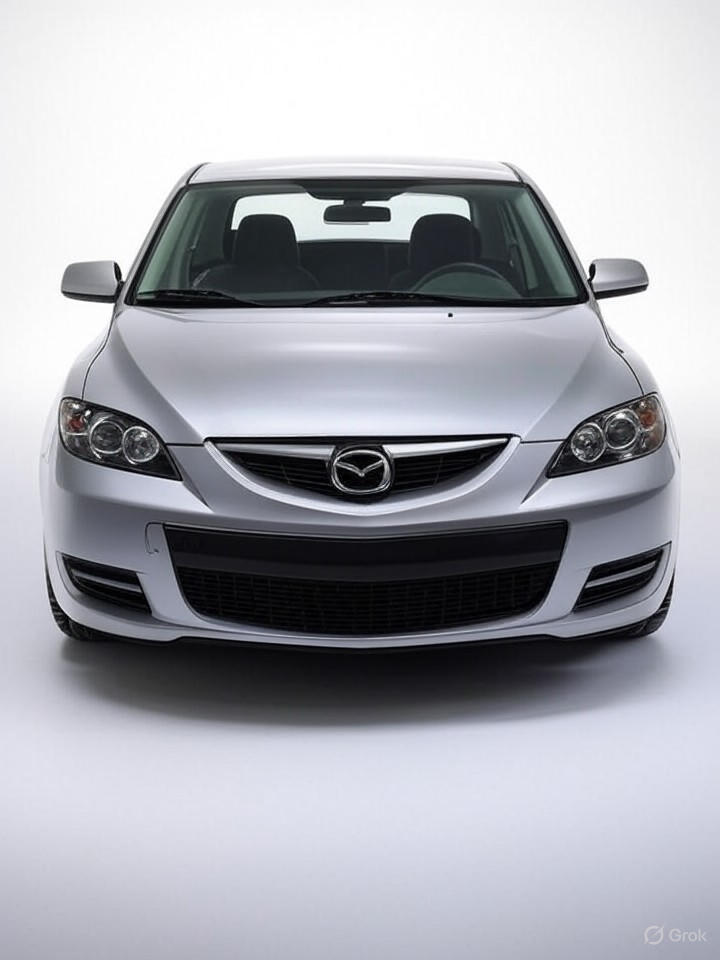
Sporty compact sedan at a similar used price point. Better reliability reputation than the Mk5 Jetta and more engaging to drive, though gasoline-only and no diesel option.
If the appeal is specifically European diesel refinement, the E90 320d offers a similar diesel driving experience with more rear-seat room and a more premium feel — but at significantly higher maintenance cost.
No catalog match