CVTC (Cam Timing) Solenoid Sludge / Oil Starvation
high- Typically appears
- 60–150k mi
- Estimated repair
- $200 – $900
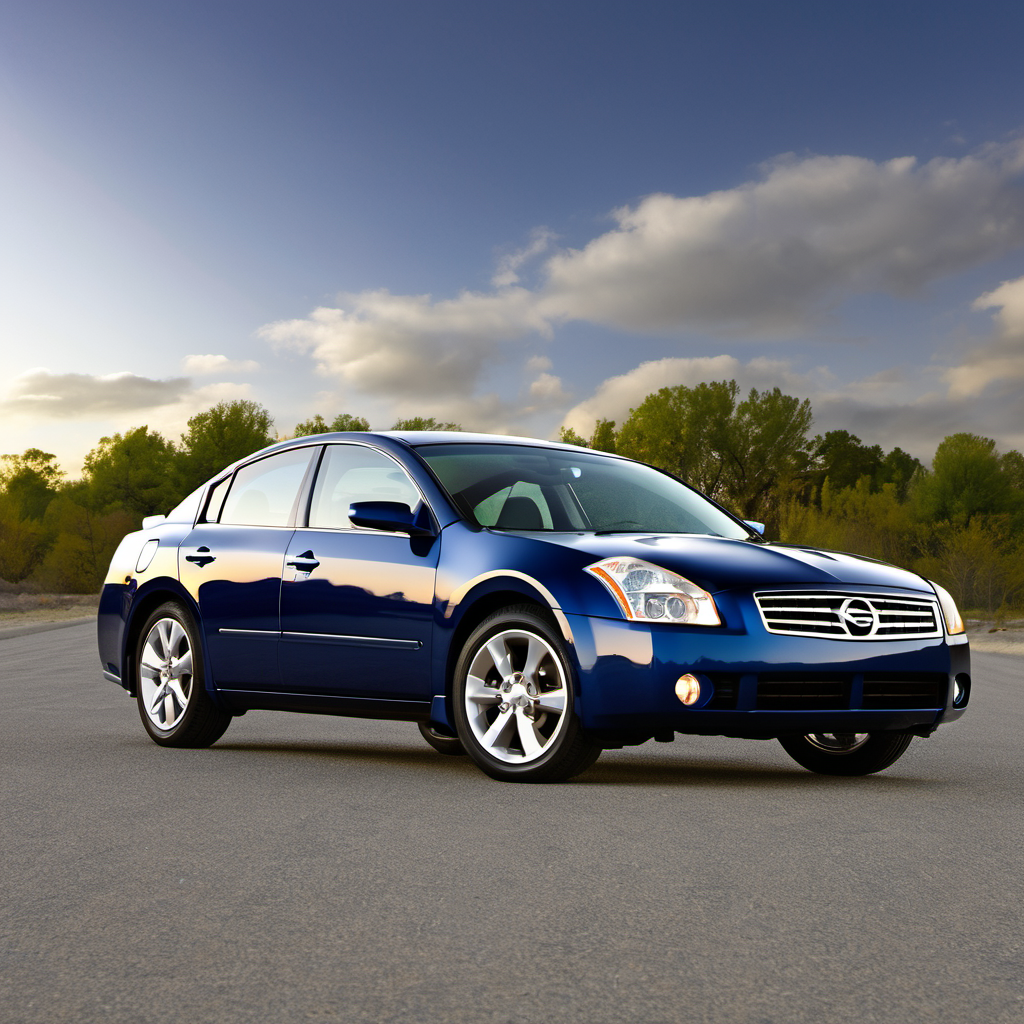
2006 Nissan
Sedan
The 2006 Nissan Maxima is a front-wheel-drive sport sedan powered by Nissan's proven 3.5L VQ35DE V6. This was the sixth generation of the Maxima (A34 platform), carrying over the sporty identity Nissan marketed as a '4-Door Sports Car.' It sits above the Altima in Nissan's lineup and competes with the Toyota Camry V6 and Honda Accord V6 for buyers who want real performance with four-door practicality. At nearly 20 years old, a 2006 Maxima is solidly in high-mileage used-car territory. The VQ35 engine is legendarily durable and one of the main reasons these cars stay on the road so long. The rest of the car — suspension, electronics, and transmission — requires more attention at this age, especially if it's been driven through Wisconsin winters. Buyers and current owners should focus maintenance on the CVTC (continuously variable valve timing) system, catalytic converters, and the CVT-adjacent 5-speed automatic, all of which show wear patterns in this mileage bracket. Rust is a real concern on any upper-Midwest example.
The 2006 Nissan Maxima is a front-wheel-drive sport sedan powered by Nissan's proven 3.5L VQ35DE V6. This was the sixth generation of the Maxima (A34 platform), carrying over the sporty identity Nissan marketed as a '4-Door Sports Car.' It sits above the Altima in Nissan's lineup and competes with the Toyota Camry V6 and Honda Accord V6 for buyers who want real performance with four-door practicality. At nearly 20 years old, a 2006 Maxima is solidly in high-mileage used-car territory. The VQ35 engine is legendarily durable and one of the main reasons these cars stay on the road so long. The rest of the car — suspension, electronics, and transmission — requires more attention at this age, especially if it's been driven through Wisconsin winters. Buyers and current owners should focus maintenance on the CVTC (continuously variable valve timing) system, catalytic converters, and the CVT-adjacent 5-speed automatic, all of which show wear patterns in this mileage bracket. Rust is a real concern on any upper-Midwest example.
The VQ35DE's CVTC system is highly sensitive to dirty oil. Sludge in the timing solenoids is the #1 cause of expensive repairs on this engine. Use full synthetic 5W-30.
The 5-speed automatic is durable but not sealed-for-life. Many used Maximas have never had a fluid service. Fresh fluid is cheap insurance against a $2,000–$4,000 transmission rebuild.
Factory interval is 105k, but used cars with unknown plug history should be inspected earlier. Worn plugs accelerate coil pack failure.
Degraded coolant becomes acidic and attacks aluminum components. Important on a 2006 that may still have original coolant.
Brake fluid absorbs moisture over time, lowering its boiling point and accelerating internal corrosion on ABS components — especially in high-humidity, road-salt environments.
The VQ35DE's direct-port injectors accumulate deposits with age, especially on vehicles that have used lower-grade fuel. Cleaning restores throttle response and fuel economy.
Lake Geneva roads get heavy salt treatment. Regular undercarriage flushing is the single most effective thing an upper-Midwest owner can do to extend the life of brake lines, exhaust, and subframe.
Proactive cleaning can avoid a full cam phaser replacement. If P0012, P0022, P0015, or P0025 are stored, address these before they cascade into timing chain damage.
Always defer to the manufacturer's service manual for warranty-mandated intervals.
A well-maintained 2006 Maxima is an economical car to own at this age. Routine services are affordable, parts are widely available, and the VQ35 engine rarely needs major work if oil changes are kept up. The main cost risks are deferred maintenance catch-up (timing system, transmission fluid, brakes) and rust-related repairs on upper-Midwest examples. Budget $800–$1,200/year for routine upkeep and keep a reserve for suspension and exhaust work as miles climb.
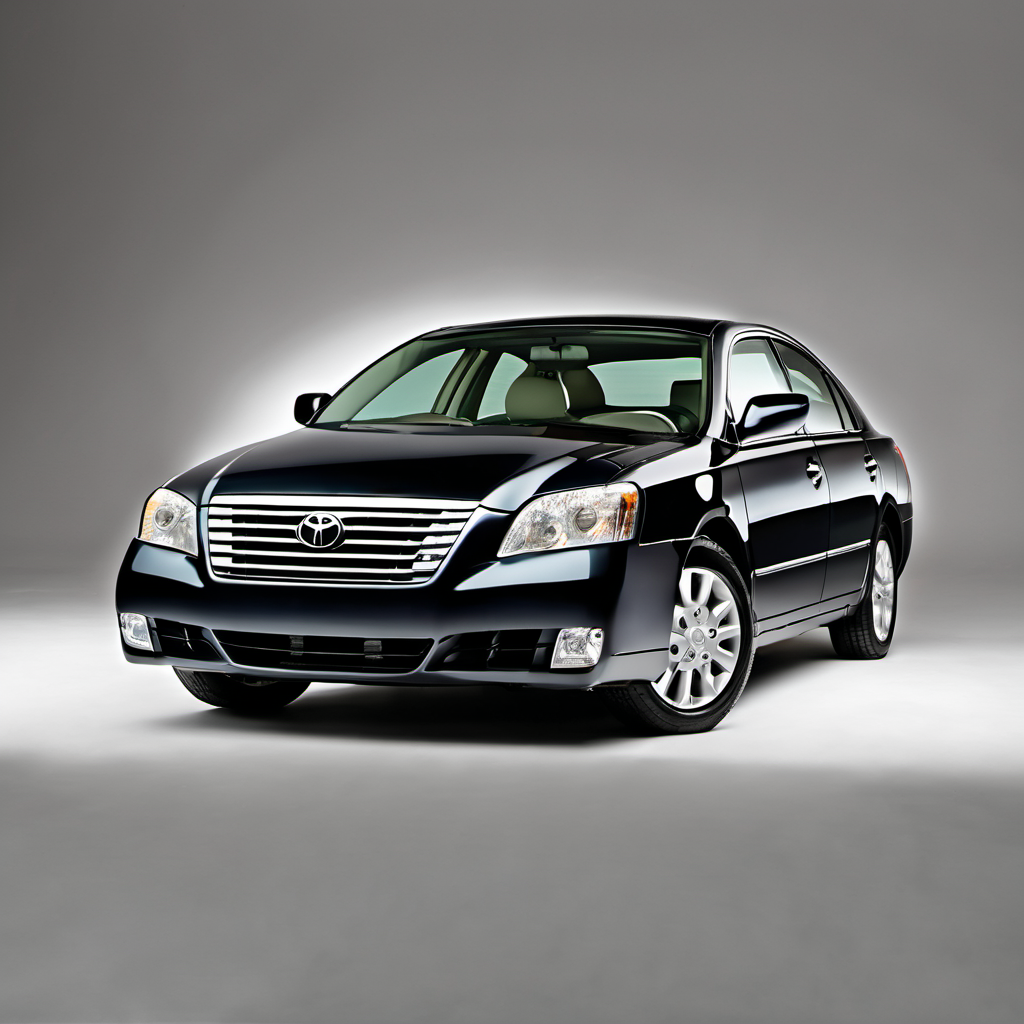
Similar V6 performance and interior space, FWD, with a slightly more reliable reputation for the transmission. Tends to cost a bit more used but holds up well.
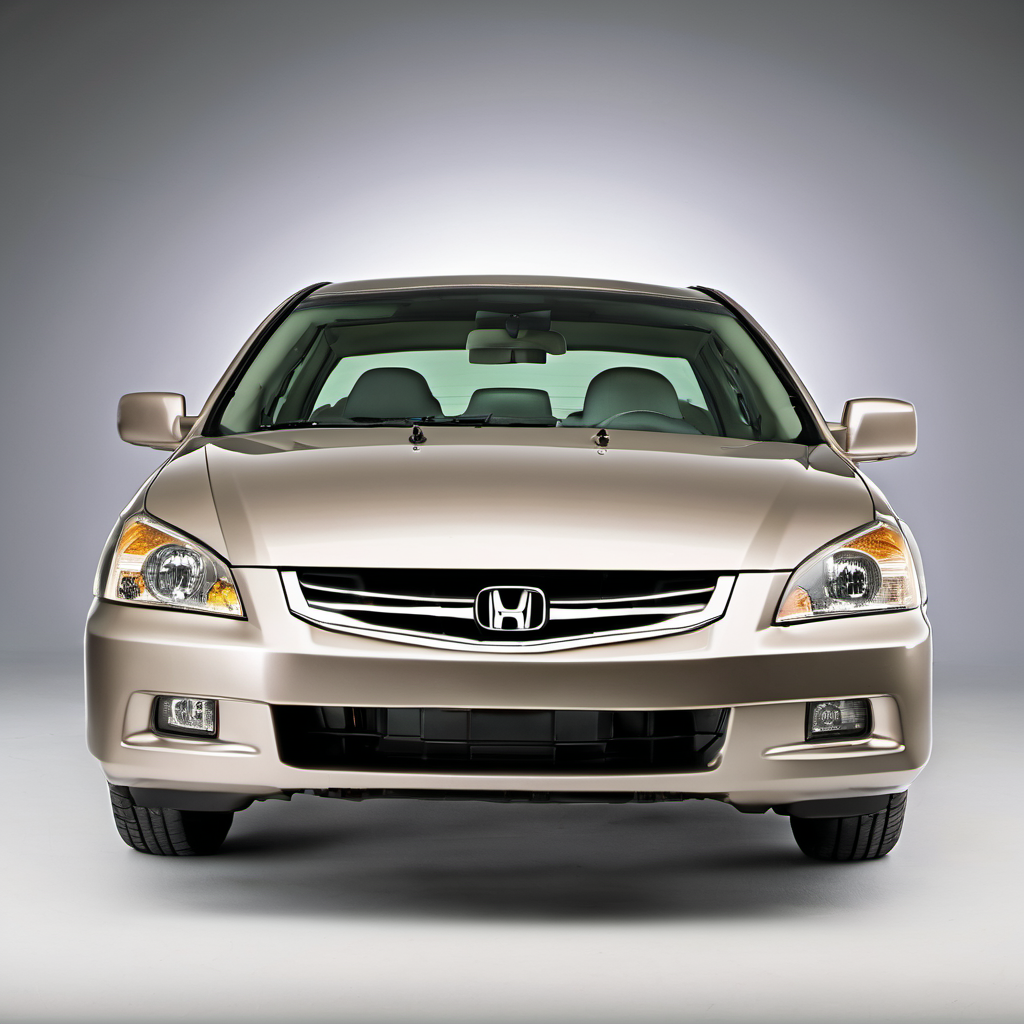
The V6 Accord EX is a direct competitor — slightly smaller but equally sporty, with Honda's well-regarded J35 V6. Parts availability and shop familiarity are excellent.
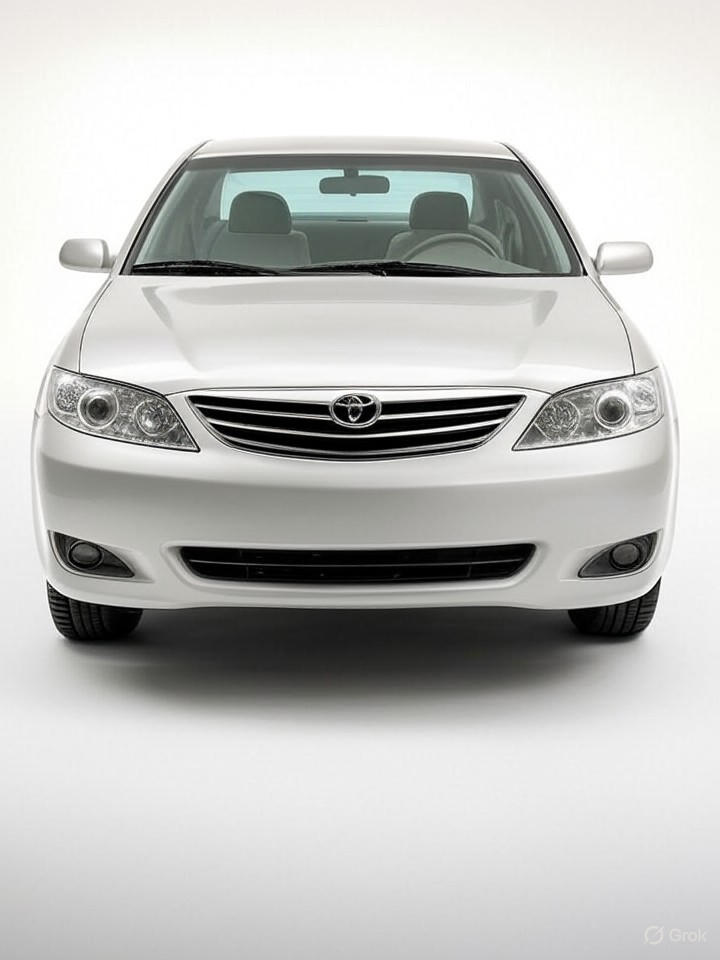
The V6 Camry is in the same price band, slightly less sporty but often better maintained on the used market. Strong long-term reliability track record.
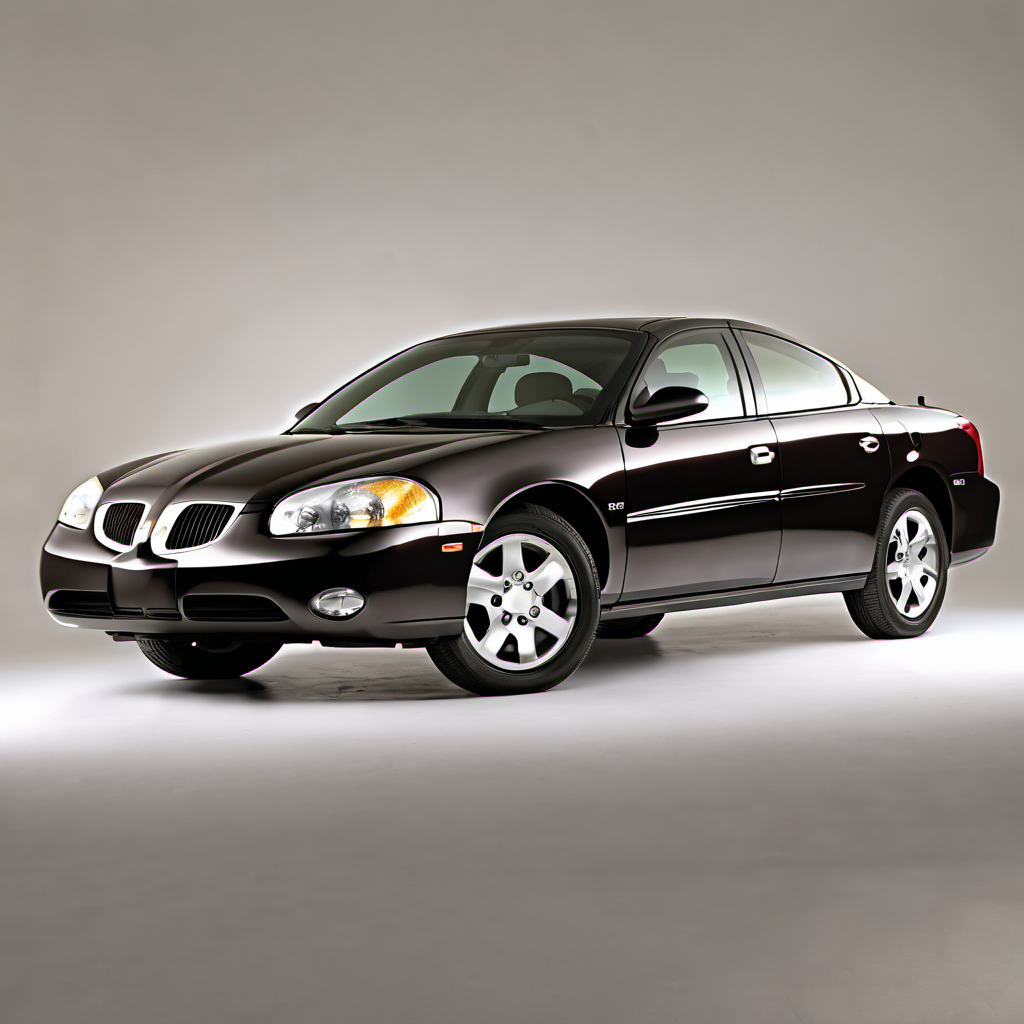
A domestic alternative at a similar used price point with a 3.8L or supercharged V6. More common in the Midwest, but parts support is fading as GM winds down the brand's legacy.