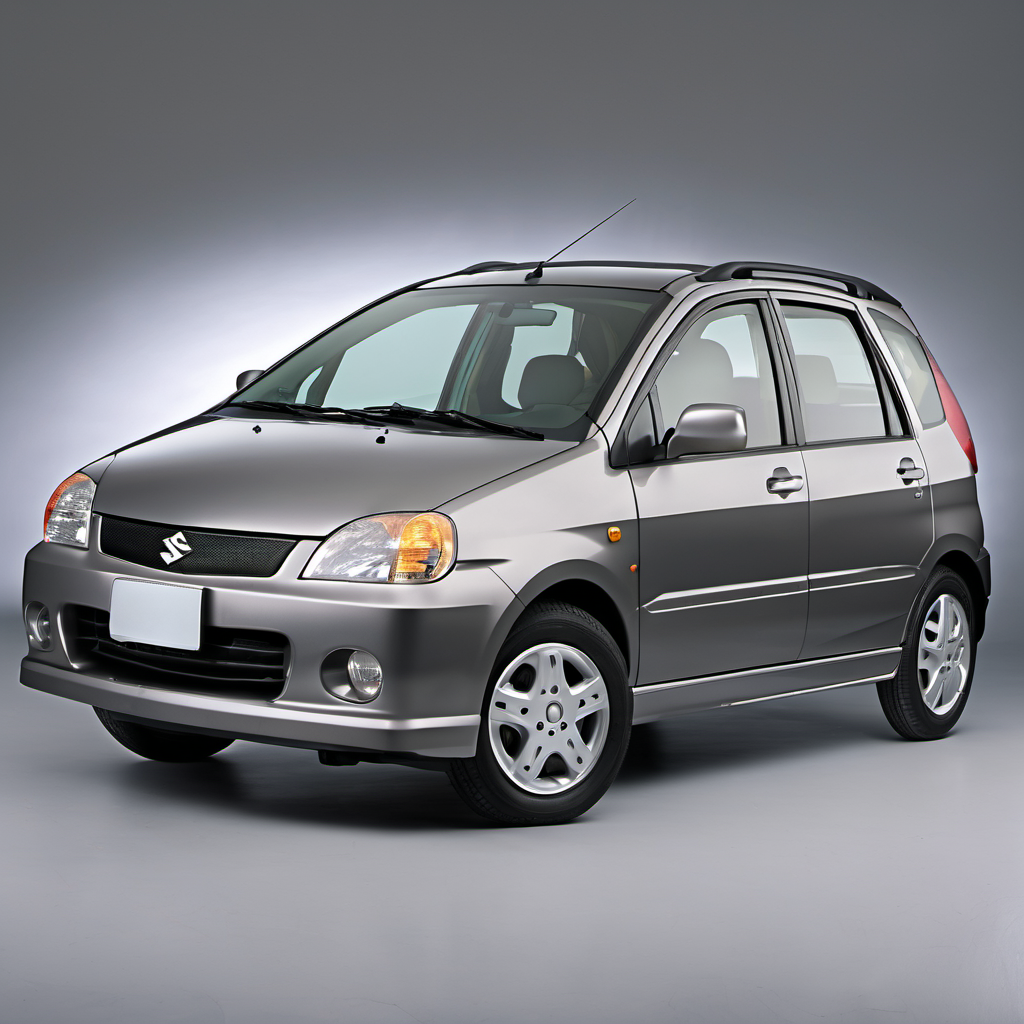
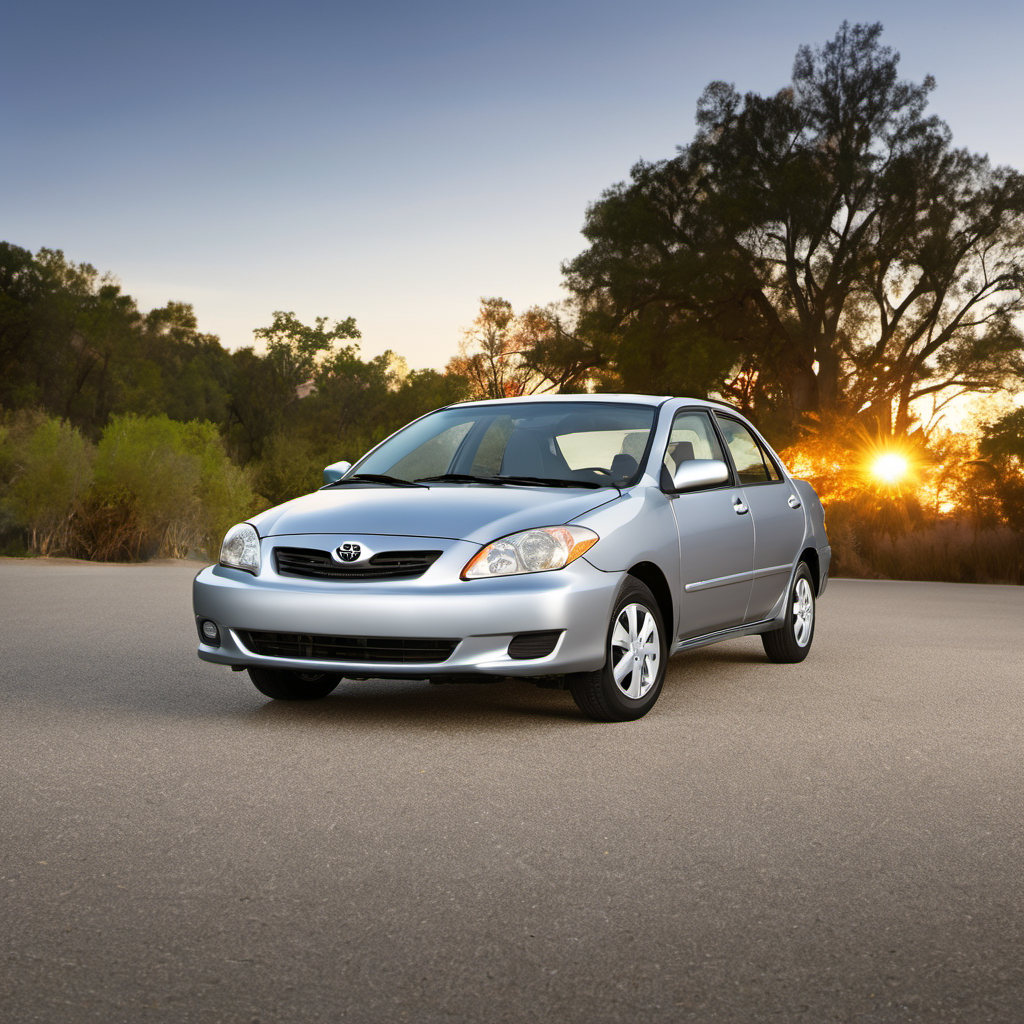
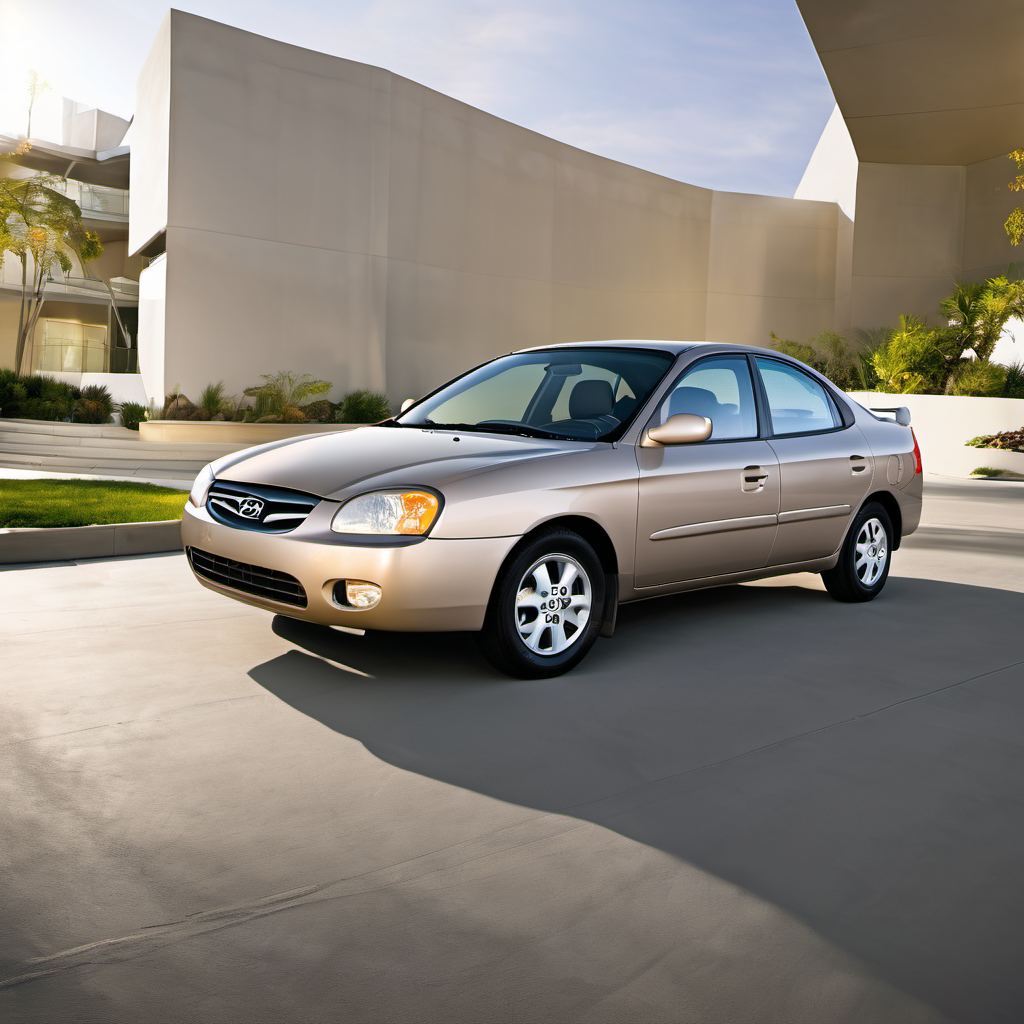
2006 Suzuki Aerio Sedan

2006 Suzuki

AerioSedan

Sedan

The 2006 Suzuki Aerio Sedan is a compact, front-wheel-drive car that wrapped up the final model year of Aerio production in North America. Suzuki positioned it as an affordable, practical sedan with a surprisingly roomy interior for its footprint — the tall greenhouse and boxy proportions give it more headroom and cargo flexibility than most cars its size. It was never a performance car, but it earned a reputation as a reliable, low-drama daily driver when properly maintained. Under the hood sits a 2.3L four-cylinder shared with late-model Aerio hatchbacks, producing adequate power for city and highway use. The 4-speed automatic was the dominant transmission choice. Fuel economy is decent for the era but not exceptional by modern standards. Parts availability has thinned as Suzuki exited the U.S. market in 2012, which is the biggest practical concern for any Aerio owner today. At this age, condition and maintenance history matter far more than anything else. A well-kept Aerio can still be a reliable commuter, but a neglected one can be an expensive headache given the shrinking parts supply. Budget accordingly and inspect carefully.

Reliability
3/5
Verified data
Specs shown for Aerio — the most common configuration. Other trims may vary in engine, drivetrain, or fuel economy. Sign in to see your vehicle's exact specs.
Engine
[object Object]
Drivetrain
FWD
Fuel
Gasoline
MPG
22 city / 28 hwy / 24 combined
Seats
Doors
Body
Compact Cars

Overview

AI-curated

The 2006 Suzuki Aerio Sedan is a compact, front-wheel-drive car that wrapped up the final model year of Aerio production in North America. Suzuki positioned it as an affordable, practical sedan with a surprisingly roomy interior for its footprint — the tall greenhouse and boxy proportions give it more headroom and cargo flexibility than most cars its size. It was never a performance car, but it earned a reputation as a reliable, low-drama daily driver when properly maintained. Under the hood sits a 2.3L four-cylinder shared with late-model Aerio hatchbacks, producing adequate power for city and highway use. The 4-speed automatic was the dominant transmission choice. Fuel economy is decent for the era but not exceptional by modern standards. Parts availability has thinned as Suzuki exited the U.S. market in 2012, which is the biggest practical concern for any Aerio owner today. At this age, condition and maintenance history matter far more than anything else. A well-kept Aerio can still be a reliable commuter, but a neglected one can be an expensive headache given the shrinking parts supply. Budget accordingly and inspect carefully.

Known for
  • Roomy interior relative to its compact footprint
  • Affordable purchase price — one of the cheapest sedans in its day
  • Generally reliable drivetrain when oil changes are kept up
  • Tall roofline offering above-average headroom
Best for
  • Budget-conscious commuters needing a simple A-to-B sedan
  • City drivers who value maneuverability and parking ease
  • Low-mileage, well-maintained examples as a second car
Watch for
  • Suzuki exited the U.S. market in 2012 — parts availability is limited and shrinking
  • Rust is a serious concern on any Aerio this old, especially in salt-heavy Wisconsin
  • Timing chain stretch and oil sludge in engines with poor maintenance history
  • Automatic transmission reliability drops sharply without regular fluid changes

Common issues by mileage

6 known

Engine oil sludge / timing chain stretch

high
Typically appears
80–150k mi
Estimated repair
$400 – $1,200

Oxygen sensor heater circuit failure

medium
Typically appears
70–120k mi
Estimated repair
$150 – $350

Automatic transmission slipping / delayed engagement

medium
Typically appears
90–160k mi
Estimated repair
$800 – $2,500

Body rust — rocker panels, wheel arches, and underbody

high
Typically appears
Any mileage on salt-exposed vehicles
Estimated repair
$300 – $2,000

Intake/exhaust valve control solenoid fault (VVT-related)

medium
Typically appears
80–140k mi
Estimated repair
$200 – $600

Suspension bushing and strut wear

high
Typically appears
80k+ mi
Estimated repair
$300 – $900

Maintenance schedule

  1. 1
    Every 5,000 miles or 6 months — whichever comes first Engine oil and filter change

    The 2.3L I4 is prone to oil sludge. Use a quality 5W-30 full-synthetic and do not stretch intervals. This is the single most important thing you can do for longevity.

  2. 2
    Every 30,000 miles Automatic transmission fluid change

    Suzuki's 4-speed automatic is sensitive to degraded fluid. Many Aerio transmissions fail prematurely due to skipped services. Use the OEM-spec fluid type.

  3. 3
    Every 4–5 years or 50,000 miles Coolant flush

    Old coolant loses its anti-corrosion inhibitors, attacking the aluminum engine components and water pump. Critical in Wisconsin's freeze-thaw cycles.

  4. 4
    Every 60,000 miles Spark plug replacement

    Standard iridium plugs are due around this interval. Worn plugs cause rough idle and can stress the ignition coils on this older system.

  5. 5
    Every 2–3 years Brake fluid flush

    Brake fluid absorbs moisture over time, lowering boiling point. In Wisconsin winters with hard stops on cold brakes, fresh fluid is a safety item.

  6. 6
    Inspect every 30,000 miles; replace by 90,000 miles or at first sign of cracking Serpentine belt inspection and replacement

    A broken serpentine belt strands the car and can damage the cooling system. At this vehicle's age, belt rubber is a primary concern regardless of mileage.

  7. 7
    Every spring after winter season Underbody and rocker panel rust inspection

    Wisconsin road salt accelerates rust aggressively. Catch surface rust early — once rockers and subframe points rot through, repair costs exceed the car's value.

  8. 8
    Every 15,000–20,000 miles Cabin and engine air filter replacement

    A clogged engine air filter reduces fuel economy and performance. The cabin filter, often overlooked on older cars, affects defrost efficiency in winter.

Always defer to the manufacturer's service manual for warranty-mandated intervals.

Cost of ownership

Annual maintenance
$400 – $900
Fuel
At 24 MPG combined and ~15,000 miles/year, expect roughly $1,600–$2,000/year at current Upper Midwest gas prices.
Insurance
Typically low — older compact sedan with modest value. Expect $600–$1,100/year depending on driver profile.

The Aerio's low purchase price is its main draw. Routine maintenance is inexpensive, and the 2.3L engine is not complex. The hidden risk is parts sourcing — Suzuki left the U.S. in 2012, and some components now require hunting through online suppliers or salvage yards, which can add time and cost to otherwise simple repairs. Budget a contingency fund for age-related failures; a car this old can throw one or two surprise bills per year.
Seasonal care

Lake Geneva, WI
Winter
  • Swap to winter tires before temps drop below 45°F — the standard all-season tires on most Aerios lose grip quickly in snow and ice.
  • Check battery health before November. Cold cranking amps drop sharply below 0°F and a battery older than 3 years is a real stranding risk.
  • Top off washer fluid with a -20°F or lower rated formula. The Aerio's tall windshield catches a lot of road spray and the reservoir empties fast.
  • Flush and refill coolant if not done recently — confirm it's mixed to at least -34°F protection for Wisconsin winters.
  • Rinse the underbody and wheel wells every 2–3 weeks during salt season. The Aerio's aging body panels rust faster than modern galvanized steel.
  • Keep the gas tank at least half full to reduce moisture condensation in the fuel system during extended cold snaps.
Summer
  • Check tire pressure monthly — for every 10°F rise in temperature, pressure increases about 1 PSI. Over-inflation in July heat causes uneven wear.
  • Inspect the A/C system before peak heat. Recharging an aging system is cheap; diagnosing a failed compressor is not.
  • Monitor coolant temperature gauge closely in stop-and-go traffic. A 20-year-old cooling system (water pump, thermostat, hoses) is at elevated risk of failure in sustained heat.
  • Check serpentine belt condition in spring — summer heat accelerates cracking on already-aged rubber.

Comparable vehicles

If you're shopping for one

Red flags
  • Any rust penetrating through the rocker panels or floor — structurally unsafe and repair cost will exceed the car's value.
  • Transmission slipping or refusing to engage — rebuilds are expensive and finding a good used unit is increasingly difficult.
  • Check engine light that the seller cannot explain with a scan report — on a car this old, unknown codes deserve a pre-purchase inspection.
  • Evidence of oil sludge (thick, tar-like oil on the dipstick or cap) — indicates chronic neglect; engine life is likely limited.
  • No maintenance records whatsoever on a high-mileage example — pass, or price it as a project.
What to inspect
  • Rocker panels, wheel arches, and undercarriage for rust — poke with a screwdriver; soft spots mean structural rust, not just surface oxidation.
  • Transmission behavior: should shift smoothly through all gears without hesitation, slipping, or thudding. A harsh 1-2 shift is a red flag.
  • Oil filler cap interior — check for white milky residue (coolant intrusion) or heavy sludge coating. Either is a dealbreaker without significant discount.
  • All four corners of the engine bay for oil seepage, especially around the valve cover and cam seals.
  • VIN history for accident records, and confirm the odometer reading is consistent with wear on pedals, steering wheel, and seat bolsters.
  • Confirm parts availability for any known needed repairs before committing to purchase — some Aerio parts now require lead time from specialty suppliers.
AI profile generated 6 min ago · claude-sonnet-4-6 · v2.