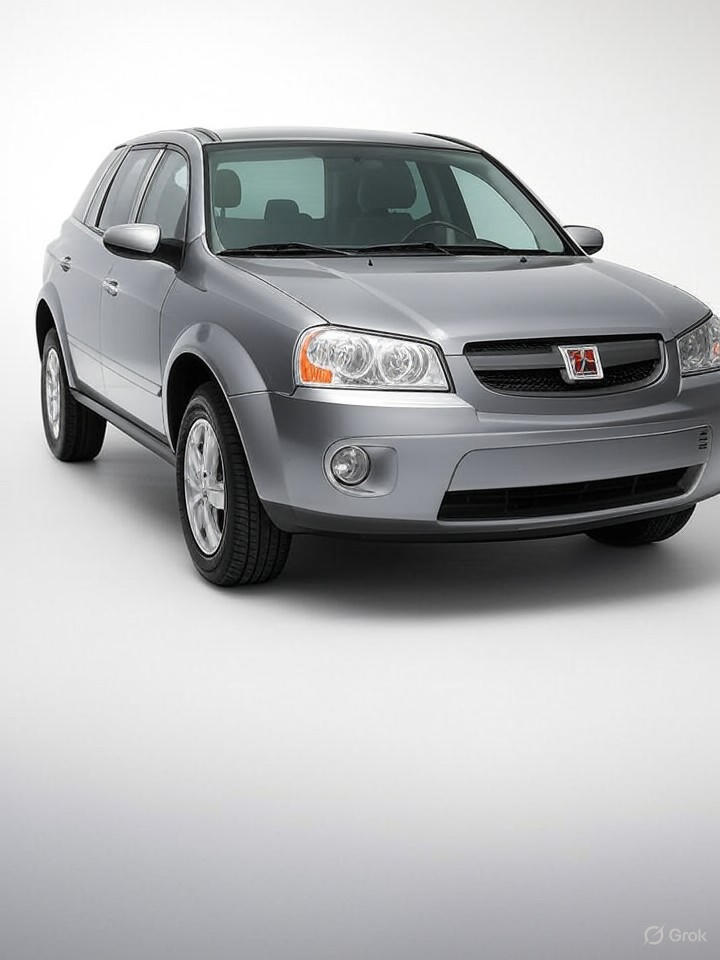
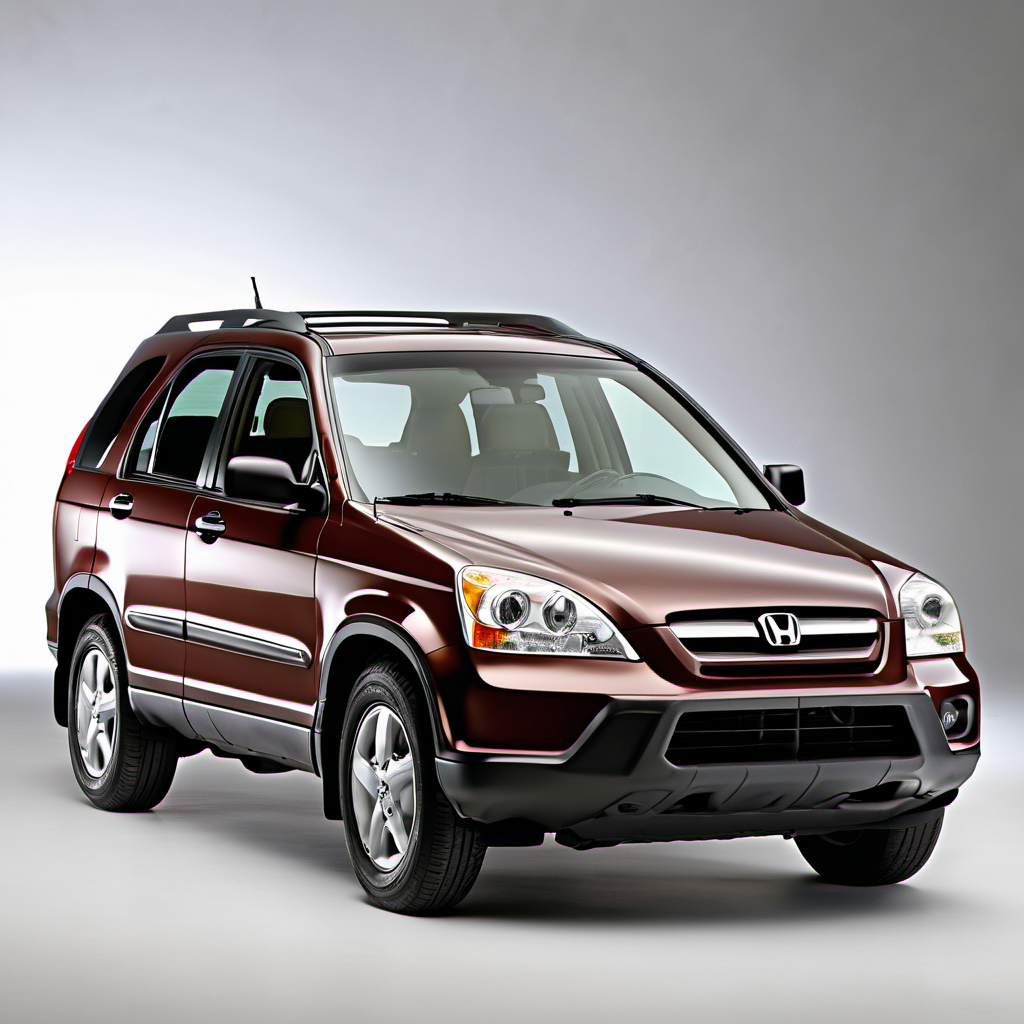
2006 Saturn VUE SUV

2006 Saturn

VUESUV

SUV

The 2006 Saturn VUE is a compact SUV built on GM's Delta platform and sold through Saturn dealerships before the brand was discontinued in 2010. It offered a practical, car-based crossover layout with a comfortable ride and reasonable cargo space for its class. The 2.2L Ecotec four-cylinder was the base engine, paired with a five-speed manual or four-speed automatic transmission. The VUE was a straightforward family hauler — nothing exotic, nothing particularly exciting. It carved out a niche for buyers who wanted something smaller and more car-like than the truck-based SUVs of the era. Parts availability is generally good since many components are shared across GM's platform family. By 2006, Saturn had improved VUE build quality over the first-generation model, but the brand's uncertain future under GM already cast a long shadow. Rust, aging transmission components, and wear items are the main concerns on examples in Wisconsin at this mileage.

Reliability
3/5
Verified data
Specs shown for Vue FWD — the most common configuration. Other trims may vary in engine, drivetrain, or fuel economy. Sign in to see your vehicle's exact specs.
Engine
[object Object]
Drivetrain
FWD
Fuel
Gasoline
MPG
19 city / 25 hwy / 21 combined
Seats
Doors
Body
Sport Utility Vehicle - 2WD

Overview

AI-curated

The 2006 Saturn VUE is a compact SUV built on GM's Delta platform and sold through Saturn dealerships before the brand was discontinued in 2010. It offered a practical, car-based crossover layout with a comfortable ride and reasonable cargo space for its class. The 2.2L Ecotec four-cylinder was the base engine, paired with a five-speed manual or four-speed automatic transmission. The VUE was a straightforward family hauler — nothing exotic, nothing particularly exciting. It carved out a niche for buyers who wanted something smaller and more car-like than the truck-based SUVs of the era. Parts availability is generally good since many components are shared across GM's platform family. By 2006, Saturn had improved VUE build quality over the first-generation model, but the brand's uncertain future under GM already cast a long shadow. Rust, aging transmission components, and wear items are the main concerns on examples in Wisconsin at this mileage.

Known for
  • Car-like ride quality for a small SUV
  • Shared GM Ecotec engine with solid long-term durability
  • Practical interior and good cargo flexibility
  • Decent fuel economy for the era
  • Wide parts availability through GM supply chain
Best for
  • Budget-conscious buyers wanting a small SUV
  • Light daily commuting and highway trips
  • Families needing more room than a sedan without full-SUV costs
  • Buyers comfortable with independent-shop maintenance
Watch for
  • Rust on frame rails, rocker panels, and wheel wells — serious concern in Wisconsin
  • Transmission wear on high-mileage automatics
  • VTi CVT (if equipped) known for early failure on earlier trims — verify which transmission is present
  • Saturn brand discontinued in 2010, so dealer support is gone
  • Aging rubber seals and weatherstripping causing water intrusion

Common issues by mileage

6 known

Rust on rocker panels, frame rails, and wheel arches

high
Typically appears
80k+ mi (age-driven as much as mileage)
Estimated repair
$500 – $3,000

Automatic transmission wear / delayed engagement

medium
Typically appears
100k–150k mi
Estimated repair
$1,800 – $3,500

Camshaft position / VVT solenoid faults (oil sludge related)

medium
Typically appears
80k–130k mi
Estimated repair
$150 – $600

Oxygen sensor heater circuit failure

medium
Typically appears
80k–120k mi
Estimated repair
$150 – $350

Power steering rack leak or failure

medium
Typically appears
90k–140k mi
Estimated repair
$400 – $900

Wheel bearing wear (front)

medium
Typically appears
80k–120k mi
Estimated repair
$250 – $500

Maintenance schedule

  1. 1
    Every 5,000 miles or 6 months — do not stretch to the GM OLM maximum on older, high-mileage engines Engine oil and filter change

    The 2.2L Ecotec is sensitive to oil sludge buildup when oil changes are extended. Fresh oil is the single best thing you can do to prevent cam timing and VVT solenoid issues.

  2. 2
    Every 30,000–40,000 miles on used examples regardless of prior service history Transmission fluid change

    Older automatic fluid turns dark and loses friction modifier properties. On a used VUE, assume it's never been done and service it now.

  3. 3
    Every 5 years or 100,000 miles (Dex-Cool system) Coolant flush

    Dex-Cool extended-life coolant degrades and can become acidic if water is introduced or the interval is ignored, leading to water pump and gasket issues.

  4. 4
    Every fall before road-salt season Inspect and treat underbody for rust

    Wisconsin road salt is the top cause of structural rust on VUEs. Annual inspection and undercoating of exposed metal can significantly extend vehicle life.

  5. 5
    Every fall, or if battery is 4+ years old Battery load test

    Cold-crank demands in Lake Geneva winters will expose any marginal battery. A battery that starts fine in October may fail in January.

  6. 6
    Every 60,000 miles (iridium) or 30,000 miles (copper/standard) Spark plug replacement

    Worn plugs cause misfires and place extra load on ignition coils. On the 2.2L, coil-on-plug failures often trace back to neglected plugs.

  7. 7
    Every 15,000 miles or at each tire rotation Inspect front wheel bearings for play or noise

    FWD bearings take full braking, steering, and drive loads. Early detection prevents hub damage and handling issues on winter roads.

  8. 8
    Every 20,000–25,000 miles or annually Replace engine air filter

    A clogged air filter hurts fuel economy and can stress the MAF sensor — a relatively expensive fix on this platform.

Always defer to the manufacturer's service manual for warranty-mandated intervals.

Cost of ownership

Annual maintenance
$600 – $1,400
Fuel
At 21 MPG combined and ~15,000 miles/year, expect roughly $1,800–$2,200/year at current Wisconsin pump prices depending on driving mix.
Insurance
Typically low — compact SUV with modest power and a discontinued brand means low replacement value. Expect $900–$1,400/year for full coverage depending on driver profile.

The VUE is an inexpensive vehicle to insure and fuel. Routine maintenance is affordable because parts are shared with mainstream GM models. The risk is deferred maintenance catching up — a neglected transmission or extensive rust repair can cost more than the car is worth. Keep up on oil changes and address rust early to stay on the right side of that math.
Seasonal care

Lake Geneva, WI
Winter
  • Load-test the battery every fall — sub-zero starts on a tired battery will leave you stranded. Replace if it tests below spec before November.
  • Switch to a full-strength winter washer fluid rated to at least -20°F. Lake Geneva winters regularly push past 0°F and standard fluid will freeze in the lines.
  • Inspect and replace wiper blades with winter-rated blades before first snowfall. The flat-beam style resists ice packing better than traditional frames.
  • Flush and refill coolant if overdue — a 50/50 Dex-Cool mix provides freeze protection to around -34°F. Check with a tester, not just a guess.
  • Inspect the underbody and wheel wells each fall and spray exposed metal with a rust inhibitor. Road salt exposure in Wisconsin is severe and the VUE's rocker panels rust from the inside out.
  • Check tire tread depth carefully — at 2/32" the VUE's traction on snow and ice becomes genuinely dangerous. Consider dedicated winter tires for local driving.
Summer
  • Check tire pressure monthly — for every 10°F rise in ambient temperature, tire pressure increases about 1 PSI. Summer heat can push an already over-inflated tire toward uneven wear or a blowout.
  • Test A/C system performance early in the season. The 2006 VUE's A/C compressor and expansion valve are aging components — a weak system that struggles in July needs attention in May, not August.
  • Inspect coolant level and condition before hot-weather driving. Overheating on the 2.2L can cause head gasket damage that is expensive to repair.
  • Check cabin air filter if equipped — a clogged filter reduces A/C airflow and puts extra strain on the blower motor.
  • Inspect belts and hoses — heat accelerates rubber degradation. A cracked serpentine belt or swollen coolant hose is far cheaper to replace proactively than as a roadside repair.

Comparable vehicles

If you're shopping for one

Red flags
  • Any rust perforation on the rocker panels or underbody — structural repair costs can exceed the car's value
  • Transmission slipping, shuddering, or delayed engagement — rebuild or replacement is $1,800–$3,500
  • Check engine light with camshaft timing codes (P0012, P0015) and evidence of neglected oil changes — may indicate internal engine wear
  • High-mileage examples with no documented service history — the Ecotec engine needs consistent oil changes to survive
  • Signs of coolant in the oil (milky oil dipstick) or oil in the coolant reservoir — indicates a head gasket concern
  • Saturn brand is discontinued — walk away from any car where the seller cannot produce at least partial maintenance records
What to inspect
  • Crawl under the vehicle and inspect rocker panels, frame rails, and subframe mounts for rust perforation — not just surface scale
  • Check the transmission for smooth, firm shifts through all gears and no hesitation when pulling away from a stop
  • Warm the engine fully and watch for any oil smoke at idle or under throttle, which can indicate valve cover gasket or PCV issues
  • Look for oil sludge by pulling the oil cap — a clean cap interior is a good sign; a sludgy, mayonnaise-like residue is a red flag
  • Test A/C and heater function thoroughly — blower motor resistors fail on this generation and are a common used-car surprise
  • Inspect wheel wells and door bottoms for rust bubbling under paint, which usually means metal is already compromised beneath
AI profile generated 11 days ago · claude-sonnet-4-6 · v2.