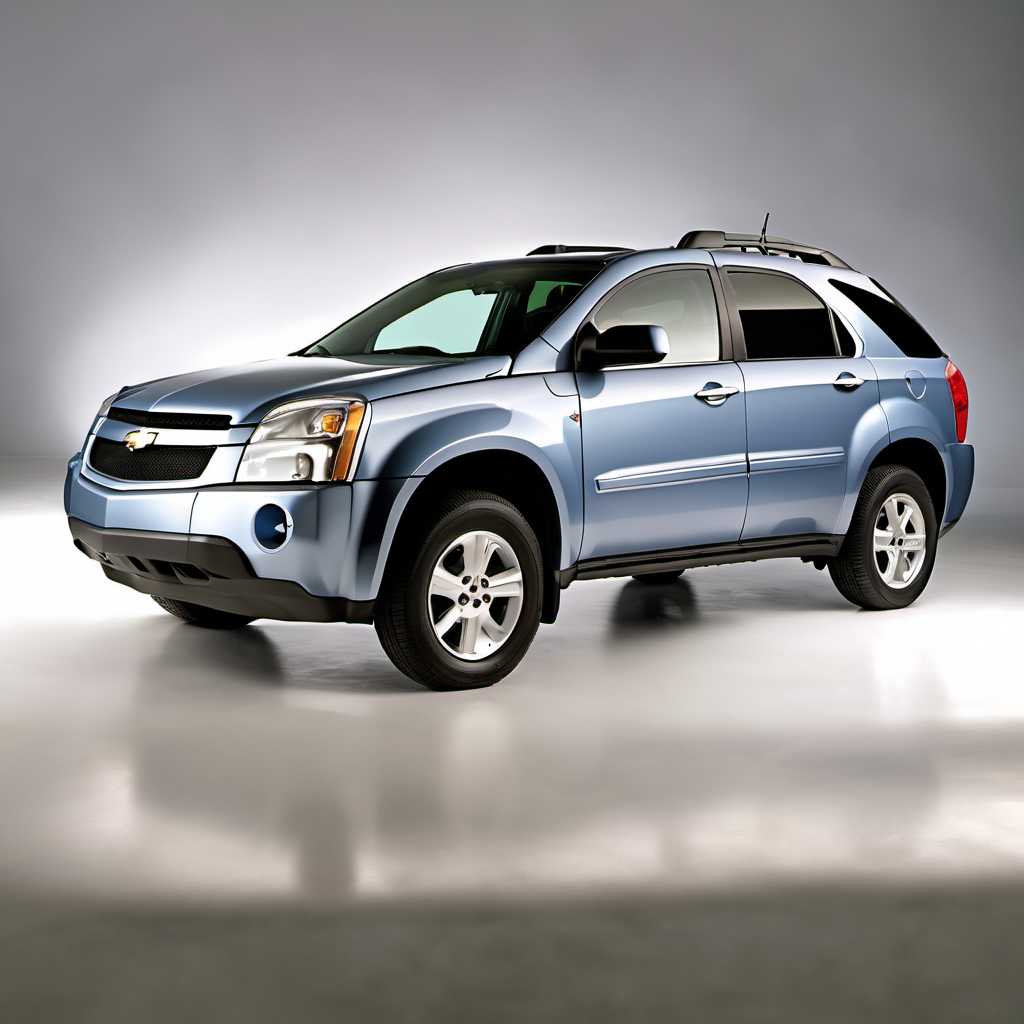
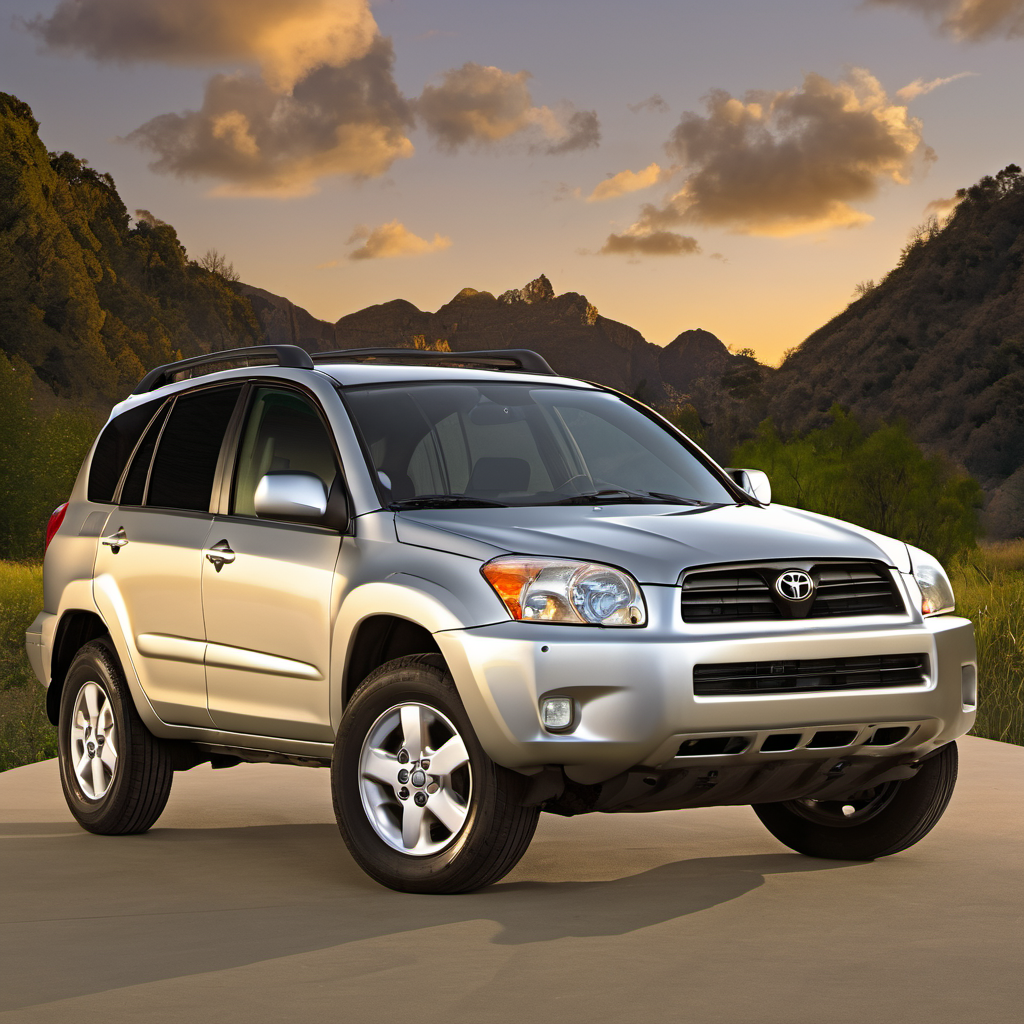
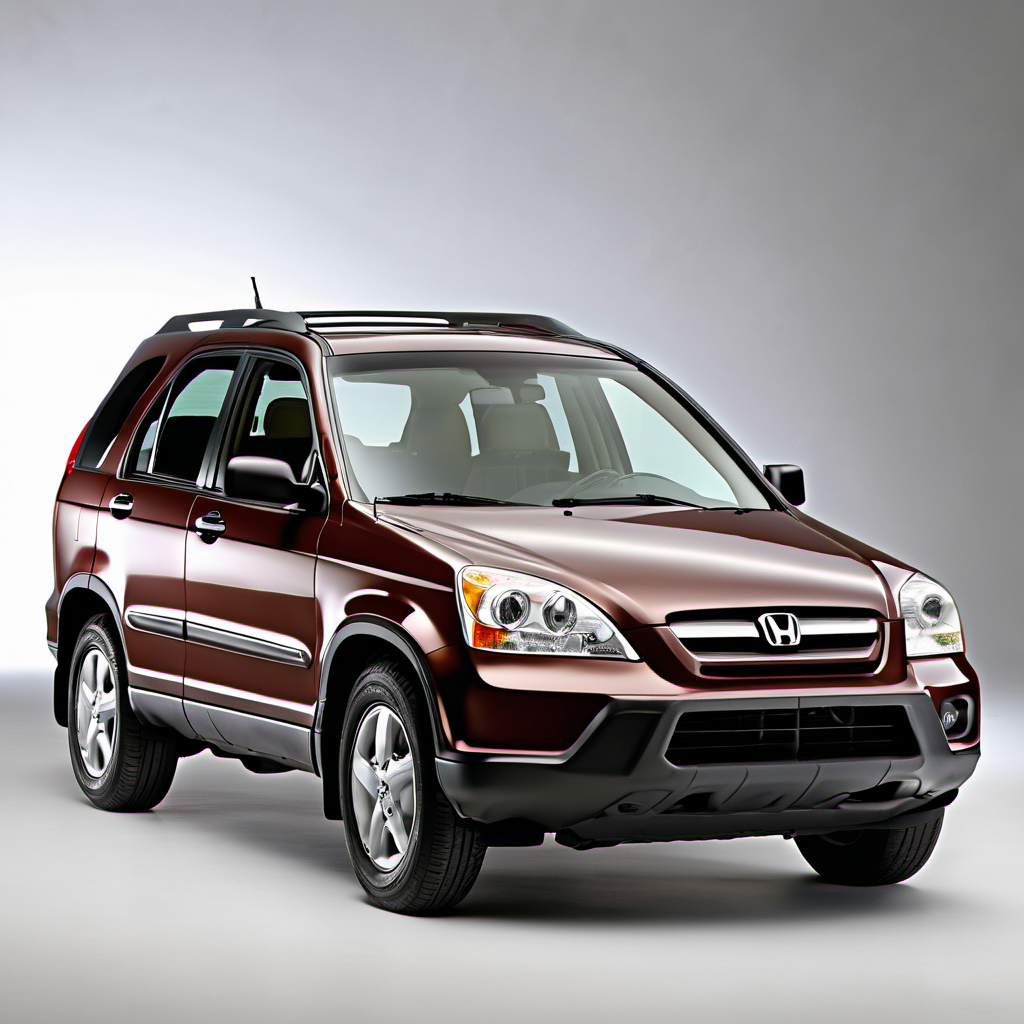
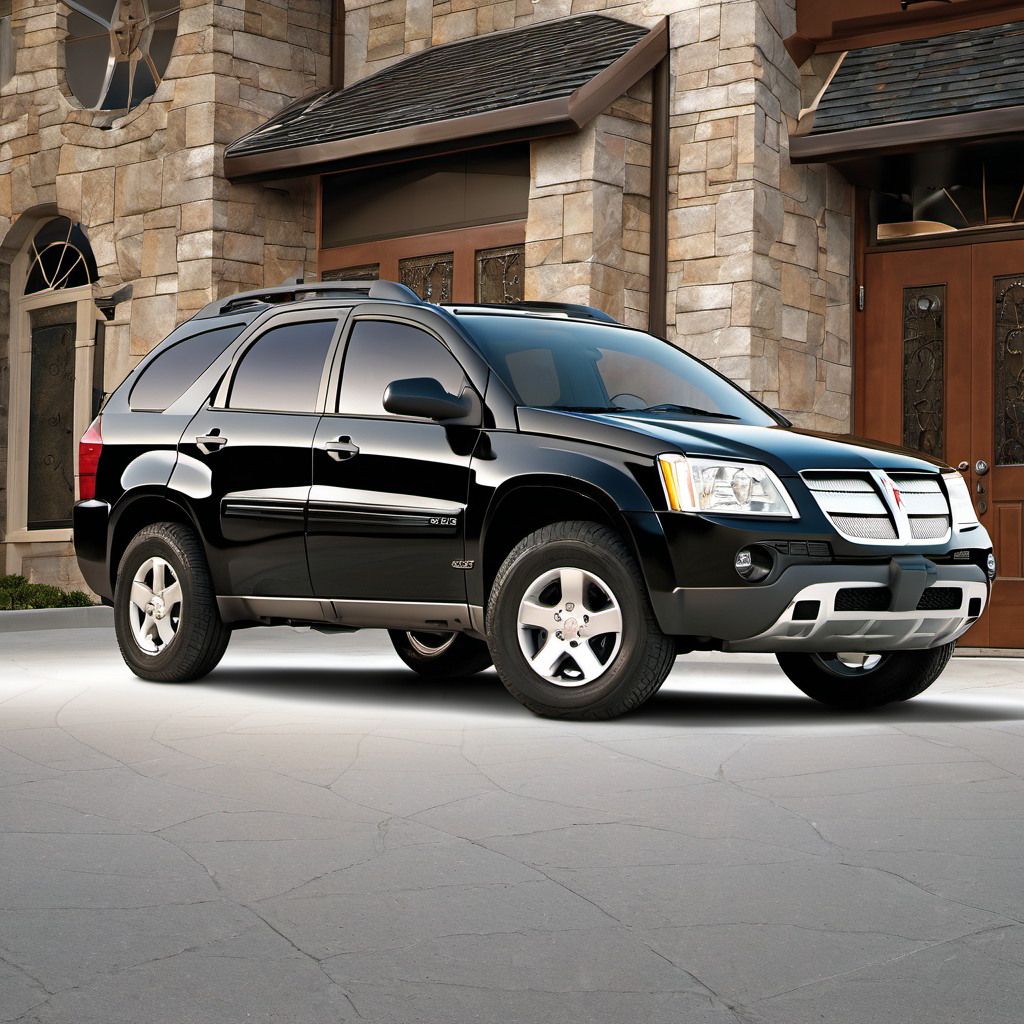
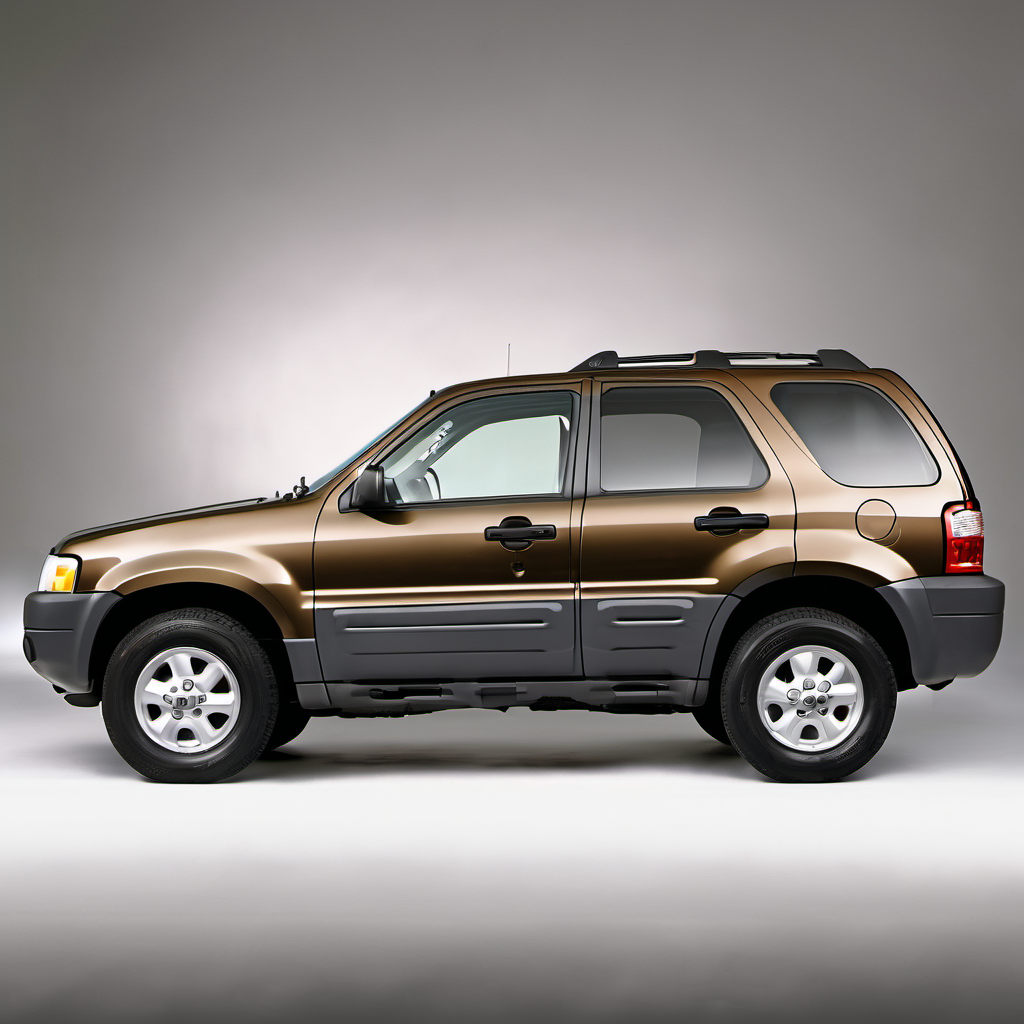
2006 Chevrolet Equinox SUV

2006 Chevrolet

EquinoxSUV

SUV

The 2006 Chevrolet Equinox is a compact crossover SUV built on GM's Theta platform, sharing its underpinnings with the Pontiac Torrent. It was one of GM's early entries into the compact crossover market and offered a roomy back seat with an available sliding rear bench — a practical touch that stood out from competitors. The base FWD V6 powertrain is adequate for everyday use, but the 3.4L engine's thirst for oil and tendency toward head gasket issues at higher mileage became well-known ownership concerns. For 2006, the Equinox came standard with a 3.4L V6 paired to a 5-speed automatic, front-wheel drive, and a decent list of comfort features for its class and price. AWD was optional. Ride quality is comfortable and the interior is functional, though interior plastics and fit-and-finish feel dated even by mid-2000s standards. At nearly 20 years old, surviving examples are well into high-mileage territory. Buyers should prioritize documented maintenance history and be prepared for age-related costs — cooling system components, suspension bushings, and transmission service are commonly overdue on these at this age.

Reliability
2/5
Verified data
Specs shown for Equinox FWD — the most common configuration. Other trims may vary in engine, drivetrain, or fuel economy. Sign in to see your vehicle's exact specs.
Engine
[object Object]
Drivetrain
FWD
Fuel
Gasoline
MPG
17 city / 22 hwy / 19 combined
Seats
Doors
Body
Sport Utility Vehicle - 2WD

Overview

AI-curated

The 2006 Chevrolet Equinox is a compact crossover SUV built on GM's Theta platform, sharing its underpinnings with the Pontiac Torrent. It was one of GM's early entries into the compact crossover market and offered a roomy back seat with an available sliding rear bench — a practical touch that stood out from competitors. The base FWD V6 powertrain is adequate for everyday use, but the 3.4L engine's thirst for oil and tendency toward head gasket issues at higher mileage became well-known ownership concerns. For 2006, the Equinox came standard with a 3.4L V6 paired to a 5-speed automatic, front-wheel drive, and a decent list of comfort features for its class and price. AWD was optional. Ride quality is comfortable and the interior is functional, though interior plastics and fit-and-finish feel dated even by mid-2000s standards. At nearly 20 years old, surviving examples are well into high-mileage territory. Buyers should prioritize documented maintenance history and be prepared for age-related costs — cooling system components, suspension bushings, and transmission service are commonly overdue on these at this age.

Known for
  • Sliding rear bench seat with generous rear-seat legroom
  • Smooth, comfortable ride for a compact crossover
  • 3.4L V6 prone to oil consumption and head gasket issues
  • Solid towing capability for its class (up to 1,500 lbs)
Best for
  • Budget-conscious buyers needing a used family crossover
  • Light-duty suburban and highway driving
  • Buyers who prioritize rear passenger space over cargo room
Watch for
  • Head gasket failure on the 3.4L V6, especially over 100k miles
  • Excessive oil consumption between changes
  • Rust on underbody, subframe, and brake lines — especially on Wisconsin/salt-belt examples
  • Intake manifold gasket leaks (shared 3.4L issue across GM lineup)
  • Worn front struts and control arm bushings at this age

Common issues by mileage

6 known

Head gasket failure (3.4L V6)

high
Typically appears
90–150k mi
Estimated repair
$900 – $1,800

Intake manifold gasket leak / coolant or oil seep

high
Typically appears
80–130k mi
Estimated repair
$350 – $700

Excessive oil consumption (3.4L V6)

high
Typically appears
60–150k mi
Estimated repair
$0 – $200

Front strut and control arm bushing wear

high
Typically appears
80–130k mi
Estimated repair
$400 – $900

Oxygen sensor heater circuit failure

medium
Typically appears
80–140k mi
Estimated repair
$100 – $300

Maintenance schedule

  1. 1
    Every 5,000 miles or 6 months Engine oil and filter change — use full synthetic 5W-30

    The 3.4L is known to consume oil. Shorter intervals and synthetic oil help protect against sludge and reduce consumption-related damage. Check level at every fill-up.

  2. 2
    Every 2 years or 30,000 miles Coolant system inspection and coolant flush

    Degraded coolant accelerates head gasket and intake manifold gasket failures on this engine. Keep the system clean and at proper concentration.

  3. 3
    Every 45,000 miles Transmission fluid change (drain and fill, not flush)

    The 5-speed automatic responds well to fresh fluid. Neglected fluid darkens and causes harsh shifting or slip at higher mileage.

  4. 4
    Every 60,000 miles Spark plugs and ignition wires

    Worn plugs on the 3.4L increase misfire risk and fuel consumption. Rear bank plugs are harder to reach — budget extra labor time.

  5. 5
    Every 60,000 miles or at any sign of cracking/glazing Serpentine belt and tensioner inspection

    Belt failure strands you. Tensioner wear is common at this age and mileage.

  6. 6
    Every year — critical on Wisconsin vehicles Brake line inspection for rust and corrosion

    Road salt attacks steel brake lines on these platforms. A rusted-through line is a brake failure waiting to happen. Inspect closely at every oil change.

  7. 7
    Every spring after winter season Underbody and subframe rust inspection

    Salt-belt Equinoxes develop significant subframe and rocker rust. Catch it early before structural integrity is compromised.

  8. 8
    Every 6,000–7,500 miles Tire rotation and pressure check

    Even tire wear extends tire life and keeps handling predictable. Pressure drops roughly 1 PSI per 10°F in Wisconsin winters — check monthly.

Always defer to the manufacturer's service manual for warranty-mandated intervals.

Cost of ownership

Annual maintenance
$700 – $1,800
Fuel
At 19 MPG combined and ~15,000 miles/year, expect roughly $1,800–$2,200/year at current Midwest gas prices. Mostly city driving pushes this higher.
Insurance
Typically $900–$1,400/year for full coverage in southern Wisconsin for a vehicle of this age and value, depending on driver profile.

The Equinox is inexpensive to insure and fuel costs are moderate, but maintenance costs can spike sharply if deferred — head gasket and intake manifold work are $900–$1,800 jobs. Budget for at least one major cooling or suspension repair in the next 30,000 miles on a high-mileage example. Total annual cost of ownership (fuel + maintenance + insurance) realistically runs $3,500–$5,500 depending on what's been addressed.
Seasonal care

Lake Geneva, WI
Winter
  • Switch to full synthetic 5W-30 if not already — it flows better on cold starts below 0°F, protecting the 3.4L during those critical first seconds of startup.
  • Test the battery before November. Cold-cranking amps drop significantly below freezing; a marginal battery that starts fine in October will fail in January.
  • Inspect and refill windshield washer fluid with a rated -20°F or colder formula. Standard fluid freezes in the reservoir and lines.
  • Install winter wiper blades — standard blades ice up and streak badly, reducing visibility in snow and sleet.
  • Inspect brake lines and hoses for corrosion every fall. Salt accelerates rust on steel brake lines and this is a safety-critical item.
  • Check tire tread depth and consider winter tires if driving in snow regularly. All-season tires lose grip significantly below 40°F.
Summer
  • Inspect and service the A/C system — recharge refrigerant if cooling is weak. A/C compressors and seals on vehicles this age commonly develop slow leaks.
  • Check coolant concentration with a tester (not just level). A mix that's too lean boils over more easily; also verify the radiator cap holds pressure.
  • Tire pressure rises in summer heat — check monthly and adjust to door-placard spec to avoid uneven wear and handling issues.
  • Inspect the serpentine belt for cracks or glazing before hot weather — heat accelerates belt degradation.
  • Clean debris from the cabin air filter after spring — pollen and road grit restrict airflow and reduce A/C efficiency.

Comparable vehicles

If you're shopping for one

Red flags
  • Any sign of overheating history: warped hood, coolant stains on engine, or replaced coolant reservoir.
  • Milky oil or oil in the coolant reservoir — walk away or negotiate deep for a head gasket repair budget.
  • Rust perforation on rocker panels, subframe, or visible brake lines — not just surface rust, but active holes.
  • No maintenance records and high mileage — without evidence of cooling system and transmission service, assume it was neglected.
  • Check engine light active or recently cleared — scan for stored/pending codes before purchase, especially P001x/P002x timing codes which can indicate oil starvation or VVT wear.
What to inspect
  • Pull the oil dipstick — look for milky or frothy oil, which signals coolant mixing with oil (head gasket failure). Also note the oil level itself.
  • Remove the radiator cap cold and look for oil droplets or dark residue in the coolant — another sign of head gasket compromise.
  • Start from cold and watch for white smoke from the exhaust, especially in warm weather (not just condensation).
  • Feel all four corners for clunking or looseness over bumps — front strut mounts and control arm bushings wear out on these.
  • Check the underside closely: rocker panels, subframe mounting points, and brake lines for active rust perforation.
  • Check the transmission for smooth, firm shifts through all gears and no slipping or hesitation on acceleration.
  • Verify all four power windows, the sliding rear seat mechanism, and HVAC controls function — these plastic mechanisms wear with age.
AI profile generated 1 hr ago · claude-sonnet-4-6 · v2.