Oil Sludge / VVT-i System Failure
medium- Typically appears
- 80–150k mi
- Estimated repair
- $800 – $3,500
2006 Toyota
SUV
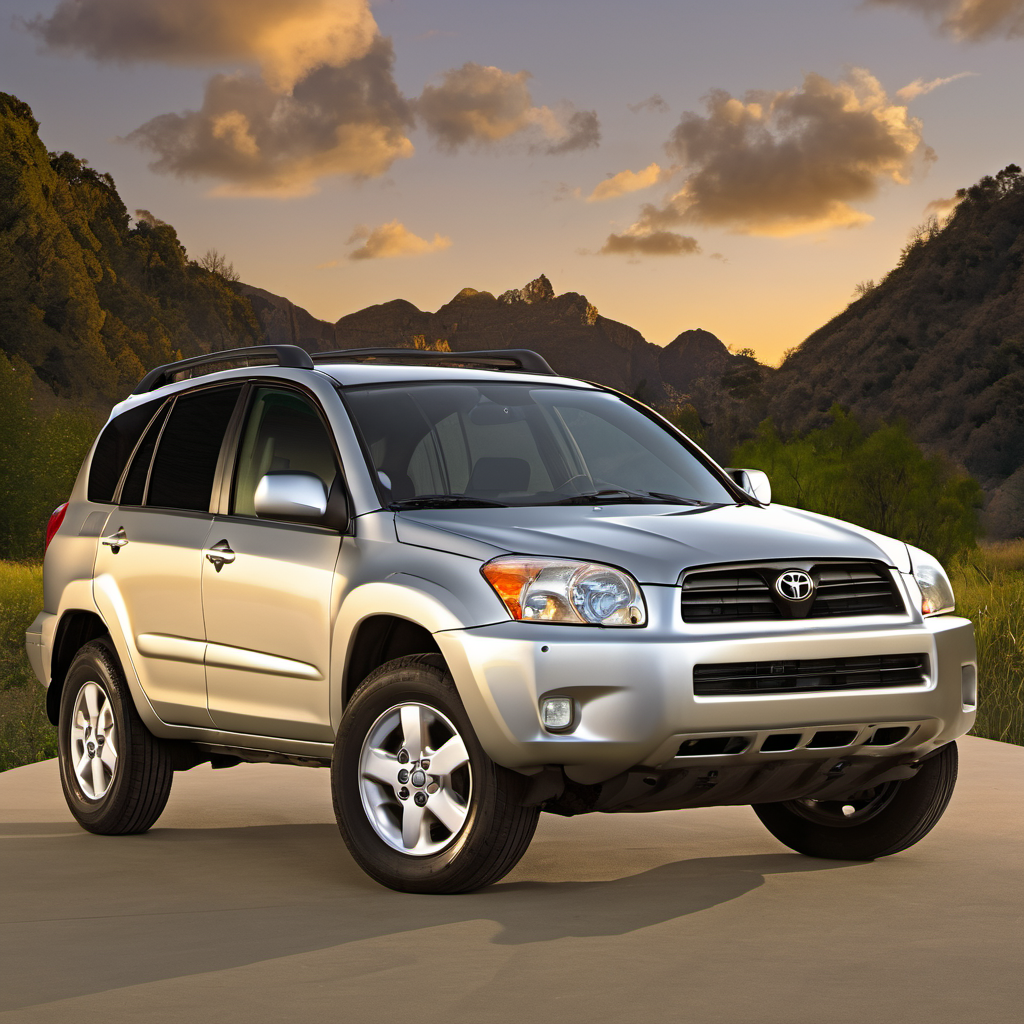
The 2006 Toyota RAV4 represents the third generation of Toyota's popular compact SUV, a significant redesign that grew the RAV4 into a more family-friendly size while keeping its car-like ride. It moved to a longer wheelbase, added an optional third row, and offered a choice between a 2.4L four-cylinder and a 3.5L V6 — a big step up from the cramped second-gen model. This generation quickly became one of the best-selling compact SUVs in America for good reason: it's reliable, practical, and easy to live with. The 2.4L four-cylinder is the bread-and-butter engine and arguably the sweet spot of the lineup. It's not exciting, but it's proven, smooth enough for everyday driving, and capable of exceeding 200,000 miles with basic upkeep. The four-speed automatic transmission is simple and durable. FWD models deliver solid fuel economy for the era and lower ownership costs overall. For buyers in the Lake Geneva area, this RAV4 handles Wisconsin winters adequately in FWD trim with proper tires, though AWD models offer noticeably better traction on icy roads. At nearly 20 years old, condition and maintenance history matter far more than year or trim level — focus your inspection there.
The 2006 Toyota RAV4 represents the third generation of Toyota's popular compact SUV, a significant redesign that grew the RAV4 into a more family-friendly size while keeping its car-like ride. It moved to a longer wheelbase, added an optional third row, and offered a choice between a 2.4L four-cylinder and a 3.5L V6 — a big step up from the cramped second-gen model. This generation quickly became one of the best-selling compact SUVs in America for good reason: it's reliable, practical, and easy to live with. The 2.4L four-cylinder is the bread-and-butter engine and arguably the sweet spot of the lineup. It's not exciting, but it's proven, smooth enough for everyday driving, and capable of exceeding 200,000 miles with basic upkeep. The four-speed automatic transmission is simple and durable. FWD models deliver solid fuel economy for the era and lower ownership costs overall. For buyers in the Lake Geneva area, this RAV4 handles Wisconsin winters adequately in FWD trim with proper tires, though AWD models offer noticeably better traction on icy roads. At nearly 20 years old, condition and maintenance history matter far more than year or trim level — focus your inspection there.
The 2AZ-FE engine is sludge-prone when oil changes are skipped. Conventional oil at 3,000–5,000 miles or full synthetic at 5,000 miles is the best protection against VVT-i damage and premature engine wear. This is the single most important maintenance item on this vehicle.
The small screen on the VVT-i solenoid accumulates sludge and debris. Cleaning it during oil changes or at scheduled intervals prevents camshaft timing codes and keeps the variable valve timing system functioning correctly.
Toyota's long-life coolant degrades over time. Old coolant becomes acidic and can corrode the aluminum engine block and radiator. Critical in Wisconsin's freeze-thaw climate — verify the freeze protection is rated below -30°F heading into winter.
Toyota's 4-speed automatic is durable but benefits from fresh fluid. Many examples arrive with original or never-changed fluid, which accelerates wear. Drain-and-fill (not flush) is the preferred method on this transmission.
Brake fluid is hygroscopic and absorbs moisture over time, lowering its boiling point and accelerating corrosion in brake lines and calipers — a serious concern on a Wisconsin vehicle. Replace every two years regardless of mileage.
Lake Geneva roads are heavily salted from November through March. Regular undercarriage washing slows rust progression on the subframe, brake lines, and suspension components. A spring lift inspection catches developing rust before it becomes structural.
Worn plugs on the 2AZ-FE cause rough idle, poor fuel economy, and misfires. Use the OEM-specified plug type; installing the wrong heat range can cause issues in cold-weather starting.
FWD models put most wear on the front tires. Regular rotation extends tire life significantly. Annual alignment checks catch suspension wear early and are especially important after a hard Wisconsin winter of potholes.
Always defer to the manufacturer's service manual for warranty-mandated intervals.
A well-maintained 2006 RAV4 I4 is one of the more affordable compact SUVs to own long-term. Routine maintenance costs are low, parts are widely available and inexpensive, and any competent independent shop can work on it. The biggest cost wildcards are rust remediation (highly variable by vehicle history) and VVT-i repairs if oil changes were neglected. Budget on the higher end of the maintenance range for the first year while you learn the vehicle's history.
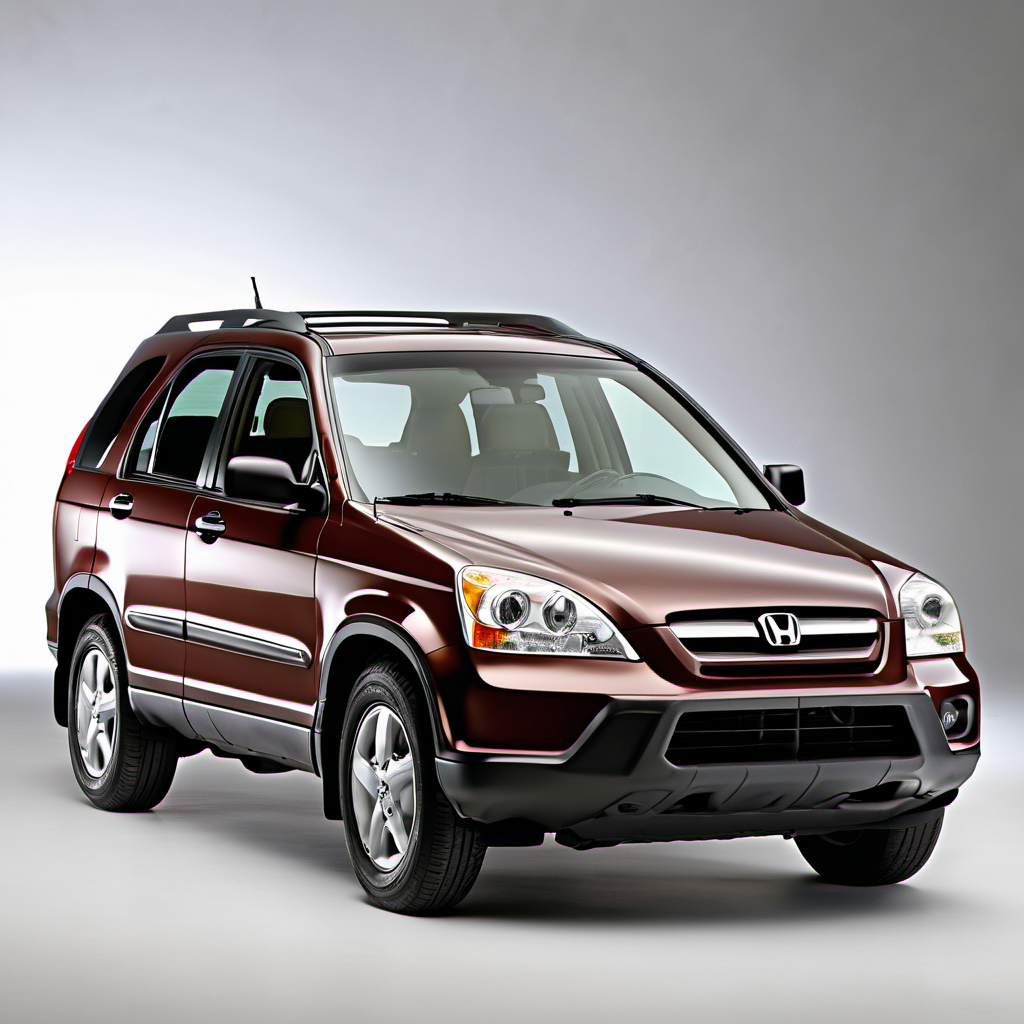
The CR-V is the RAV4's closest rival in this era — similar size, similar reliability reputation, similar pricing. The CR-V's standard AWD system gives it a slight edge in Wisconsin winters. Both are excellent long-term choices; preference often comes down to interior layout.
Slots in the same compact SUV segment and price range. More fun to drive than the RAV4, but the turbocharged engine is significantly less reliable and more expensive to maintain — factor that in carefully.
No catalog match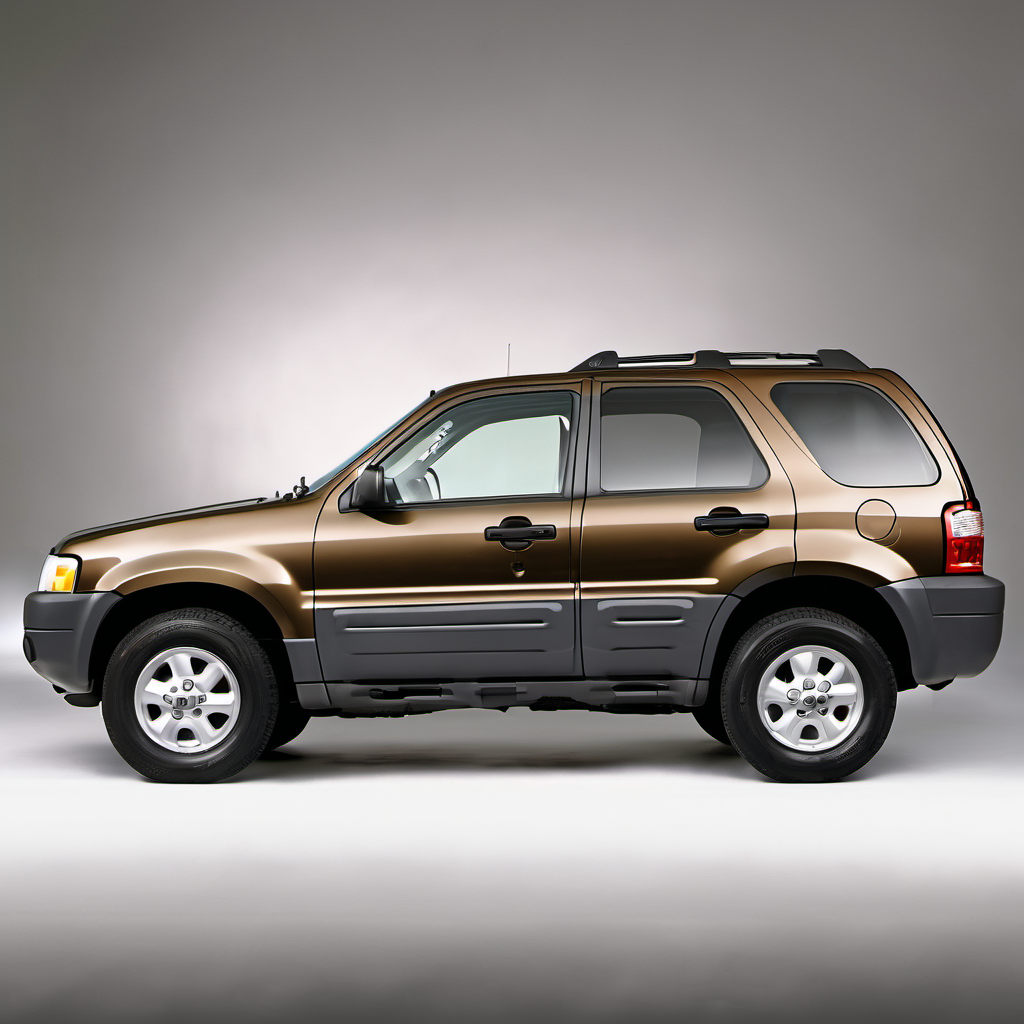
Priced similarly and widely available. The Escape offers a hybrid variant for better fuel economy, but reliability trails the RAV4 and CR-V noticeably, especially on higher-mileage examples.
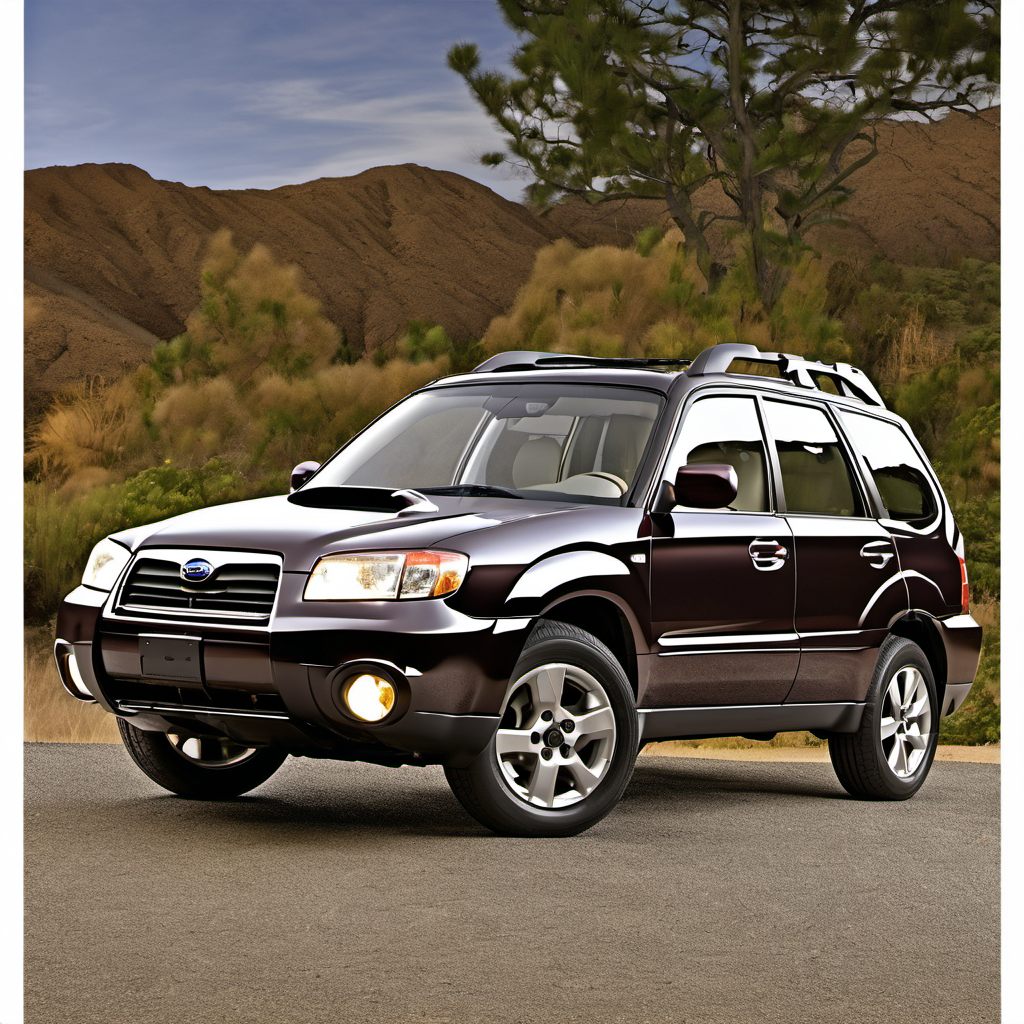
Standard AWD on every trim makes the Forester a natural Wisconsin alternative. Excellent all-weather capability, but the EJ-series boxer engines can develop head gasket issues — a known cost to factor into ownership.