Valve train wear from infrequent oil changes
medium- Typically appears
- 60–150k mi
- Estimated repair
- $800 – $3,500
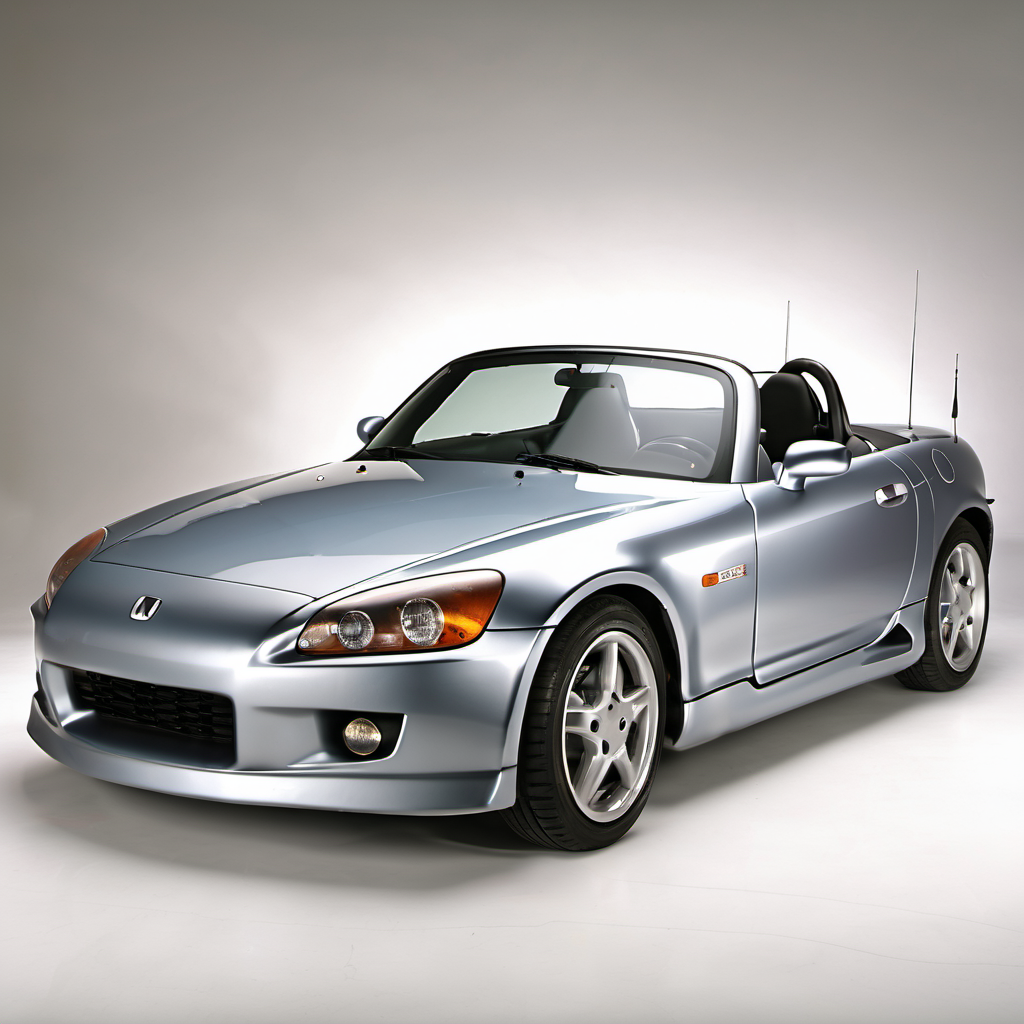
2006 Honda
Convertible
The 2006 Honda S2000 is a purpose-built, rear-wheel-drive roadster that Honda produced from 1999 to 2009 as a celebration of the company's 50th anniversary. By 2006 the S2000 had received the larger 2.2L F22C1 engine (up from the original 2.0L) with a more tractable power band, making it one of the sweetest-revving naturally aspirated sports cars ever sold in the U.S. It pairs a rigid aluminum-intensive body with a near-50/50 weight distribution and a slick 6-speed manual transmission. The S2000 was never meant to be a daily commuter — it's a driver's car first. The cabin is snug, the ride is firm, and the fabric convertible top is manual. What you get in return is razor-sharp steering, a high-revving engine that makes 237 hp without forced induction, and Honda's legendary long-term durability when the car is maintained properly. Because these cars are now 18+ years old and have a devoted enthusiast following, used examples command strong prices and can carry hard track use or deferred maintenance. Buying one requires a thorough inspection, but a well-kept S2000 is genuinely one of the most rewarding sports cars you can own at any price.
The 2006 Honda S2000 is a purpose-built, rear-wheel-drive roadster that Honda produced from 1999 to 2009 as a celebration of the company's 50th anniversary. By 2006 the S2000 had received the larger 2.2L F22C1 engine (up from the original 2.0L) with a more tractable power band, making it one of the sweetest-revving naturally aspirated sports cars ever sold in the U.S. It pairs a rigid aluminum-intensive body with a near-50/50 weight distribution and a slick 6-speed manual transmission. The S2000 was never meant to be a daily commuter — it's a driver's car first. The cabin is snug, the ride is firm, and the fabric convertible top is manual. What you get in return is razor-sharp steering, a high-revving engine that makes 237 hp without forced induction, and Honda's legendary long-term durability when the car is maintained properly. Because these cars are now 18+ years old and have a devoted enthusiast following, used examples command strong prices and can carry hard track use or deferred maintenance. Buying one requires a thorough inspection, but a well-kept S2000 is genuinely one of the most rewarding sports cars you can own at any price.
The F22C1 spins to 8,000 RPM. Oil shears quickly under hard use. Sludge or oil starvation is the primary killer of these engines. Frequent changes are cheap insurance.
Honda specifies this and it matters on a VTEC engine. Tight clearances cause valve burning; wide clearances cause noise and power loss. Often skipped by previous owners.
The Torsen-style limited-slip differential requires clean fluid. Degraded fluid causes shudder and accelerated wear. Use Honda-approved LSD fluid.
Old coolant loses its corrosion inhibitors and attacks aluminum components. Wisconsin's freeze cycles make this especially important.
High-revving engine is sensitive to plug condition. Misfires at high RPM can damage catalytic converters and cause power loss.
Hinges and latches seize with Wisconsin winter freeze/thaw cycles. A UV-protective fabric treatment extends top life significantly.
Brake fluid absorbs moisture over time. On a sports car that may see track use, degraded fluid can cause brake fade at high temperatures.
The S2000 sits low and its frame rails are exposed to road salt spray. Catching surface rust early — treating and undercoating — prevents structural damage.
Always defer to the manufacturer's service manual for warranty-mandated intervals.
The S2000 is relatively affordable to maintain when nothing is wrong — Honda parts are reasonably priced and independent shops can service them. Costs spike when deferred maintenance catches up (valve train work, top replacement, rust repair). Budget on the higher end if buying an example without documented service history. Premium fuel is non-negotiable.
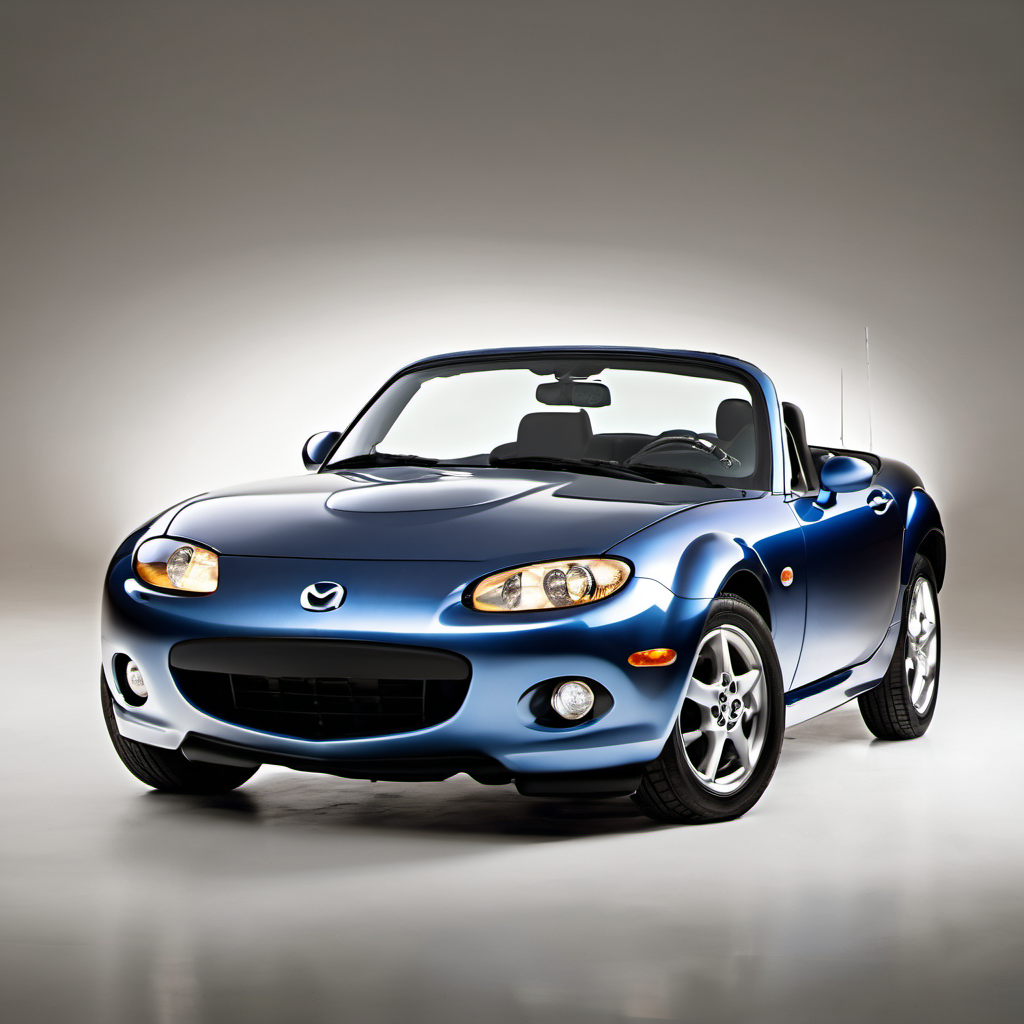
The classic S2000 alternative — also RWD, 2-seat, convertible, and naturally aspirated. Less powerful but lighter, cheaper to maintain, and easier to find unmolested. More forgiving in daily use.
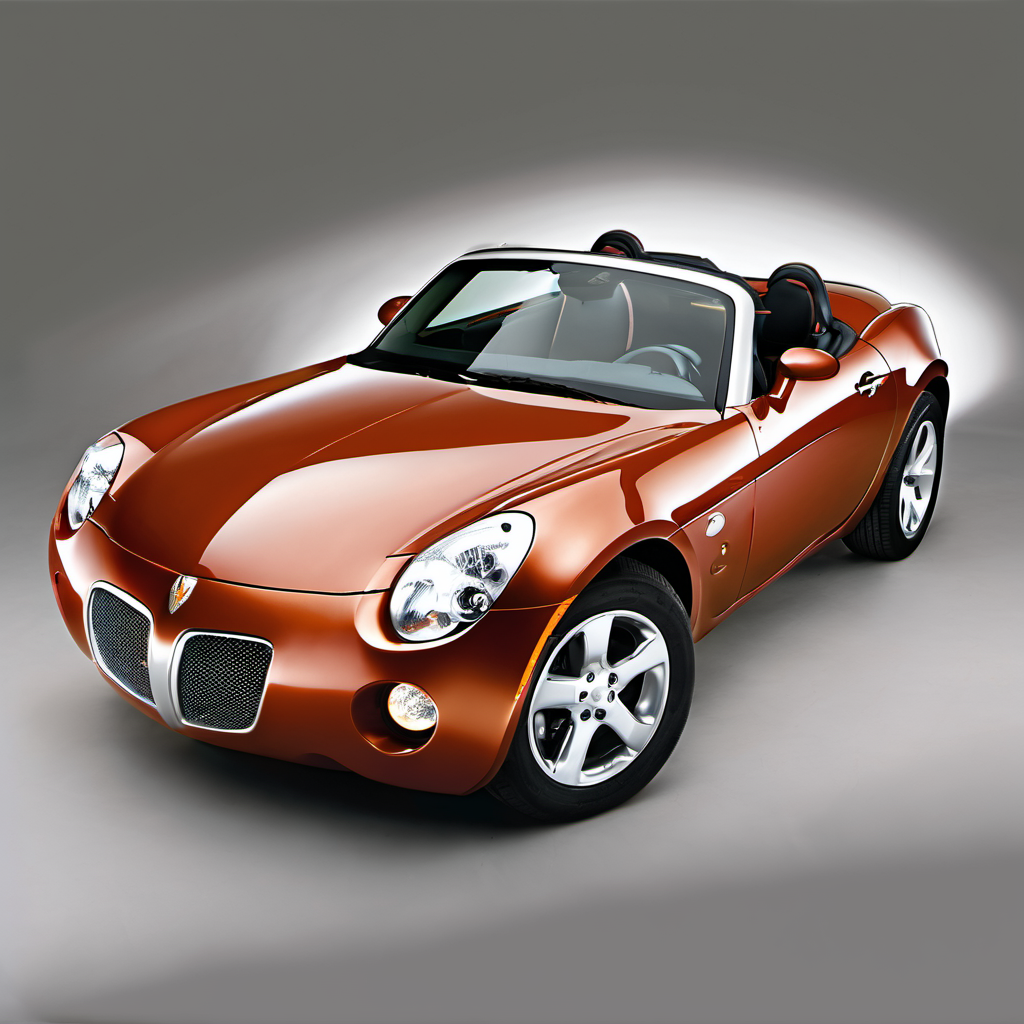
American 2-seat RWD roadster at a similar price point. More grunt at low RPM but far less refined and less reliable long-term. Worth a look for buyers who want a different flavor.
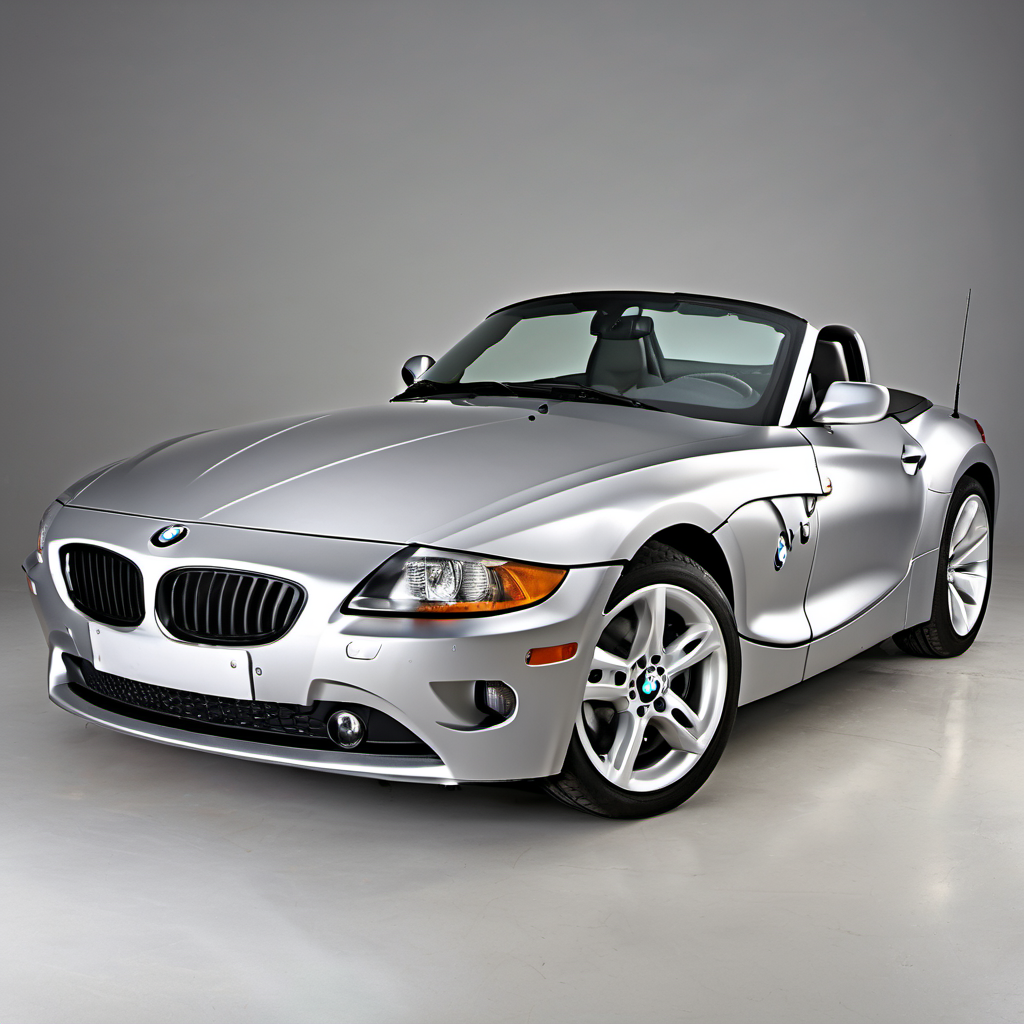
German RWD roadster in the same segment. More comfort-oriented with a proper hardtop option. Higher ownership costs, especially out of warranty, but strong chassis dynamics.
Mid-engine, RWD 2-seater in Honda's spirit — light, naturally aspirated, driver-focused. Lower power than the S2000 but exceptional balance. Production ended in 2005 so used supply is limited.
No catalog match