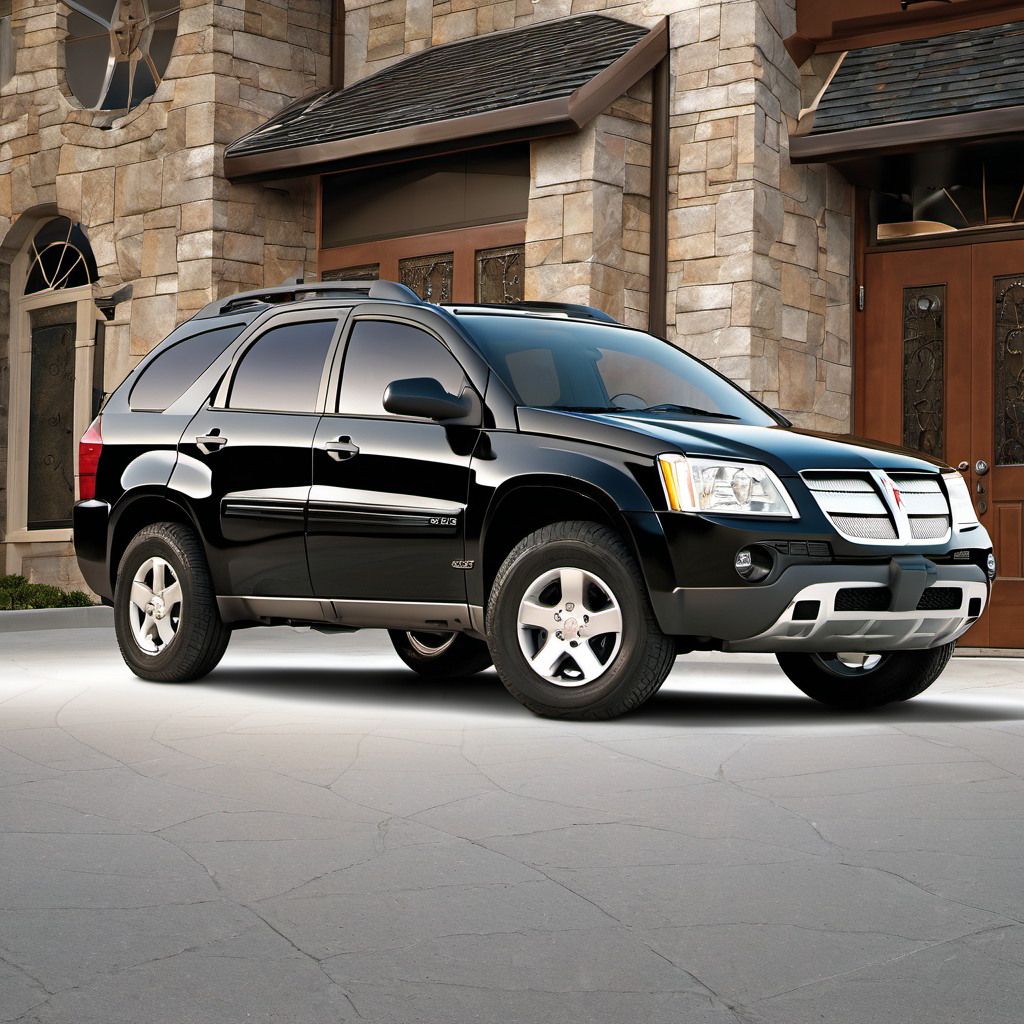
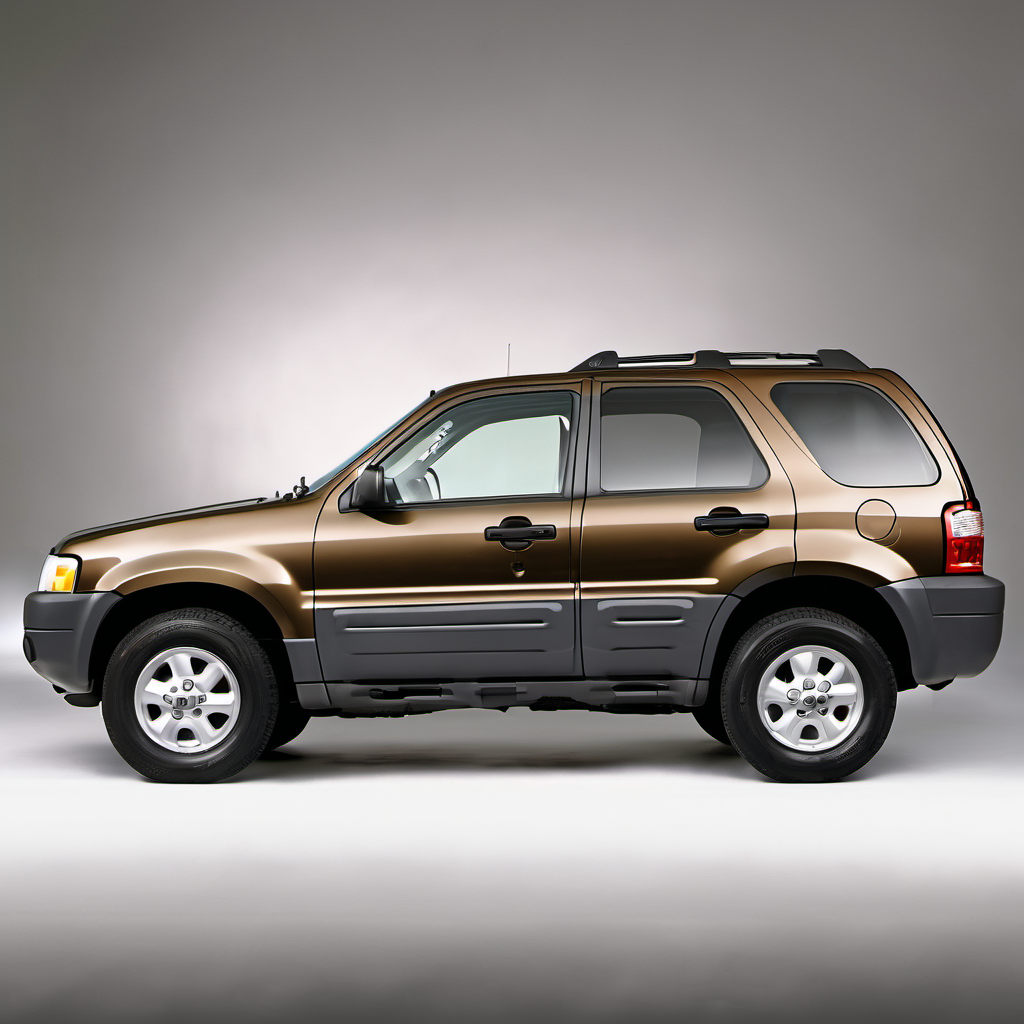
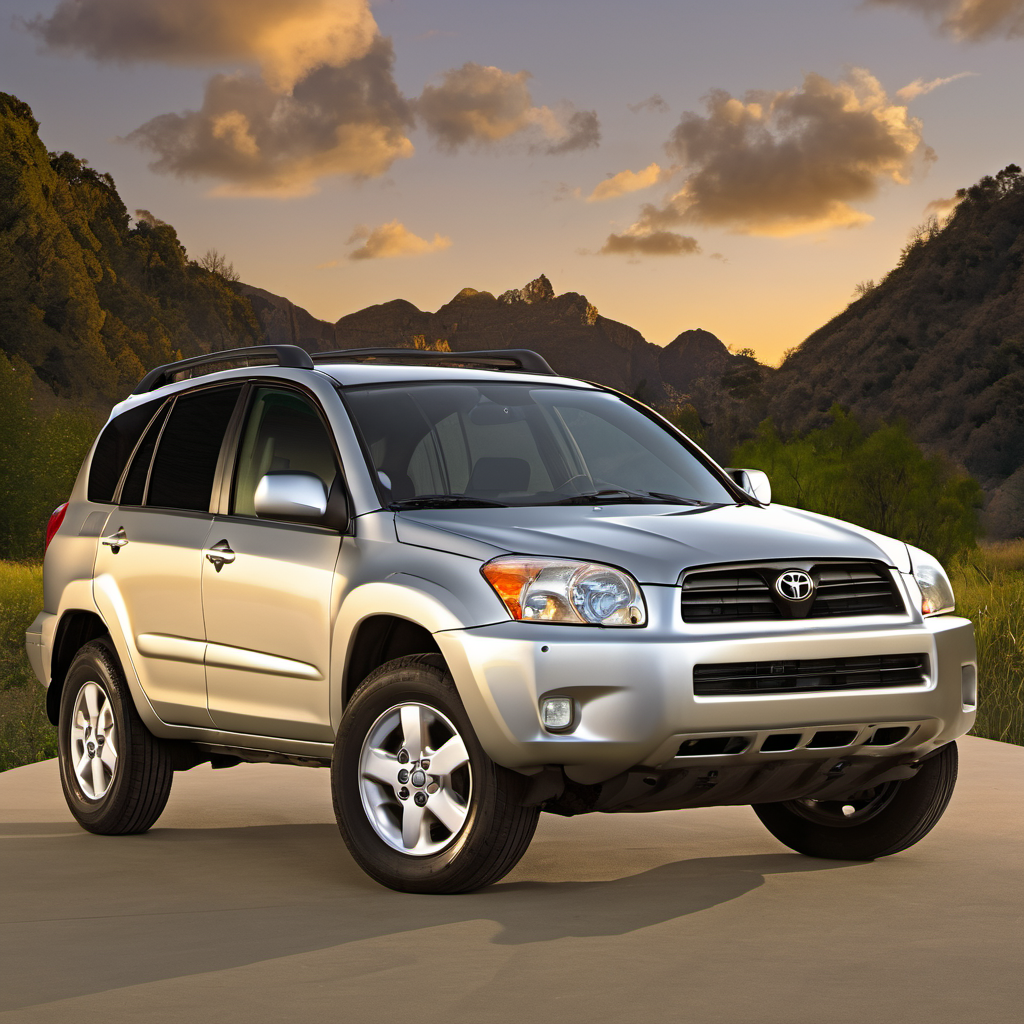
2006 Pontiac Torrent SUV

2006 Pontiac

TorrentSUV

SUV

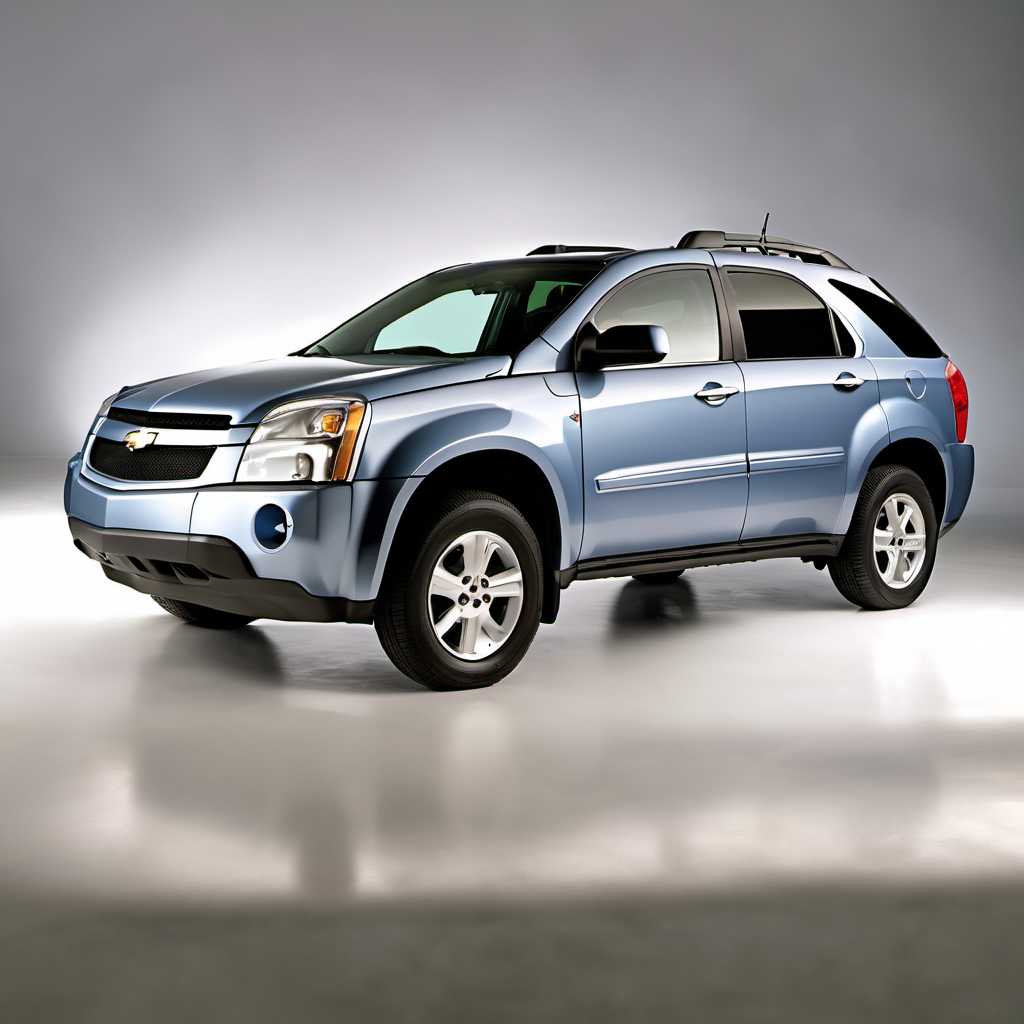
The 2006 Pontiac Torrent is a compact SUV built on GM's Theta platform, sharing its bones with the Chevrolet Equinox. It was Pontiac's entry into the growing small-SUV segment, offering a car-like ride with SUV practicality. The Torrent was available in front-wheel-drive and all-wheel-drive configurations, powered by a 3.4L V6. In the Lake Geneva area, the Torrent is a practical everyday hauler — roomy enough for a family, easy to park, and comfortable on highway runs. Its shared platform with the Equinox means parts are relatively easy to source, which helps keep repair costs reasonable at an independent shop. However, the Torrent's reputation is mixed. GM's 3.4L V6 has known oil consumption and intake manifold gasket issues, and the first-generation Theta platform had some rough edges in terms of long-term durability. Buyers should go in with realistic expectations and stay on top of preventive maintenance.

Reliability
2/5
Verified data
Specs shown for Torrent FWD — the most common configuration. Other trims may vary in engine, drivetrain, or fuel economy. Sign in to see your vehicle's exact specs.
Engine
[object Object]
Drivetrain
FWD
Fuel
Gasoline
MPG
17 city / 22 hwy / 19 combined
Seats
Doors
Body
Sport Utility Vehicle - 2WD

Overview

AI-curated

The 2006 Pontiac Torrent is a compact SUV built on GM's Theta platform, sharing its bones with the Chevrolet Equinox. It was Pontiac's entry into the growing small-SUV segment, offering a car-like ride with SUV practicality. The Torrent was available in front-wheel-drive and all-wheel-drive configurations, powered by a 3.4L V6. In the Lake Geneva area, the Torrent is a practical everyday hauler — roomy enough for a family, easy to park, and comfortable on highway runs. Its shared platform with the Equinox means parts are relatively easy to source, which helps keep repair costs reasonable at an independent shop. However, the Torrent's reputation is mixed. GM's 3.4L V6 has known oil consumption and intake manifold gasket issues, and the first-generation Theta platform had some rough edges in terms of long-term durability. Buyers should go in with realistic expectations and stay on top of preventive maintenance.

Known for
  • Car-like ride quality for an SUV
  • Roomy rear seating and cargo area
  • Shared GM Theta platform with Chevrolet Equinox (easy parts availability)
  • Available AWD for all-season traction
  • Distinctive Pontiac styling compared to the Equinox twin
Best for
  • Families needing a practical daily driver
  • Buyers on a budget looking for an affordable used SUV
  • Light-duty hauling and grocery runs
  • Commuters who want more space than a sedan
Watch for
  • Intake manifold gasket failure on the 3.4L V6 — very common
  • Oil consumption issues at higher mileage
  • Timing chain stretch and cam phaser codes on higher-mileage examples
  • Rust on underbody and wheel wells, especially in Wisconsin salt conditions
  • Power steering pump noise and premature wear

Common issues by mileage

6 known

Intake Manifold Gasket Leak (3.4L V6)

high
Typically appears
60–120k mi
Estimated repair
$400 – $750

Camshaft Position / Timing Over-Retarded

medium
Typically appears
80–150k mi
Estimated repair
$300 – $900

Intake/Exhaust Valve Control Solenoid Fault

medium
Typically appears
80–150k mi
Estimated repair
$150 – $450

Oxygen Sensor / Heater Circuit Failure

medium
Typically appears
70–130k mi
Estimated repair
$150 – $350

Power Steering Pump Noise and Failure

medium
Typically appears
60–120k mi
Estimated repair
$250 – $550

Premature Strut and Suspension Wear

high
Typically appears
60–100k mi
Estimated repair
$400 – $900

Maintenance schedule

  1. 1
    Every 5,000 miles or 6 months — do not stretch to the 7,500-mile OLM recommendation on a high-mileage example Engine oil and filter change

    The 3.4L V6 is prone to oil consumption and sludge buildup if oil changes are delayed. Fresh oil is the cheapest insurance on this engine.

  2. 2
    Every 2 years or 30,000 miles Coolant system inspection and coolant flush

    Intake manifold gasket leaks often allow coolant and oil to mix. Inspect for milky residue on the oil cap and discolored coolant. Catching this early prevents a much more expensive repair.

  3. 3
    Every 30,000–45,000 miles Transmission fluid change (5-speed automatic)

    GM's 5-speed automatic in this platform responds well to regular fluid maintenance. Neglect leads to harsh shifts and early wear.

  4. 4
    Every 60,000 miles or at any sign of squealing Serpentine belt and tensioner inspection

    Belt failure on this engine can leave you stranded and may cause cooling issues quickly.

  5. 5
    Every 60,000 miles Spark plugs and wires

    Worn plugs on the 3.4L can cause rough idle and misfires. The rear bank plugs are harder to access — budget a little extra labor time.

  6. 6
    Every 2–3 years Brake fluid flush

    Wisconsin road salt accelerates corrosion in brake lines and calipers. Fresh fluid helps prevent moisture-related damage.

  7. 7
    Every fall before road salt season Underbody rust inspection and treatment

    Theta-platform vehicles are susceptible to frame and subframe corrosion in salt-belt states. Early treatment is far cheaper than structural repair.

  8. 8
    Every fall, or when battery is 3+ years old Battery load test

    Sub-zero Wisconsin winters are hard on batteries. A battery that passes in summer can fail to crank at -10°F.

Always defer to the manufacturer's service manual for warranty-mandated intervals.

Cost of ownership

Annual maintenance
$700 – $1,600
Fuel
At 19 MPG combined and roughly 12,000 miles/year, expect to spend approximately $1,800–$2,200/year on fuel depending on gas prices.
Insurance
Typically $900–$1,400/year for full coverage in the Lake Geneva area for a vehicle of this age and value. Liability-only coverage will be considerably less.

The Torrent is inexpensive to insure and buy, but maintenance costs can creep up on high-mileage examples — especially if intake manifold gaskets, power steering, or suspension components need attention. Budget on the higher end of the maintenance range if the vehicle is over 100k miles and has no service history. Parts are broadly available due to the Equinox twin, which helps keep independent shop labor costs reasonable.
Seasonal care

Lake Geneva, WI
Winter
  • Load-test the battery every fall — the 3.4L V6 needs strong cranking power below 0°F and a weak battery will leave you stranded.
  • Switch to a full-synthetic 5W-30 oil if not already used; it flows faster on cold starts and protects the engine during those first critical seconds.
  • Flush the washer fluid reservoir and fill with a -40°F rated fluid — standard summer fluid will freeze solid in the reservoir and lines.
  • Install winter wiper blades to prevent ice buildup on the blade arms; the Torrent's wiper system is not especially robust.
  • Inspect and treat all underbody surfaces, brake lines, and suspension components before salt season — corrosion is the #1 long-term killer of these vehicles in Wisconsin.
  • Check tire pressure weekly in cold snaps; pressure drops roughly 1 PSI for every 10°F drop in temperature, and underinflated tires reduce traction on ice and snow.
Summer
  • Check the A/C system for refrigerant level and compressor operation before the first heat wave — the Torrent's A/C is not particularly robust on older examples.
  • Inspect coolant level and watch for any signs of the intake manifold gasket leaking (sweet smell, white exhaust, or coolant loss without visible leak) — heat accelerates this failure.
  • Check tire pressure in hot weather; pressure rises with heat and over-inflation reduces contact patch and increases wear.
  • Inspect serpentine belt and tensioner — heat cycles accelerate belt cracking and tensioner wear.
  • Clear cabin air filter if equipped — a clogged filter drastically reduces A/C effectiveness in summer heat.

Comparable vehicles

If you're shopping for one

Red flags
  • Any cam timing or valve solenoid codes (P0012, P0015, P0022, P0025, P0026–P0029) — these can indicate expensive timing system repairs ahead.
  • Milky oil or discolored coolant — intake manifold gasket failure is likely already in progress.
  • Visible rust holes or heavy scale on the subframe, brake lines, or rear suspension — structural rust is not economically repairable on a vehicle of this value.
  • No service history or oil change records — the 3.4L V6 sludges quickly without regular oil changes.
  • Transmission slipping, harsh shifting, or delayed engagement — servicing a neglected 5-speed automatic is costly relative to the vehicle's market value.
What to inspect
  • Pull the oil cap and look for milky or mayonnaise-like residue — a sign of coolant mixing with oil from a leaking intake manifold gasket.
  • Check the coolant reservoir for oil sheen or discoloration, which also points to a compromised intake gasket.
  • Start the engine cold and listen for a ticking or rattling noise in the first 30 seconds — this can indicate timing chain stretch or low oil pressure from sludge.
  • Test the power steering at full lock in both directions; whining, groaning, or jerky feedback signals a failing pump.
  • Inspect all four wheel wells and the undercarriage for rust perforation, especially around the subframe mounting points and rear suspension.
  • Have a shop scan for any stored or pending DTCs before purchase — cam timing codes (P0012, P0015, P0022, P0025) on a used example are a serious red flag.
AI profile generated 12 days ago · claude-sonnet-4-6 · v2.