VVT / Camshaft Timing System Faults
high- Typically appears
- 60–120k mi
- Estimated repair
- $300 – $900
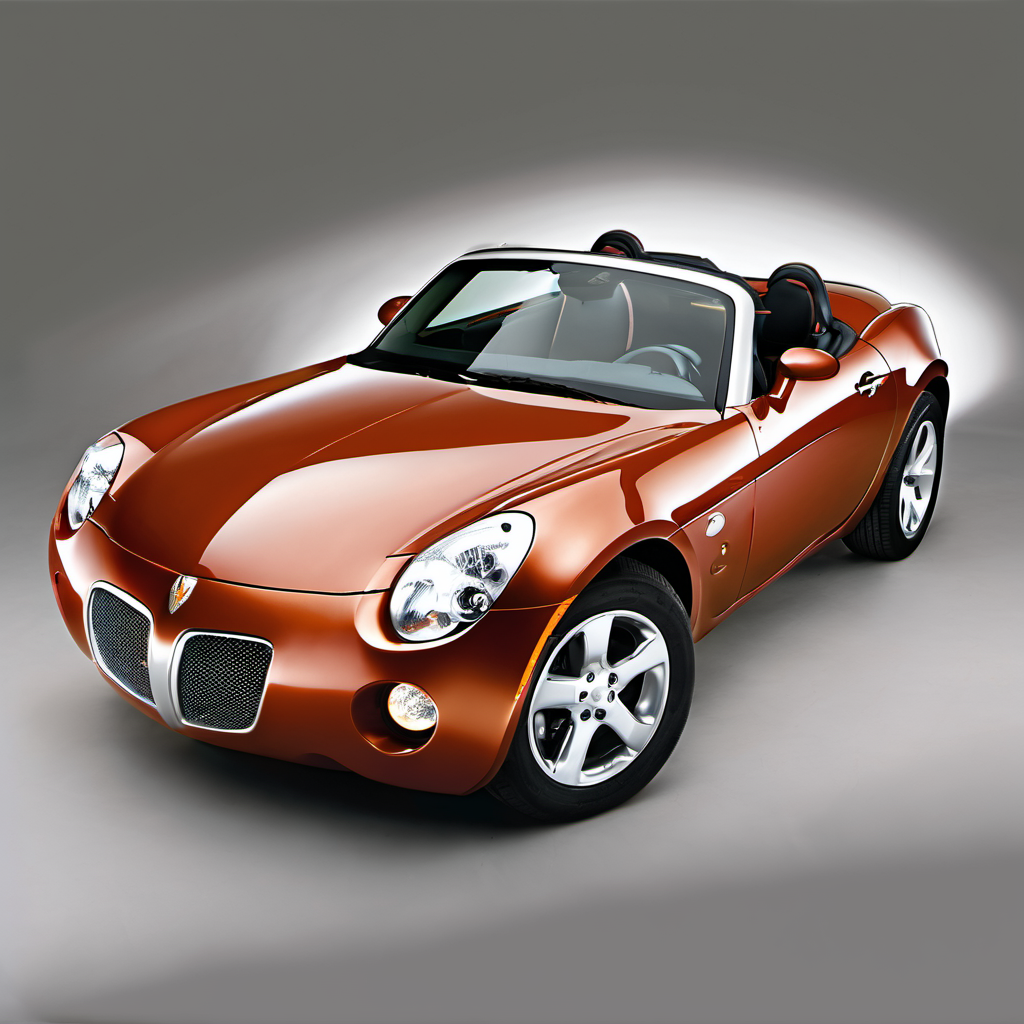
2006 Pontiac
Convertible
The 2006 Pontiac Solstice was GM's bold attempt to bring an affordable two-seat roadster back to American showrooms, and it largely succeeded on style. Built on GM's Kappa platform alongside the Saturn Sky, it launched with a 2.4L Ecotec four-cylinder and rear-wheel drive in a low-slung convertible body — a genuinely fun driver's car that turned heads everywhere it went. The Solstice was a sales hit when it debuted, but it came with real-world compromises: minimal trunk space, a manual soft-top that requires gymnastics to operate, and a cabin that was designed more for drama than ergonomics. Parts availability is already becoming a concern since Pontiac was discontinued in 2010, so ownership requires some patience and resourcefulness. For the right buyer — someone who wants weekend driving thrills on a budget and has a second, practical vehicle — the Solstice is a rewarding, low-volume sports car. For someone expecting daily-driver convenience, it will frustrate quickly.
The 2006 Pontiac Solstice was GM's bold attempt to bring an affordable two-seat roadster back to American showrooms, and it largely succeeded on style. Built on GM's Kappa platform alongside the Saturn Sky, it launched with a 2.4L Ecotec four-cylinder and rear-wheel drive in a low-slung convertible body — a genuinely fun driver's car that turned heads everywhere it went. The Solstice was a sales hit when it debuted, but it came with real-world compromises: minimal trunk space, a manual soft-top that requires gymnastics to operate, and a cabin that was designed more for drama than ergonomics. Parts availability is already becoming a concern since Pontiac was discontinued in 2010, so ownership requires some patience and resourcefulness. For the right buyer — someone who wants weekend driving thrills on a budget and has a second, practical vehicle — the Solstice is a rewarding, low-volume sports car. For someone expecting daily-driver convenience, it will frustrate quickly.
The 2.4L Ecotec is prone to sludge buildup that destroys VVT solenoids. Full synthetic and strict intervals are the single best thing you can do for longevity. Never stretch oil changes on this engine.
This engine can consume oil without warning lights. Running it even a quart low stresses the VVT system and bearings. Carry a quart in the frunk.
Inspect seals for cracking, treat the rubber with a silicone-based protectant, and lubricate pivot points. Catching a failing seal early prevents water damage to the interior electronics and carpeting.
Degraded coolant accelerates water pump and thermostat housing wear on the Ecotec. Use GM Dex-Cool or a compatible OAT coolant.
Iridium plugs are spec'd for the 2.4L. Worn plugs increase misfires and can stress the ignition coil boots, which are awkward to access on this engine.
The Solstice's low ride height and minimal factory undercoating make it extremely vulnerable to Wisconsin road salt. An annual inspection for surface rust plus frame rail treatment significantly extends the car's life.
A small two-seater with a tight engine bay means a battery replacement in a parking lot on a January morning is especially miserable. Test before temperatures drop.
Brake fluid absorbs moisture over time. In a lightweight RWD sports car where braking balance matters, fresh fluid maintains consistent pedal feel and prevents caliper corrosion — important during Wisconsin winter stops.
Always defer to the manufacturer's service manual for warranty-mandated intervals.
Day-to-day costs are moderate for a sports car, but budget for the unexpected. Parts sourcing for Pontiac-specific items is increasingly difficult and can add cost. A car with a neglected soft-top or rust issues can quickly turn into a $2,000–$4,000 repair scenario. Treat this as a second, weekend vehicle — it's not built for year-round Wisconsin daily driving, and attempting it will accelerate every issue on this list.
Mechanical twin to the Solstice on the same Kappa platform — same engine, same drivetrain, slightly different styling. Parts interchangeability makes a Sky a good donor or alternative. Some prefer the Sky's interior ergonomics.
No catalog match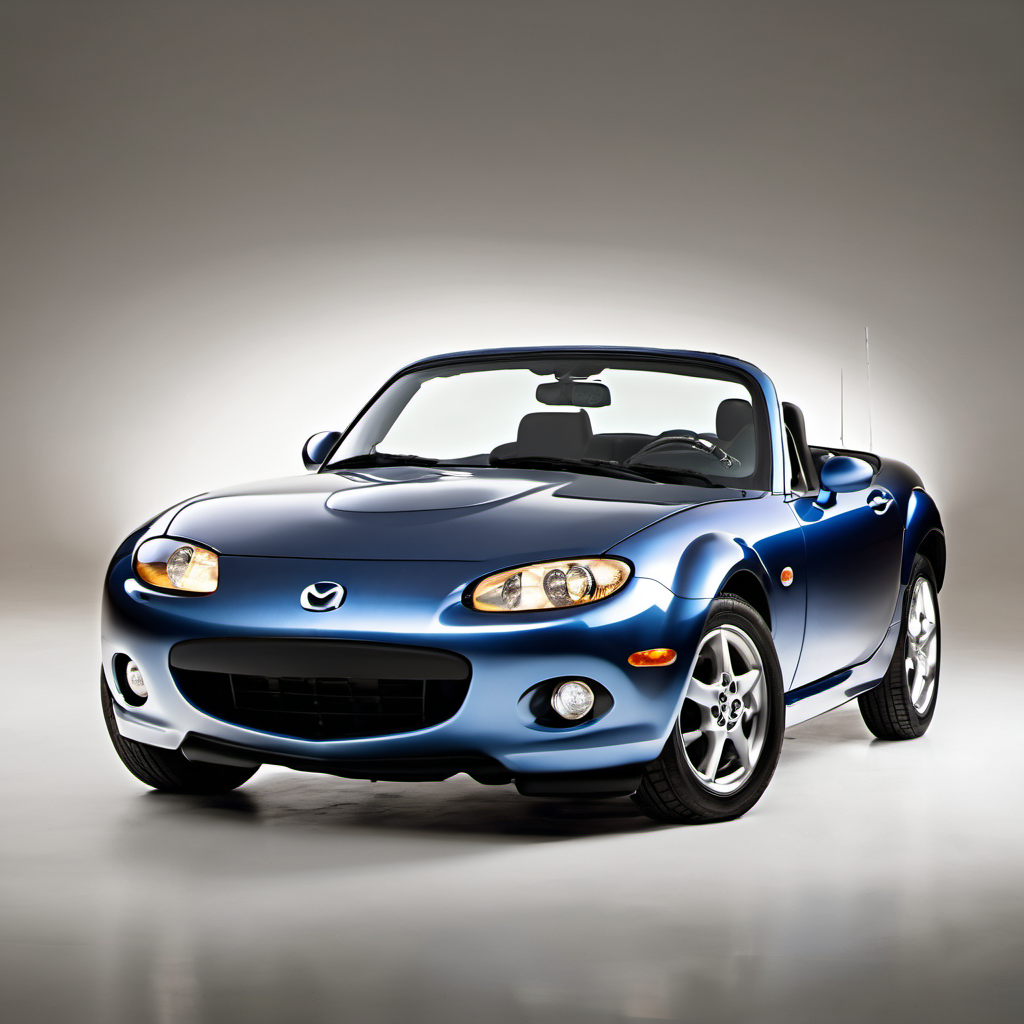
The benchmark for affordable RWD roadsters. More reliable, better supported, larger enthusiast community, and significantly more practical soft-top operation. The smarter long-term buy for most drivers in this segment.
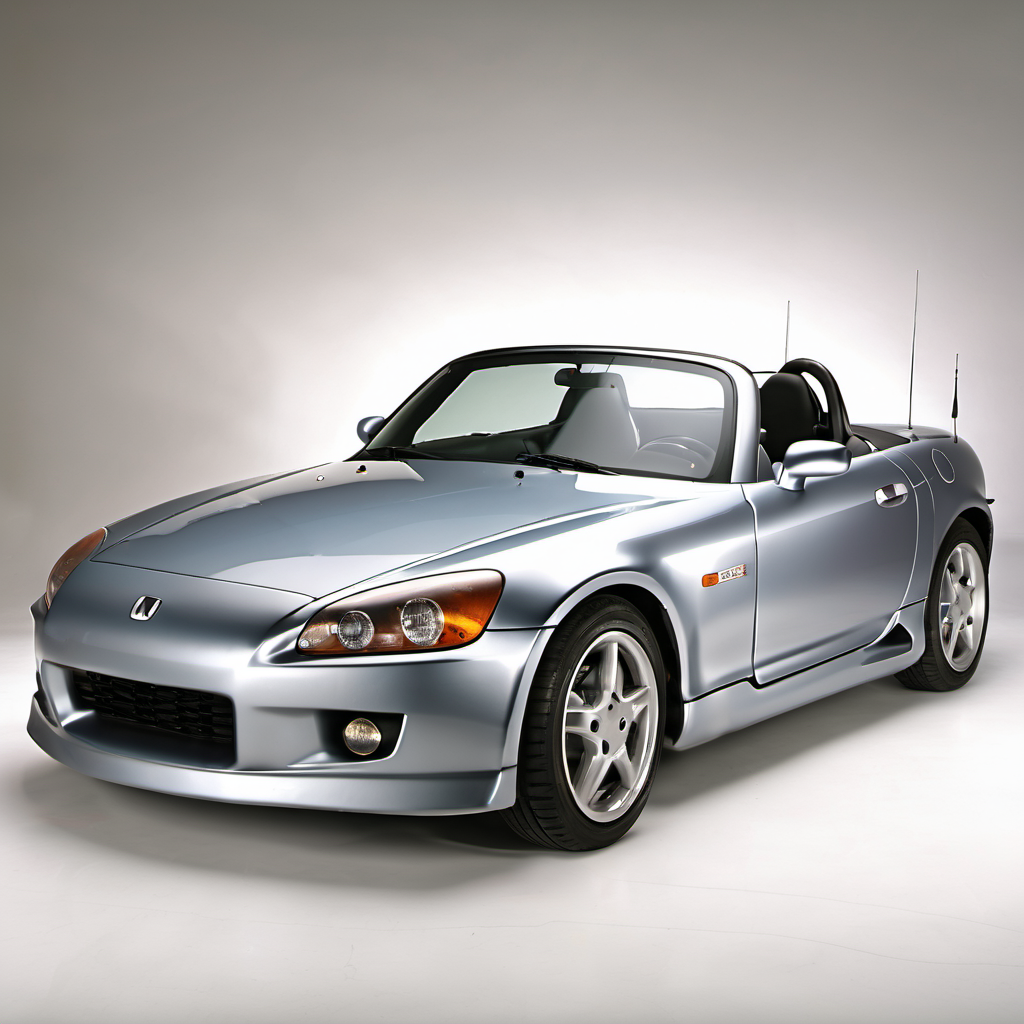
Higher performance, more mechanically robust, and with Honda's parts network still fully intact. More expensive to buy used but far easier to own long-term. A step up in driver engagement and reliability.
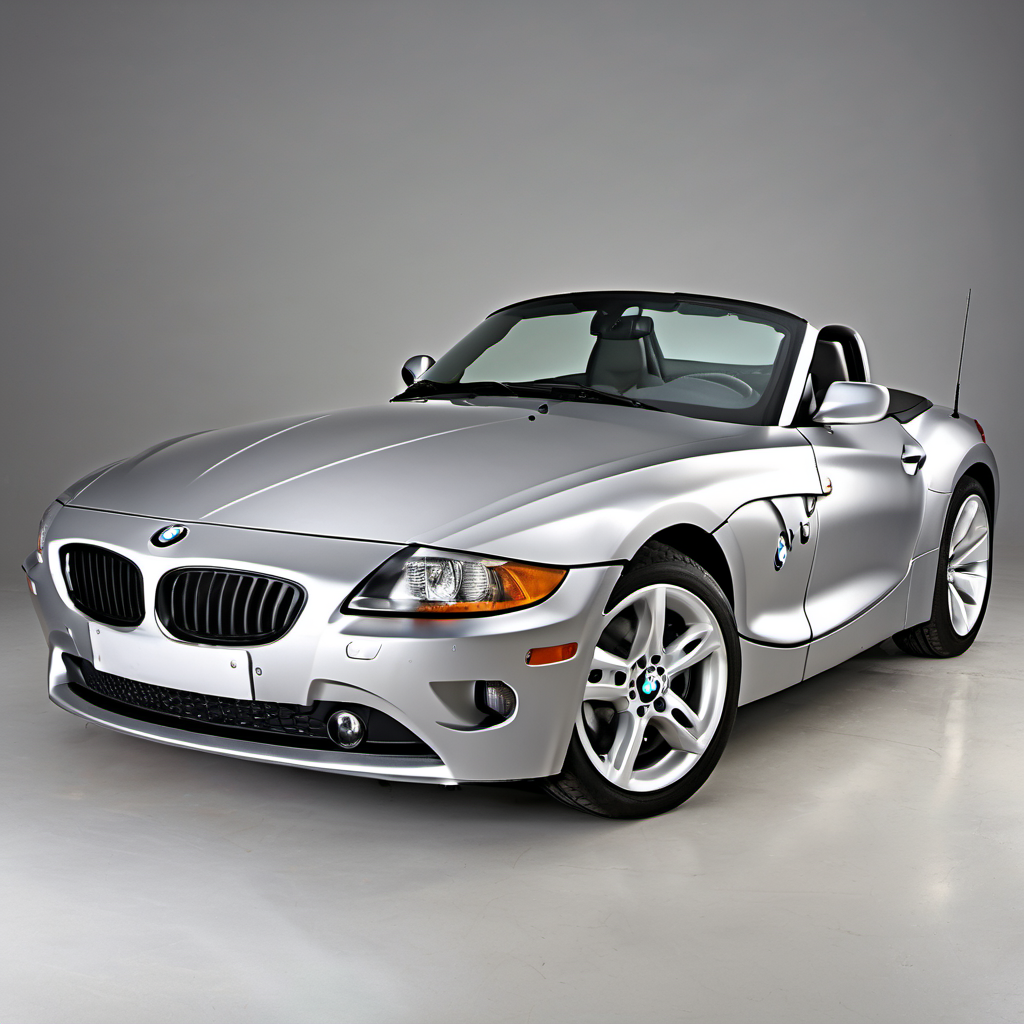
RWD roadster in a similar price bracket used. Better refinement and a more complete interior, though maintenance costs are higher. Worth cross-shopping if the buyer prioritizes interior quality over the Solstice's raw styling.