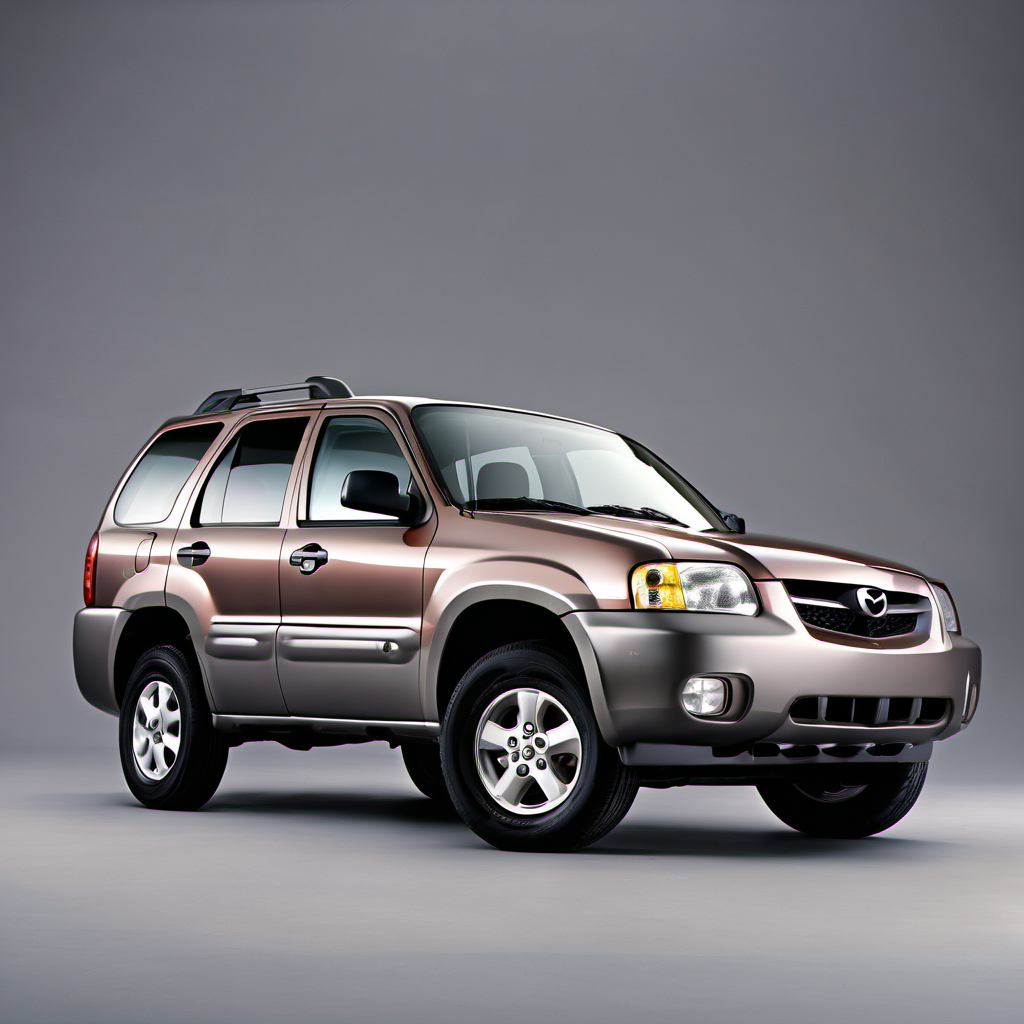
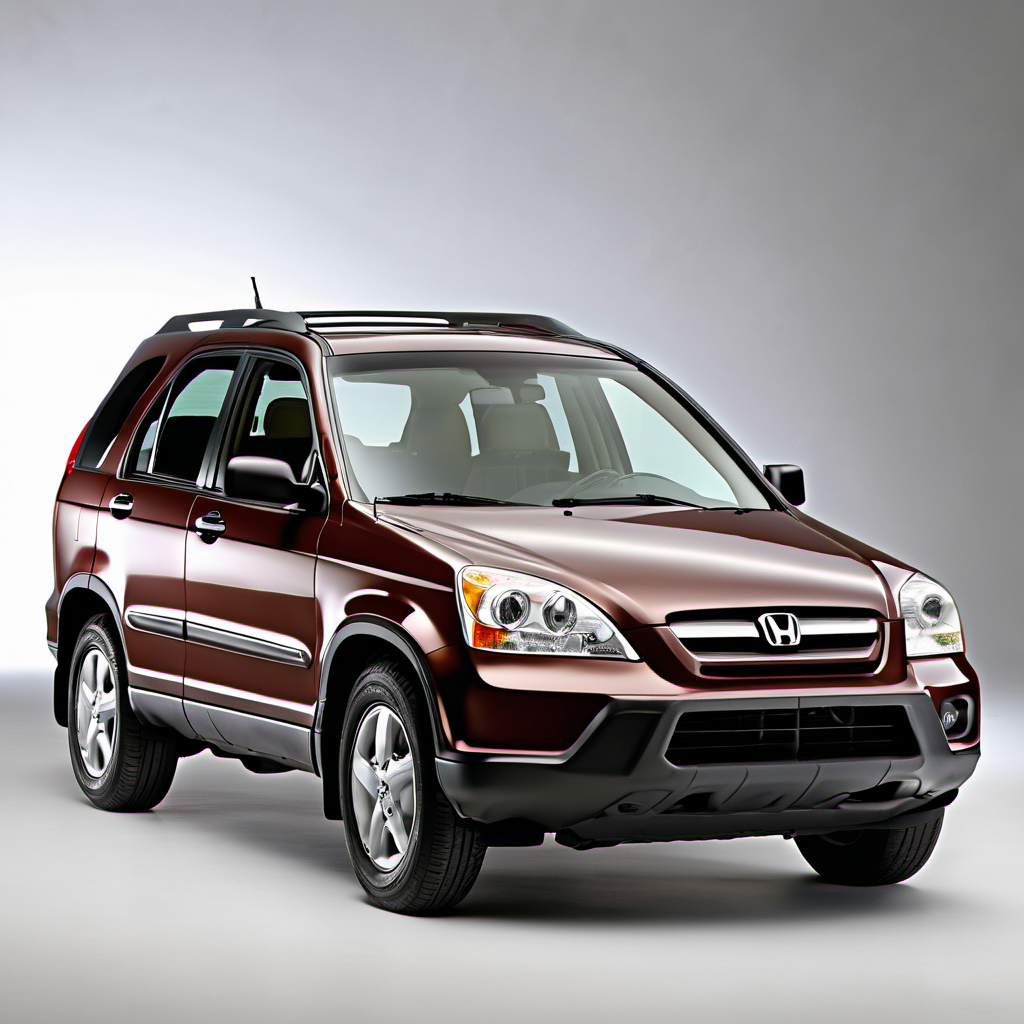
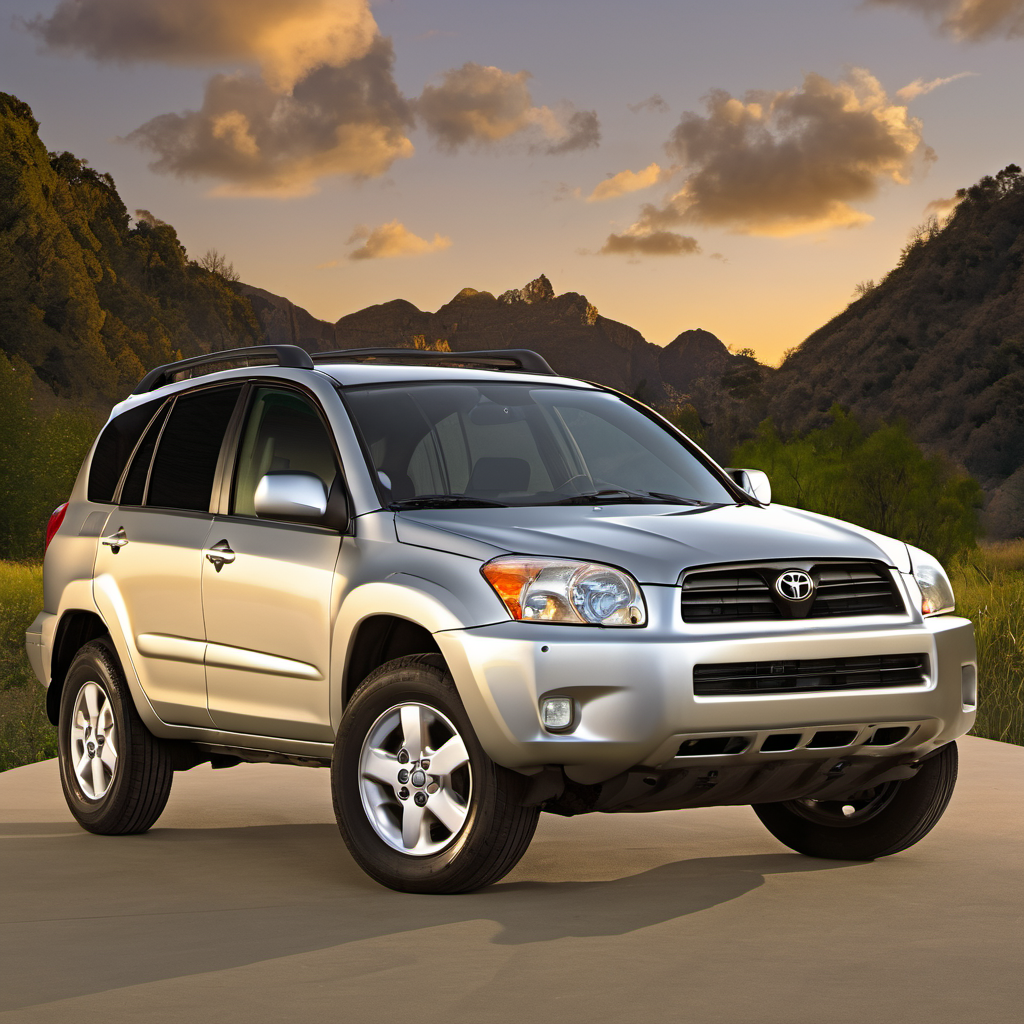
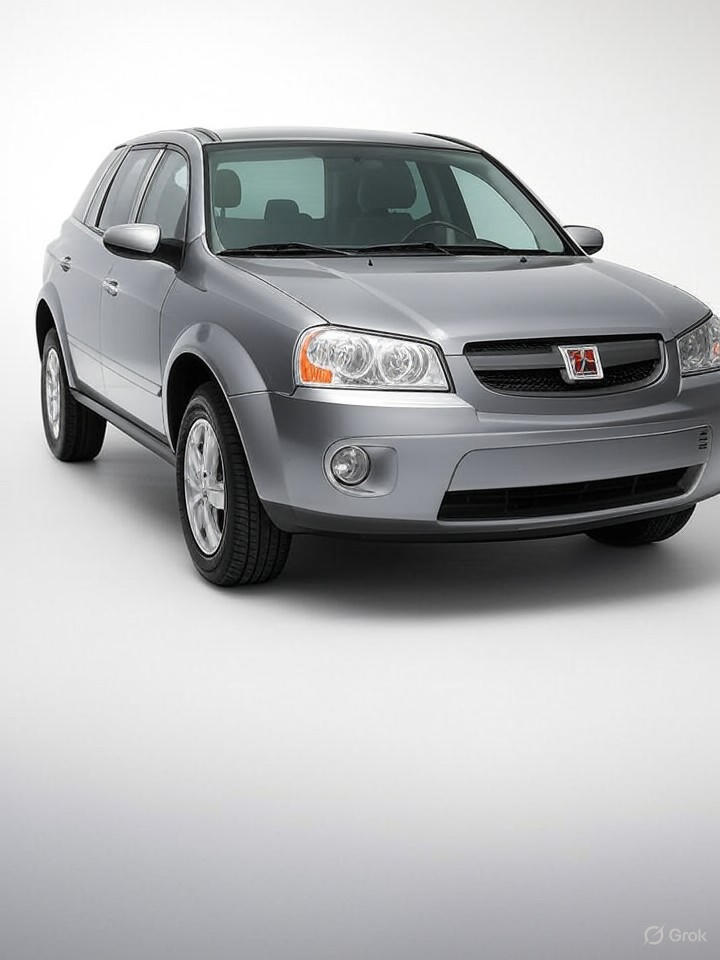
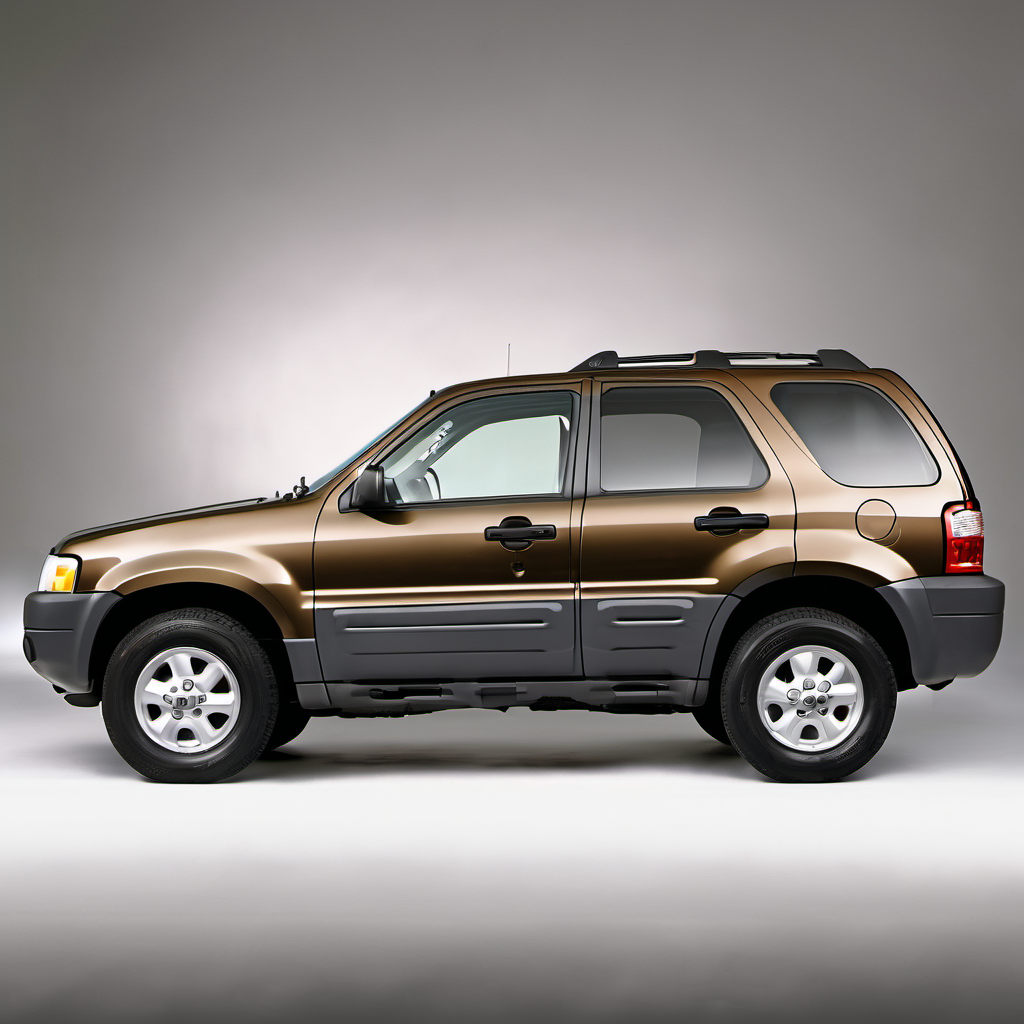
2006 MAZDA Tribute SUV

2006 MAZDA

TributeSUV

SUV

The 2006 Mazda Tribute is a compact SUV built on the same Ford CD2 platform shared with the Ford Escape and Mercury Mariner. It offers a practical, car-based ride with decent fuel economy for its class and a comfortable, easy-to-drive character. Mazda added slightly sharper steering and firmer suspension tuning compared to the Escape, giving it a marginally more spirited feel without sacrificing everyday usability. The 2006 model is second-generation (2005–2007 refresh) and represents a mature version of the platform. The 2.3L four-cylinder is the more common powertrain in FWD trim, and while it isn't a powerhouse, it is generally durable when maintained. The 4WD V6 variants are less common and carry their own quirks. For Lake Geneva-area buyers, the FWD 2.3L is adequate for light winter use but demands proper tire selection — all-season tires on this platform in Wisconsin winter conditions are a fair-weather compromise at best. Plan for a dedicated winter tire set if you drive in snow regularly.

Reliability
3/5
Verified data
Specs shown for Tribute 2WD — the most common configuration. Other trims may vary in engine, drivetrain, or fuel economy. Sign in to see your vehicle's exact specs.
Engine
[object Object]
Drivetrain
FWD
Fuel
Gasoline
MPG
20 city / 23 hwy / 21 combined
Seats
Doors
Body
Sport Utility Vehicle - 2WD

Overview

AI-curated

The 2006 Mazda Tribute is a compact SUV built on the same Ford CD2 platform shared with the Ford Escape and Mercury Mariner. It offers a practical, car-based ride with decent fuel economy for its class and a comfortable, easy-to-drive character. Mazda added slightly sharper steering and firmer suspension tuning compared to the Escape, giving it a marginally more spirited feel without sacrificing everyday usability. The 2006 model is second-generation (2005–2007 refresh) and represents a mature version of the platform. The 2.3L four-cylinder is the more common powertrain in FWD trim, and while it isn't a powerhouse, it is generally durable when maintained. The 4WD V6 variants are less common and carry their own quirks. For Lake Geneva-area buyers, the FWD 2.3L is adequate for light winter use but demands proper tire selection — all-season tires on this platform in Wisconsin winter conditions are a fair-weather compromise at best. Plan for a dedicated winter tire set if you drive in snow regularly.

Known for
  • Car-like ride quality from the unibody CD2 platform
  • Shared mechanicals with Ford Escape — parts are widely available
  • Tight, responsive steering for a compact SUV of its era
  • Practical cargo area and versatile rear seat
Best for
  • Daily commuters wanting a small SUV with easy parking
  • Budget-conscious buyers comfortable with DIY or independent-shop maintenance
  • Light-duty hauling and occasional unpaved roads (AWD trim)
  • Owners who value widely available parts sourced from both Mazda and Ford networks
Watch for
  • Rust on rocker panels, frame rails, and rear wheel arches — especially on Wisconsin-driven examples
  • Automatic transmission reliability on higher-mileage units with deferred fluid service
  • Coolant leaks around the intake manifold and thermostat housing
  • Oxygen sensor and VVT-related check-engine codes appearing after 100k miles

Common issues by mileage

6 known

Rust on rocker panels, subframe, and rear wheel arches

high
Typically appears
80k–150k mi
Estimated repair
$500 – $3,000

Oxygen sensor failure (upstream and downstream heater circuits)

high
Typically appears
90k–140k mi
Estimated repair
$150 – $400

Automatic transmission slipping / delayed engagement from deferred fluid service

medium
Typically appears
100k–160k mi
Estimated repair
$300 – $3,500

Coolant thermostat housing and intake manifold gasket leaks

medium
Typically appears
80k–130k mi
Estimated repair
$200 – $600

Camshaft position / VVT timing codes (sludge-related oil passages)

medium
Typically appears
100k–150k mi
Estimated repair
$200 – $900

Front wheel bearing wear

medium
Typically appears
90k–140k mi
Estimated repair
$250 – $550

Maintenance schedule

  1. 1
    Every 5,000 miles or 6 months — use conventional or full-synthetic 5W-20 Engine oil and filter change

    The 2.3L's VVT oil passages are narrow and sludge easily if intervals are stretched. Consistent short intervals are the single best way to avoid P0012/P0015 camshaft timing codes.

  2. 2
    Every 30,000 miles on a used example with unknown history — drain and fill, not flush Automatic transmission fluid service

    The 4-speed automatic is reliable when fluid is fresh but deteriorates quickly once neglected. If the fluid is dark brown or smells burnt, do a drain-and-fill first rather than a full flush on a high-mileage unit.

  3. 3
    Every 60,000 miles or 5 years Coolant system inspection and flush

    The 2006 Tribute uses a conventional green or orange coolant spec. Old coolant turns acidic and accelerates thermostat housing and gasket corrosion — a common failure point on this engine.

  4. 4
    Every 60,000 miles Spark plug replacement

    The 2.3L uses standard iridium-tip plugs. Worn plugs cause rough idle and can trigger misfires; replacement is straightforward on this inline-four.

  5. 5
    Every 2–3 years regardless of mileage Brake fluid replacement

    Wisconsin road salt accelerates brake caliper corrosion. Moisture-laden brake fluid lowers the boiling point and speeds up internal caliper corrosion from the inside out.

  6. 6
    Every fall before road salt season Inspect and treat exposed underbody metal / frame rails

    Rocker panels and subframe mounting points are the Tribute's biggest long-term enemy in the Upper Midwest. Annual undercoating or rust inhibitor application significantly extends the vehicle's viable life.

  7. 7
    Every 30,000 miles or when visibly dirty Air filter replacement

    A clogged air filter hurts fuel economy noticeably on the 2.3L and can contribute to rough running. Inexpensive insurance.

  8. 8
    Every 5,000–7,500 miles; check pressure monthly in winter Tire rotation and inflation check

    Tire pressure drops roughly 1 PSI per 10°F temperature drop. Under-inflated tires in a Lake Geneva winter reduce traction and accelerate wear on the front axle components.

Always defer to the manufacturer's service manual for warranty-mandated intervals.

Cost of ownership

Annual maintenance
$600 – $1,400
Fuel
At 21 MPG combined and roughly 12,000 miles/year, expect to spend approximately $1,800–$2,100/year on fuel at current Midwest gas prices.
Insurance
Typically $900–$1,400/year for full coverage in the Lake Geneva area depending on driver profile. The Tribute's age and modest value often make liability-only coverage worth considering for high-mileage examples.

The 2006 Tribute is an affordable vehicle to maintain when healthy — parts are plentiful and cheap thanks to the Ford Escape overlap. The real cost wildcard is rust repair, which can quickly exceed the vehicle's market value on a neglected Wisconsin example. Budget conservatively and get a thorough underbody inspection before purchase or at the first sign of surface corrosion.
Seasonal care

Lake Geneva, WI
Winter
  • Switch to a dedicated winter tire set — the FWD Tribute struggles in deep snow on worn all-seasons; winter tires make a measurable difference in stopping distance on icy Lake Geneva roads
  • Test the battery before November — the 2.3L cranks fine above 20°F but a marginal battery will fail on a sub-zero morning; replace any battery over 4 years old
  • Use a winter-grade washer fluid rated to at least -20°F and keep the reservoir full; the Tribute's windshield has a wide base that collects road salt spray
  • Inspect wiper blades and consider winter-specific blades — the standard blades ice up in heavy snow/sleet conditions
  • Flush and refill coolant if it hasn't been done recently — verify freeze protection to at least -34°F with a tester
  • After every significant salt exposure, rinse the undercarriage at a spray-wand car wash, paying attention to rocker panels and wheel wells
Summer
  • Check tire pressure after the first hot week — tires gain 1 PSI per 10°F rise; overinflated tires reduce contact patch and wear the center tread faster
  • Inspect the A/C system operation early in the season — the Tribute's A/C compressor and condenser are straightforward but recharge with R-134a; a weak system is cheaper to fix in May than August
  • Watch coolant temperature on hot days with A/C running in stop-and-go traffic — a marginal radiator fan or low coolant shows up under these conditions first
  • Check the cabin air filter if the vehicle has one — a clogged filter reduces A/C airflow noticeably and strains the blower motor

Comparable vehicles

If you're shopping for one

Red flags
  • Any visible rust holes or bubbling paint along the rocker panels or floor — structural rust repair will cost more than the vehicle is worth
  • Transmission that slips, hunts between gears, or clunks on engagement — internal damage is likely and rebuild/replace costs are $1,500–$3,500
  • Coolant that is dark brown, sludgy, or has visible oil contamination — potential head gasket or intake gasket failure
  • A scan tool showing active or pending P0012 or P0015 camshaft timing codes without a recent oil service — indicates oil sludge in VVT passages that may require engine disassembly to resolve
  • Any signs the odometer has been tampered with (worn pedals and steering wheel on a claimed low-mileage example)
What to inspect
  • Crawl under and physically inspect the rocker panels, subframe mounting points, and rear wheel arch seams for rust perforation — surface rust is normal, structural rust is a deal-breaker
  • Check the transmission for smooth, firm shifts through all gears with no slipping or shuddering — the 4-speed is vulnerable after deferred fluid service
  • Warm the engine fully and look for coolant leaks at the thermostat housing and intake manifold gasket area
  • Pull the oil cap and look for milky sludge, which indicates either a head gasket issue or severe neglect
  • With the front wheels off the ground, check for play in the wheel bearings by rocking each wheel at 9 and 3 o'clock
  • Check all four oxygen sensors for check-engine codes with a scanner before buying — P0030, P0031, P0032, P0036 on a high-mileage unit signal upcoming sensor costs
AI profile generated 1 hr ago · claude-sonnet-4-6 · v2.