VVT Cam Phaser / Timing Chain Wear
high- Typically appears
- 80–140k mi
- Estimated repair
- $900 – $2,800
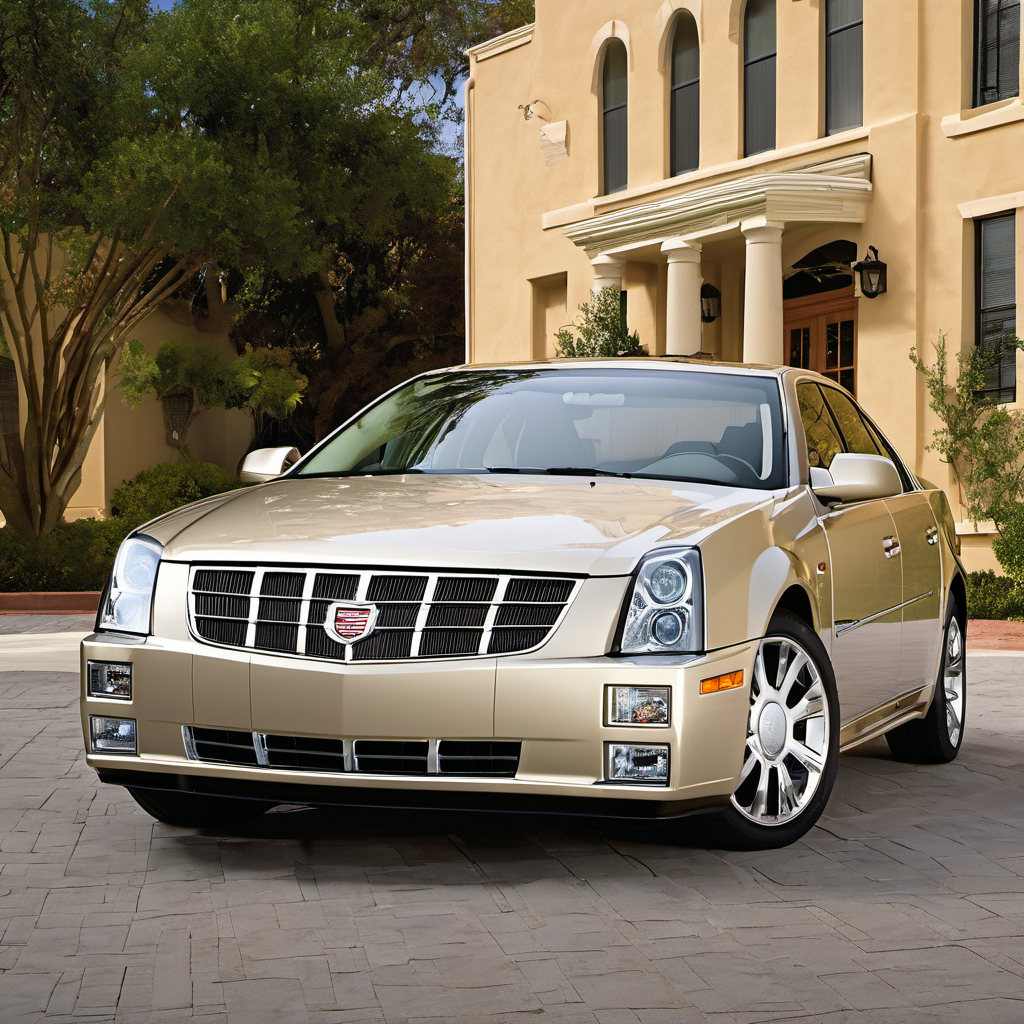
2006 Cadillac
Sedan
The 2006 Cadillac STS is a rear-wheel-drive luxury sport sedan built on GM's Sigma platform — the same bones shared with the Cadillac CTS and the European Cadillac BLS. It represented Cadillac's push to compete directly with BMW's 5 Series and Mercedes E-Class, offering sharp handling, a driver-focused cabin, and available all-wheel drive. The 3.6L V6 is the volume engine, delivering a solid blend of performance and everyday usability. Inside, the STS punches above its current used-market price with features like magnetic ride control (on equipped trims), a Bose audio system, heated and ventilated seats, and a relatively intuitive CUE predecessor. Build quality is a noticeable step up from the late-90s Cadillac lineup, though it still trails German rivals in interior fit-and-finish feel. As a used buy in 2024–2025, the STS offers a lot of car for the money, but it comes with Cadillac-level complexity and parts costs. Budget accordingly, and make sure any example you buy has a documented oil change history — the 3.6L VVT system is oil-pressure sensitive and punishes neglect fast.
The 2006 Cadillac STS is a rear-wheel-drive luxury sport sedan built on GM's Sigma platform — the same bones shared with the Cadillac CTS and the European Cadillac BLS. It represented Cadillac's push to compete directly with BMW's 5 Series and Mercedes E-Class, offering sharp handling, a driver-focused cabin, and available all-wheel drive. The 3.6L V6 is the volume engine, delivering a solid blend of performance and everyday usability. Inside, the STS punches above its current used-market price with features like magnetic ride control (on equipped trims), a Bose audio system, heated and ventilated seats, and a relatively intuitive CUE predecessor. Build quality is a noticeable step up from the late-90s Cadillac lineup, though it still trails German rivals in interior fit-and-finish feel. As a used buy in 2024–2025, the STS offers a lot of car for the money, but it comes with Cadillac-level complexity and parts costs. Budget accordingly, and make sure any example you buy has a documented oil change history — the 3.6L VVT system is oil-pressure sensitive and punishes neglect fast.
The 3.6L VVT system uses engine oil pressure to actuate cam phasers. Dirty or low oil accelerates cam phaser and timing chain wear dramatically. Use ACDelco PF61E or equivalent filter; drain plug torque is 18 ft-lb.
Sludge and varnish can clog the small screens on the VVT solenoids, causing P0026–P0029 codes and erratic cam timing. Often the solenoid isn't failed — just dirty.
GM's 6T70/6T75 is durable but degrades faster with old fluid. Fresh Dexron VI keeps shifts crisp and protects the valve body.
The 3.6L V6 has rear bank plugs that require removing the intake plenum — plan for increased labor when it's time. Don't defer past 60k or coil damage can follow.
Dex-Cool's extended life degrades past these intervals. Degraded coolant can cause intake manifold gasket corrosion and water pump wear.
Moisture absorption in brake fluid lowers boiling point and can corrode ABS module internals — a costly repair to skip a cheap service.
Wisconsin road salt aggressively attacks the STS's steel brake lines, subframe, and suspension components. Catching surface rust early is far cheaper than emergency brake line replacement.
The STS's numerous electronic modules draw significant parasitic load. A marginal battery that performs fine in summer can fail to start at sub-zero temperatures. Replace proactively if the battery is 4+ years old.
Always defer to the manufacturer's service manual for warranty-mandated intervals.
The STS is deceptively affordable to buy used but moderately expensive to maintain correctly. Routine upkeep — oil, filters, plugs, fluids — runs $700–$1,000/year at an independent shop. If the VVT system or suspension needs attention, a single repair can push annual costs past $2,000. Budget a $500–$800 contingency fund annually for surprise electrical or VVT work, especially on any car above 80k miles.
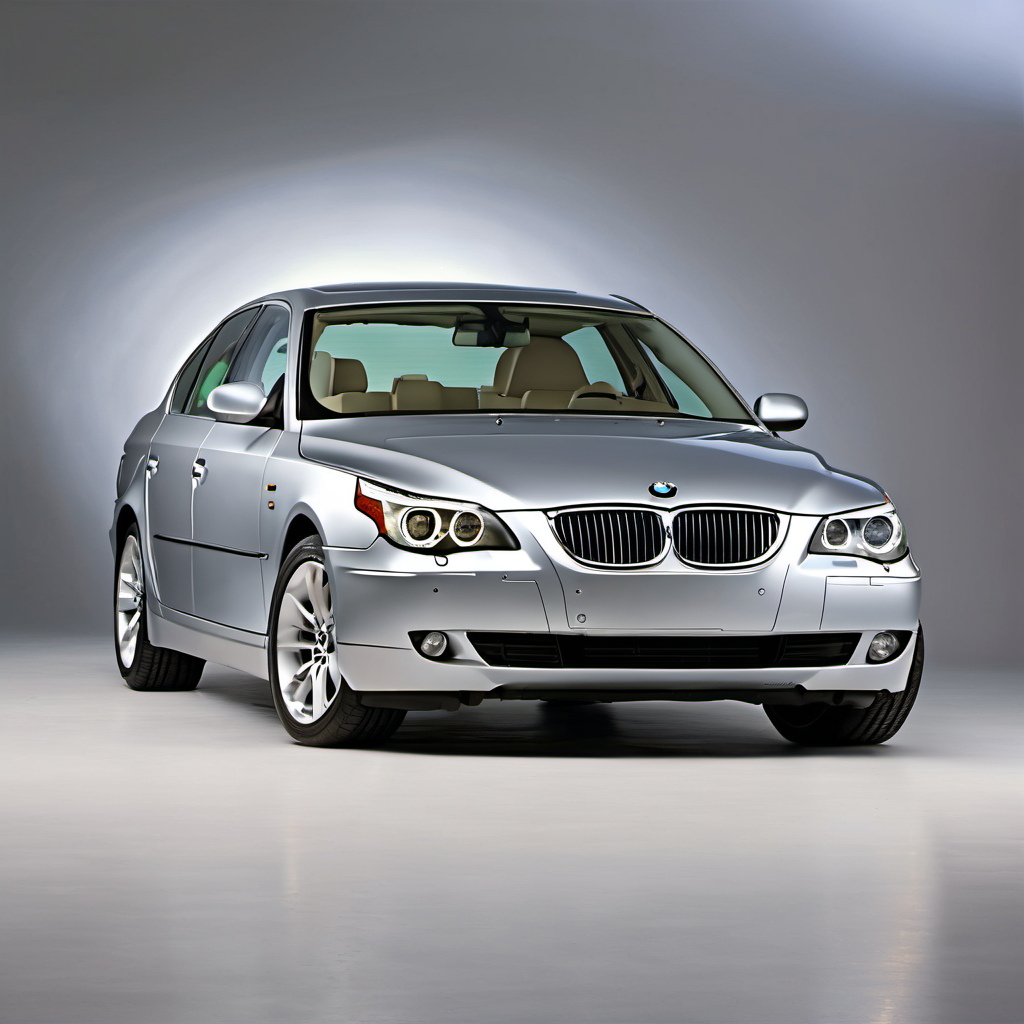
The benchmark the STS was aimed at. Similar RWD sport sedan mission, comparable used pricing today, but higher parts costs and more complex maintenance.
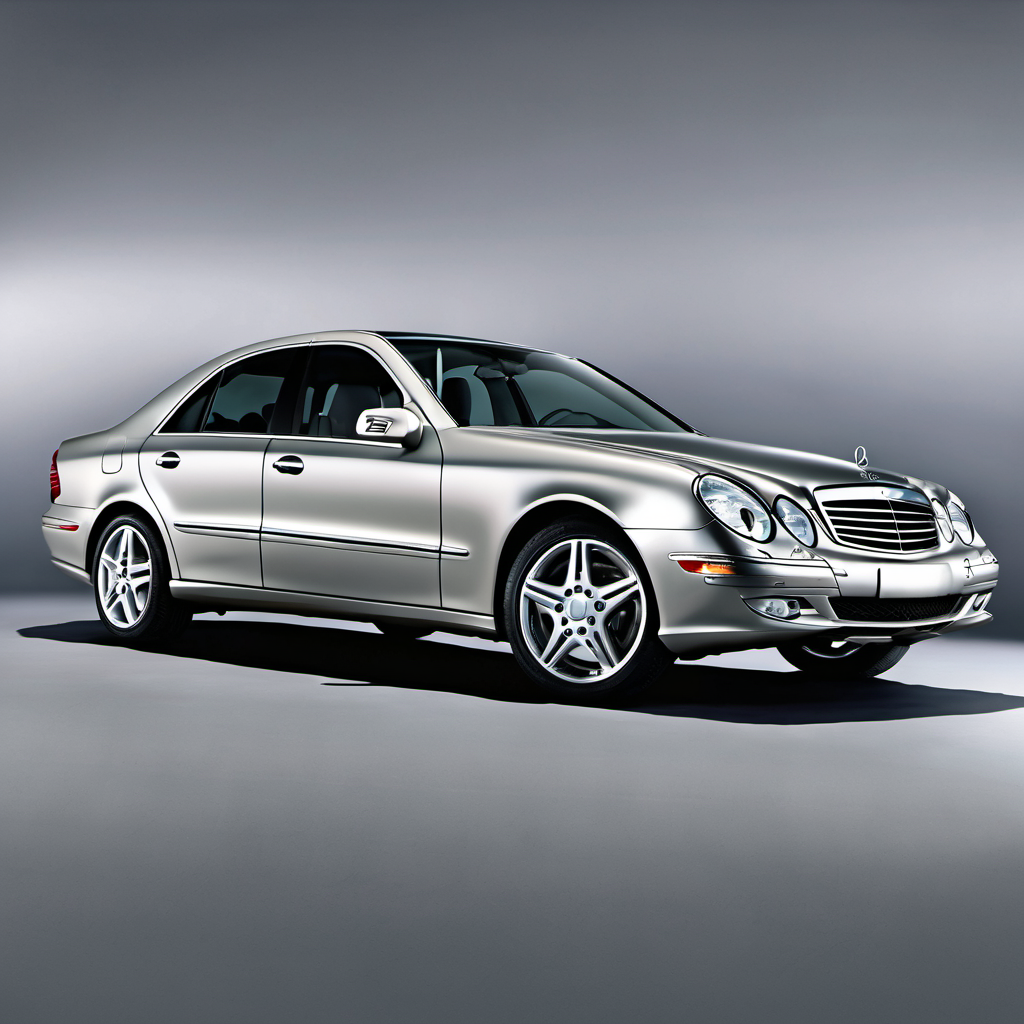
Same luxury sport sedan segment. W211 E-Class offers comparable refinement and comfort; known for airmatic suspension issues but strong diesel option not available on STS.
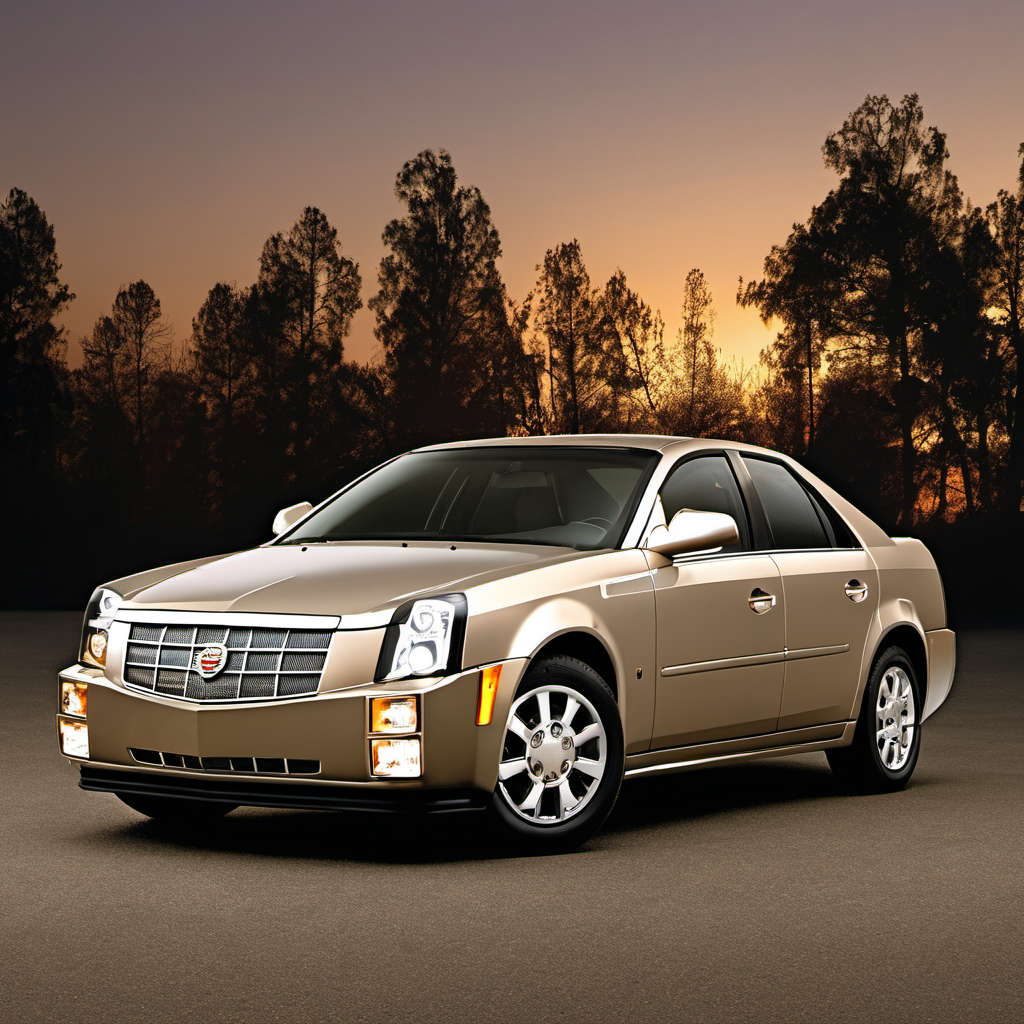
Shares the Sigma platform and 3.6L engine. Smaller, lighter, and typically cheaper to buy and maintain — a natural step-down comparison within the same family.
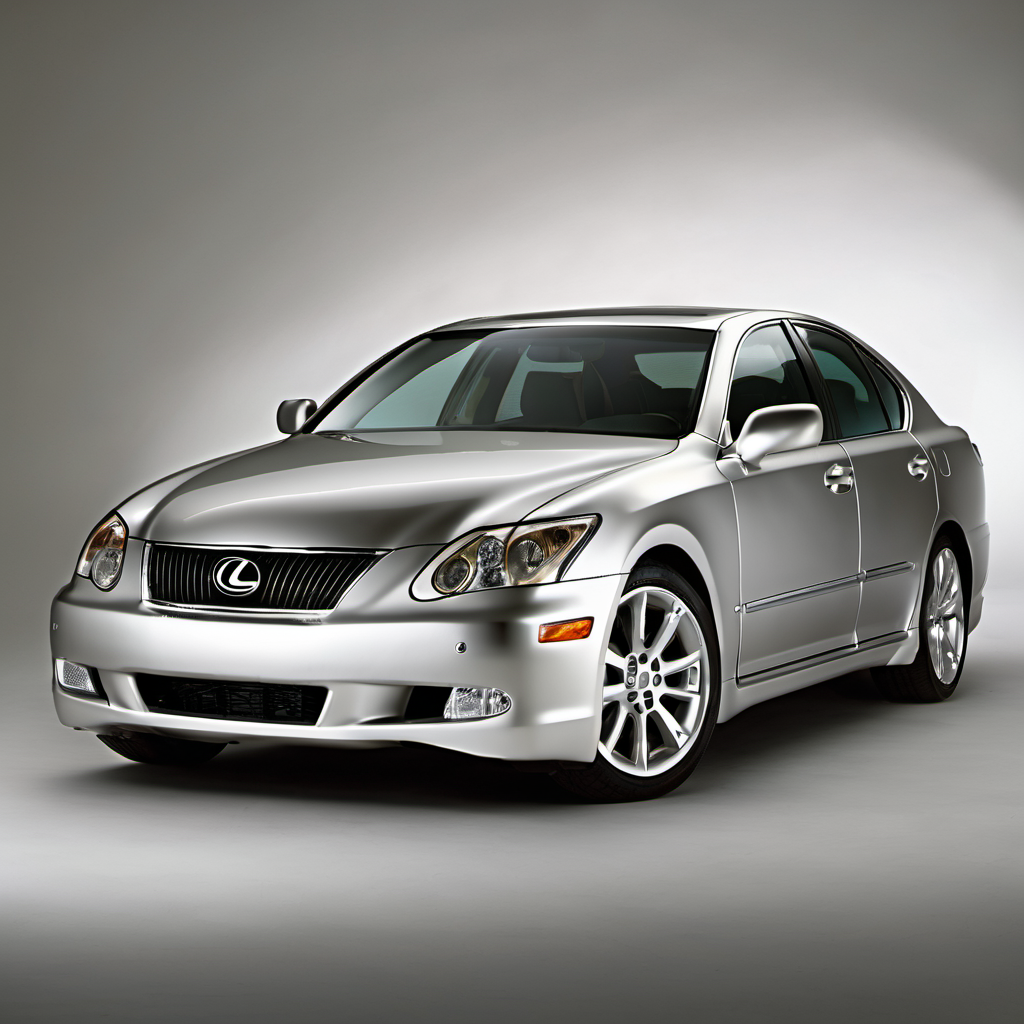
Direct competitor in the luxury sport sedan space. More reliable long-term but less driver-focused and more conservative in styling. Strong alternative if reliability is the top priority.