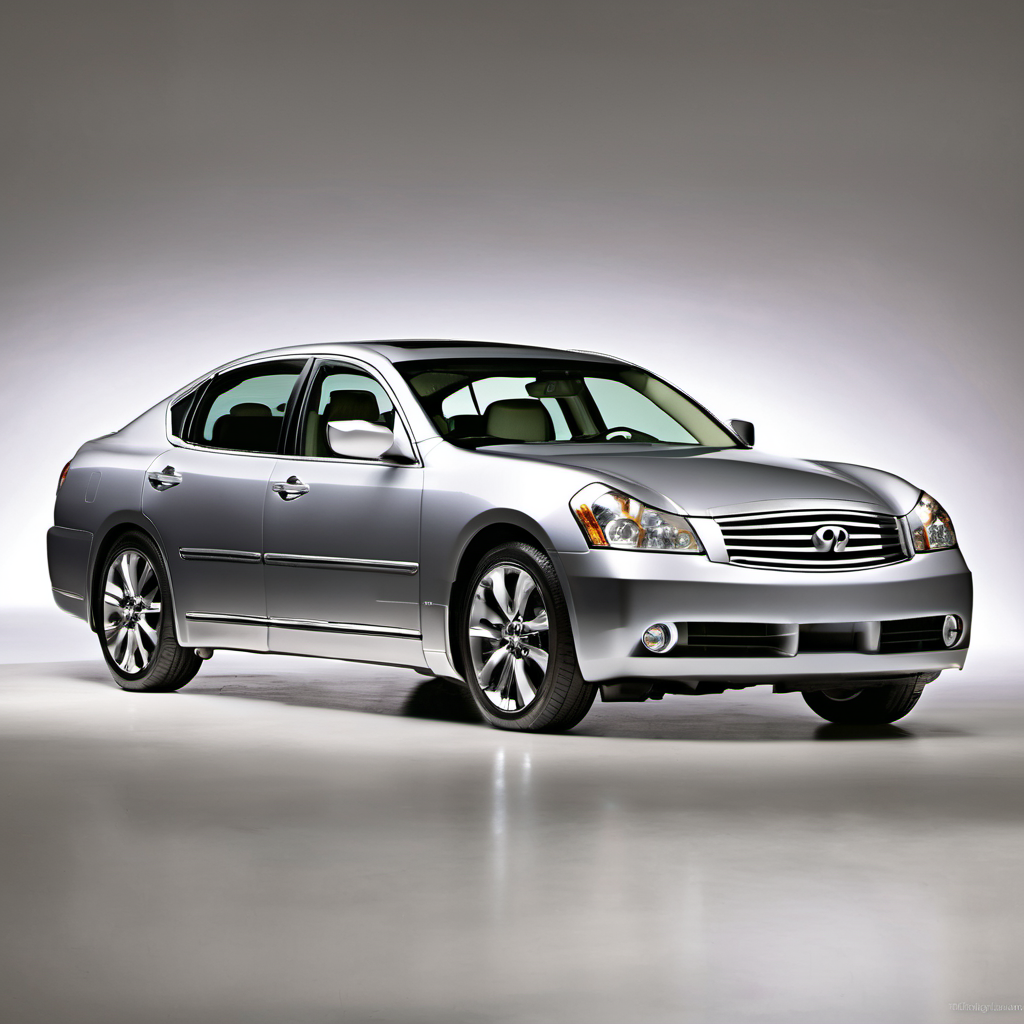
2006 INFINITI M Sedan

2006 INFINITI

MSedan

3.5L V6 (VQ35DE) · Sedan

The 2006 Infiniti M is the second-generation M-series (Y50 platform), offered in M35 (3.5L V6) and M45 (4.5L V8) trims. It was Infiniti's full-size sport sedan flagship, designed to take on the BMW 5 Series and Mercedes E-Class. It blends genuine performance with a well-appointed interior and rear-wheel-drive (or available AWD on the M35) dynamics that made it a driver's car at a luxury price. At this age, the M is a compelling used buy for enthusiasts willing to stay on top of maintenance. Running costs are moderate for the segment, but the VQ35DE and VK45DE engines both demand clean oil and attention to the VVEL/CVTCS variable valve timing system — neglect there is the most common way these cars get expensive. The 2006 model sits in the sweet spot of the Y50 generation: early enough to avoid some of the later infotainment complexity, but past the very first-year teething issues. Expect a refined, fast, and comfortable highway cruiser that still rewards spirited driving.

Reliability
3/5
Verified data
Engine
3.5L V6 (VQ35DE)
Drivetrain
RWD
Fuel
Gasoline
MPG
18 city / 25 hwy / 21 combined
Seats
5
Doors
4
Body
Sedan
MSRP
$41,000

Overview

AI-curated

The 2006 Infiniti M is the second-generation M-series (Y50 platform), offered in M35 (3.5L V6) and M45 (4.5L V8) trims. It was Infiniti's full-size sport sedan flagship, designed to take on the BMW 5 Series and Mercedes E-Class. It blends genuine performance with a well-appointed interior and rear-wheel-drive (or available AWD on the M35) dynamics that made it a driver's car at a luxury price. At this age, the M is a compelling used buy for enthusiasts willing to stay on top of maintenance. Running costs are moderate for the segment, but the VQ35DE and VK45DE engines both demand clean oil and attention to the VVEL/CVTCS variable valve timing system — neglect there is the most common way these cars get expensive. The 2006 model sits in the sweet spot of the Y50 generation: early enough to avoid some of the later infotainment complexity, but past the very first-year teething issues. Expect a refined, fast, and comfortable highway cruiser that still rewards spirited driving.

Known for
  • Strong VQ35DE and VK45DE engines with high output
  • RWD sport-sedan dynamics with available AWD
  • Upscale cabin with supportive sport seats
  • Nissan/Infiniti platform reliability when properly maintained
  • Depreciation-friendly pricing versus BMW and Mercedes competition
Best for
  • Enthusiast drivers wanting luxury and performance on a used-car budget
  • Highway commuters who want a quiet, fast, comfortable cruiser
  • Owners comfortable with independent-shop servicing
  • Those who prioritize driving feel over SUV practicality
Watch for
  • Neglected oil changes leading to VTC actuator and timing chain problems
  • High-mileage examples with unaddressed CVTCS/VVT codes
  • Rear differential wear on AWD models
  • Aging Bose audio and navigation hardware that is expensive to replace
  • Rust on underbody and wheel wells from road salt exposure in northern climates

Common issues by mileage

6 known

VTC Actuator Failure / Timing Chain Rattle on Cold Start

high
Typically appears
70–130k mi
Estimated repair
$400 – $1,200

CVTCS/VVT Solenoid Circuit Faults (Intake/Exhaust Valve Control)

medium
Typically appears
60–120k mi
Estimated repair
$200 – $700

Oxygen / Air-Fuel Sensor Heater Circuit Failure

medium
Typically appears
80–150k mi
Estimated repair
$150 – $450

Rear Suspension Bushing and Toe Link Wear

high
Typically appears
80–140k mi
Estimated repair
$300 – $900

Power Steering Hose Seepage / Rack Leaks

medium
Typically appears
90–160k mi
Estimated repair
$250 – $1,100

Maintenance schedule

  1. 1
    Every 5,000 miles or 6 months Engine oil and filter change — use full synthetic 5W-30

    The VQ35DE's VTC actuators and timing chain tensioners are oil-pressure dependent. Dirty or low oil is the primary cause of the most expensive repairs on this engine. Do not stretch intervals.

  2. 2
    Every 30,000 miles Automatic transmission fluid service

    The 7-speed automatic is robust but often goes unserviced on used examples. Fresh fluid prevents shift harshness and extends clutch pack life significantly.

  3. 3
    Every 30,000 miles Rear differential fluid change (RWD) or front/rear diff and transfer case (AWD)

    Gear oil breaks down and metallic wear particles accelerate wear. Critical on AWD models where neglect leads to expensive drivetrain repairs.

  4. 4
    Every 60,000 miles or at first sign of cold-start rattle Inspect timing chain, tensioners, and VTC actuators

    A brief metallic rattle at cold start that disappears within seconds is an early warning. Catching worn tensioners before the chain jumps avoids a $3,000+ repair.

  5. 5
    Every 2 years or 30,000 miles Coolant flush and thermostat inspection

    Wisconsin winters put hard thermal cycling loads on the cooling system. Old coolant loses corrosion inhibitors and can attack the aluminum heads.

  6. 6
    Every fall (before first freeze) Inspect and test battery; replace if over 4 years old

    The M35/M45 has significant electrical loads (Bose, navigation, seat heaters). A marginal battery that passes a summer test often fails at -10°F on a January morning.

  7. 7
    Every 60,000 miles or as needed Inspect rear suspension toe links and trailing arm bushings

    Worn rear toe links cause tire-eating misalignment and vague handling. Common at this mileage and often the source of unexplained rear tire wear.

  8. 8
    Every 30,000 miles Inspect power steering lines and rack for seepage

    High-pressure hoses harden with age. A slow leak left unaddressed can run the reservoir dry and damage the rack — a much larger job than a hose replacement.

Always defer to the manufacturer's service manual for warranty-mandated intervals.

Cost of ownership

Annual maintenance
$800 – $1,800
Fuel
Premium fuel (91 oct) recommended. At current upper Midwest pricing, expect $2,200–$3,000/year for 12,000–15,000 miles of mixed driving.
Insurance
Moderate-to-high for the segment. Expect $1,200–$1,900/year for full coverage on a 2006 model depending on driver profile and ZIP code.

Day-to-day costs are reasonable for an older luxury sport sedan when nothing goes wrong. The risk is deferred maintenance — a used M35 with no service records can quickly run up $2,000–$4,000 in catch-up work (fluids, timing chain inspection, suspension bushings, brakes). Budget a one-time inspection and fluid-refresh when purchasing any high-mileage example.
Seasonal care

Lake Geneva, WI
Winter
  • Switch to full synthetic 5W-30 if not already used — critical for fast oil pressure buildup at sub-zero temperatures that protect the VTC actuators on cold starts.
  • Test the battery every fall; a 525 CCA battery that's 4+ years old is a liability in Wisconsin winters. Replace proactively.
  • Flush and refill washer fluid reservoir with a -20°F or lower rated fluid before first freeze — the reservoir is large and diluted summer fluid will ice the nozzles.
  • Inspect and replace worn wiper blades before November; consider winter-style blades to prevent ice bridging on the large windshield.
  • Rinse the undercarriage every 2 weeks during active salting periods — the Y50 platform has known rust vulnerability at the rear subframe mounts and wheel well lips.
  • If the car sits outdoors, use a battery maintainer during extended cold snaps to prevent deep discharge drain from the vehicle's electronics.
Summer
  • Check tire pressure monthly — tires gain 1 PSI for every 10°F increase in ambient temperature, and the M's sport tires are sensitive to over-inflation for handling and wear.
  • Inspect the A/C system performance at the start of the season; the cabin is large and a weak refrigerant charge will struggle on 90°F July days.
  • Watch coolant temperature on long highway pulls — a sluggish thermostat or low coolant level becomes apparent in summer heat and should not be ignored.
  • Clean or replace the cabin air filter in spring; a clogged filter reduces A/C airflow significantly in a car with this much cabin volume.

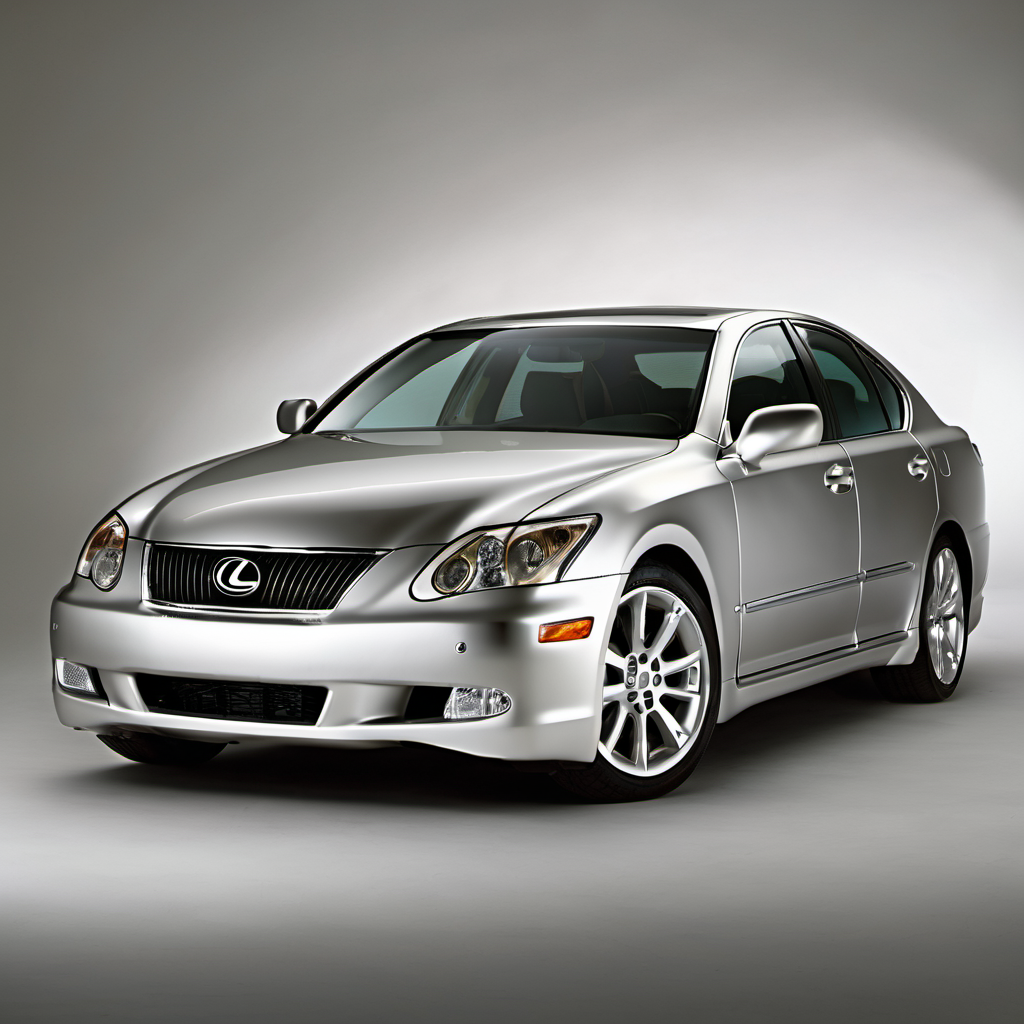
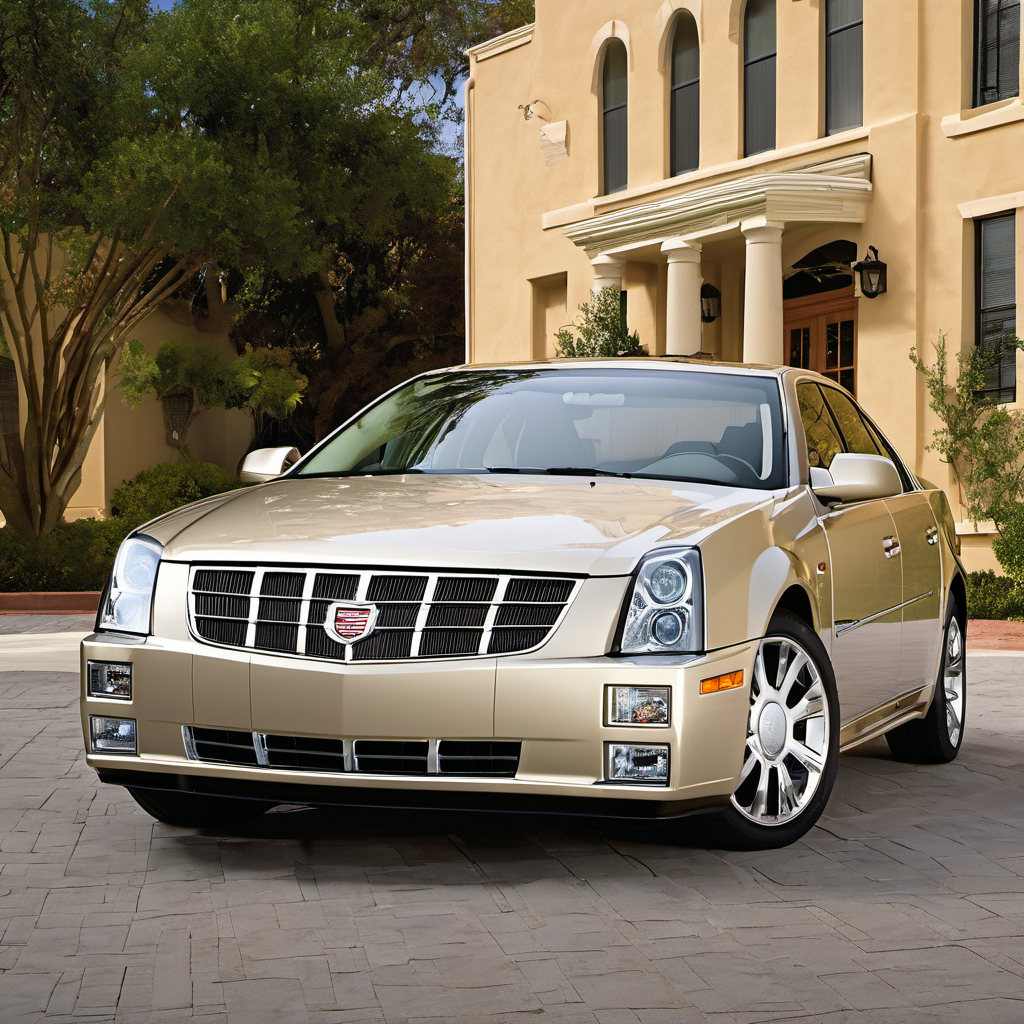
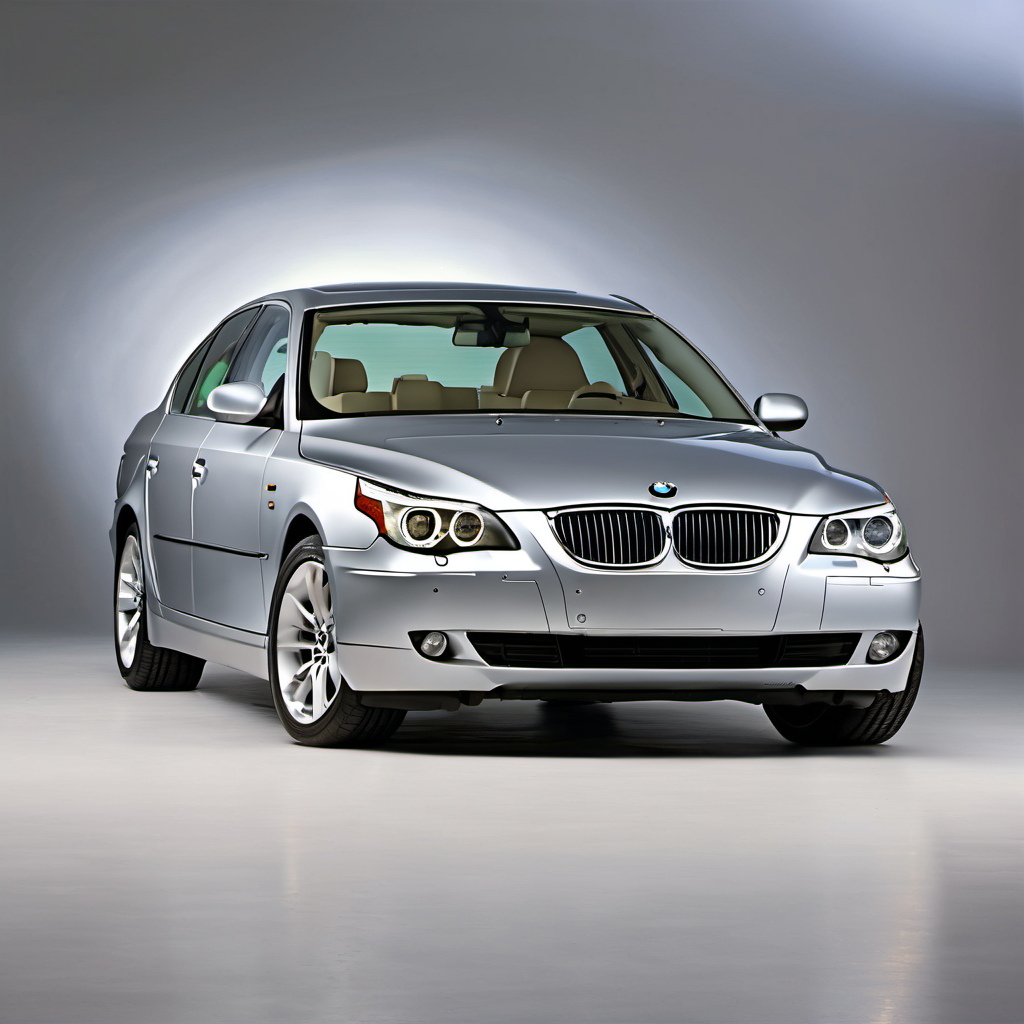
Comparable vehicles

If you're shopping for one

Red flags
  • Any cold-start timing chain rattle that clears after warm-up — often means the VTC actuator or tensioners are already worn.
  • Active VVT/camshaft timing DTCs (P0012, P0015, P0022, P0025) without a documented repair.
  • No oil change records or oil that looks black and gritty — treat the car as if the timing chain needs inspection before purchase.
  • Rust at the rear subframe mount points or along the lower door sills — cosmetic rust elsewhere is manageable, but structural rust is a dealbreaker in a Wisconsin winter car.
  • Transmission that slips, hesitates, or clunks on shifts — suggests fluid has never been serviced and clutch packs may be worn.
  • U-code CAN bus faults (U0100–U0104) without a clear repair history — can indicate water intrusion, failing modules, or wiring damage that is difficult to trace.
What to inspect
  • Cold-start the engine and listen for any timing chain rattle in the first 5–10 seconds — this is the single most important pre-purchase check.
  • Pull codes with a scan tool before purchase; P0012/P0015/P0022/P0025 and related VVT codes signal deferred maintenance or wear.
  • Check for oil sludge on the underside of the oil cap and in the valve cover — a sign of neglected oil changes that puts the timing system at risk.
  • Inspect rear toe links and all four tires for inner or outer edge wear indicating alignment issues from worn suspension components.
  • Test all electronics: navigation, Bose audio, seat heaters, sunroof, power seat memory — individual module repairs are labor-intensive.
  • On AWD models, drive at low speed in a tight circle and listen/feel for drivetrain binding, which can indicate transfer case or rear diff wear.
AI profile generated 2 hr ago · claude-sonnet-4-6 · v2.