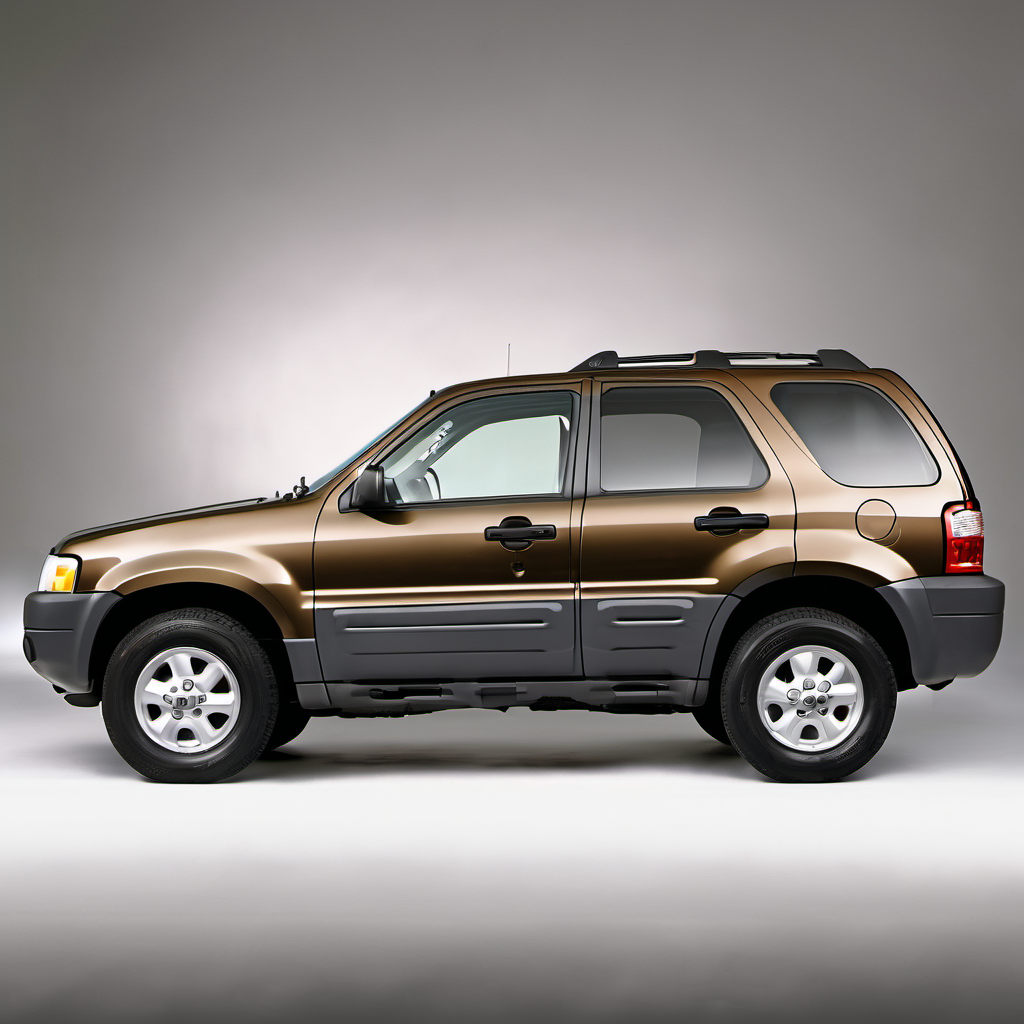
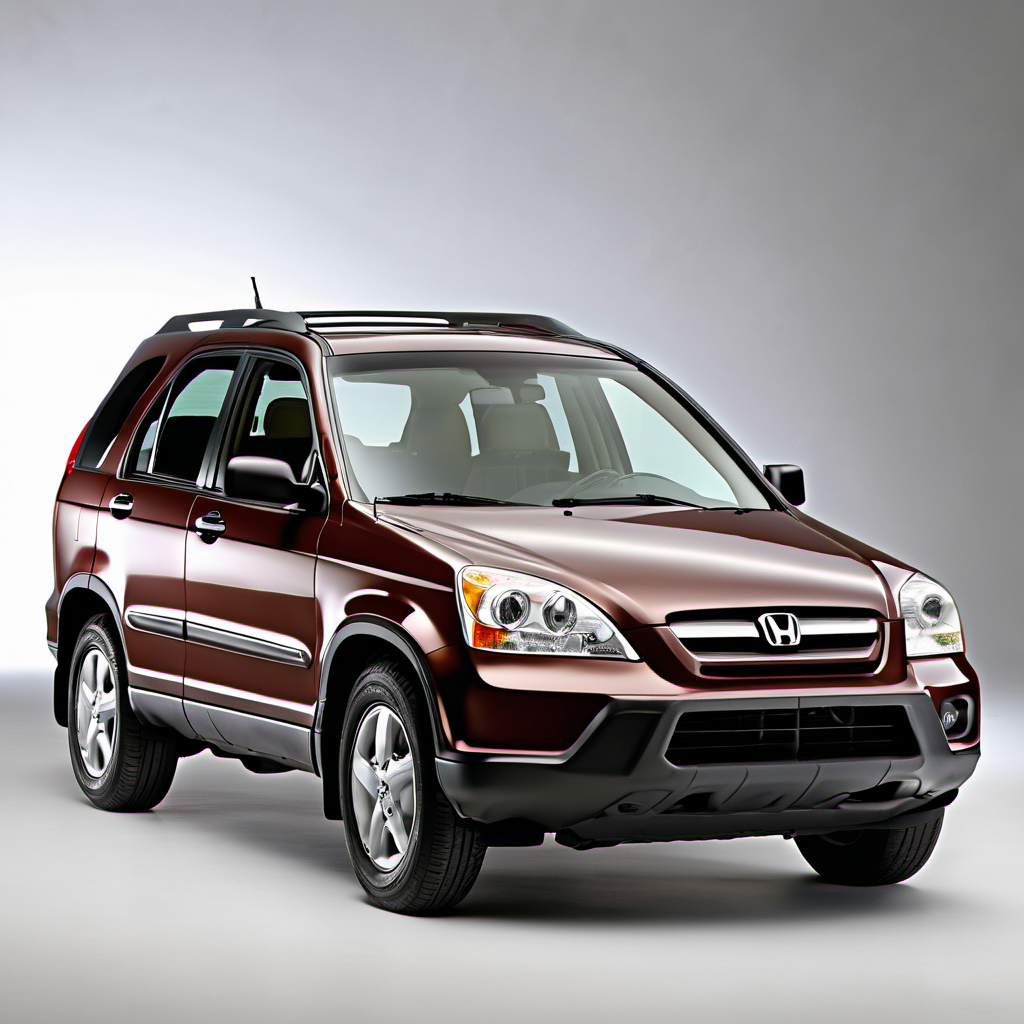
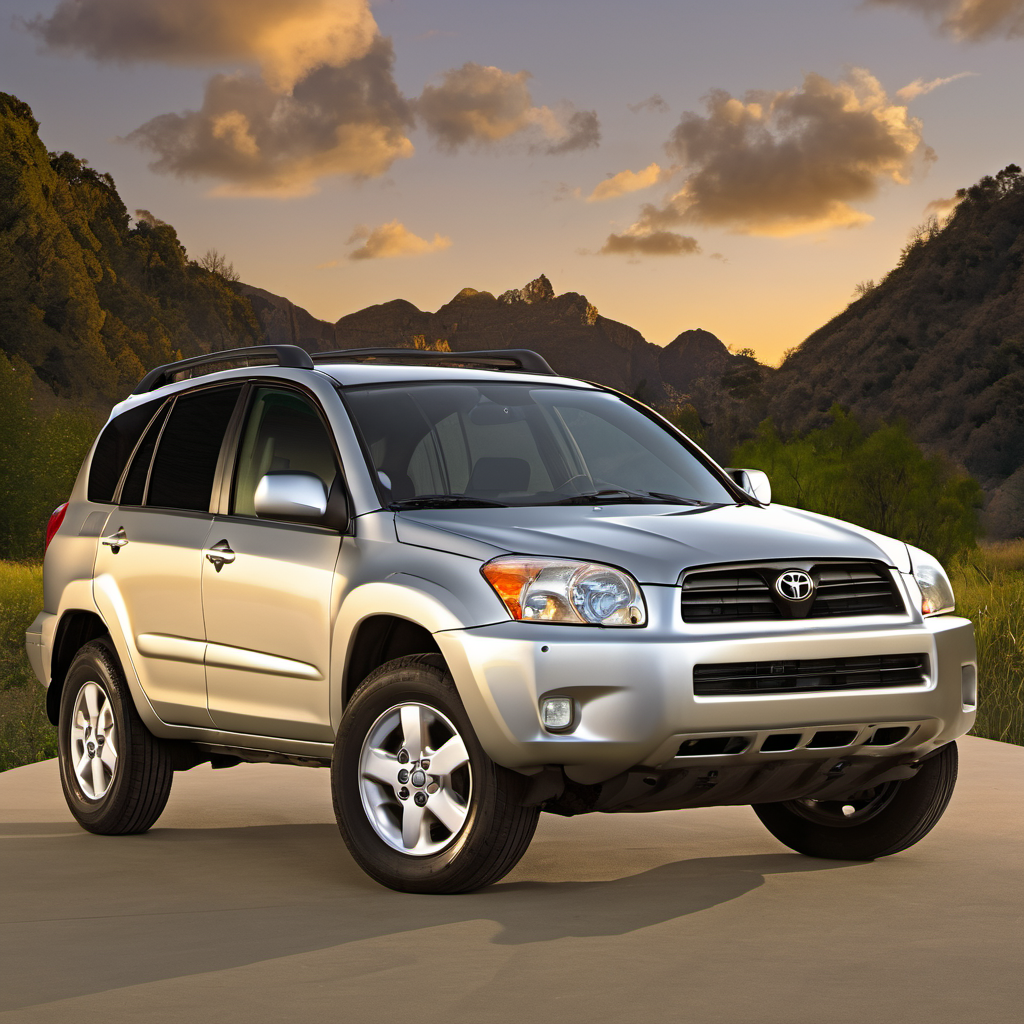
2006 Kia Sportage SUV

2006 Kia

SportageSUV

SUV

The 2006 Kia Sportage is the first model year of the second-generation (2005–2010) redesign, a compact crossover SUV built on the Hyundai Tucson platform. It represented a major leap over the first-generation boxy Sportage — smoother styling, a more car-like ride, and meaningfully better interior quality. For the money, it offered a solid package for budget-conscious buyers who needed a small SUV without a premium price tag. The 2.0L four-cylinder FWD version is the most common configuration and the most fuel-efficient of the lineup. It's a sensible city-and-suburb vehicle. The powertrain is generally durable when maintained, though it shares some of the characteristic weaknesses of mid-2000s Korean engines — sensitivity to oil change intervals and a timing chain that doesn't forgive neglect. At this age (nearly 20 years old), any surviving 2006 Sportage should be evaluated carefully for rust, deferred maintenance, and wear items specific to high-mileage compact crossovers. Parts availability is reasonable but not outstanding, and some components are getting harder to source.

Reliability
3/5
Verified data
Specs shown for Sportage 2WD — the most common configuration. Other trims may vary in engine, drivetrain, or fuel economy. Sign in to see your vehicle's exact specs.
Engine
[object Object]
Drivetrain
FWD
Fuel
Gasoline
MPG
19 city / 25 hwy / 22 combined
Seats
Doors
Body
Sport Utility Vehicle - 2WD

Overview

AI-curated

The 2006 Kia Sportage is the first model year of the second-generation (2005–2010) redesign, a compact crossover SUV built on the Hyundai Tucson platform. It represented a major leap over the first-generation boxy Sportage — smoother styling, a more car-like ride, and meaningfully better interior quality. For the money, it offered a solid package for budget-conscious buyers who needed a small SUV without a premium price tag. The 2.0L four-cylinder FWD version is the most common configuration and the most fuel-efficient of the lineup. It's a sensible city-and-suburb vehicle. The powertrain is generally durable when maintained, though it shares some of the characteristic weaknesses of mid-2000s Korean engines — sensitivity to oil change intervals and a timing chain that doesn't forgive neglect. At this age (nearly 20 years old), any surviving 2006 Sportage should be evaluated carefully for rust, deferred maintenance, and wear items specific to high-mileage compact crossovers. Parts availability is reasonable but not outstanding, and some components are getting harder to source.

Known for
  • Affordable entry price — one of the least expensive compact SUVs when new
  • Car-like ride and handling for a crossover of its era
  • Shared Hyundai Tucson platform — some parts interchangeability
  • Decent cargo space for its footprint
  • Simple, relatively low-tech drivetrain on FWD models
Best for
  • Budget-conscious buyers looking for an older daily-driver SUV
  • Light suburban and city use
  • Drivers who don't need AWD or towing capacity
  • Someone comfortable with DIY or independent-shop maintenance
Watch for
  • Rust on rocker panels, wheel wells, and undercarriage — especially in Wisconsin salt country
  • Timing chain issues from skipped oil changes
  • High-mileage examples with unknown service history
  • Aging A/C systems and worn seals on 18+ year old vehicles
  • Limited crash-safety ratings by modern standards

Common issues by mileage

6 known

Timing chain stretch / tensioner wear

high
Typically appears
80–130k mi
Estimated repair
$800 – $1,600

Oxygen sensor failure (Bank 1 Sensor 1)

medium
Typically appears
70–120k mi
Estimated repair
$150 – $350

Downstream oxygen sensor / exhaust sensor wear

medium
Typically appears
90–140k mi
Estimated repair
$130 – $300

Undercarriage and rocker panel rust

high
Typically appears
Any mileage, age-driven
Estimated repair
$400 – $2,500

Evaporative emission / fuel system leaks

medium
Typically appears
100k+ mi
Estimated repair
$100 – $500

Maintenance schedule

  1. 1
    Every 5,000 miles or 6 months — do not stretch Engine oil and filter change

    The 2.0L timing chain system is oil-pressure dependent. Dirty or low oil accelerates tensioner and chain wear rapidly. This is the single most important maintenance item on this engine.

  2. 2
    Every 30,000 miles or 2 years Coolant flush and refill

    Old coolant loses its corrosion inhibitors and accelerates internal corrosion of the aluminum engine components. Critical in a climate with hard freeze cycles.

  3. 3
    Every 30,000 miles Spark plug replacement

    Standard iridium or platinum plugs on this engine are due at 30k intervals. Worn plugs increase misfires and stress the ignition coils.

  4. 4
    Every 30,000–45,000 miles Transmission fluid change (automatic)

    Kia's 4-speed automatic is durable but the fluid darkens and degrades. Independent shops see transmission failures most often on units that never had fluid serviced.

  5. 5
    Every 2 years Brake fluid flush

    Brake fluid is hygroscopic — it absorbs moisture over time, lowering the boiling point and promoting internal corrosion in the ABS module. Wisconsin winters worsen this.

  6. 6
    Every 60,000 miles or at signs of cracking/glazing Serpentine belt and tensioner inspection

    Rubber belts age with temperature cycling. A snapped serpentine belt leaves you stranded and can cause overheating or power steering loss.

  7. 7
    Every spring (post-winter) and after heavy salt events Undercarriage wash and rust inspection

    Salt accumulation accelerates frame and brake line corrosion. Flushing the undercarriage and inspecting annually helps catch rust before it becomes structural.

  8. 8
    Every 15,000–20,000 miles Air filter replacement

    A clogged air filter reduces fuel economy and increases engine wear. Inspect annually — dusty summer driving shortens the interval.

Always defer to the manufacturer's service manual for warranty-mandated intervals.

Cost of ownership

Annual maintenance
$600 – $1,400
Fuel
At 22 MPG combined and average Wisconsin driving of ~12,000 miles/year, expect roughly $1,600–$2,000/year in fuel at $3.00–$3.75/gallon.
Insurance
Typically low — compact older SUV with low market value. Expect $700–$1,200/year depending on coverage level and driver profile.

The 2006 Sportage is cheap to insure and moderately cheap to fuel, but at this age maintenance costs are less predictable. A well-kept example with recent service records costs $600–$900/year in routine upkeep. An example with deferred maintenance can easily hit $2,000–$3,500 in a single year catching up on neglected items and age-related repairs. Budget for the unexpected.
Seasonal care

Lake Geneva, WI
Winter
  • Test the battery before first hard freeze — batteries over 4 years old that haven't been load-tested are a common leave-you-stranded failure at Wisconsin temperatures below 0°F.
  • Switch to a full-synthetic 5W-30 or 5W-20 oil for winter months to ensure adequate cold-start lubrication for the timing chain tensioner.
  • Fill the washer fluid reservoir with a rated -20°F or colder winter blend — Lake Geneva sees regular sub-zero wind chills.
  • Inspect brake lines and ABS sensor wiring for corrosion before winter; salt exposure turns minor rust into brake failure risk.
  • Check antifreeze concentration — should protect to at least -34°F for Wisconsin winters. A 50/50 mix of quality coolant is the minimum.
  • Install winter wiper blades and verify the rear defroster works — the Sportage rear window is a blind spot when fogged or iced.
Summer
  • Check tire pressure monthly — every 10°F rise in ambient temperature raises pressure by roughly 1 PSI, which matters for a small crossover carrying cargo.
  • Inspect A/C system performance early in the season — the refrigerant seals on these aging systems leak slowly; recharging a weak system before a heat wave is cheaper than an emergency diagnosis.
  • Check the engine cooling system for leaks and verify the radiator cap holds pressure — heat soak in stop-and-go traffic is harder on a high-mileage cooling system.
  • Inspect belts and hoses for heat-induced cracking at the start of summer; extreme heat accelerates deterioration of aging rubber.

Comparable vehicles

If you're shopping for one

Red flags
  • Any structural rust on frame or subframe mounting points — walk away
  • Timing chain rattle on cold start — engine may need significant work immediately
  • Check engine light on, cleared codes, or seller reluctant to allow a pre-purchase inspection
  • Transmission that slips, shudders, or hunts between gears — rebuilds are not cost-effective on a vehicle this age and value
  • Evidence of overheating (white residue in coolant reservoir, milky oil on dipstick) — potential head gasket damage
  • Odometer reading that doesn't match wear on pedals, steering wheel, and seats
What to inspect
  • Full undercarriage inspection for rust — rockers, subframe, brake lines, and fuel lines are priority areas on any Wisconsin-climate vehicle this age
  • Cold-start the engine and listen for timing chain rattle in the first 5–10 seconds before oil pressure builds
  • Verify the check engine light is not illuminated or has been cleared before the sale — pull codes regardless
  • Test all ABS and traction control functions; ABS light on at purchase means sensor or module work is coming
  • Inspect the automatic transmission for slipping, delayed engagement, or fluid that is dark/burnt-smelling
  • Check for oil leaks around the valve cover and oil pan — common on high-mileage examples
  • Verify the A/C blows cold and the heat comes up to temp quickly — heater core issues are expensive on this platform
AI profile generated 1 hr ago · claude-sonnet-4-6 · v2.