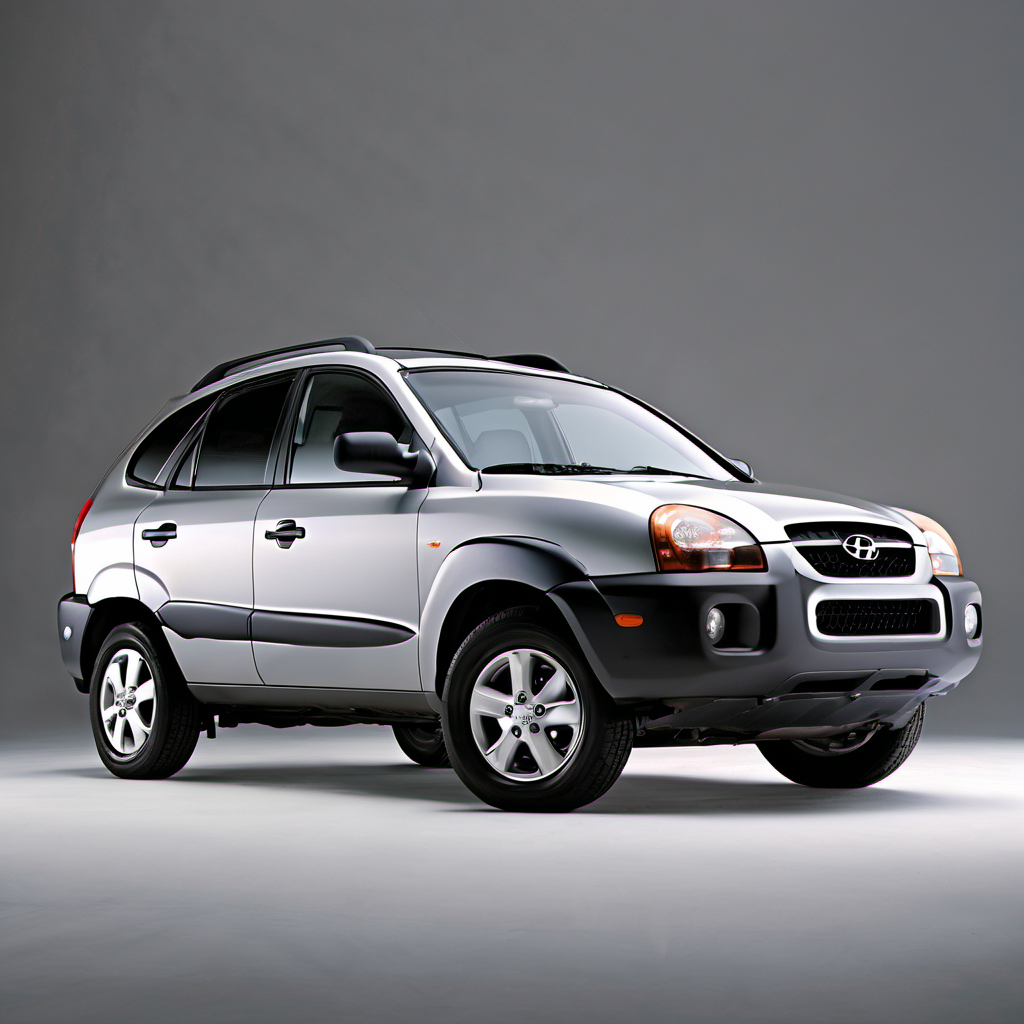
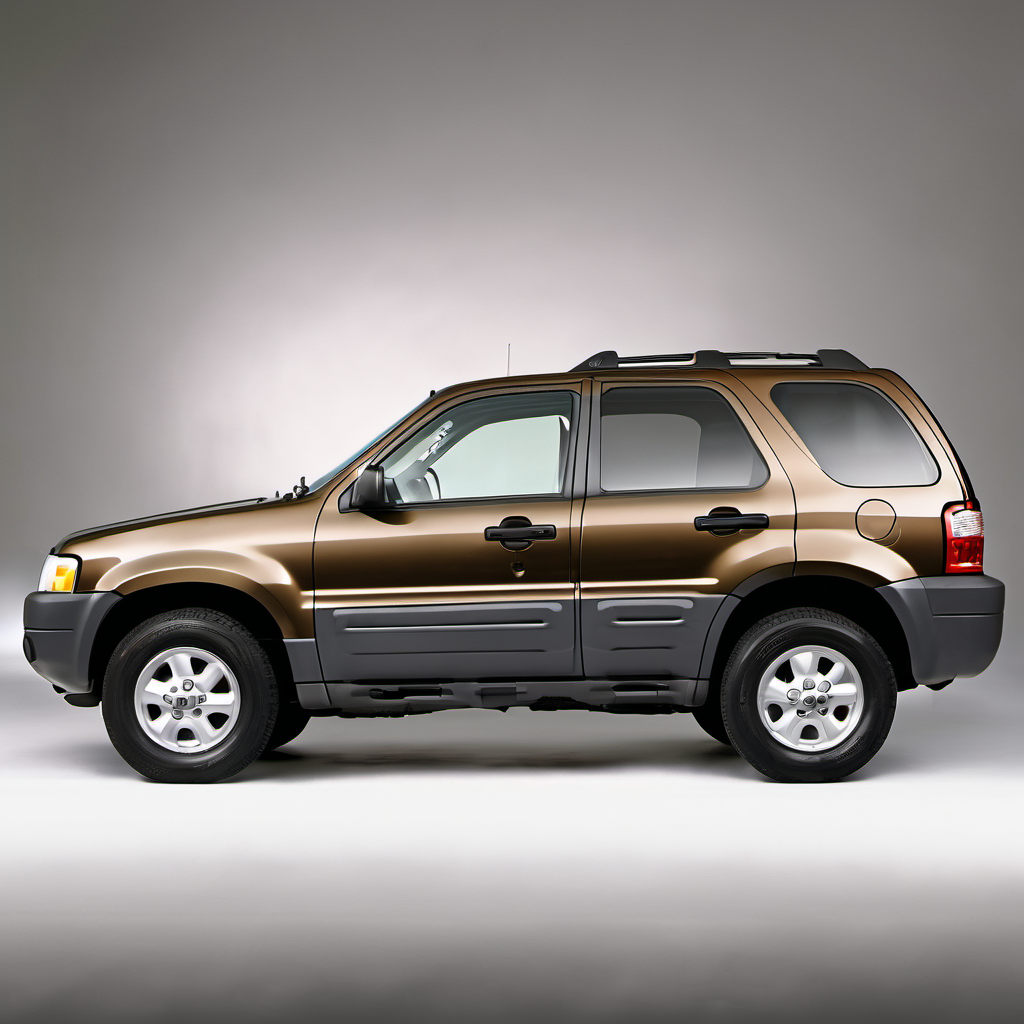
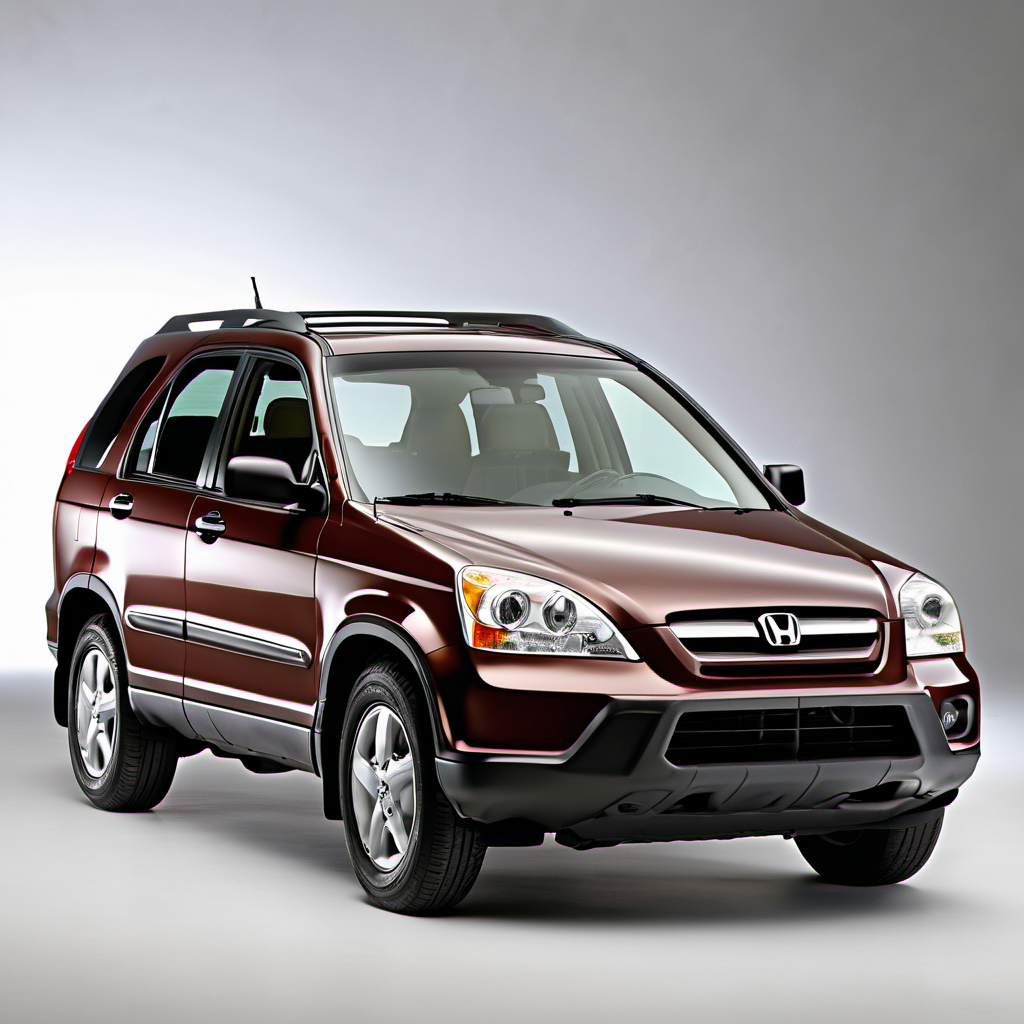
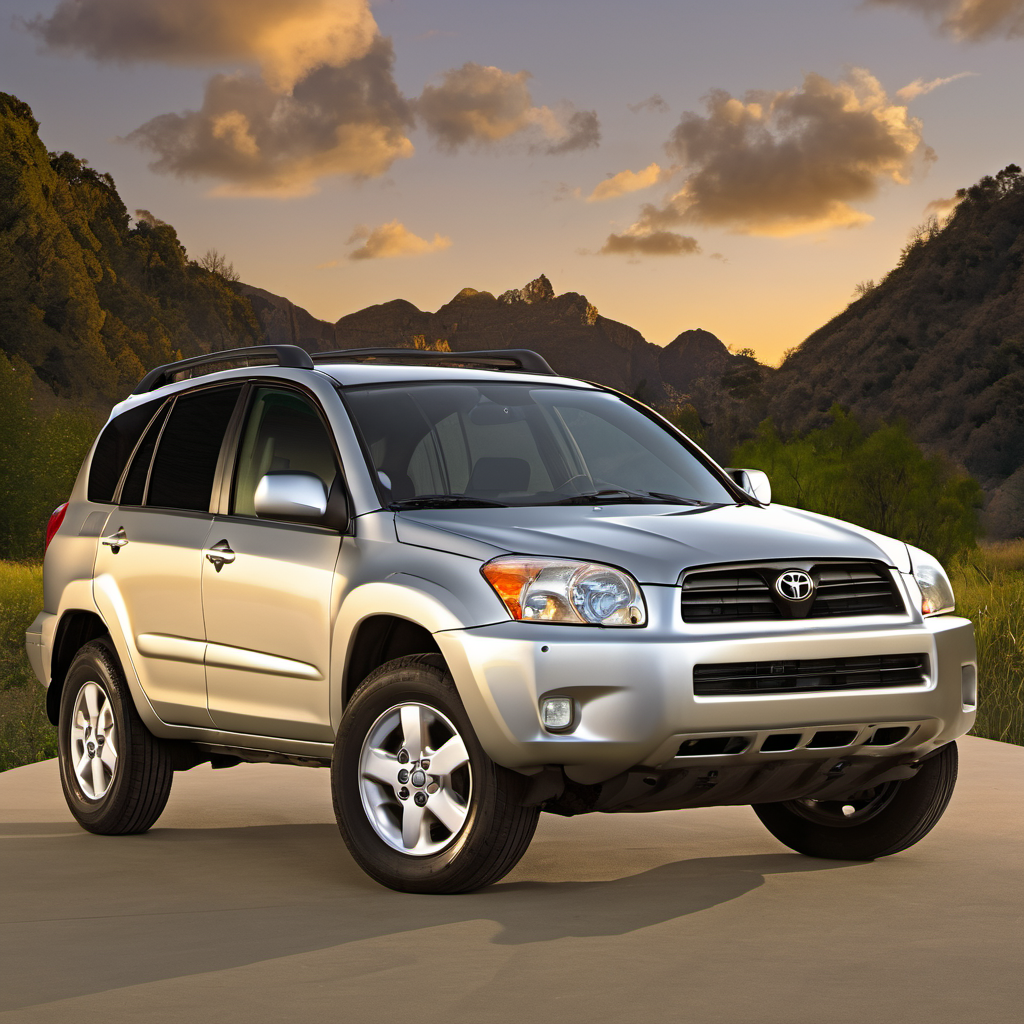
2006 Hyundai Tucson SUV

2006 Hyundai

TucsonSUV

SUV

The 2006 Hyundai Tucson is a compact SUV from Hyundai's first generation of the nameplate (2005–2009), built on a platform shared with the Kia Sportage. It was positioned as an affordable entry into the small SUV segment, offering a practical five-passenger cabin, available all-wheel drive, and respectable fuel economy for its class. The base 2.0L four-cylinder is modest but reliable for everyday driving, while an available 2.7L V6 adds more punch at the cost of fuel economy. At nearly 20 years old, most surviving Tucsons have accumulated significant miles and require close attention to rust — a real concern in the salt-heavy Wisconsin environment. Suspension and brake components are the first places to look. Maintenance histories on these vehicles are often incomplete, so budget for a full inspection before purchase or at ownership transfer. Overall, the first-gen Tucson is a dependable, low-drama daily driver when maintained. Parts are affordable and widely available. It won't win any performance awards, but it earns its keep as economical transportation for light-duty family use.

Reliability
3/5
Verified data
Specs shown for Tucson 2WD — the most common configuration. Other trims may vary in engine, drivetrain, or fuel economy. Sign in to see your vehicle's exact specs.
Engine
[object Object]
Drivetrain
FWD
Fuel
Gasoline
MPG
19 city / 25 hwy / 22 combined
Seats
Doors
Body
Sport Utility Vehicle - 2WD

Overview

AI-curated

The 2006 Hyundai Tucson is a compact SUV from Hyundai's first generation of the nameplate (2005–2009), built on a platform shared with the Kia Sportage. It was positioned as an affordable entry into the small SUV segment, offering a practical five-passenger cabin, available all-wheel drive, and respectable fuel economy for its class. The base 2.0L four-cylinder is modest but reliable for everyday driving, while an available 2.7L V6 adds more punch at the cost of fuel economy. At nearly 20 years old, most surviving Tucsons have accumulated significant miles and require close attention to rust — a real concern in the salt-heavy Wisconsin environment. Suspension and brake components are the first places to look. Maintenance histories on these vehicles are often incomplete, so budget for a full inspection before purchase or at ownership transfer. Overall, the first-gen Tucson is a dependable, low-drama daily driver when maintained. Parts are affordable and widely available. It won't win any performance awards, but it earns its keep as economical transportation for light-duty family use.

Known for
  • Affordable purchase and ownership costs
  • Practical, easy-to-use interior layout
  • Solid basic reliability when properly maintained
  • Good parts availability and low independent-shop labor costs
Best for
  • Budget-conscious commuters and families
  • Light snow and mixed-condition driving (especially AWD trims)
  • Buyers who prioritize low cost of ownership over features
  • Around-town errands and highway commutes
Watch for
  • Rust on underbody, frame rails, and brake lines in Midwest climates
  • Automatic transmission slipping or delayed engagement at higher mileage
  • Timing belt service — often neglected on older examples
  • Worn or leaking valve cover gaskets on the 2.0L
  • Power steering hose leaks developing with age

Common issues by mileage

6 known

Timing Belt Failure

high
Typically appears
60–100k mi
Estimated repair
$450 – $750

Valve Cover Gasket Leak

high
Typically appears
80–150k mi
Estimated repair
$150 – $300

Automatic Transmission Slipping / Delayed Shift

medium
Typically appears
100–160k mi
Estimated repair
$1,800 – $3,500

Power Steering Hose Leak

medium
Typically appears
80–130k mi
Estimated repair
$200 – $450

Oxygen Sensor Failure (Bank 1 Sensor 1)

medium
Typically appears
80–130k mi
Estimated repair
$150 – $350

Underbody / Brake Line Rust

high
Typically appears
80k+ mi (age-driven in Midwest)
Estimated repair
$300 – $1,200

Maintenance schedule

  1. 1
    Every 60,000 miles or 5 years — do NOT skip Timing Belt & Water Pump Replacement

    The 2.0L is an interference engine. A broken timing belt destroys the engine. Water pump is driven by the same belt — replace it at the same time to avoid paying double labor later.

  2. 2
    Every 5,000 miles with conventional oil; 7,500 with full synthetic Engine Oil & Filter Change

    Clean oil is the cheapest insurance on any high-mileage engine. Sludge buildup is accelerated by extended drain intervals on older Hyundai four-cylinders.

  3. 3
    Every 30,000 miles on used examples with unknown history Automatic Transmission Fluid Change

    Degraded ATF is the leading cause of early transmission wear on this platform. If the history is unknown, change it immediately regardless of current mileage.

  4. 4
    Every 30,000 miles (standard plugs) or 60,000 miles (iridium) Spark Plug Replacement

    Worn plugs cause misfires, rough idle, and reduced fuel economy. Easy, affordable job on the 2.0L I4.

  5. 5
    Every spring after Wisconsin winter Brake Line & Underbody Inspection

    Road salt accelerates brake line corrosion. A rusted-through brake line is a safety emergency. Catch it early when it's a cheap flush; ignore it and you're looking at full line replacement.

  6. 6
    Every 30,000 miles or 2 years Coolant System Flush

    Degraded coolant loses its corrosion inhibitors. On a vehicle this age, old coolant actively corrodes aluminum components including the water pump and radiator.

  7. 7
    Inspect every 30,000 miles; replace by 90,000 miles or at first sign of cracking Serpentine Belt Inspection & Replacement

    Belt failure strands the vehicle and kills the power steering and charging system instantly.

  8. 8
    Engine air filter every 15,000–20,000 miles; cabin filter every 15,000 miles Cabin & Engine Air Filter

    Wisconsin road grit and tree debris clog filters faster than average. A dirty engine air filter hurts MPG and throttle response.

Always defer to the manufacturer's service manual for warranty-mandated intervals.

Cost of ownership

Annual maintenance
$600 – $1,400
Fuel
At 22 MPG combined and ~12,000 miles/year, expect roughly $1,600–$1,900/year at current Wisconsin gas prices. Mostly city driving will push toward the higher end.
Insurance
Typically low — expect $800–$1,200/year for full coverage on a vehicle this age depending on driver profile. Actual cash value is modest, so dropping to liability-only is worth evaluating.

This is one of the cheaper compact SUVs to own and operate. Routine maintenance parts are inexpensive and widely available. The big budget risks are a neglected timing belt (engine replacement if it snaps) and a failing automatic transmission. Keep up with fluids and belts and annual costs stay manageable. Budget an extra $500–$1,000 for rust-related brake and underbody work if the vehicle has spent its life in the Midwest.

Seasonal care

Lake Geneva, WI
Winter
  • Test and replace the battery before first hard freeze — cold-cranking amps drop sharply below 20°F and a weak battery will leave you stranded. A 17-year-old vehicle likely has its original or one replacement battery; test it every fall.
  • Switch to full synthetic 5W-30 or 0W-30 oil if not already running it — conventional oil thickens in sub-zero temps and starves the engine on cold starts.
  • Fill the washer fluid reservoir with a -20°F or better rated fluid before November. The stock reservoir cap seal can crack with age — inspect it.
  • Inspect and replace wiper blades with winter-rated blades. The Tucson's wiper arms are exposed and standard blades pack with ice.
  • Check brake lines and hoses for any existing rust pitting before winter — salt will accelerate any active corrosion through the season.
  • Keep the fuel tank at least half full in extended cold snaps to prevent fuel line moisture condensation and reduce stress on the fuel pump.
Summer
  • Check tire pressure after the first heat wave — pressures rise 1 PSI for every 10°F increase in ambient temperature and an already-overinflated tire increases blowout risk.
  • Inspect the A/C system operation early in the season. The Tucson's A/C condenser is at the front of the vehicle and prone to debris damage; check for leaks and recharge if cooling is weak.
  • Check coolant level and condition before summer — verify the 50/50 mix provides adequate boil-over protection above 220°F. The cooling system works hard in stop-and-go traffic.
  • Inspect the serpentine belt for cracking or glazing — heat accelerates rubber degradation and a failure in July is as bad as one in January.

Comparable vehicles

If you're shopping for one

Red flags
  • No record of timing belt replacement on a vehicle over 60,000 miles — walk away or demand a significant price reduction to cover the service.
  • Rust holes or heavy scaling on brake lines, frame rails, or the subframe — repair costs can exceed the vehicle's value.
  • Transmission that slips, shudders, or hunts for gears — a sign of worn clutch packs or low/degraded fluid that may not be fixable with a fluid change alone.
  • Milky or frothy oil on the dipstick or under the oil cap — coolant intrusion, possibly a blown head gasket.
  • Any active check engine light the seller cannot explain with a recent repair receipt.
What to inspect
  • Pull the timing belt cover or ask for documented proof of timing belt replacement — if it's overdue or unknown, negotiate the replacement cost into the price.
  • Check underneath for brake line rust, frame rust, and any patched or bubbling floor pan metal. In Wisconsin, this is non-negotiable on any vehicle over 10 years old.
  • Drive the automatic through all gears under load — any hesitation, slip, or clunk between shifts is a red flag. Transmission rebuilds run $1,800–$3,500.
  • Look for oil residue around the valve cover gasket and on top of the engine — slow leaks are common and will worsen.
  • Check the power steering reservoir level and look for hose seepage near the rack fittings.
  • Test the A/C to full cold and the heat to full hot. Heater core issues are age-common and expensive to access.
  • Scan for stored and pending DTCs before purchase — an O2 sensor code or camshaft timing code can indicate deferred maintenance or bigger engine issues.
AI profile generated 11 days ago · claude-sonnet-4-6 · v2.