Automatic transmission (4F27E) slipping or failure
high- Typically appears
- 80–130k mi
- Estimated repair
- $1,400 – $3,200
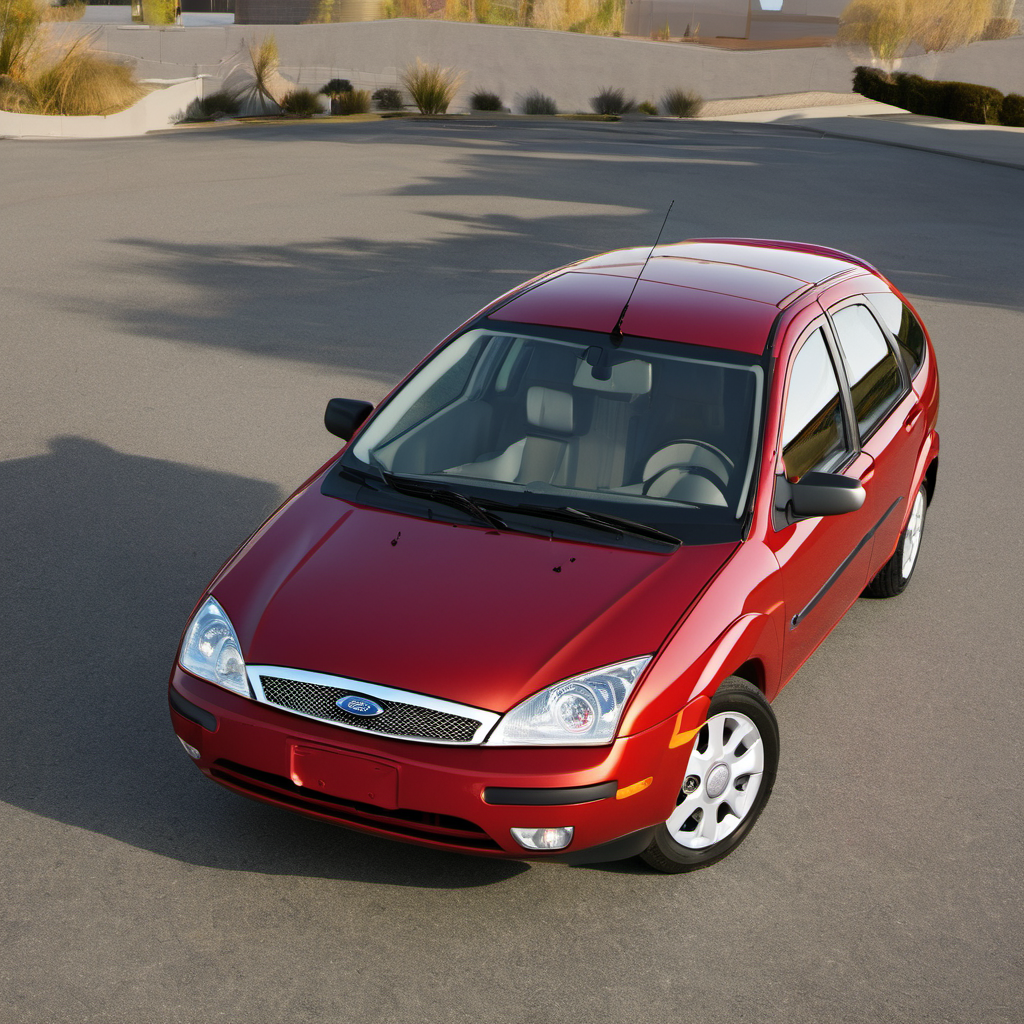
2006 Ford
Hatchback
The 2006 Ford Focus hatchback is the second-generation (2005–2007) refresh of Ford's entry-level compact, sold as the three-door or five-door ZX3/ZX5. It carries a 2.0L Duratec inline-four, front-wheel drive, and a relatively simple platform that keeps repair costs low. At this point in its life the Focus had shed most of the first-gen gremlins (window regulators, ignition switches) and landed as a reasonably dependable daily driver. It's a no-frills commuter that rewards basic maintenance. Parts are abundant and cheap, independent shops can service everything on it without special tooling, and fuel economy is respectable for its era. The trade-off is a spartan interior, modest power, and a suspension tuned more for comfort than outright handling. By 2025 most surviving examples are high-mileage. Rust is the primary enemy on Wisconsin cars — check the subframe, rear wheel arches, and floor pans before anything else. A clean, well-maintained example with documented oil changes will easily run past 150k miles; a neglected one will nickel-and-dime you.
The 2006 Ford Focus hatchback is the second-generation (2005–2007) refresh of Ford's entry-level compact, sold as the three-door or five-door ZX3/ZX5. It carries a 2.0L Duratec inline-four, front-wheel drive, and a relatively simple platform that keeps repair costs low. At this point in its life the Focus had shed most of the first-gen gremlins (window regulators, ignition switches) and landed as a reasonably dependable daily driver. It's a no-frills commuter that rewards basic maintenance. Parts are abundant and cheap, independent shops can service everything on it without special tooling, and fuel economy is respectable for its era. The trade-off is a spartan interior, modest power, and a suspension tuned more for comfort than outright handling. By 2025 most surviving examples are high-mileage. Rust is the primary enemy on Wisconsin cars — check the subframe, rear wheel arches, and floor pans before anything else. A clean, well-maintained example with documented oil changes will easily run past 150k miles; a neglected one will nickel-and-dime you.
The Duratec 2.0L is a solid engine but sludges up with extended intervals. Consistent oil changes are the single biggest factor in longevity on high-mileage examples.
The plastic thermostat housing is a known leak point. Catching it early prevents overheating damage to the head gasket.
The 4F27E is sensitive to dirty fluid. Many failures trace directly to fluid that was never changed. On a used buy, change it regardless of mileage claimed.
Worn plugs increase misfire risk and stress the coil-on-plug units. Easy DIY or inexpensive shop job on this engine.
Belt failure strands you and can damage the alternator. Tensioner often shows wear around the same interval.
Brake fluid absorbs moisture over time, lowering boiling point. Wisconsin winter braking demands fresh fluid.
Subframe corrosion is the most expensive repair on Wisconsin Focus examples. Annual inspection and touch-up with rust-inhibiting coating dramatically extends life.
Restricted cabin filter reduces heater and defroster airflow — a real issue when you need a clear windshield in a Wisconsin January.
Always defer to the manufacturer's service manual for warranty-mandated intervals.
The Focus is genuinely cheap to own when it's healthy. Parts are plentiful and inexpensive, and most repairs are straightforward labor jobs. The big cost traps are automatic transmission failure and rust repair — both of which can exceed the car's market value on a neglected example. Stick to a manual-trans car in good body condition and annual costs stay very manageable.
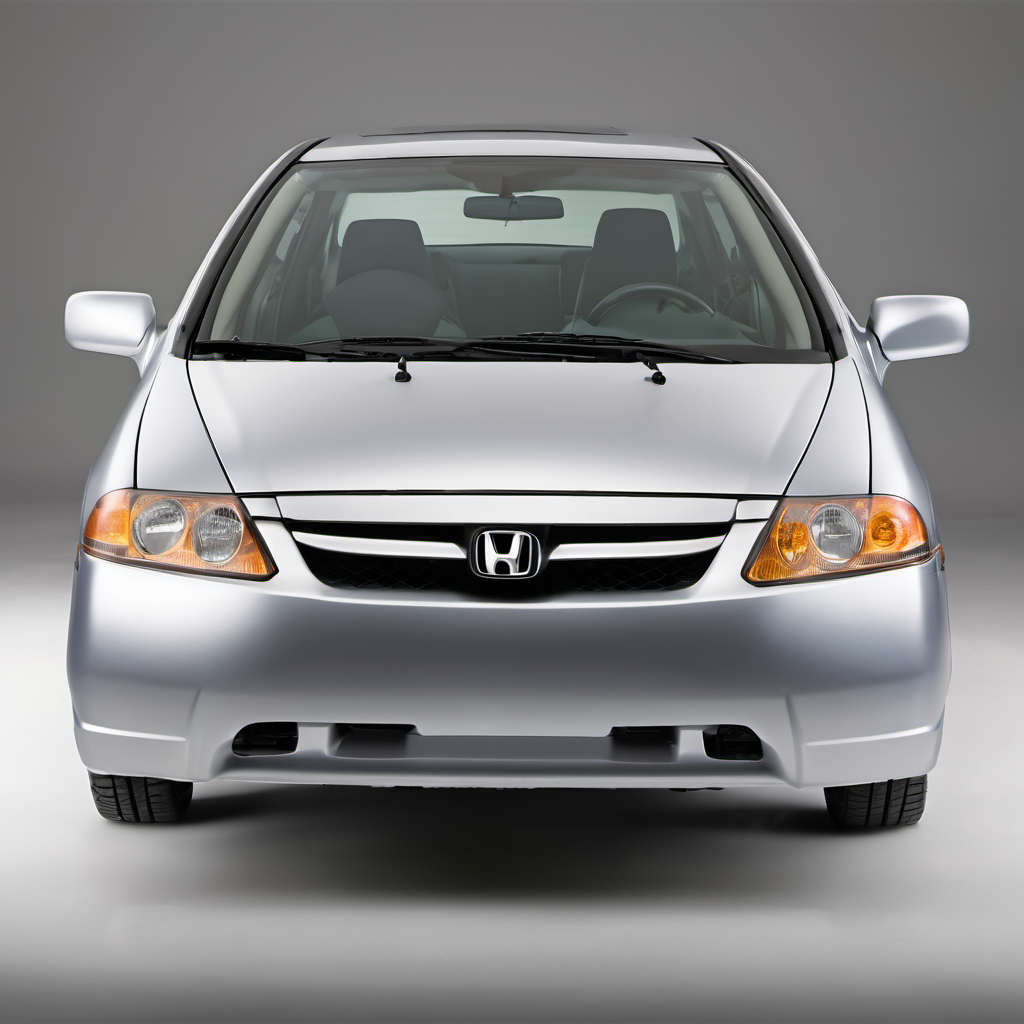
Same compact class, similar price used, significantly better long-term reliability and resale value. A better choice if you can find a clean example for the same money.
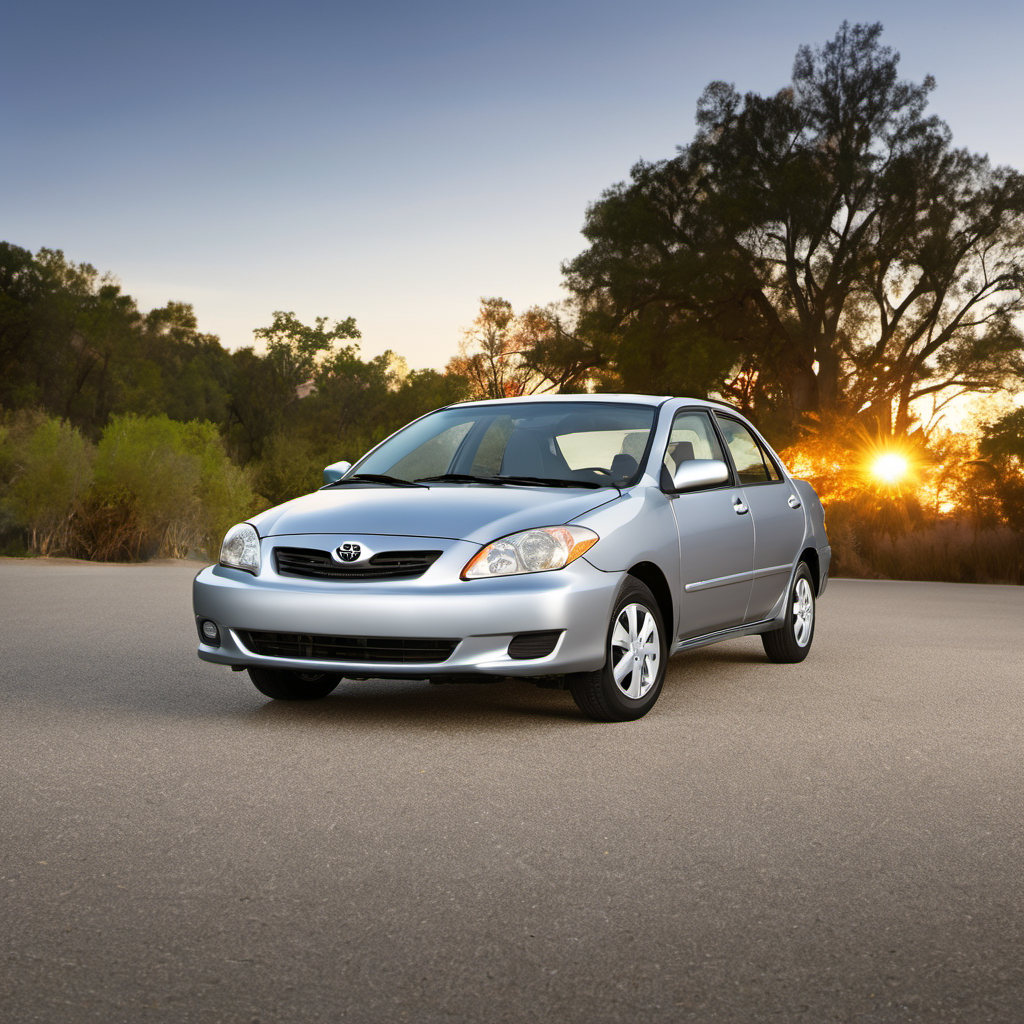
Nearly bulletproof reliability in the same segment. More boring to drive but will outlast the Focus with less drama. Strong choice for pure transportation value.
Shares Ford's C1 platform but with a sharper driving character and better interior quality. Comparable reliability, often similarly priced used.
No catalog match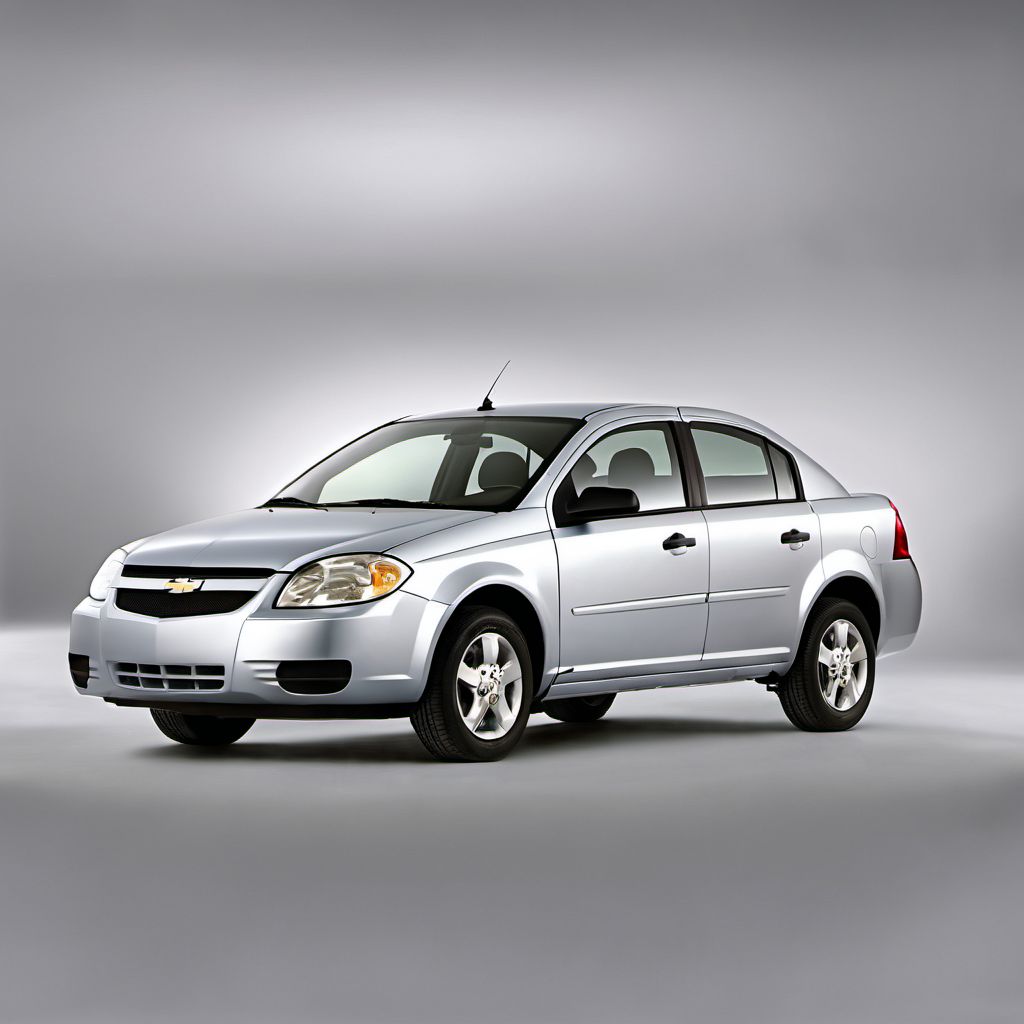
Direct American-market competitor. Comparable price and running costs, similar rust concerns in the Midwest. Neither is clearly better — condition matters more than badge here.