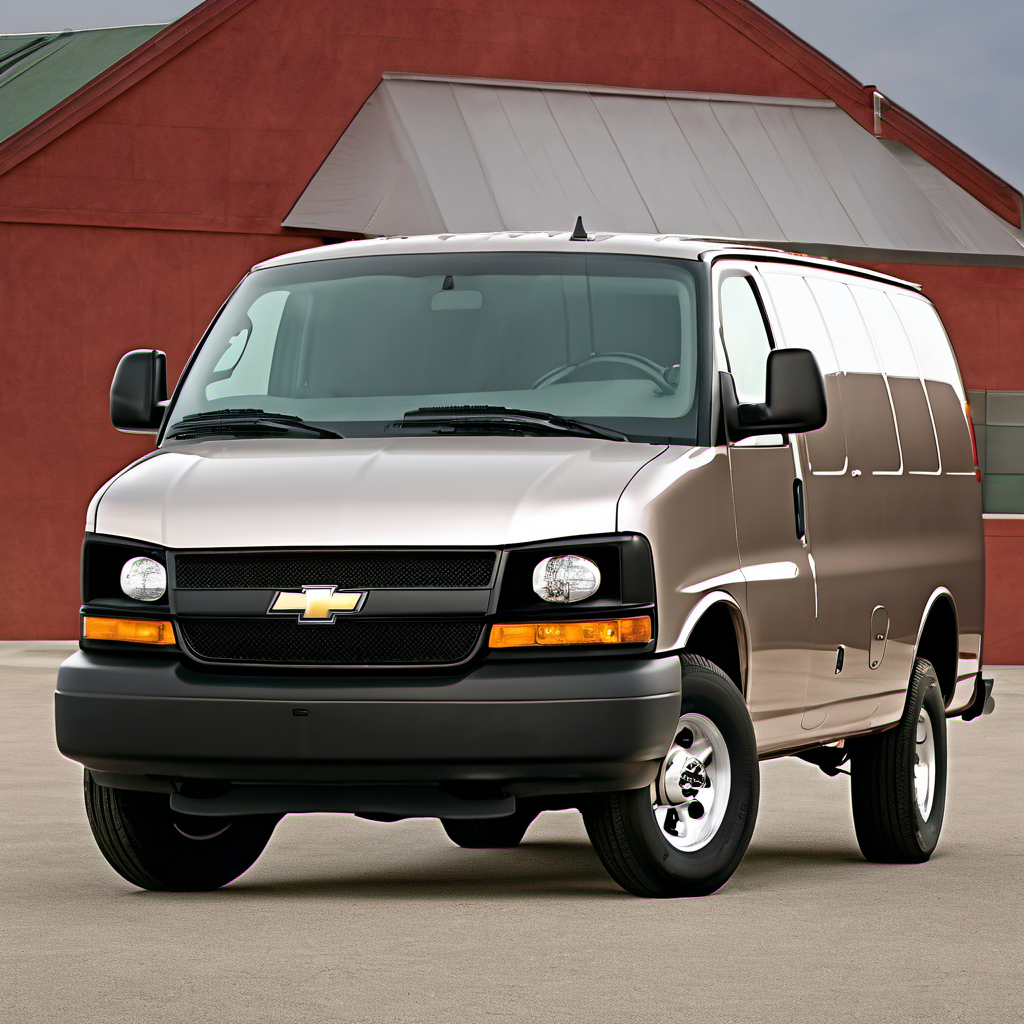
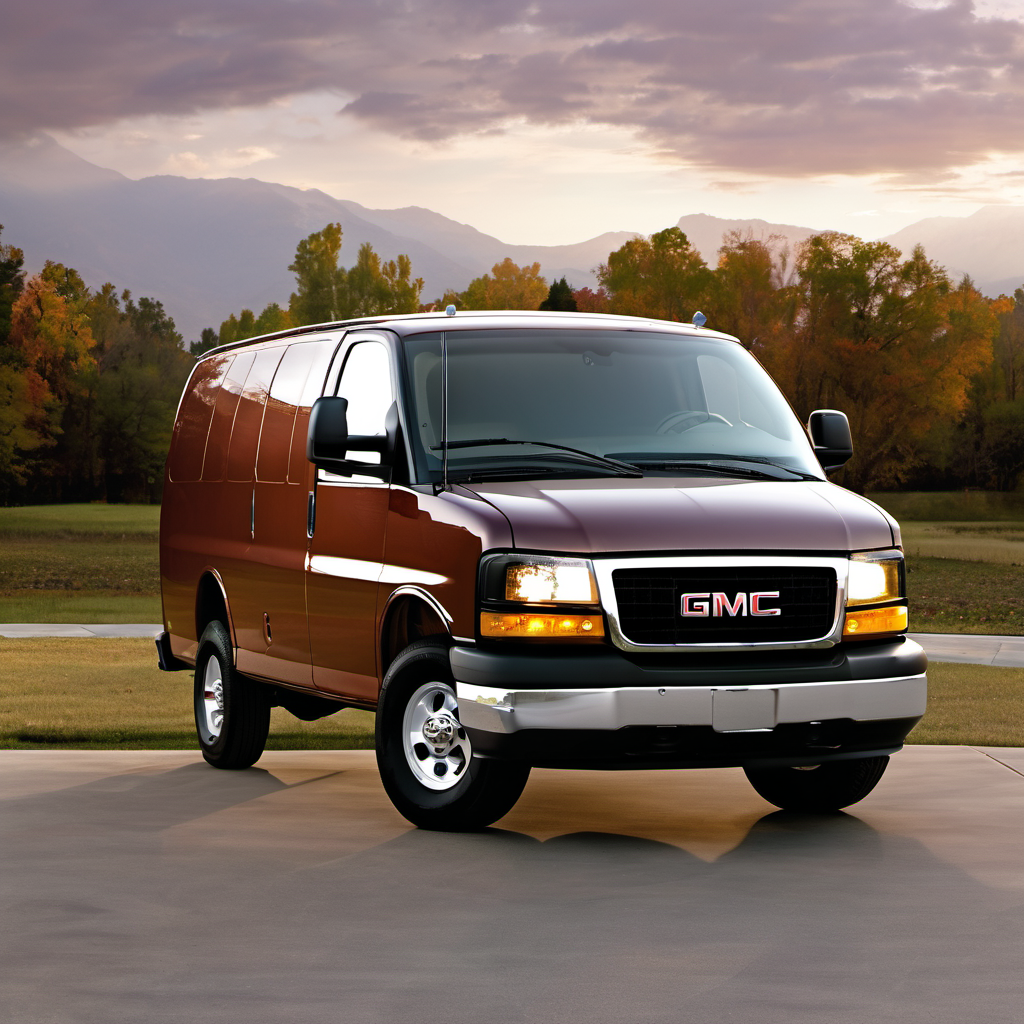
2006 Chevrolet Express 2500 Cargo Van/Minivan

2006 Chevrolet

Express 2500 CargoVan/Minivan

6.0L V8 Vortec · Van/Minivan

The 2006 Chevrolet Express 2500 Cargo is a full-size, body-on-frame work van built on GM's long-running G-Van platform. It sits in the heavy half-ton/three-quarter-ton commercial van segment and is a direct descendant of a design that dates back to 1996 — which means proven mechanicals and abundant parts availability, but also an aging interior and no modern driver-assistance features. The Express 2500 Cargo is a workhorse first. It offers a cavernous cargo bay, robust towing and payload ratings, and the choice of a proven V6 or V8 powerplant. Fleet operators, contractors, tradespeople, and delivery services have leaned on it for decades because it simply doesn't quit when maintained properly. By 2006 the platform was a decade old, so don't expect refinement — expect function. Rust, high mileage, and deferred fleet maintenance are the biggest risks on used examples. A well-kept Express 2500 with a clean frame can realistically hit 250,000+ miles.

Reliability
4/5
Verified data
Engine
6.0L V8 Vortec
Drivetrain
RWD
Fuel
Gasoline
MPG
13 city / 17 hwy / 14 combined
Seats
2
Doors
3
Body
Van
MSRP
$27,500

Overview

AI-curated

The 2006 Chevrolet Express 2500 Cargo is a full-size, body-on-frame work van built on GM's long-running G-Van platform. It sits in the heavy half-ton/three-quarter-ton commercial van segment and is a direct descendant of a design that dates back to 1996 — which means proven mechanicals and abundant parts availability, but also an aging interior and no modern driver-assistance features. The Express 2500 Cargo is a workhorse first. It offers a cavernous cargo bay, robust towing and payload ratings, and the choice of a proven V6 or V8 powerplant. Fleet operators, contractors, tradespeople, and delivery services have leaned on it for decades because it simply doesn't quit when maintained properly. By 2006 the platform was a decade old, so don't expect refinement — expect function. Rust, high mileage, and deferred fleet maintenance are the biggest risks on used examples. A well-kept Express 2500 with a clean frame can realistically hit 250,000+ miles.

Known for
  • Enormous cargo capacity and payload rating
  • Proven Vortec V8 durability
  • Simple, mechanic-friendly drivetrain with wide parts availability
  • Long-running fleet/commercial platform with strong support network
  • Strong towing capability for a cargo van
Best for
  • Contractors and tradespeople needing maximum cargo volume
  • Small business delivery and mobile workshop builds
  • Towing trailers or equipment up to ~6,800 lbs
  • Budget commercial buyers who want proven reliability over refinement
  • Van life / conversion builds on a tough, affordable platform
Watch for
  • Frame and rocker panel rust — especially critical in Wisconsin salt country
  • Deferred fleet maintenance on high-mileage used examples
  • Fuel economy is poor regardless of engine choice
  • Handling and braking feel truck-like; not a nimble van
  • Cab comfort and noise isolation are dated by modern standards

Common issues by mileage

6 known

Intermediate Steering Shaft Wear (Clunk/Looseness)

high
Typically appears
60–150k mi
Estimated repair
$150 – $350

Cooling System Failures (Intake Manifold Gasket / Radiator / Thermostat)

high
Typically appears
80–150k mi
Estimated repair
$250 – $900

Oxygen Sensor / O2 Sensor Heater Circuit Failure

medium
Typically appears
80–160k mi
Estimated repair
$150 – $400

Frame and Rocker Panel Rust / Structural Corrosion

high
Typically appears
Any — accelerates after 10 yrs in salt states
Estimated repair
$500 – $4,000

4-Speed Automatic Transmission (4L80-E) Fluid Degradation / Shift Flare

medium
Typically appears
100–200k mi
Estimated repair
$200 – $3,500

Maintenance schedule

  1. 1
    Every 5,000 miles or 6 months — whichever comes first Engine oil and filter change

    The Vortec V8 is a durable engine but oil quality matters. Heavy load and stop-and-go fleet cycles degrade oil faster than normal passenger-car use. Stick to 5W-30 conventional or synthetic.

  2. 2
    Every 30,000 miles for severe duty (towing, frequent city driving) Transmission fluid change

    The 4-speed automatic in fleet service runs hot. Dark or burnt-smelling fluid is a leading indicator of impending transmission trouble. Fresh fluid is the cheapest transmission insurance.

  3. 3
    Every 2 years / 30,000 miles Coolant flush and inspection of hoses/thermostat

    Intake manifold gasket and radiator failures are common on these vans. Keeping the coolant clean and at proper concentration (50/50 to handle Wisconsin sub-zero temps) prevents costly overheating events.

  4. 4
    Every 30,000 miles or when clunking is noticed Inspect and lubricate intermediate steering shaft

    The plastic/nylon slip joint in the steering shaft dries out and wears, causing a noticeable clunk on turns. Early lubrication extends life; replacement is inexpensive when caught early.

  5. 5
    Every fall before salt season; touch-up each spring Inspect and treat frame, undercarriage, and rocker panels for rust

    In Lake Geneva / southern Wisconsin road-salt use is heavy. A 2006 Express is nearly 20 years old — frame rust is the single biggest structural threat. Annual undercoating inspection and rust inhibitor application is mandatory.

  6. 6
    Every 20,000 miles or annually Brake inspection (pads, rotors, lines, and wheel cylinders)

    At GVWR up to 8,600 lbs, brake components see heavy stress. Brake lines on these vans are prone to rust-through in salt states. Inspect lines and calipers carefully, not just friction material.

  7. 7
    Every 60,000 miles Spark plugs and wires

    The Vortec 6.0L uses conventional spark plugs (not iridium long-life). Worn plugs hurt fuel economy noticeably on an engine already getting 13–14 MPG combined.

  8. 8
    Every fall before winter / any battery older than 4 years Battery load test

    Cold-cranking a large V8 at sub-zero temps demands a strong battery. The Express's engine bay is large and exposed to cold. A battery that passes a summer test can still fail to crank at -10°F.

Always defer to the manufacturer's service manual for warranty-mandated intervals.

Cost of ownership

Annual maintenance
$800 – $2,000
Fuel
Expect to spend $3,500–$5,500/year on fuel assuming 15,000 miles at current Midwest gas prices. The 6.0L V8 averages around 13–14 MPG in mixed duty.
Insurance
Commercial cargo vans typically run $1,200–$2,500/year depending on business use classification, driver history, and coverage. Personal-use classification can lower this.

The Express 2500 Cargo is cheap to buy used ($8,000–$18,000 for a clean 2006) but costs real money to fuel and can surprise you with rust-related repairs. Keep up on fluids and the drivetrain will reward you. The biggest wildcard on an 18-year-old Wisconsin work van is undercarriage corrosion — budget for it.

Seasonal care

Lake Geneva, WI
Winter
  • Load-test the battery every fall — cold-cranking a large V8 at sub-zero temps will expose any weakness immediately.
  • Verify coolant freeze protection to at least -34°F (50/50 mix). Old or diluted coolant can freeze in the overflow tank or heater core.
  • Switch to a lighter viscosity oil (5W-30) if not already running it; thick oil slugs on cold starts stress the Vortec's valve train.
  • Inspect rubber weatherstripping on cargo doors and side doors — cracked seals let in moisture and cold, which accelerates interior rust.
  • Flush wiper fluid reservoir and refill with a -20°F or lower rated winter formula; the large windshield surface on the Express is particularly vulnerable to road slush.
  • Inspect brake lines and fuel lines for rust-through before salt season begins — elevated GVWR means brake line failure is a serious safety event.
Summer
  • Check tire pressure monthly — the Express runs large tires at higher recommended pressures and heat causes pressure to spike; overinflated tires on a heavy van reduce load capacity and handling.
  • Inspect the A/C system (refrigerant level, compressor clutch, condenser fins) — cab heat in a cargo van with no rear HVAC is significant, and A/C components age on a 2006 vehicle.
  • Check coolant level and inspect hoses for softness or swelling — the 6.0L runs hot under load and in summer traffic; a failing hose is a roadside breakdown.
  • Inspect the cargo area for heat-related issues: damaged cargo tie-down tracks, cracked floor coatings, and degraded door seals all worsen with heat cycling.

Comparable vehicles

If you're shopping for one

Red flags
  • Frame rust — probe with a screwdriver; soft or flaking metal near body mounts or crossmembers is a deal-breaker on a vehicle this age in Wisconsin
  • Burnt or dark transmission fluid — sign of deferred service or impending rebuild on the 4-speed automatic
  • Overheating history or evidence of coolant leaks (white staining around intake manifold or radiator)
  • Brake line rust or any sponginess in the pedal — especially dangerous at GVWR up to 8,600 lbs
  • Missing fleet maintenance records — high-mileage fleet vans with no service history are a gamble
  • ABS/brake warning lights on — check for C0060–C0080 chassis codes which indicate EBCM or wheel speed sensor issues
What to inspect
  • Full undercarriage inspection for frame rust, fuel line rust, and brake line corrosion
  • Transmission fluid condition and color (should be pink/red, not brown or burnt-smelling)
  • Coolant condition and intake manifold area for signs of leakage
  • Steering play and listen for clunking at low-speed turns (intermediate shaft)
  • Cargo floor condition — check for rust-through, especially around wheel wells and floor seams
  • All cargo door hinges, latches, and seals — expensive to refurbish on a work van
  • Battery load test and serpentine belt condition
  • Oxygen sensor and check engine light scan — any active P003x codes suggest neglected emissions/engine management service
AI profile generated 12 days ago · claude-sonnet-4-6 · v2.