6.0L Power Stroke EGR Cooler & Oil Cooler Failure
high- Typically appears
- 80–150k mi
- Estimated repair
- $2,000 – $5,500

2006 Ford
5.4L V8 Triton · Van/Minivan
The 2006 Ford E-350 Super Duty Cargo Van is a full-size, body-on-frame work van built on Ford's long-running E-Series platform. In its cargo configuration it ditches rear seats entirely in favor of a large, flat load floor — the reason fleets, tradespeople, and small businesses have relied on this platform for decades. The E-350 designation means it's rated for a higher gross vehicle weight than the lighter E-250, with a reinforced rear axle and suspension to match. Powertrain choices for 2006 include the workhorse 5.4L Triton V8 (gasoline), the torquier 6.8L Triton V10 (gasoline), and the 6.0L Power Stroke V8 diesel — each paired to a 4-speed automatic. All three have well-documented strengths and known failure points that any buyer or owner should understand before committing. The 6.0L diesel in particular carries a reputation that requires careful scrutiny on any used example. At 18-plus years old, virtually every E-350 still on the road has high mileage and a fleet or commercial history. That's not automatically a problem — the E-Series body and chassis are genuinely tough — but deferred maintenance and hard use are common. A thorough pre-purchase inspection is non-negotiable.
The 2006 Ford E-350 Super Duty Cargo Van is a full-size, body-on-frame work van built on Ford's long-running E-Series platform. In its cargo configuration it ditches rear seats entirely in favor of a large, flat load floor — the reason fleets, tradespeople, and small businesses have relied on this platform for decades. The E-350 designation means it's rated for a higher gross vehicle weight than the lighter E-250, with a reinforced rear axle and suspension to match. Powertrain choices for 2006 include the workhorse 5.4L Triton V8 (gasoline), the torquier 6.8L Triton V10 (gasoline), and the 6.0L Power Stroke V8 diesel — each paired to a 4-speed automatic. All three have well-documented strengths and known failure points that any buyer or owner should understand before committing. The 6.0L diesel in particular carries a reputation that requires careful scrutiny on any used example. At 18-plus years old, virtually every E-350 still on the road has high mileage and a fleet or commercial history. That's not automatically a problem — the E-Series body and chassis are genuinely tough — but deferred maintenance and hard use are common. A thorough pre-purchase inspection is non-negotiable.
The 6.0L diesel is especially sensitive to oil condition — soot contamination accelerates wear on HPOP and injectors. Use the correct viscosity and never stretch the interval on diesel.
The 4R100 and 4R70W automatics are robust but heat is their enemy. Fluid breaks down faster under heavy cargo loads. Many fleet units go way too long between services.
Critical on the 6.0L diesel — degraded coolant accelerates EGR and oil cooler failures. On all engines, the aging cooling system is the first thing to address on a used purchase.
The 5.4L 3-valve uses two-piece spark plugs prone to breaking during removal if left too long. Replace on schedule with the engine warm and proper extraction technique.
These vans see a lot of hard turning and loading. A loose steering box makes the van wander, especially noticeable at highway speeds.
Cargo loads stress the front brakes heavily. Wheel bearings on the front axle also wear faster under GVW loads. Don't wait for noise.
Wisconsin road salt will attack the frame rails, brake lines, and fuel lines. An annual inspection with touchup rustproofing buys years of additional life on a salt-belt vehicle.
Big vans draw serious cranking amps in cold starts. A marginal battery that passed a summer test can fail the first morning it hits -10°F. Don't find out the hard way with a loaded van.
Always defer to the manufacturer's service manual for warranty-mandated intervals.
The E-350 has a low purchase price floor — well-used examples can be found for $5,000–$12,000 — but the savings can evaporate quickly if you inherit deferred maintenance. Budget $1,000–$2,000 upfront for a used-purchase service reset (fluids, plugs, brakes, belts). On a healthy gasoline unit with normal commercial use, annual maintenance runs $800–$2,500 at an independent shop. Diesel examples with unresolved EGR/oil cooler issues can easily exceed $5,000 in catch-up repairs.
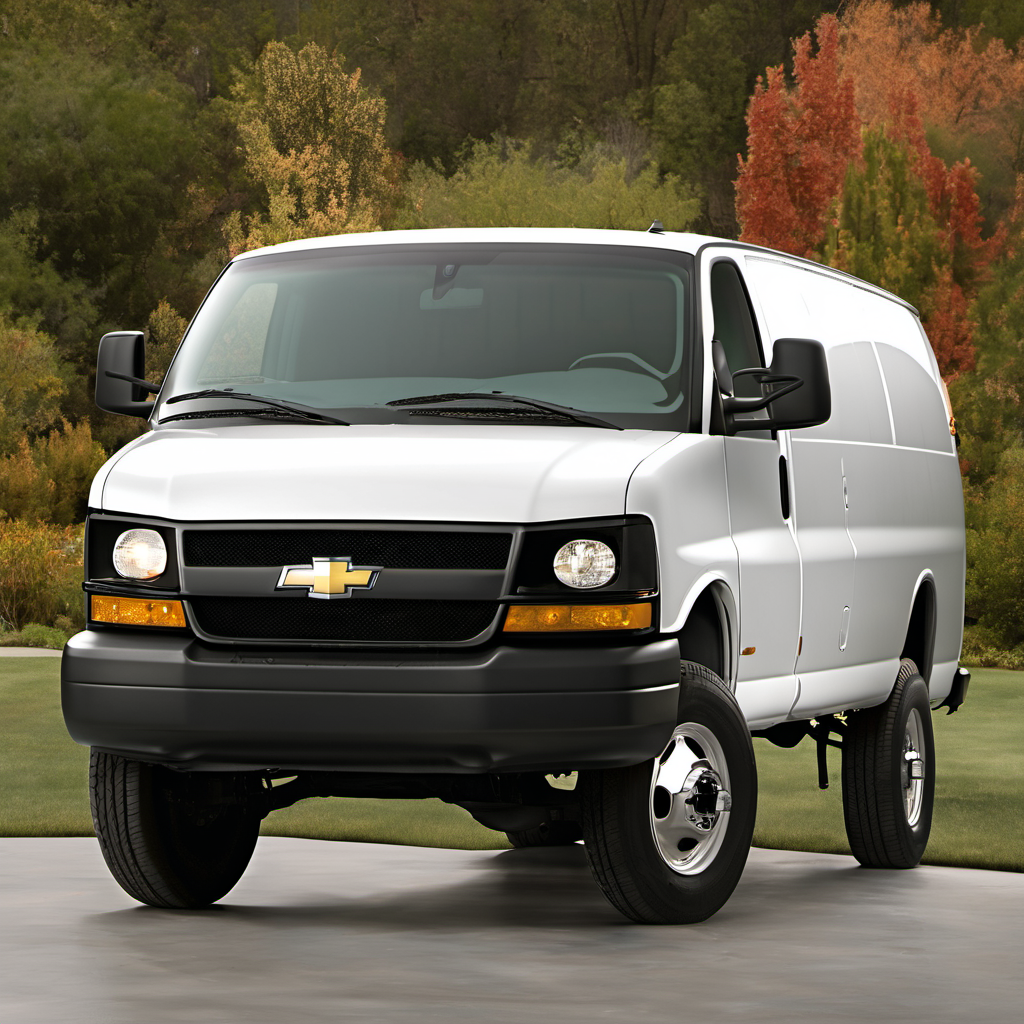
Direct competitor in the full-size cargo van segment. Similar body-on-frame construction, V8/V8 diesel options, and fleet history. Parts equally available; some prefer the GM platform's simpler front suspension.
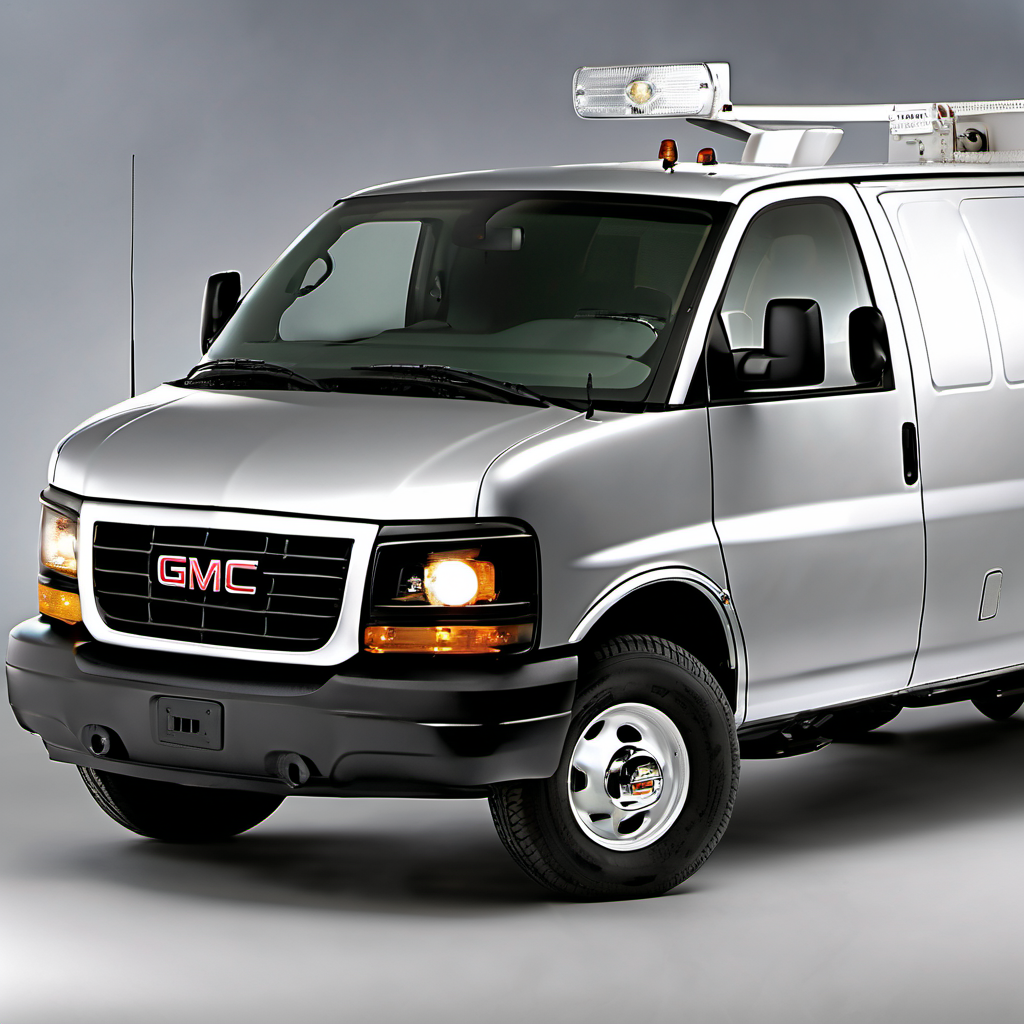
Mechanically identical to the Express 3500 — same platform, same powertrains. Badge-engineered alternative worth considering if you find a cleaner example.
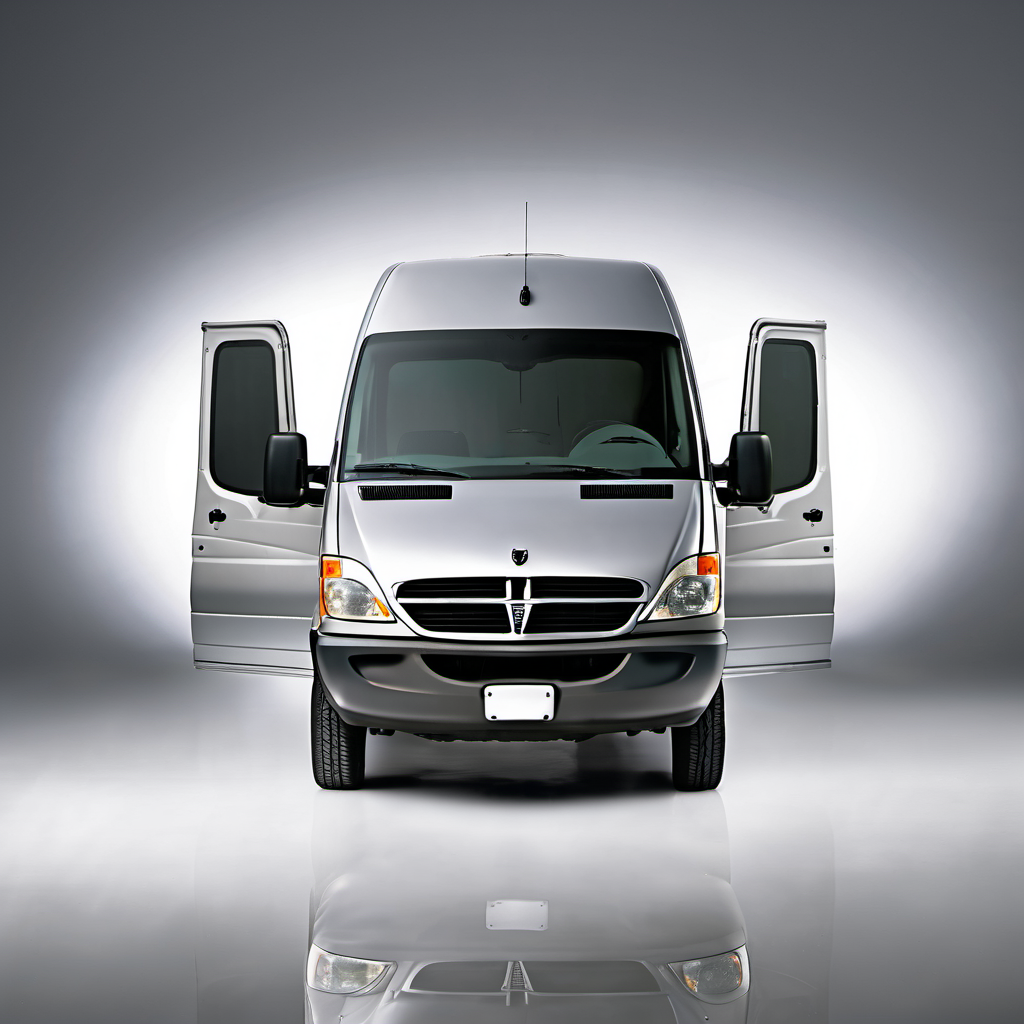
Higher-roof Mercedes-Benz-based alternative with better fuel economy (diesel) and more standing room, but more expensive to repair and harder to find parts for in the upper Midwest.
Lighter-duty sibling on the same platform. Worth considering if you don't regularly approach GVW limits — lower operating costs and slightly better handling with reduced GVWR.
No catalog match