EGR Valve and Cooler Failure
high- Typically appears
- 80–150k mi
- Estimated repair
- $800 – $2,200

2006 Dodge
2.7L I5 Turbodiesel · Van/Minivan
The 2006 Dodge Sprinter 2500 Cargo is a high-roof, full-size commercial van built on the Mercedes-Benz Sprinter platform — sold in the US under the Dodge badge from 2003–2008 as part of a DaimlerChrysler joint venture. Under the sheet metal it is a German-engineered van, which means tighter tolerances, better-than-average diesel efficiency, and a load capacity that made it a favorite among tradespeople, florists, sprinter conversion builders, and small fleet operators. The 2500 Cargo rides on the mid-wheelbase or extended wheelbase chassis (depending on trim) and pairs a 2.7L Mercedes five-cylinder turbo diesel with a 5-speed automatic. That diesel is the van's biggest asset — exceptional fuel economy for a vehicle this large — but it's also the source of most headaches. Owners who skimp on oil-change intervals, use incorrect oil viscosity, or ignore early warning lights will face expensive injection and EGR repairs. For a used buy, the Sprinter 2500 Cargo's value proposition is compelling if the maintenance history is clean. High-mileage examples with documented diesel service have been known to push 300,000+ miles. Neglected units, however, can become money pits quickly. Approach private-party examples without service records with healthy skepticism.
The 2006 Dodge Sprinter 2500 Cargo is a high-roof, full-size commercial van built on the Mercedes-Benz Sprinter platform — sold in the US under the Dodge badge from 2003–2008 as part of a DaimlerChrysler joint venture. Under the sheet metal it is a German-engineered van, which means tighter tolerances, better-than-average diesel efficiency, and a load capacity that made it a favorite among tradespeople, florists, sprinter conversion builders, and small fleet operators. The 2500 Cargo rides on the mid-wheelbase or extended wheelbase chassis (depending on trim) and pairs a 2.7L Mercedes five-cylinder turbo diesel with a 5-speed automatic. That diesel is the van's biggest asset — exceptional fuel economy for a vehicle this large — but it's also the source of most headaches. Owners who skimp on oil-change intervals, use incorrect oil viscosity, or ignore early warning lights will face expensive injection and EGR repairs. For a used buy, the Sprinter 2500 Cargo's value proposition is compelling if the maintenance history is clean. High-mileage examples with documented diesel service have been known to push 300,000+ miles. Neglected units, however, can become money pits quickly. Approach private-party examples without service records with healthy skepticism.
The 2.7L I5 turbo diesel is highly sensitive to oil quality. Incorrect viscosity causes sludge buildup that starves the turbo and VGT actuator, leading to $2,000+ repairs.
Diesel fuel quality in the US varies. A clogged or deteriorated fuel filter stresses the injection pump and injectors — the most expensive components on this engine.
Carbon buildup in the EGR valve is the most common cause of limp mode on these vans. Cleaning at intervals avoids full replacement.
Belt failure leaves you stranded. Tensioner wear is common by 80k mi and is inexpensive insurance against a roadside breakdown.
Mixing coolant types causes electrochemical corrosion in the aluminum engine components. Use only the correct Mercedes specification fluid.
Brake fluid absorbs moisture over time. At Wisconsin winter temperatures, moisture-laden fluid can contribute to corrosion in calipers and ABS components.
The Sprinter's long wheelbase and rear cargo floor are rust magnets in WI salt environments. Catching surface rust early prevents structural rot in the frame rails and floor.
Failed glow plugs make sub-zero cold starts rough and can cause misfires logged as injector faults. In Lake Geneva winters, functional glow plugs are non-negotiable.
Always defer to the manufacturer's service manual for warranty-mandated intervals.
Routine maintenance costs are moderate for a diesel commercial van, but repair bills when things go wrong are higher than a comparable domestic gas van — parts are Mercedes-sourced and labor requires diesel familiarity. Budget at the high end if the service history is unknown. The diesel economy advantage pays back over high mileage, making this van cost-effective for commercial operators who maintain it properly.
Dominant US market alternative with simpler gas V8, cheaper parts, and wider service network — but significantly worse fuel economy and lower cargo volume.
No catalog match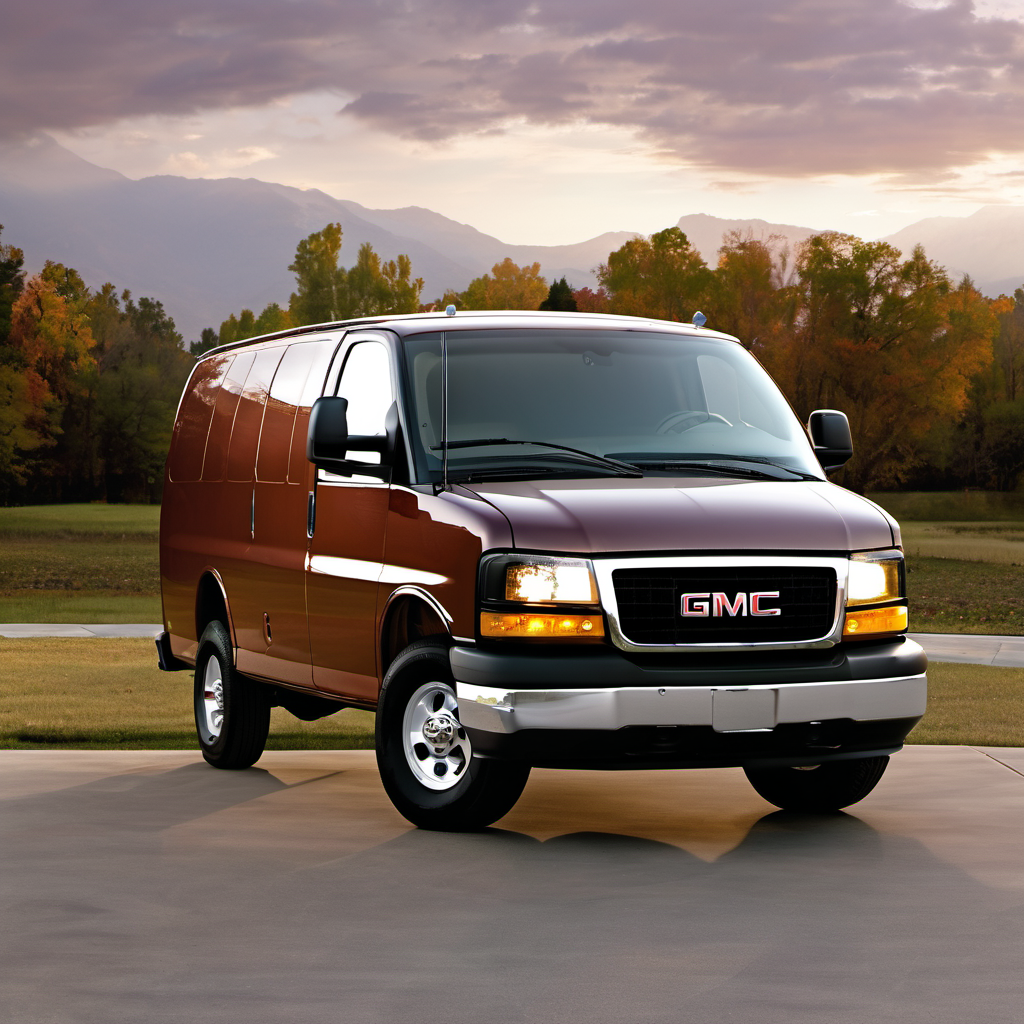
Similar payload capacity and cargo floor space. Gas V8 is easier to service anywhere in the Midwest, but lacks the diesel efficiency and roof height advantage.
Mechanically identical to the Dodge-badged version — same platform, same drivetrain. Mercedes-branded examples may have better dealer service history documentation.
No catalog matchThird US-market badge of the same platform sold through truck dealers. Parts and mechanical service are interchangeable with the Dodge version.
No catalog match