Secondary Air Injection System Failure
high- Typically appears
- 60–120k mi
- Estimated repair
- $400 – $1,200
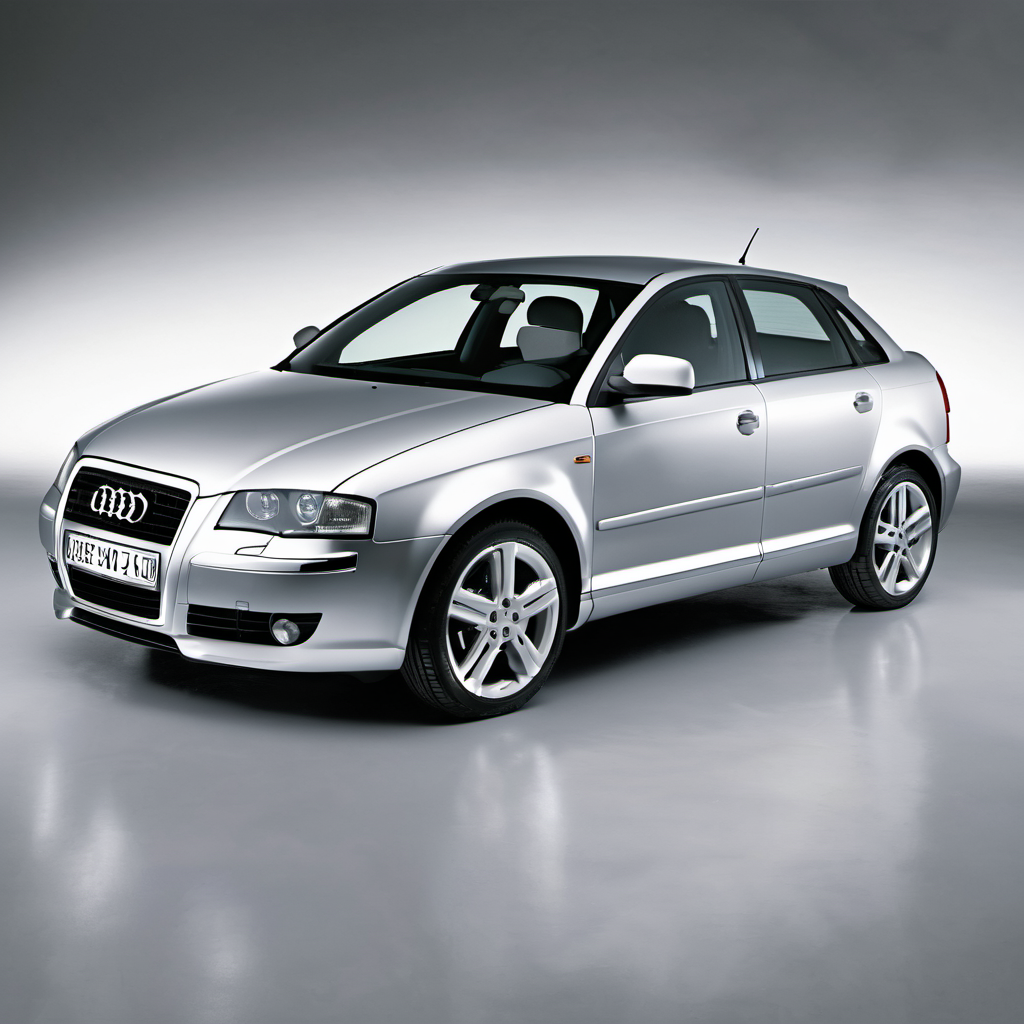
2006 Audi
Wagon
The 2006 Audi A3 is a compact premium hatchback (sold in the US as a 4-door sportback) built on Volkswagen's PQ35 platform — the same underpinning shared with the Golf GTI and Jetta of the same era. It brought genuine European driving dynamics, a well-finished interior, and a punchy 2.0T engine to a segment that was mostly econoboxes at the time. For a used buyer in 2025, the A3 is now squarely in "affordable luxury" territory, but ownership costs can surprise people used to mainstream brands. The 2.0T FSI engine makes 200 hp and delivers brisk real-world performance. Fuel economy is decent for a turbocharged four-cylinder of that vintage. The cabin is tight but well-built, and the driving experience is noticeably more polished than equivalent Volkswagens of the same year. The catch: this is a nearly 20-year-old German car with a turbocharged direct-injection engine, a timing chain that requires oil discipline, and a secondary air injection system that is a known weak point. Parts and labor cost more than a comparable Honda or Toyota. Budget accordingly and stay current on oil changes — this engine rewards owners who do and punishes those who don't.
The 2006 Audi A3 is a compact premium hatchback (sold in the US as a 4-door sportback) built on Volkswagen's PQ35 platform — the same underpinning shared with the Golf GTI and Jetta of the same era. It brought genuine European driving dynamics, a well-finished interior, and a punchy 2.0T engine to a segment that was mostly econoboxes at the time. For a used buyer in 2025, the A3 is now squarely in "affordable luxury" territory, but ownership costs can surprise people used to mainstream brands. The 2.0T FSI engine makes 200 hp and delivers brisk real-world performance. Fuel economy is decent for a turbocharged four-cylinder of that vintage. The cabin is tight but well-built, and the driving experience is noticeably more polished than equivalent Volkswagens of the same year. The catch: this is a nearly 20-year-old German car with a turbocharged direct-injection engine, a timing chain that requires oil discipline, and a secondary air injection system that is a known weak point. Parts and labor cost more than a comparable Honda or Toyota. Budget accordingly and stay current on oil changes — this engine rewards owners who do and punishes those who don't.
The 2.0T FSI timing chain and camshaft phasers are extremely sensitive to oil condition. Dirty or low oil accelerates timing chain stretch and can trigger P0012/P0015 codes. Use the specified 5W-40 viscosity — thinner oils don't provide adequate protection at operating temp.
Direct injection means fuel never washes the intake valves, so oil vapor deposits build up over time. Heavy carbon deposits reduce airflow and hurt performance. Walnut blasting is the accepted fix — budget for this on any used A3 with unknown service history.
The air pump runs briefly at cold start. Wisconsin cold starts accelerate wear. Failure triggers check-engine lights and can affect cold-start emissions. Early attention is cheaper than a full system replacement.
Audi lists this fluid as "lifetime" but independent shops and owners consistently report shudder and harsh shifts beyond 40k without a flush. Use the correct DSG fluid — the wrong type damages clutch packs.
The 2.0T FSI is sensitive to worn plugs — misfires stress the ignition coils and can allow raw fuel to wash cylinder walls. Stick to the OEM-spec plugs for this engine.
G13/G12++ coolant is spec for this engine. Mixing types or running degraded coolant can cause water pump failure and corrosion in the aluminum block. Verify the correct type is in the car on any used purchase.
Wisconsin road conditions — especially spring and fall — pull a lot of debris. A clogged engine air filter robs turbo response and fuel economy.
Audi's own spec calls for this. Brake fluid absorbs moisture over time, lowering boiling point. In Wisconsin winters with heavy ABS cycling on icy roads, degraded fluid is a safety concern.
Always defer to the manufacturer's service manual for warranty-mandated intervals.
The A3 is deceptively affordable to buy used, but running costs are meaningfully higher than a comparable Japanese compact. Parts — especially Audi-specific items — cost more and sometimes require specialist labor. Budget for a walnut blasting at purchase if the history is unknown, and assume the secondary air pump and timing chain will need attention somewhere in the ownership window. On a well-maintained example, $1,000–$1,500/year in routine maintenance is realistic; a neglected one can run $3,000+ in a single year of catch-up work.
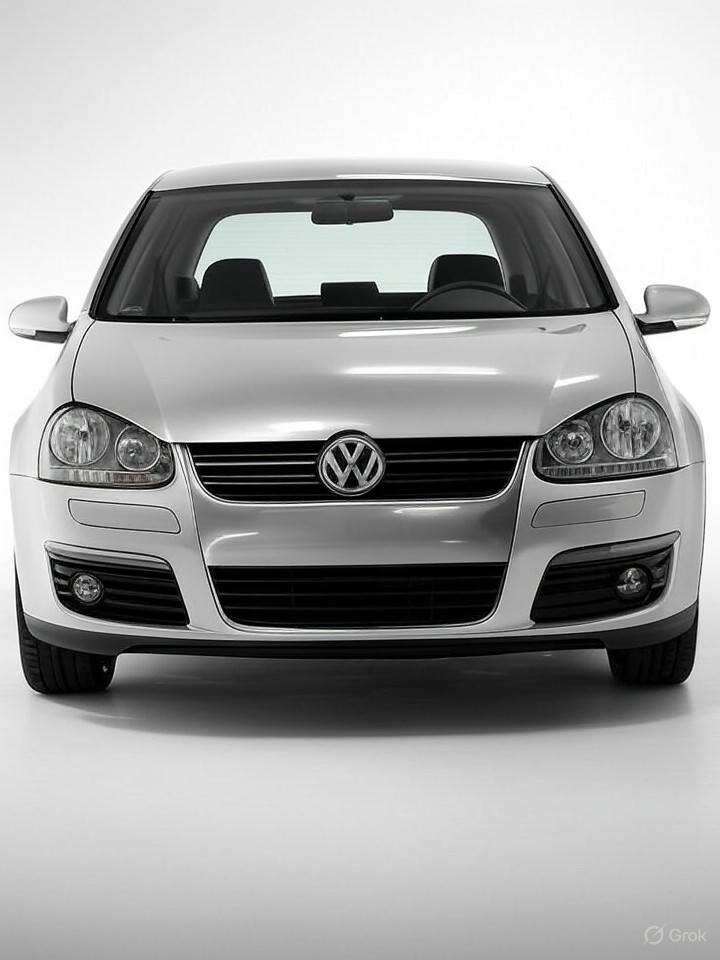
Same PQ35 platform, same 2.0T engine, often cheaper to buy and maintain with a nearly identical driving experience. More parts availability at independent shops.

Shares the platform and engine family. Sedan body instead of hatch, typically lower asking price, same maintenance considerations.
RWD premium compact alternative in the same price range used. More engaging dynamics but higher parts cost and also turbocharged in later trims.
No catalog match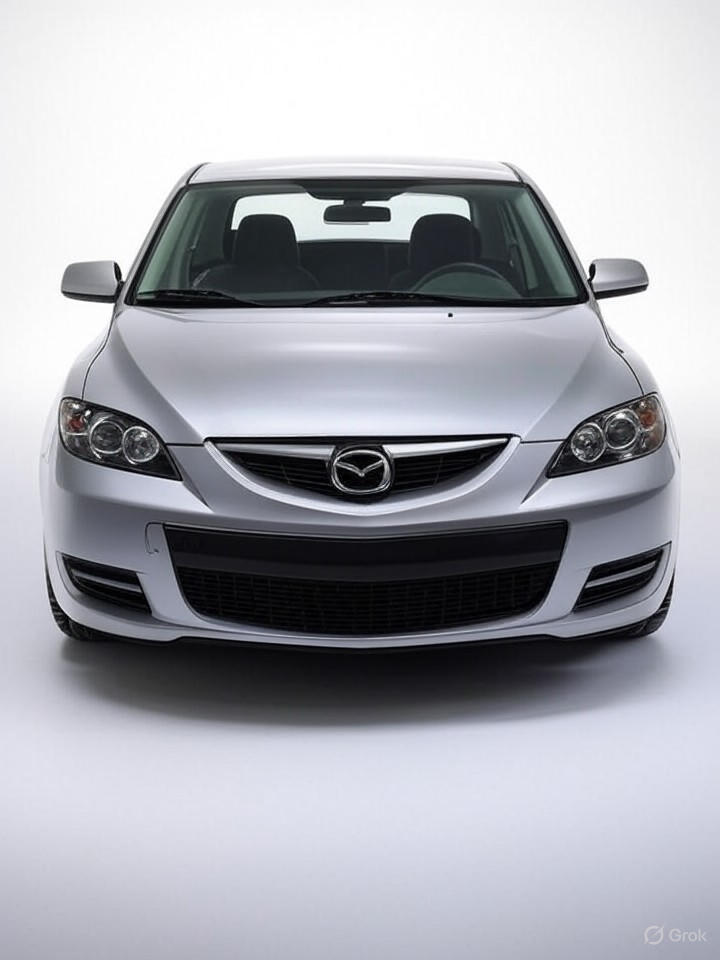
Non-premium alternative in the same compact segment — significantly lower ownership costs, comparable fun-to-drive character, far fewer expensive failure points.