VTEC Solenoid / Oil Pressure Screen Clog
medium- Typically appears
- 80–150k mi
- Estimated repair
- $150 – $400
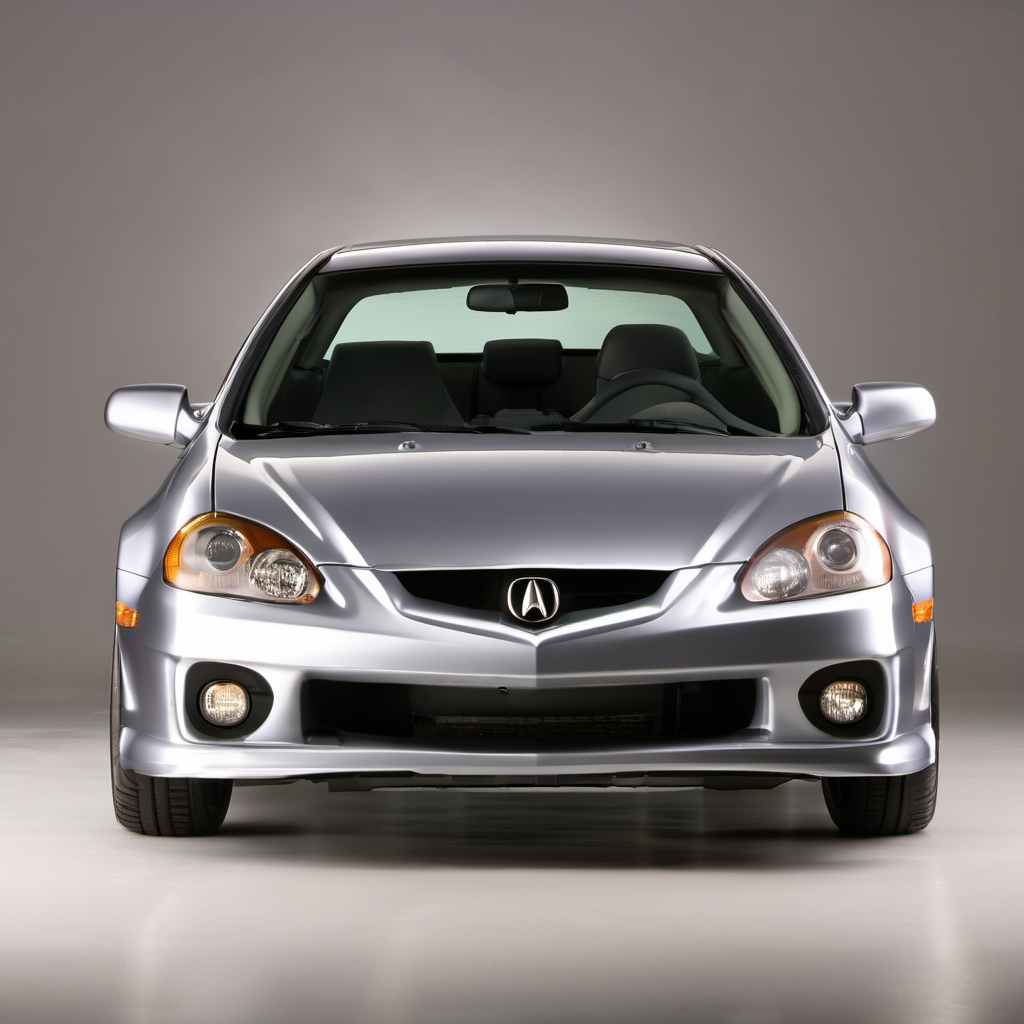
2006 Acura
Coupe
The 2006 Acura RSX is the final model year of Honda's sport compact coupe sold under the Acura badge in North America. Built on the same platform as the Honda Civic Si, it came in two flavors: the base 2.0L i-VTEC (160 hp) and the Type-S with a higher-revving 2.0L i-VTEC (210 hp). Both are smooth, rev-happy engines with Honda's legendary durability baked in. The RSX was discontinued after 2006, making this the last of the line — parts availability is still solid thanks to shared Honda Civic/Integra architecture. The RSX earned a reputation as a driver's car — precise steering, a well-balanced chassis, and a high-revving engine that rewards spirited driving without being impractical. Fuel economy is genuinely good for a sport coupe. The interior is snug but thoughtfully designed, and build quality reflects Acura's attention to fit and finish in this era. At nearly 20 years old, most RSXs on the road today have high mileage and some history in the enthusiast community — modifications, track days, and hard driving are common. A clean, stock example is increasingly rare and worth preserving. Rust is the top concern on Wisconsin examples, and a thorough undercarriage inspection is non-negotiable before purchase.
The 2006 Acura RSX is the final model year of Honda's sport compact coupe sold under the Acura badge in North America. Built on the same platform as the Honda Civic Si, it came in two flavors: the base 2.0L i-VTEC (160 hp) and the Type-S with a higher-revving 2.0L i-VTEC (210 hp). Both are smooth, rev-happy engines with Honda's legendary durability baked in. The RSX was discontinued after 2006, making this the last of the line — parts availability is still solid thanks to shared Honda Civic/Integra architecture. The RSX earned a reputation as a driver's car — precise steering, a well-balanced chassis, and a high-revving engine that rewards spirited driving without being impractical. Fuel economy is genuinely good for a sport coupe. The interior is snug but thoughtfully designed, and build quality reflects Acura's attention to fit and finish in this era. At nearly 20 years old, most RSXs on the road today have high mileage and some history in the enthusiast community — modifications, track days, and hard driving are common. A clean, stock example is increasingly rare and worth preserving. Rust is the top concern on Wisconsin examples, and a thorough undercarriage inspection is non-negotiable before purchase.
The K-series VTEC and VTC systems are oil-pressure dependent. Short-changing oil changes is the single most common cause of expensive top-end repairs on this engine. Use 5W-20 meeting API SN or better. OEM filter part 15400-PLM-A02 or equivalent quality filter.
Honda MTF is the spec fluid. Using the wrong fluid causes notchy shifting and accelerates synchro wear. Don't skip this on any used RSX purchase — consider it a first-order service.
Honda ATF-Z1 or current Honda DW-1 spec. The automatic is generally robust but fluid neglect leads to shudder and slippage over time.
The K20 uses a timing chain (not a belt), so there's no scheduled replacement — but the VTC actuator rattles on startup when oil is old or low. Address promptly to prevent chain guide wear.
The i-VTEC engine is sensitive to plug condition at high RPM. Worn plugs cause misfires that are more noticeable above the VTEC crossover point.
Glycol-based brake fluid absorbs moisture over time, lowering boiling point. Wisconsin winters with heavy braking on snow and summer spirited driving both stress the brake system. This is an easy, low-cost service to keep current.
Lake Geneva roads get heavy salt. Annual inspection of the subframe mounts, rocker panels, and rear arches lets you catch surface rust before it becomes structural. Touch up exposed metal and consider an annual undercoating refresh on older cars.
A clogged oil screen is a common, cheap fix that prevents an expensive VTEC system repair. Easy to access during an oil change interval.
Always defer to the manufacturer's service manual for warranty-mandated intervals.
The RSX is one of the more economical sport coupes to own at this age. Parts are plentiful and affordable because of the Honda Civic platform overlap. Routine maintenance is inexpensive at an independent shop. The main cost risk is deferred maintenance catching up — especially VTEC/VTC-related engine work, rust repair, and suspension refresh on high-mileage examples. A well-maintained car kept up on oil changes and undercarriage care can go another 100k miles without major expense.
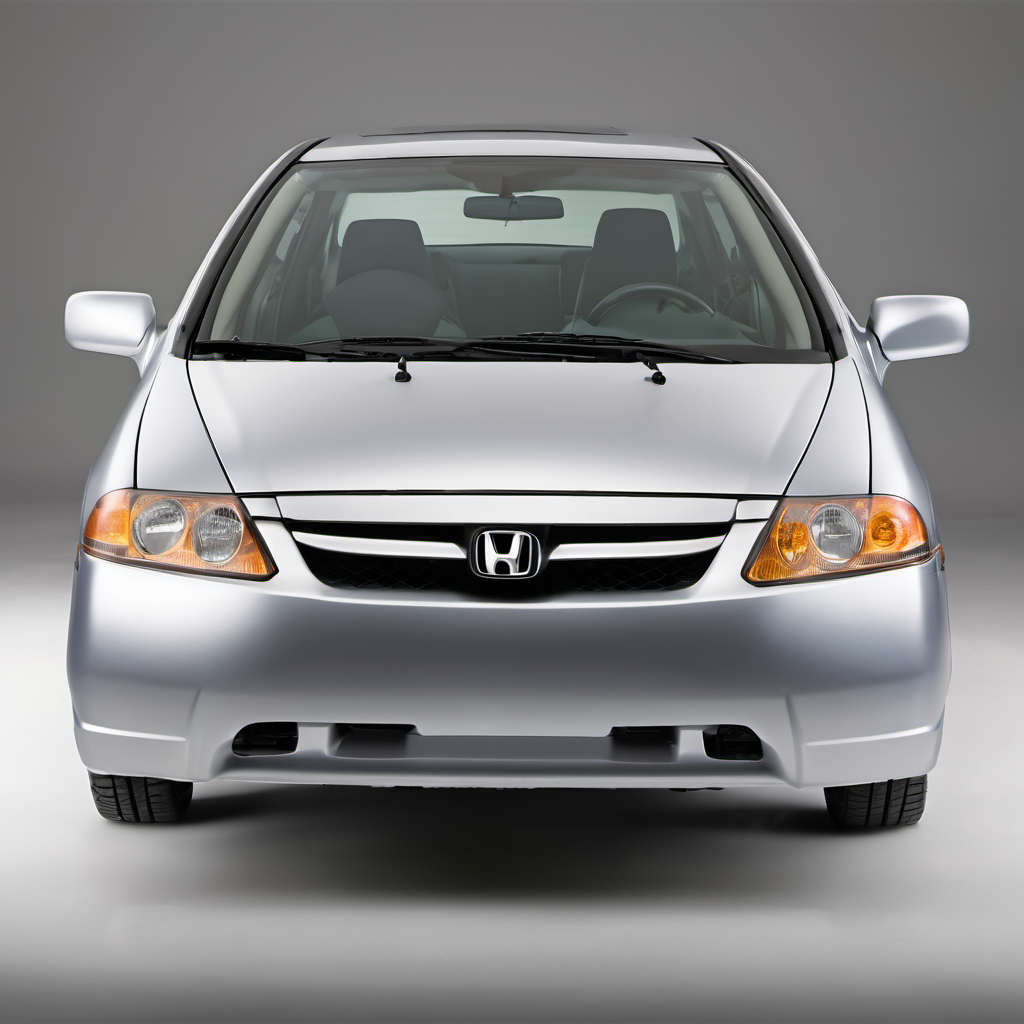
Shares the K20 engine family, similar sport coupe mission and price point, slightly more practical with a wider dealer network. The RSX and Civic Si were platform siblings — parts overlap is very high.
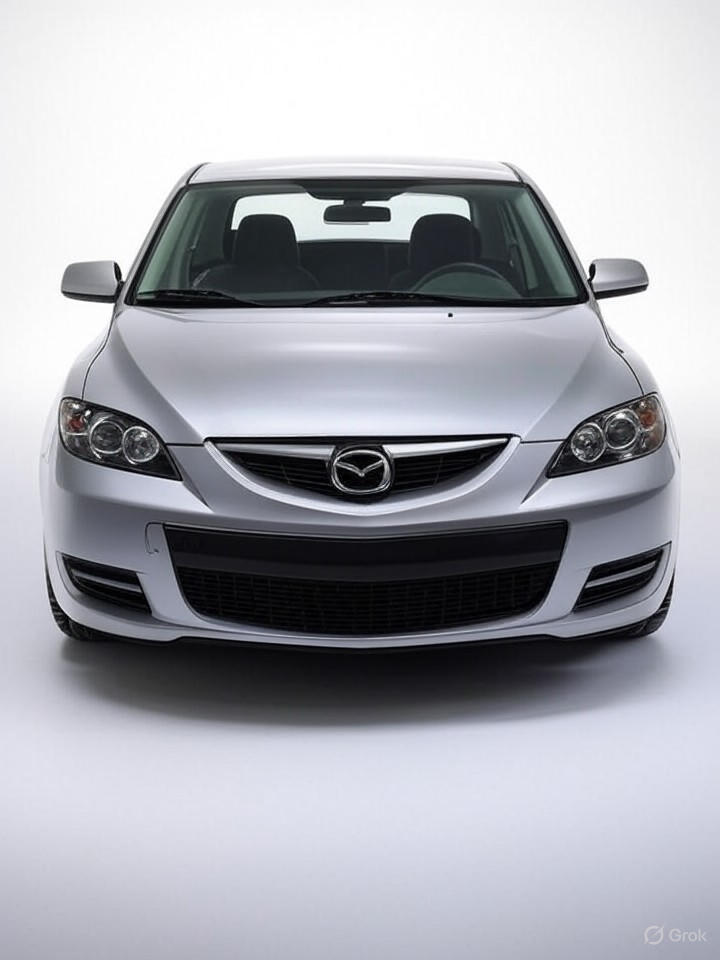
Similar FWD sport compact price bracket with a strong reliability record. The Mazdaspeed3 variant adds turbocharged performance for a similar total cost of ownership profile.
Another Japanese sport coupe of the same era with a high-revving 4-cylinder engine and enthusiast following. The Celica was discontinued in 2005, so used examples are in the same age and price band.
No catalog match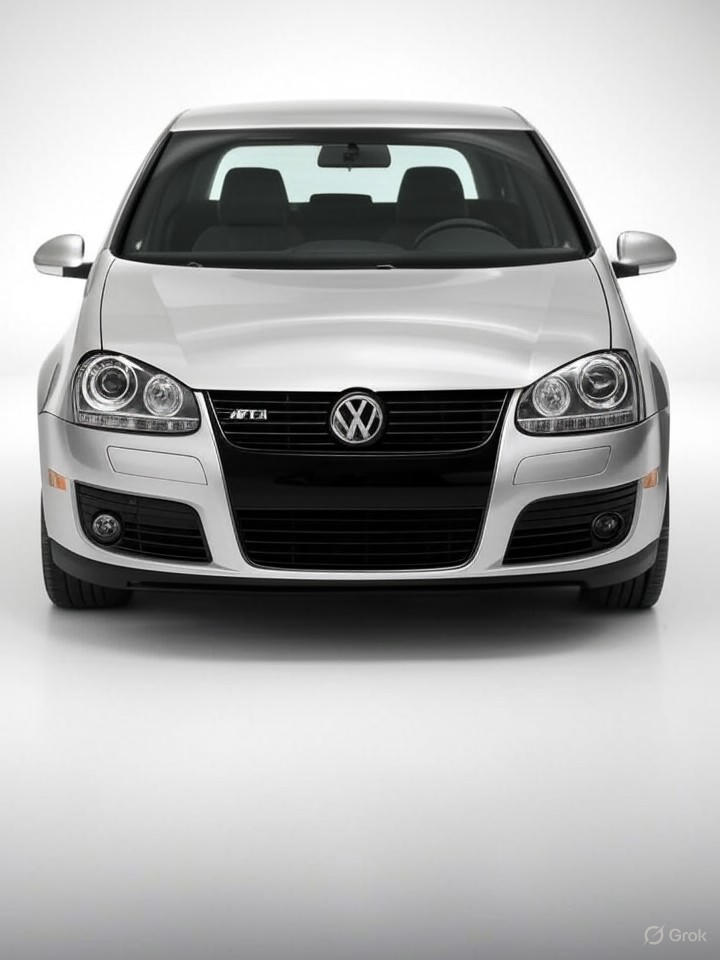
The Mk5 GTI offers similar sport coupe driving dynamics with a turbocharged 2.0T, but higher long-term maintenance costs and more complex electronics versus the straightforward RSX.