Timing Chain Tensioner Failure
high- Typically appears
- 60–120k mi
- Estimated repair
- $800 – $1,800

2006 Volkswagen
2.0L I4 Turbocharged FSI · Hatchback
The 2006 Volkswagen GTI marks the debut of the Mk5 generation — a significant step up from the Mk4. It introduced the 2.0T FSI turbocharged four-cylinder, a crisp 6-speed manual or optional DSG dual-clutch automatic, and an independent rear suspension that finally gave the GTI genuine handling credentials. The interior quality improved notably over its predecessor, with available sport seats, a tight driving position, and everyday practicality thanks to a usable rear seat and hatch. This generation quickly earned a loyal enthusiast following for its blend of performance and daily usability. However, being an early year of a new engine family (the EA113 2.0T FSI), it came with a handful of well-documented reliability concerns — primarily around the timing chain tensioner, cam follower wear, and carbon buildup on intake valves — that prospective owners must take seriously. For the right buyer who keeps up with maintenance and doesn't mind the occasional German-car repair bill, a well-maintained example offers real driving enjoyment. Neglected examples, however, can become money pits quickly. Oil change discipline is not optional on this car.
The 2006 Volkswagen GTI marks the debut of the Mk5 generation — a significant step up from the Mk4. It introduced the 2.0T FSI turbocharged four-cylinder, a crisp 6-speed manual or optional DSG dual-clutch automatic, and an independent rear suspension that finally gave the GTI genuine handling credentials. The interior quality improved notably over its predecessor, with available sport seats, a tight driving position, and everyday practicality thanks to a usable rear seat and hatch. This generation quickly earned a loyal enthusiast following for its blend of performance and daily usability. However, being an early year of a new engine family (the EA113 2.0T FSI), it came with a handful of well-documented reliability concerns — primarily around the timing chain tensioner, cam follower wear, and carbon buildup on intake valves — that prospective owners must take seriously. For the right buyer who keeps up with maintenance and doesn't mind the occasional German-car repair bill, a well-maintained example offers real driving enjoyment. Neglected examples, however, can become money pits quickly. Oil change discipline is not optional on this car.
The 2.0T FSI timing chain tensioner and HPFP cam follower are highly sensitive to oil quality and change intervals. VW's "longlife" 10k service intervals are not appropriate for this engine in normal driving. Use 5k mi intervals to protect these parts.
This is the single highest-return preventive maintenance item on the car. A worn follower destroys the camshaft lobe. It's a 30-minute job and parts are inexpensive.
DSG fluid degrades and causes shudder and rough shifts. This is frequently skipped by previous owners. Verify service history before purchase.
Worn plugs increase stress on ignition coils and can cause misfires under boost. Using the correct heat range plug is important on turbocharged direct-injection engines.
Direct injection carbon buildup on intake valves is unavoidable. Walnut blasting restores flow and resolves rough idle and hesitation. Plan for this as a scheduled service, not a repair.
Proactive replacement before failure is far less expensive than dealing with a jumped chain or engine damage. Any startup rattle on a cold engine is a warning sign — don't ignore it.
DOT 4 brake fluid absorbs moisture and degrades braking performance. This car has a sport suspension and sees spirited driving — fresh fluid matters.
Lake Geneva road salt is aggressive. The Mk5 GTI's underbody, subframe, and lower rocker panels are susceptible to rust. An annual inspection and touch-up with rust inhibitor extends the car's life significantly.
Always defer to the manufacturer's service manual for warranty-mandated intervals.
The GTI is not a budget car to own. Routine maintenance costs are moderate, but the 2.0T FSI's known weak points (cam follower, timing chain, carbon cleaning) mean you should budget for those services proactively. A well-maintained car with documented history will cost noticeably less to own than one where previous owners skipped oil changes or DSG services. Independent European shops will save you significant money over the dealer — this car has a strong independent service community.
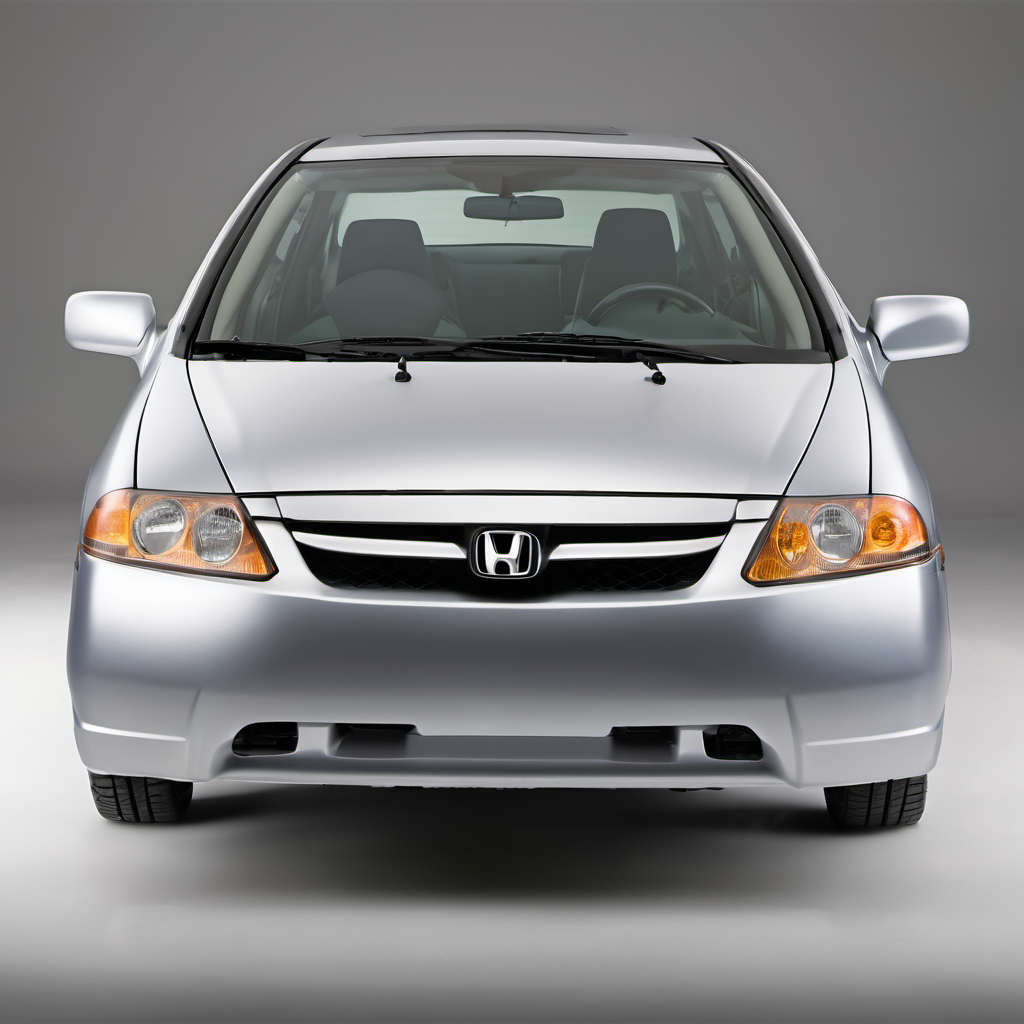
Same price point, same sport-compact hatchback mission. The Si's naturally aspirated K20 engine is significantly more reliable and easier to maintain, but lacks the GTI's torque and interior quality.
Turbocharged sport compact in the same era and price range. Offers AWD and more power, but the Mazdaspeed 6 has its own turbo and engine concerns. Better practicality, similar enthusiast character.
No catalog matchAWD turbocharged sport compact at a similar price. The WRX is more capable in Wisconsin winters, but has its own maintenance demands (turbo, head gaskets on some years). A genuine alternative if all-weather traction is a priority.
No catalog match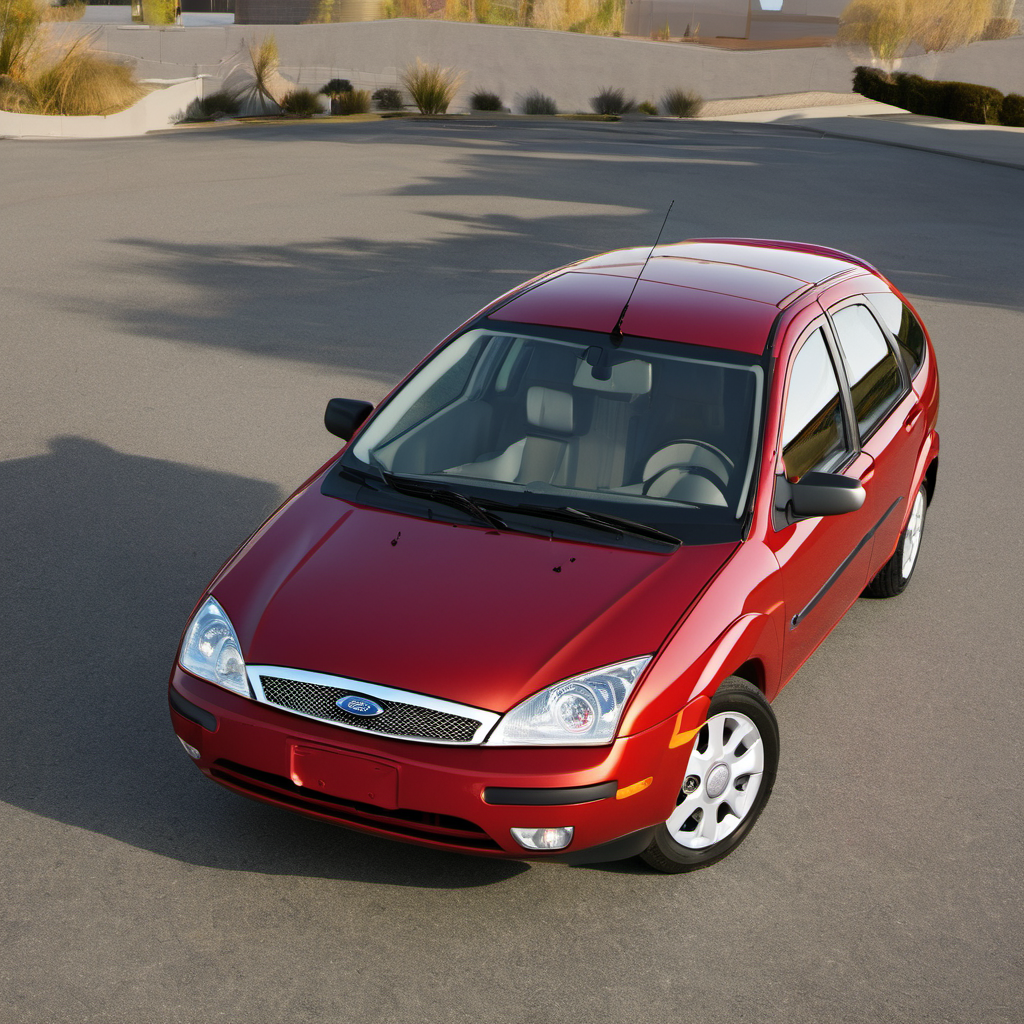
Not offered in the US in 2006, but the Focus ZX5 SVT was the closest Ford competitor — simpler, cheaper to maintain, and less powerful. Worth considering for buyers who want FWD sport hatch practicality with lower ownership costs.