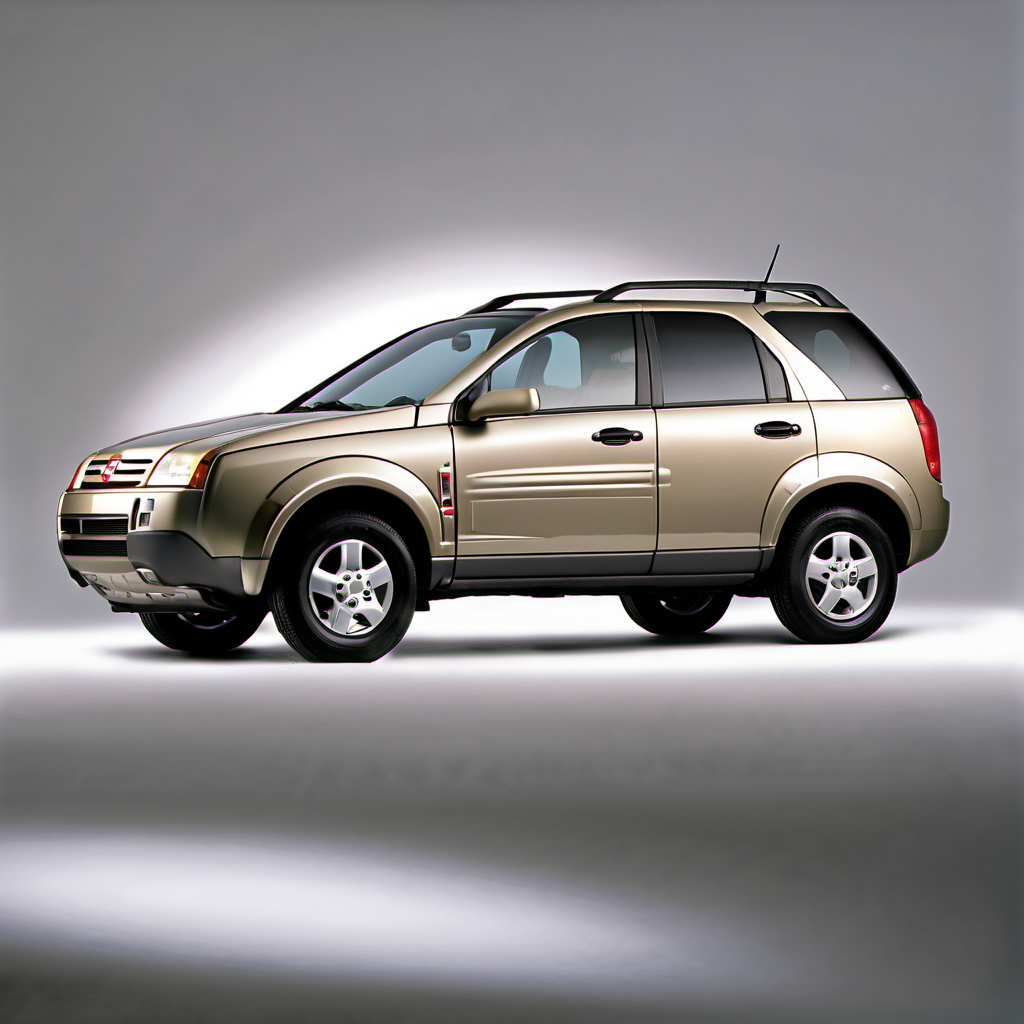
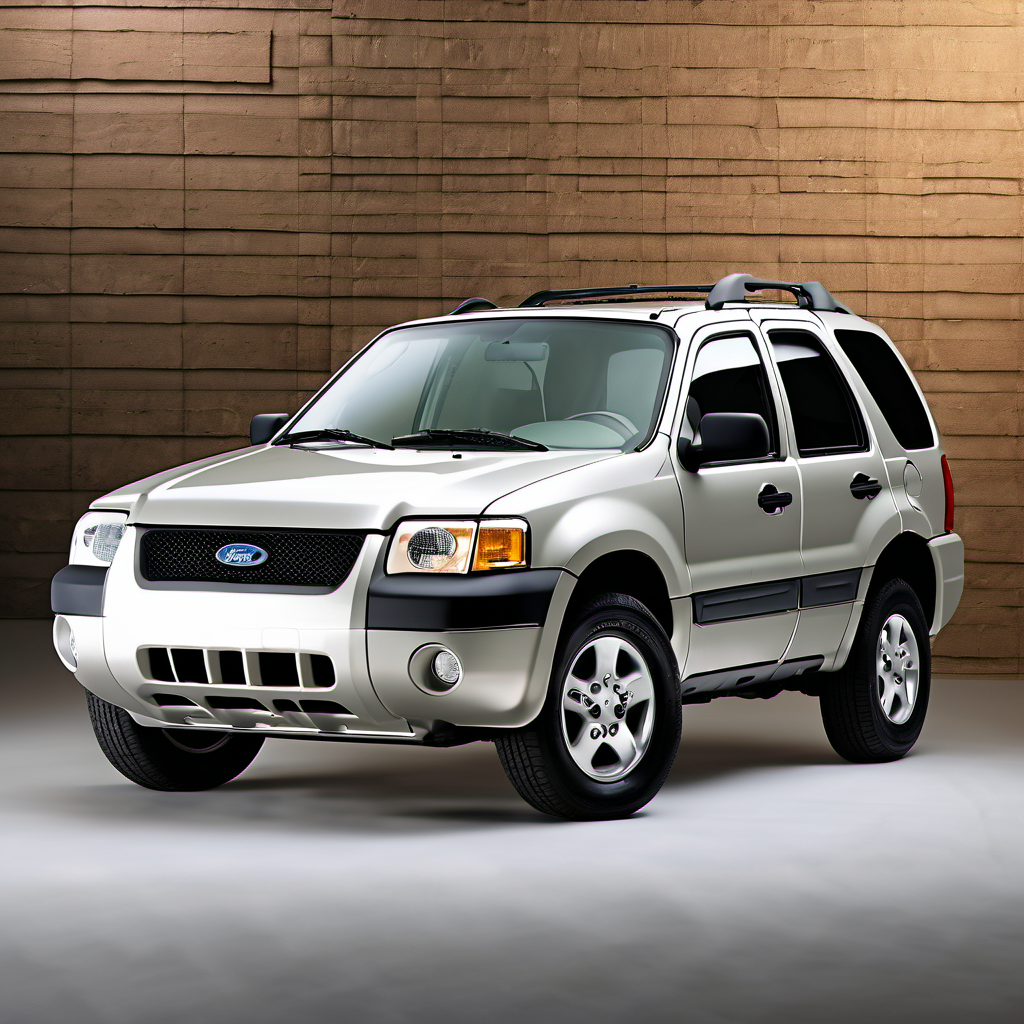
2005 Saturn VUE SUV

2005 Saturn

VUESUV

SUV

The 2005 Saturn VUE is a compact SUV built on GM's Delta platform and sold through Saturn's dealership network. It was one of the first crossover-style SUVs from GM, offering car-like ride quality in a small utility package. The base powertrain is a 2.2L Ecotec four-cylinder paired with a front-wheel-drive layout, making it an economical choice for light-duty hauling and daily commuting. The VUE was offered with multiple powertrain options in 2005, including a 3.5L Honda-sourced V6 and an optional AWD system, though the most common configuration is the 2.2L FWD. The Honda-engine variants tend to hold up better long-term than the GM 2.2L units. Interior quality was considered merely adequate for its era — functional, not luxurious. Saturn as a brand was discontinued by GM in 2010, which means dealer support is gone and some parts are increasingly hard to source. Independent shops familiar with GM platforms can still handle most repairs, but availability of body panels and certain trim pieces is shrinking.

Reliability
2/5
Verified data
Specs shown for Vue FWD — the most common configuration. Other trims may vary in engine, drivetrain, or fuel economy. Sign in to see your vehicle's exact specs.
Engine
[object Object]
Drivetrain
FWD
Fuel
Gasoline
MPG
20 city / 26 hwy / 22 combined
Seats
Doors
Body
Sport Utility Vehicle - 2WD

Overview

AI-curated

The 2005 Saturn VUE is a compact SUV built on GM's Delta platform and sold through Saturn's dealership network. It was one of the first crossover-style SUVs from GM, offering car-like ride quality in a small utility package. The base powertrain is a 2.2L Ecotec four-cylinder paired with a front-wheel-drive layout, making it an economical choice for light-duty hauling and daily commuting. The VUE was offered with multiple powertrain options in 2005, including a 3.5L Honda-sourced V6 and an optional AWD system, though the most common configuration is the 2.2L FWD. The Honda-engine variants tend to hold up better long-term than the GM 2.2L units. Interior quality was considered merely adequate for its era — functional, not luxurious. Saturn as a brand was discontinued by GM in 2010, which means dealer support is gone and some parts are increasingly hard to source. Independent shops familiar with GM platforms can still handle most repairs, but availability of body panels and certain trim pieces is shrinking.

Known for
  • Car-like crossover ride and handling for its era
  • Fuel-efficient 2.2L Ecotec four-cylinder
  • Available Honda-sourced V6 (more reliable long-term)
  • Compact footprint — easy to park and maneuver
  • Saturn brand loyalty and straightforward ownership
Best for
  • Budget-conscious buyers needing basic SUV utility
  • Light commuters who want better fuel economy than a truck-based SUV
  • Buyers comfortable with DIY or independent-shop maintenance
  • Low-mileage urban or suburban driving
Watch for
  • Saturn brand is defunct — some OEM parts are hard to find
  • CVT (if equipped) is known for early failure
  • Rust on underbody, frame rails, and wheel wells — especially in Wisconsin
  • Oil consumption issues on the 2.2L Ecotec
  • Check engine lights related to VVT/camshaft solenoids on higher-mileage examples

Common issues by mileage

6 known

CVT Transmission Failure

high
Typically appears
60–120k mi
Estimated repair
$2,500 – $5,000

Oil Consumption — 2.2L Ecotec

medium
Typically appears
80–150k mi
Estimated repair
$100 – $1,800

Camshaft Position / VVT Solenoid Faults

medium
Typically appears
70–130k mi
Estimated repair
$150 – $600

Oxygen Sensor / Heater Circuit Failure

medium
Typically appears
80–150k mi
Estimated repair
$150 – $400

Underbody Rust — Frame Rails, Brake Lines, and Wheel Wells

high
Typically appears
Any mileage on Wisconsin/salt-belt vehicles
Estimated repair
$300 – $3,000

Power Steering Pump Noise and Leaks

medium
Typically appears
90–140k mi
Estimated repair
$200 – $550

Maintenance schedule

  1. 1
    Every 5,000 mi or 6 months — do not rely on oil life monitor alone on a vehicle this age Engine oil and filter change

    The 2.2L Ecotec is prone to oil consumption and sludge if intervals are stretched. Fresh oil is the cheapest engine insurance you can buy.

  2. 2
    Every 30,000 mi on a used example with unknown history — then every 45,000 mi Transmission fluid service (automatic)

    GM 4-speed automatics can last well past 150k mi with clean fluid. If it's a CVT, have the fluid inspected and the unit evaluated by a shop before any long-term commitment.

  3. 3
    Every 5 years or 100,000 mi Coolant flush and fill

    GM Dex-Cool can turn acidic past its service life and corrode the water pump, radiator, and intake gaskets. On a 2005, the coolant is well overdue if not recently serviced.

  4. 4
    Every 2–3 years Brake fluid flush

    Brake fluid absorbs moisture over time, lowering its boiling point and accelerating corrosion in brake lines — a real concern on salt-belt vehicles.

  5. 5
    Every spring after Wisconsin winter Underbody inspection and brake line check

    Road salt aggressively attacks brake lines, fuel lines, and the subframe. Catch rust before it becomes a safety failure or a budget-buster.

  6. 6
    Every 60,000 mi or at first sign of squealing Serpentine belt and tensioner inspection

    A failed belt on this engine kills the water pump drive, leading to rapid overheating. Tensioners on aging Ecotec engines can wear quietly.

  7. 7
    Every 60,000 mi Spark plugs replacement

    The 2.2L Ecotec uses iridium plugs that can seize in the head if left too long. Change on schedule and use anti-seize on installation.

  8. 8
    Every fall before winter season Battery load test

    A battery that tests marginal in October will fail in a January cold snap in Lake Geneva. Proactive testing saves a roadside call.

Always defer to the manufacturer's service manual for warranty-mandated intervals.

Cost of ownership

Annual maintenance
$600 – $1,400
Fuel
At 22 MPG combined and ~15,000 mi/yr, expect roughly $1,800–$2,200/year in fuel at current Midwest prices. Not cheap for a compact SUV, but acceptable.
Insurance
Typically low to moderate — this is a modest-value older SUV with limited collision exposure. Expect $900–$1,400/year for full coverage depending on driver profile.

The VUE is inexpensive to insure and reasonably cheap to fuel. Routine maintenance is affordable at an independent shop since the 2.2L Ecotec is a well-known GM engine. The big wildcard is the transmission — a CVT replacement can cost more than the vehicle is worth, and rust repairs on a salt-belt car can add up quickly. Budget for surprises on any example over 100k miles.
Seasonal care

Lake Geneva, WI
Winter
  • Test the battery every fall — sub-zero starts will expose any weakness in a marginal battery immediately.
  • Switch to a full-synthetic 5W-30 if not already used; it flows better at cold start and protects the Ecotec during those critical first seconds of a January morning.
  • Inspect and treat all underbody brake lines and fuel lines with a rust inhibitor before the first salt application. The VUE's underbody is already 20 years old.
  • Use a rated winter washer fluid (rated to at least -20°F) and keep the reservoir full — Wisconsin road spray is constant.
  • Check tire tread depth and consider a dedicated winter tire set; the FWD layout is workable in snow but benefits greatly from proper rubber.
  • Keep at least a half tank of fuel to prevent fuel line moisture and ensure you're not stranded if you're delayed in cold weather.
Summer
  • Inspect the A/C system for refrigerant charge and compressor clutch engagement — the system is 20 years old and leaks are common in aging rubber hoses.
  • Check tire pressure monthly; tires gain roughly 1 PSI for every 10°F increase in temperature, which can lead to overinflation and uneven wear in summer heat.
  • Inspect the coolant level and hose condition — heat soak in stop-and-go traffic will expose a weak radiator cap or tired hose quickly on a high-mileage Ecotec.
  • Clean any debris (leaves, dirt) from the cowl and air inlet to prevent overheating and keep cabin air quality clean.

Comparable vehicles

If you're shopping for one

Red flags
  • CVT transmission with no service history or any slipping/shudder sensation — walk away.
  • Any signs of rust perforation on brake lines or the subframe — repair cost can exceed vehicle value.
  • Blue or gray exhaust smoke at startup or under acceleration — indicates oil consumption that may require engine work.
  • Check engine light that the seller explains away without a proper scan — get the codes pulled.
  • Missing service records entirely on a vehicle this age — no way to know if coolant, trans fluid, or timing components have ever been touched.
What to inspect
  • Have the transmission type confirmed before purchase — CVT-equipped VUEs are significantly higher risk and the fluid condition/service history must be verified.
  • Put the vehicle on a lift and inspect all brake lines, fuel lines, subframe, and wheel well seams for rust perforation — this is the single most important check on any Wisconsin-area VUE.
  • Check oil level and look for signs of sludge on the oil cap and dipstick — oil consumption and neglect are common on aging 2.2L Ecotecs.
  • Test all electrical systems including windows, locks, and HVAC blower — Saturn electrical gremlins become harder to diagnose as the brand fades.
  • Request a scan for any stored or pending DTCs before purchase; camshaft/VVT codes (P0012, P0015, P0026, P0027) on a used example signal deferred maintenance or oil neglect.
AI profile generated 11 days ago · claude-sonnet-4-6 · v2.