Intake Manifold Gasket Failure (Lower Intake)
high- Typically appears
- 60–120k mi
- Estimated repair
- $400 – $750
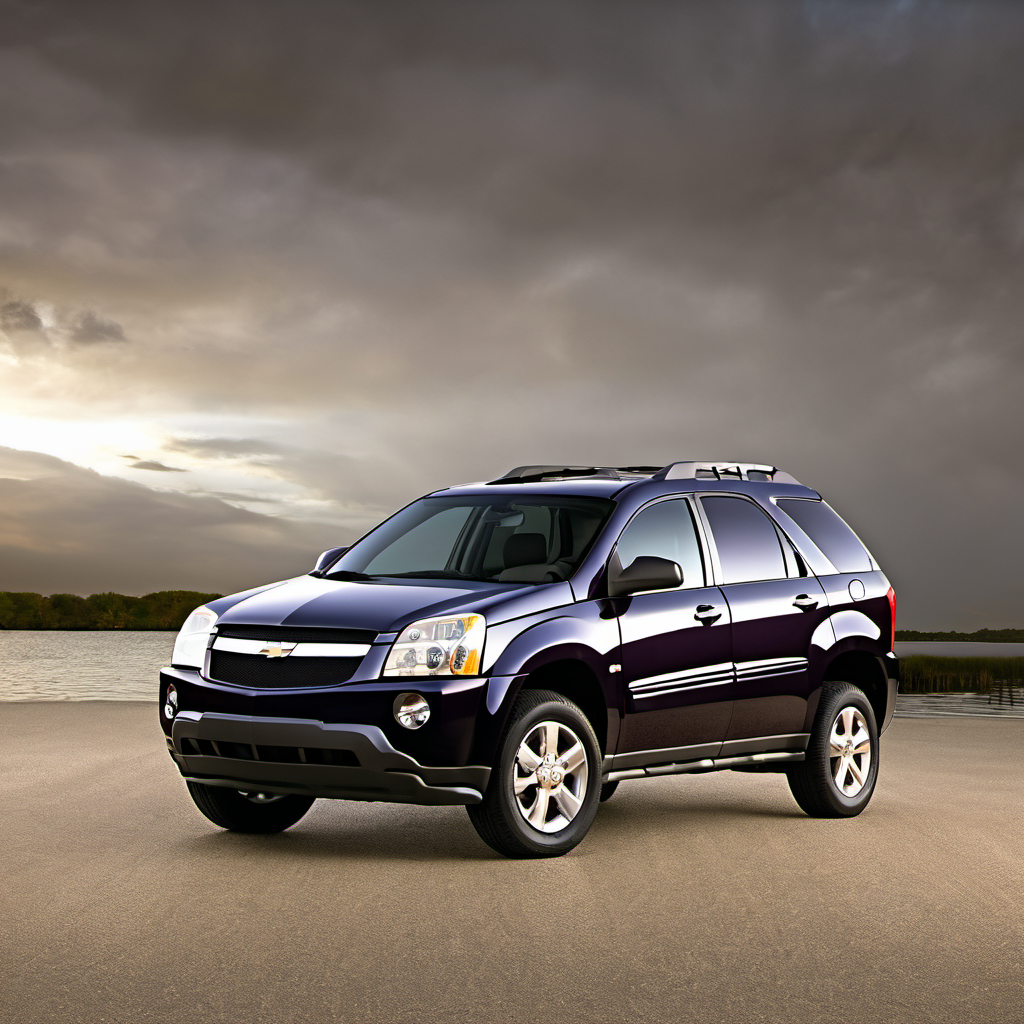
2005 Chevrolet
SUV
The 2005 Chevrolet Equinox was GM's first-generation entry into the compact crossover SUV segment, built on the Delta platform and assembled in Ingersoll, Ontario. It slotted between a car-based crossover and a traditional SUV, offering a roomy interior — particularly in the rear seat, which could slide fore and aft — at an affordable price point. The standard engine was GM's 3.4L V6, shared with several other GM vehicles of the era. For 2005, the Equinox was a relatively new model (introduced for 2005 as a 2005 model year, with the nameplate launching in 2004 as a 2005 model). It targeted buyers who wanted SUV utility without the bulk of a truck-based vehicle. FWD was standard; AWD was available. The interior space and sliding rear seat were genuine selling points for families. Now pushing 20 years old, these first-gen Equinoxes have aged roughly. The 3.4L V6 has known head gasket and intake manifold gasket issues, and many examples have significant rust on the undercarriage — a serious concern in Wisconsin's salt-heavy winters. Buyers should approach a used example with realistic expectations and a thorough inspection.
The 2005 Chevrolet Equinox was GM's first-generation entry into the compact crossover SUV segment, built on the Delta platform and assembled in Ingersoll, Ontario. It slotted between a car-based crossover and a traditional SUV, offering a roomy interior — particularly in the rear seat, which could slide fore and aft — at an affordable price point. The standard engine was GM's 3.4L V6, shared with several other GM vehicles of the era. For 2005, the Equinox was a relatively new model (introduced for 2005 as a 2005 model year, with the nameplate launching in 2004 as a 2005 model). It targeted buyers who wanted SUV utility without the bulk of a truck-based vehicle. FWD was standard; AWD was available. The interior space and sliding rear seat were genuine selling points for families. Now pushing 20 years old, these first-gen Equinoxes have aged roughly. The 3.4L V6 has known head gasket and intake manifold gasket issues, and many examples have significant rust on the undercarriage — a serious concern in Wisconsin's salt-heavy winters. Buyers should approach a used example with realistic expectations and a thorough inspection.
Degraded Dex-Cool turns acidic and attacks the intake manifold and head gaskets — the 3.4L V6's most common and costly failure. Fresh coolant is the cheapest insurance you can buy on this engine.
Catching a weeping lower intake gasket early is a $400–750 fix. Letting it go internal means a much larger head gasket job.
A slack timing chain or worn tensioner will produce a rattle for 1–3 seconds on cold startup. Addressing it promptly avoids a jumped chain and potential engine damage.
Road salt is brutal on this generation. Soft brake or fuel lines are a safety emergency. Catch rust perforation before it becomes a failure.
Power steering hoses on this platform are prone to seeping at fittings. Low fluid accelerates rack wear and can lead to sudden loss of assist.
The 5-speed automatic responds well to clean fluid. GM's 'lifetime' designation does not reflect real-world longevity in older examples.
Sub-zero Lake Geneva temps expose weak batteries fast. The 3.4L V6 demands a strong crank in cold weather. Replace any battery showing marginal load capacity before November.
Worn plugs increase misfires on the 3.4L and can contribute to rough idle and decreased fuel economy. The engine is accessible enough to make this a reasonable DIY or low-cost shop task.
Always defer to the manufacturer's service manual for warranty-mandated intervals.
The Equinox looks cheap to buy at this age, but ownership costs can spike if deferred maintenance catches up with you. Budget for at least one significant engine or undercarriage repair in the first two years of ownership. Routine upkeep is affordable; surprise repairs are not. An independent pre-purchase inspection is money well spent.
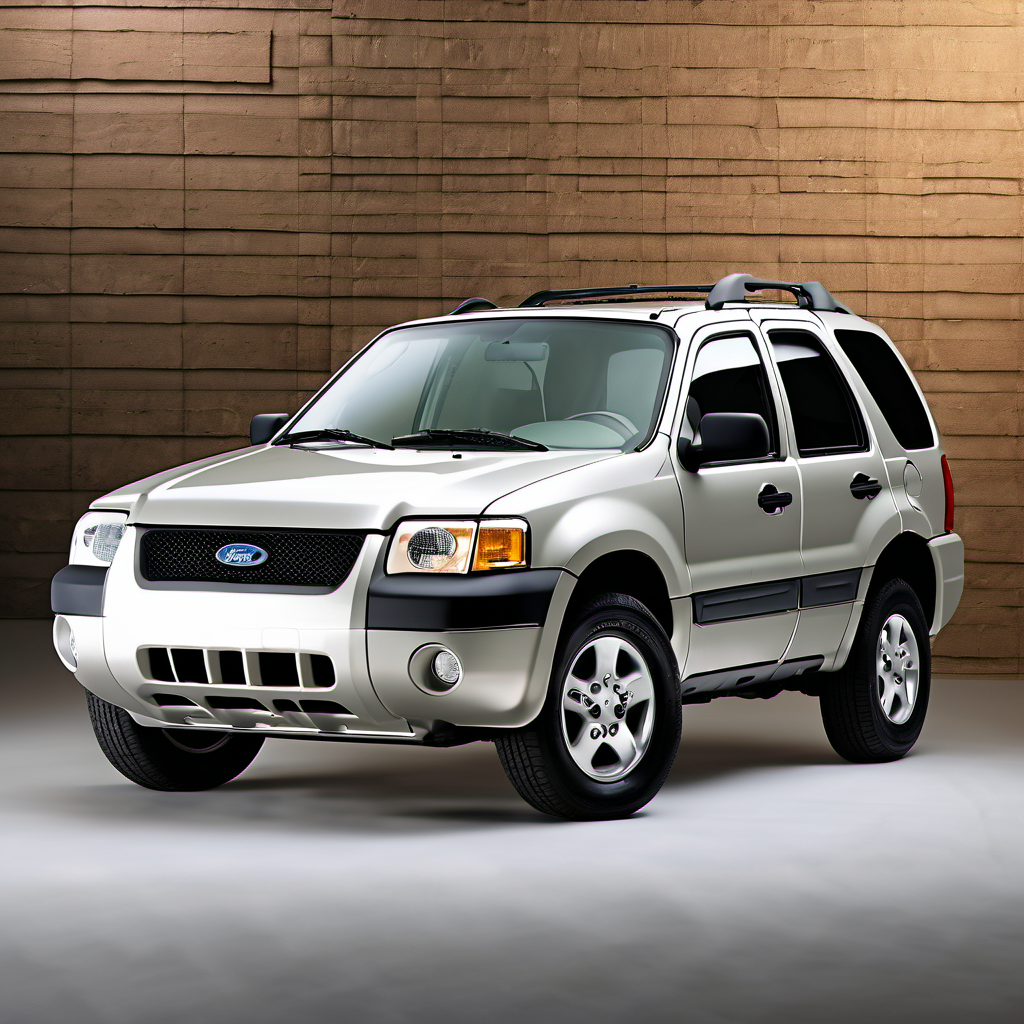
Same era compact crossover, similar pricing, V6 option available, generally stronger reliability reputation than the Equinox — especially the 3.0L Duratec V6.
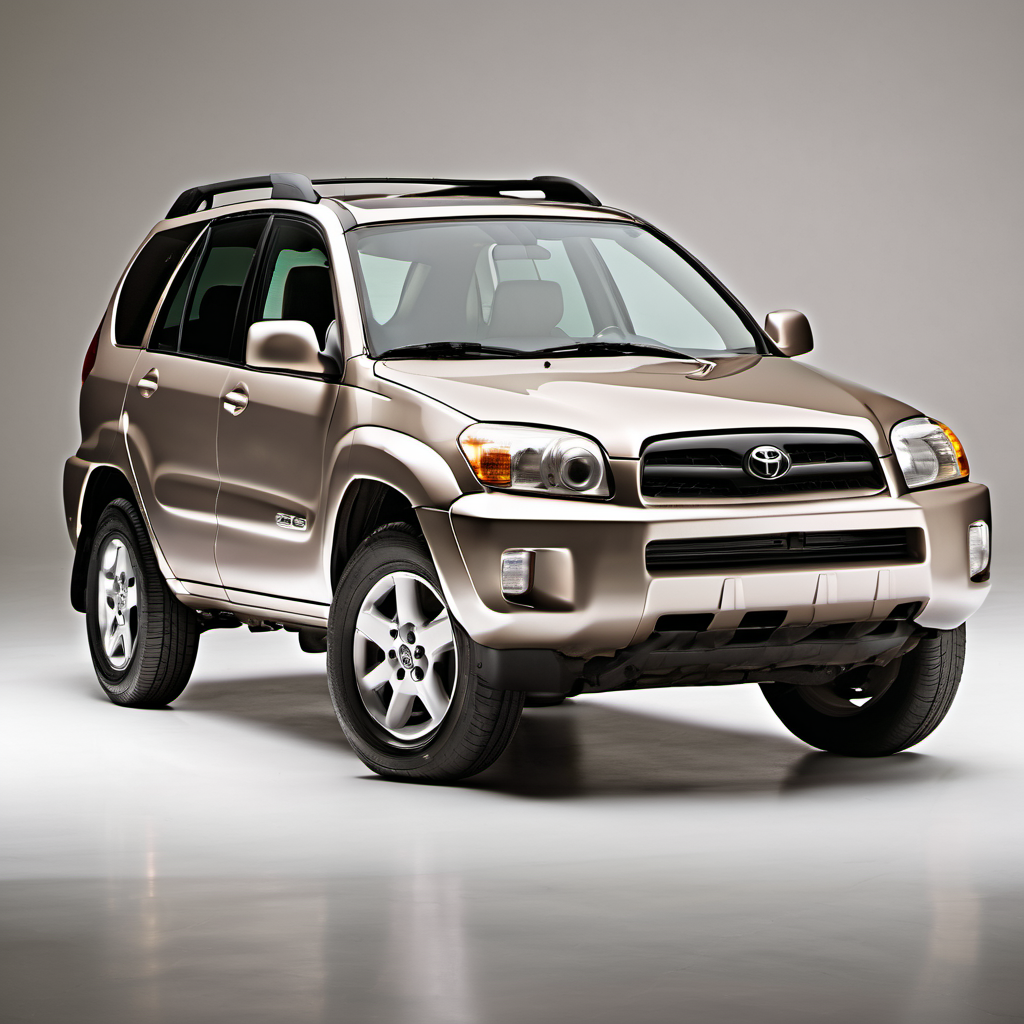
Smaller footprint but significantly better long-term reliability. A well-kept 2005 RAV4 often outlasts the Equinox with fewer major repairs.
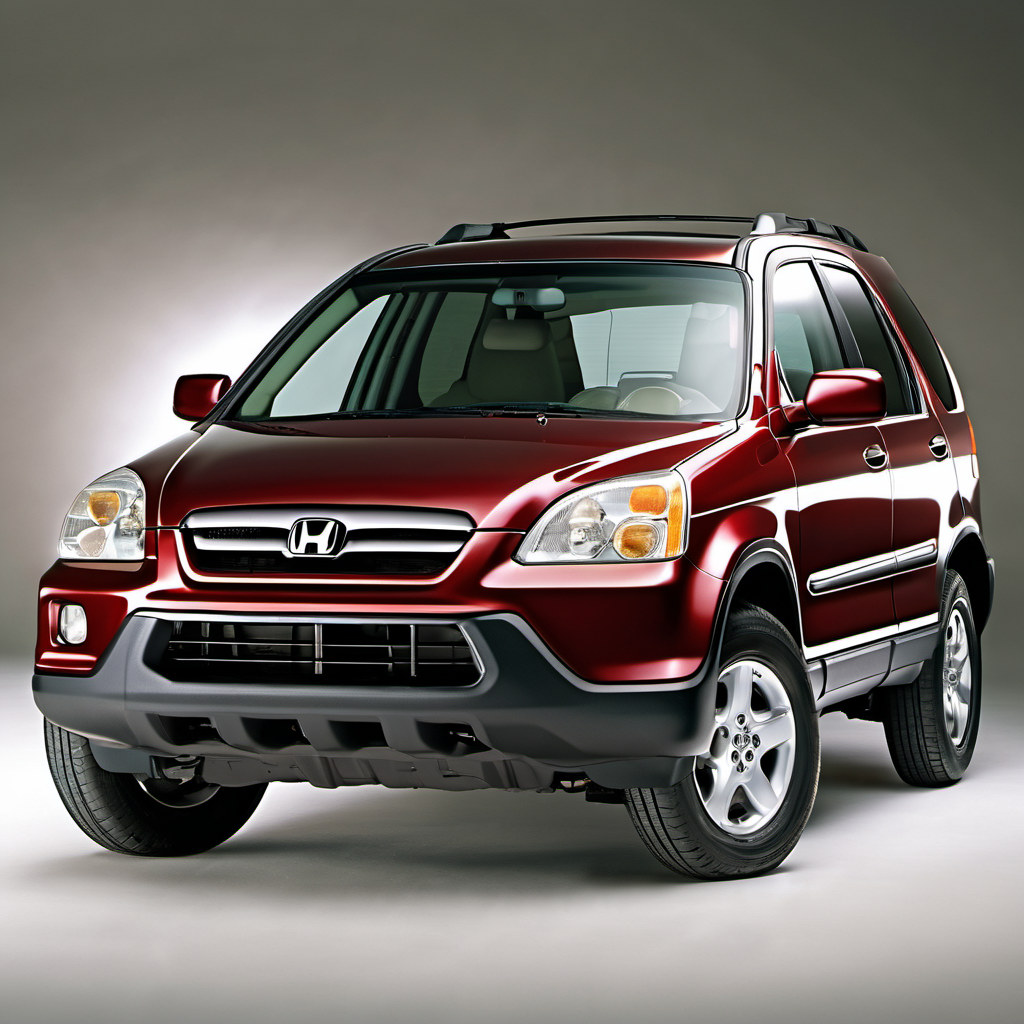
A go-to alternative in this segment. The CR-V's 2.4L I4 is less powerful but far more durable than the Equinox's 3.4L V6, and rust resistance is better.
Mechanically identical to the Equinox (same platform, same engine, same issues) but listed here so buyers know it shares all the same problems — not a safer alternative.
No catalog match