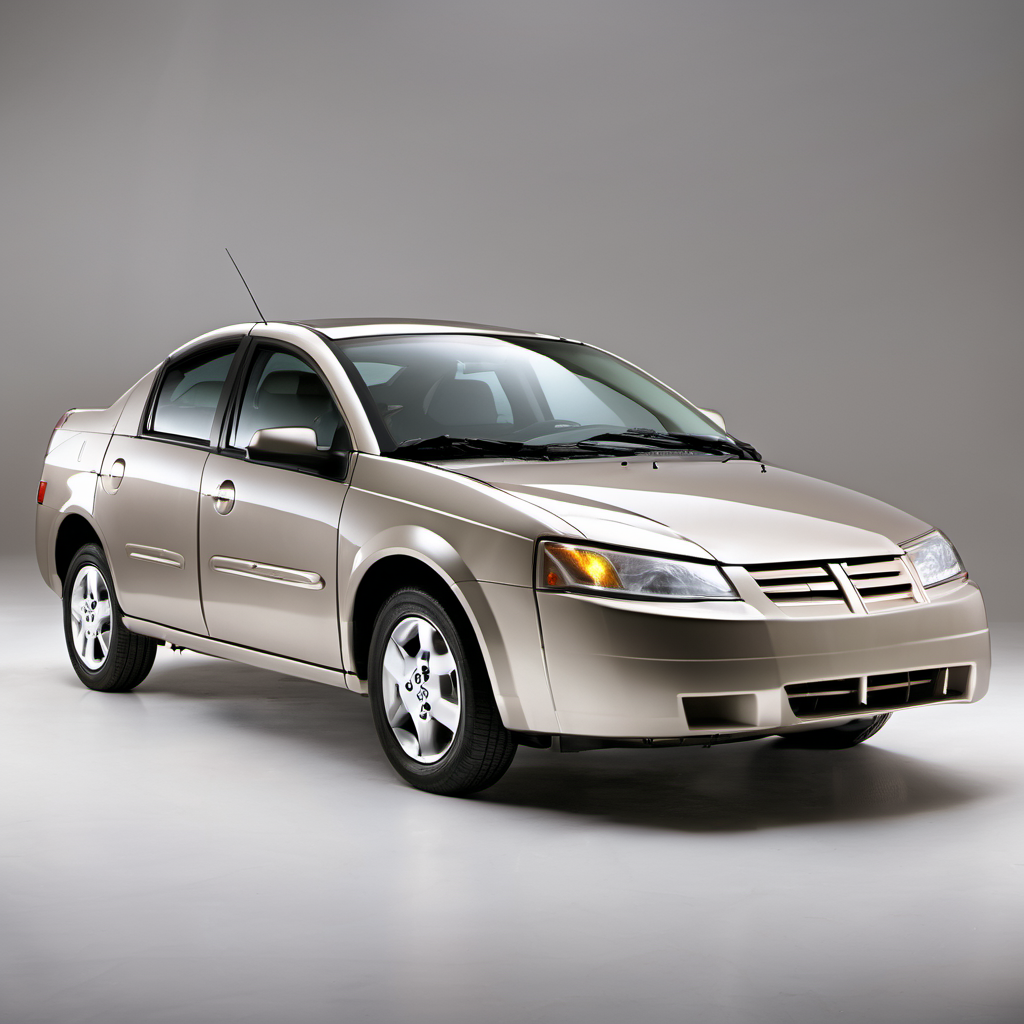
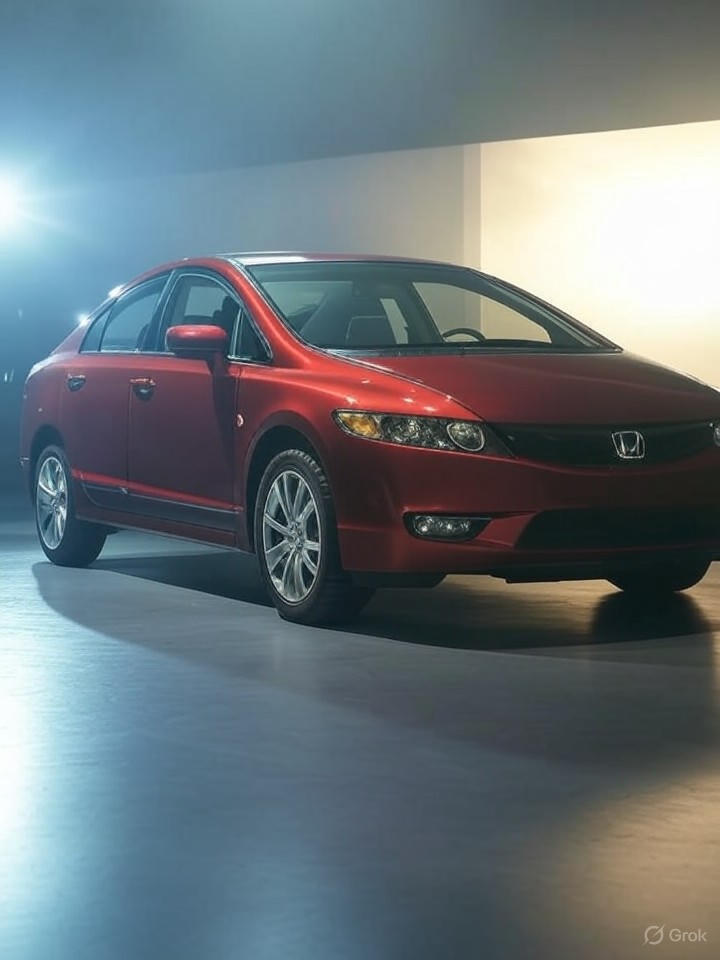
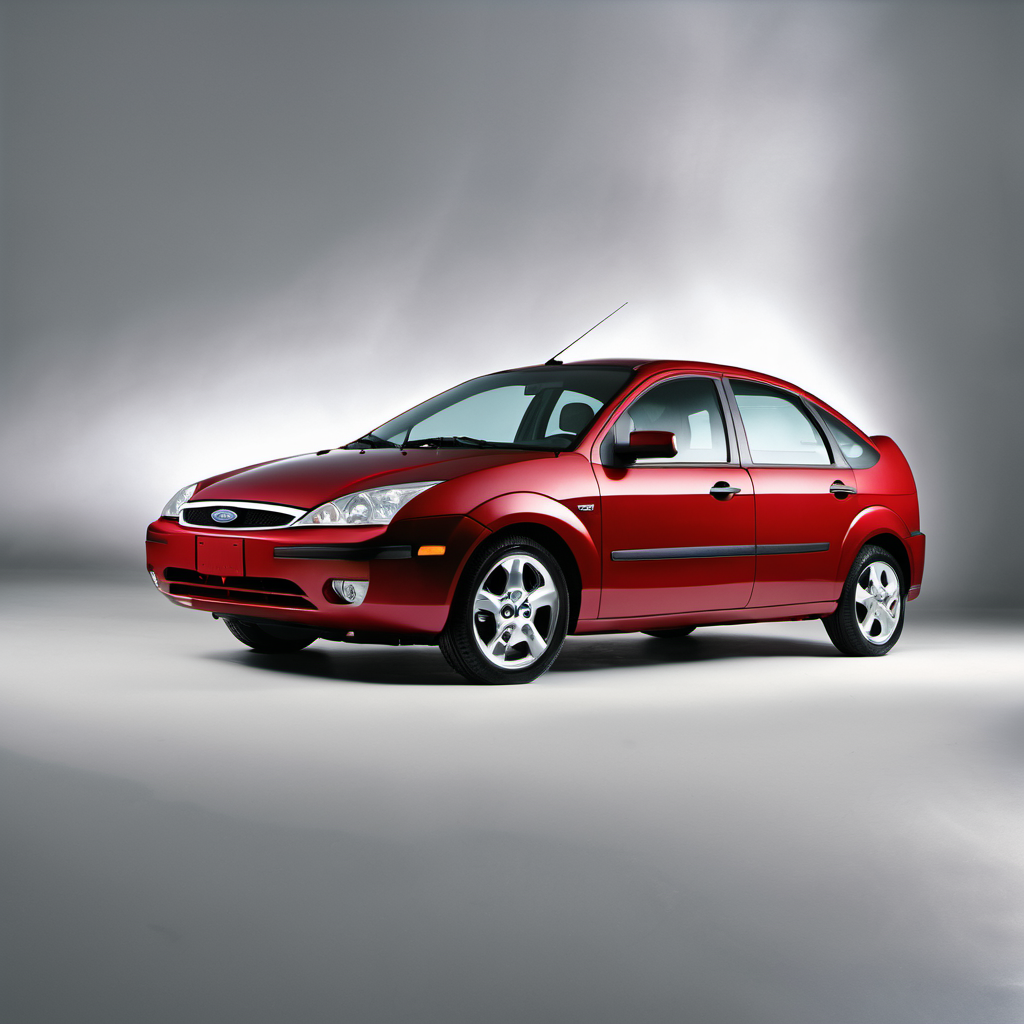
2005 Saturn Ion Sedan

2005 Saturn

IonSedan

Sedan

The 2005 Saturn Ion is a compact front-wheel-drive sedan built on GM's Delta platform and sold as part of Saturn's second-generation lineup. It replaced the S-Series and was positioned as an affordable, no-frills commuter. Base models used a 2.2L Ecotec four-cylinder, while the uplevel Ion Red Line received a supercharged 2.0L making 205 hp — the supplied specs point to that supercharged engine. The Ion earned a modest reputation as a practical, fuel-efficient daily driver with low purchase prices. It was not known for exciting dynamics or premium interior quality, but owners who kept up on maintenance generally got reasonable mileage out of them. Parts availability is increasingly limited as Saturn was discontinued in 2010, which is the biggest long-term ownership concern. By 2025, most surviving Ions are high-mileage examples. The supercharged Red Line variant is the more desirable used buy but also brings higher maintenance complexity. Budget buyers should weigh parts sourcing carefully before purchasing.

Reliability
2/5
Verified data
Specs shown for Ion — the most common configuration. Other trims may vary in engine, drivetrain, or fuel economy. Sign in to see your vehicle's exact specs.
Engine
[object Object]
Drivetrain
FWD
Fuel
Premium gasoline
MPG
20 city / 27 hwy / 23 combined
Seats
Doors
Body
Compact Cars

Overview

AI-curated

The 2005 Saturn Ion is a compact front-wheel-drive sedan built on GM's Delta platform and sold as part of Saturn's second-generation lineup. It replaced the S-Series and was positioned as an affordable, no-frills commuter. Base models used a 2.2L Ecotec four-cylinder, while the uplevel Ion Red Line received a supercharged 2.0L making 205 hp — the supplied specs point to that supercharged engine. The Ion earned a modest reputation as a practical, fuel-efficient daily driver with low purchase prices. It was not known for exciting dynamics or premium interior quality, but owners who kept up on maintenance generally got reasonable mileage out of them. Parts availability is increasingly limited as Saturn was discontinued in 2010, which is the biggest long-term ownership concern. By 2025, most surviving Ions are high-mileage examples. The supercharged Red Line variant is the more desirable used buy but also brings higher maintenance complexity. Budget buyers should weigh parts sourcing carefully before purchasing.

Known for
  • Low original purchase price and low insurance costs
  • Supercharged 2.0L Ecotec in Red Line trim delivers strong performance for the class
  • Quirky center-mounted instrument cluster and rear suicide-style doors on quad coupe body
  • Decent fuel economy in base trim; supercharged models are thirstier
  • GM Ecotec engine family with broad parts crossover to Cobalt and HHR
Best for
  • Budget-conscious commuters who prioritize low cost of entry
  • DIY mechanics comfortable sourcing GM Ecotec parts
  • City drivers who want a compact, maneuverable car
  • Enthusiasts looking for an affordable Red Line project car
Watch for
  • Saturn brand discontinuation means dealer support is gone — parts must come from aftermarket or GM crossovers
  • Supercharged engine requires premium fuel and adds maintenance complexity
  • Interior materials aged poorly; electrical gremlins are common on high-mileage examples
  • Rust on rocker panels, wheel wells, and subframe is a serious concern on Wisconsin cars

Common issues by mileage

6 known

Ignition switch failure / key getting stuck or unexpected stall

high
Typically appears
Any mileage
Estimated repair
$150 – $350

Supercharger belt wear / squealing and loss of boost

high
Typically appears
60–100k mi
Estimated repair
$200 – $500

Electric power steering pump failure (loss of assist)

medium
Typically appears
80–130k mi
Estimated repair
$400 – $900

Cam phaser / VVT solenoid fault causing timing over-retard

medium
Typically appears
70–120k mi
Estimated repair
$150 – $600

Oxygen sensor heater circuit failure causing rough idle and poor fuel economy

medium
Typically appears
80–150k mi
Estimated repair
$100 – $300

Subframe and rocker panel rust (Wisconsin/salt-belt specific)

high
Typically appears
Any mileage on salt-belt cars
Estimated repair
$500 – $3,000

Maintenance schedule

  1. 1
    Every 30,000 miles or at first sign of squealing Supercharger belt inspection and replacement

    The LSJ supercharger runs a dedicated ribbed belt separate from the accessory belt. When it goes, you lose boost immediately and can damage the supercharger snout if the shredded belt contacts other components.

  2. 2
    Every 5,000 miles or 6 months Oil changes with correct 5W-30 full synthetic

    The supercharged Ecotec runs hotter and under more stress than the base 2.2L. Fresh, clean oil is critical to keeping the supercharger bearings and cam phasers healthy.

  3. 3
    Every 30,000 miles (iridium plugs) or 15,000 miles (standard) Spark plug replacement

    Worn plugs on a boosted engine cause misfires that can be hard to diagnose. Stick to the OEM-specified plug gap — boosted engines are sensitive to this.

  4. 4
    Every 50,000 miles or 5 years Coolant flush and intercooler coolant circuit check

    The Red Line uses a separate liquid-to-air intercooler with its own small coolant reservoir. This circuit is often overlooked, leading to degraded charge cooling and heat soak.

  5. 5
    Every 2 years Brake fluid flush

    Brake fluid absorbs moisture over time, lowering its boiling point. In Wisconsin winters where brakes are worked hard on slippery roads, fresh fluid is cheap insurance.

  6. 6
    Every spring, after winter salt season Underbody and rocker panel rust inspection

    The Ion's rocker panels and subframe mounting points are known rust targets on northern cars. Catching surface rust early and treating it prevents structural rot that can make the car unsafe or unsalvageable.

  7. 7
    Every fall, before cold weather sets in Battery load test

    Cold cranking a supercharged engine on a weak battery is hard on the starter and can leave you stranded. Batteries typically last 4–5 years; test before Wisconsin winters, not after.

  8. 8
    Every 6,000–7,500 miles Tire rotation and brake inspection

    FWD cars wear front tires faster. The Ion's front-biased weight distribution from the supercharged engine accelerates this. Regular rotation extends tire life and keeps handling predictable in winter conditions.

Always defer to the manufacturer's service manual for warranty-mandated intervals.

Cost of ownership

Annual maintenance
$600 – $1,400
Fuel
Premium fuel required for the supercharged Red Line; plan on roughly $200–$300/month depending on driving habits and pump prices. The 23 MPG combined rating is real-world attainable at moderate driving.
Insurance
Generally low — compact, older vehicle with low book value. Expect $700–$1,100/year for a typical driver in the Lake Geneva area, though the Red Line's performance classification may push rates slightly higher than the base Ion.

The Ion is a low-cost-of-entry vehicle, but the supercharged Red Line trim changes the ownership math. Premium fuel, supercharger-specific maintenance, and declining parts availability push annual costs higher than the base model. Budget $800–$1,200/year for routine upkeep in good condition; add a repair buffer for the electrical and rust issues common to these ages. A well-maintained example is still affordable to own, but deferred maintenance catches up fast on these cars.
Seasonal care

Lake Geneva, WI
Winter
  • Switch to a winter-rated windshield washer fluid rated to at least -30°F — Lake Geneva road spray is constant from November through March and regular fluid will freeze on the windshield.
  • Have the battery load-tested every fall. Cold weather and the extra electrical draw of a supercharged engine at startup will expose a weak battery fast.
  • Flush and top off coolant to the correct mixture (50/50 at minimum, up to 70/30 antifreeze in extreme cold). Don't forget the intercooler's separate coolant reservoir if equipped.
  • Install dedicated winter tires. The Ion's FWD helps in light snow, but the Red Line's power can easily overwhelm all-season tires on packed snow or ice.
  • Apply an underbody wash every 4–6 weeks through winter to flush road salt from the subframe, rocker panels, and brake lines before rust takes hold.
  • Check door and trunk seals for cracking. Worn seals allow moisture into the cabin, which can cause floor rust and electrical corrosion in a car this age.
Summer
  • Check tire pressure monthly — tires lose and gain roughly 1 PSI per 10°F of temperature change. Overinflated summer tires reduce grip in emergency maneuvers.
  • Inspect the A/C system for refrigerant charge and cabin filter condition. The Ion's HVAC system is basic and a clogged cabin filter will noticeably reduce cooling in July heat.
  • Watch for heat soak on the supercharged engine during stop-and-go driving. If the intercooler coolant reservoir is low, charge cooling drops and knock can occur. Check it at every oil change.
  • Inspect and replace wiper blades before summer storm season — winter blades harden in cold weather and streak badly by spring.

Comparable vehicles

If you're shopping for one

Red flags
  • Any signs of subframe rust perforation — repair costs can exceed the car's value.
  • Evidence of overheating (white residue at coolant cap, milky oil) — supercharged engines don't forgive overheating.
  • Ignition switch codes or history of stalling — can indicate the known ignition switch defect that was a safety recall issue on this generation.
  • Mismatched or excessively worn tires — suggests the previous owner deferred basic maintenance.
  • No record of supercharger belt replacement on a car with over 60,000 miles.
  • Check engine light with cam timing codes (P0012, P0015) — can indicate oil sludge or solenoid wear that may require significant engine work.
What to inspect
  • Supercharger snout for play or whining — grab and wiggle the snout pulley with the engine off to check for bearing wear.
  • Intercooler coolant reservoir level and color — brown or milky fluid indicates neglect or a cooling system issue.
  • Underbody, rocker panels, and subframe mounting points for rust perforation — use a flashlight and a screwdriver to probe any bubbling paint.
  • Ignition switch behavior — the key should turn smoothly and the car should not stall unexpectedly or show erratic instrument behavior.
  • All four brake lines along the underbody for rust-through — a common failure on northern cars of this age.
  • Supercharger belt condition and tension — a cracked, glazed, or loose belt is an immediate repair before driving.
AI profile generated 11 days ago · claude-sonnet-4-6 · v2.