Direct Ignition (DI) Cassette Failure
high- Typically appears
- 60–150k mi
- Estimated repair
- $300 – $650
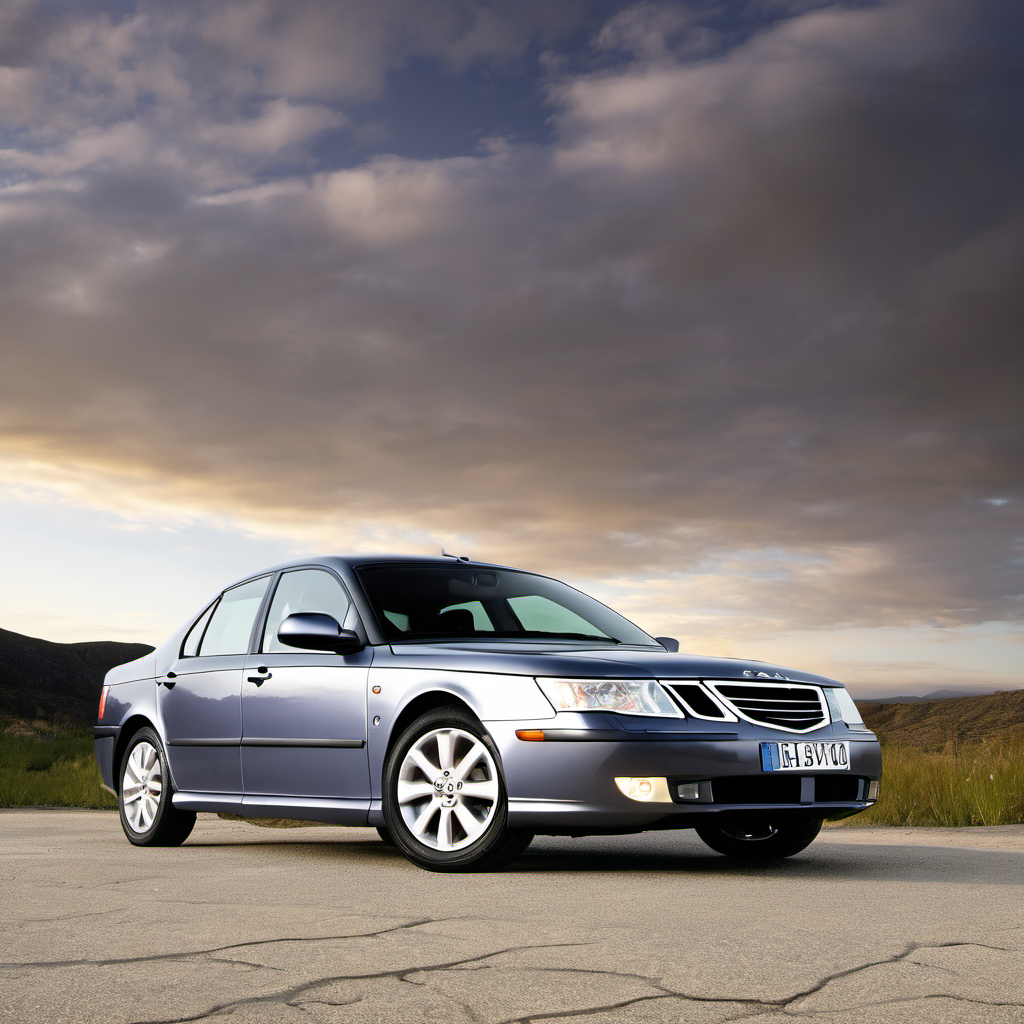
2005 Saab
Sedan
The 2005 Saab 9-5 is a front-wheel-drive mid-size European sedan powered by a turbocharged 2.3L four-cylinder engine. It sits in the near-luxury segment and was Saab's bread-and-butter family car during the brand's final GM-ownership years. The 9-5 earns genuine respect for its turbocharged performance, European ride quality, and genuinely distinctive character — it doesn't drive or feel like anything else in its class. That said, the 2005 model year lands squarely in a period when Saab's parts supply and dealer network were already thinning. Finding a competent independent mechanic familiar with Saab-specific quirks — particularly the Trionic engine management system and the ignition cassette design — is the single most important factor in keeping one of these on the road affordably. Parts availability has tightened considerably since GM wound down the brand in 2011. For the right owner — someone who enjoys the car, plans ahead, and has a trusted shop — the 9-5 can be a rewarding, comfortable, and surprisingly quick daily driver. For a buyer who wants carefree transportation, it's the wrong choice at this age.
The 2005 Saab 9-5 is a front-wheel-drive mid-size European sedan powered by a turbocharged 2.3L four-cylinder engine. It sits in the near-luxury segment and was Saab's bread-and-butter family car during the brand's final GM-ownership years. The 9-5 earns genuine respect for its turbocharged performance, European ride quality, and genuinely distinctive character — it doesn't drive or feel like anything else in its class. That said, the 2005 model year lands squarely in a period when Saab's parts supply and dealer network were already thinning. Finding a competent independent mechanic familiar with Saab-specific quirks — particularly the Trionic engine management system and the ignition cassette design — is the single most important factor in keeping one of these on the road affordably. Parts availability has tightened considerably since GM wound down the brand in 2011. For the right owner — someone who enjoys the car, plans ahead, and has a trusted shop — the 9-5 can be a rewarding, comfortable, and surprisingly quick daily driver. For a buyer who wants carefree transportation, it's the wrong choice at this age.
The B235 engine is extremely prone to oil sludge when oil is changed infrequently or with the wrong viscosity. Sludge destroys the turbo, oil passages, and eventually the engine. This is the single most important maintenance item on this car.
The banjo bolt screen on the turbo oil feed line clogs with sludge, starving the turbo of lubrication. Inspect and clean at each major service.
The DI cassette is sensitive to misfires caused by worn plugs. Fresh plugs reduce stress on the cassette and prevent cascade failures.
This is the most common failure item on the 9-5. Early replacement is far cheaper than diagnosing multiple misfires, possible catalyst damage, and roadside breakdowns.
Belt tensioner failures are common and can leave you stranded. Replace both belt and tensioner together as a set.
The turbo adds heat stress to the cooling system. Old coolant loses its corrosion inhibitors, accelerating water pump and radiator wear.
Moisture absorption in brake fluid lowers the boiling point and accelerates internal caliper and ABS actuator corrosion — especially relevant in Wisconsin's wet and salty conditions.
Wisconsin road salt accelerates corrosion of brake lines, subframe, and exhaust components. Catching rust early is dramatically cheaper than replacement.
Always defer to the manufacturer's service manual for warranty-mandated intervals.
The 2005 9-5 is a budget buy at purchase but an expensive car to maintain correctly. Skimping on oil changes or ignoring early warning signs quickly converts a $4,000 car into a $4,000 repair bill. Budget at least $1,200/year for routine maintenance; in a repair year (DI cassette, turbo work, suspension), $2,500–$3,000 is realistic. Parts for this era Saab often have to be sourced from specialists or online vendors, which adds lead time and sometimes cost.
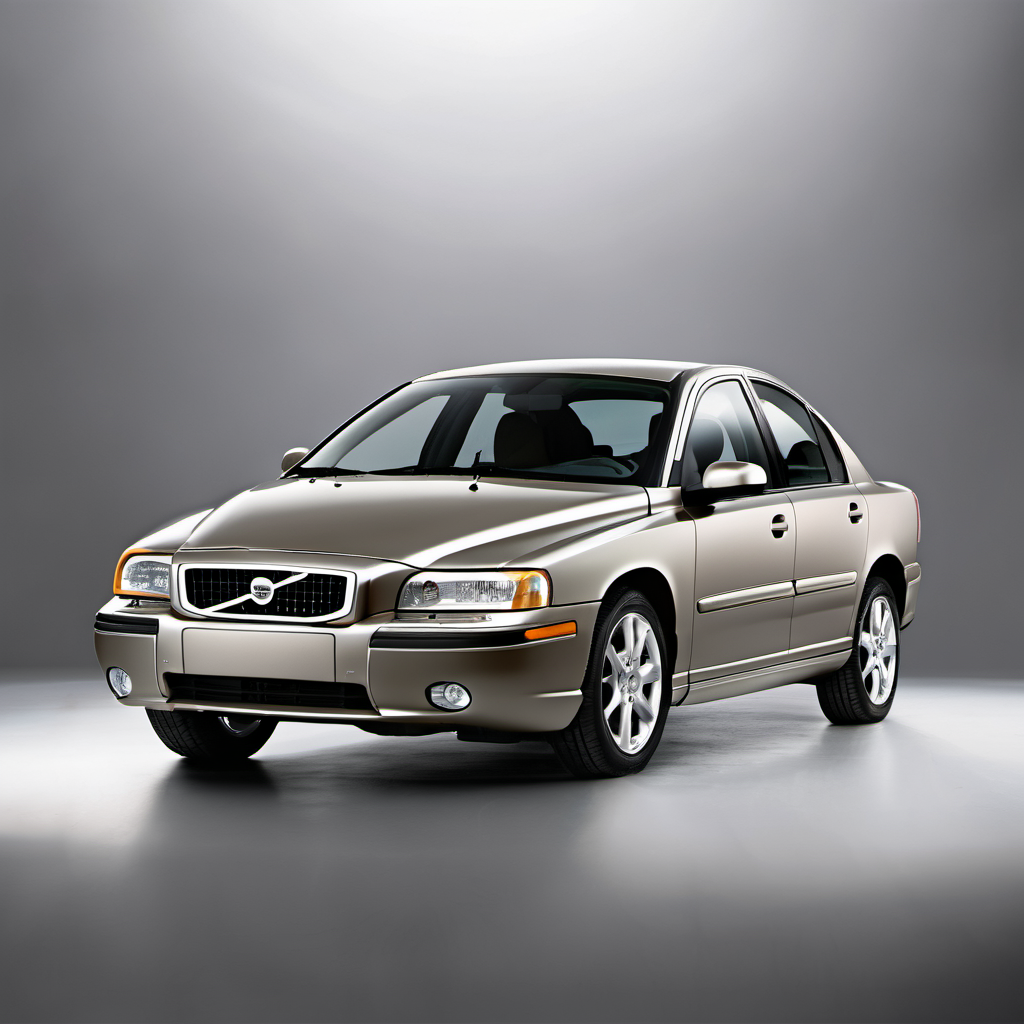
Same near-luxury European FWD sedan segment, similar turbo four-cylinder personality, comparable ownership complexity and parts cost. Volvo has slightly better parts availability.
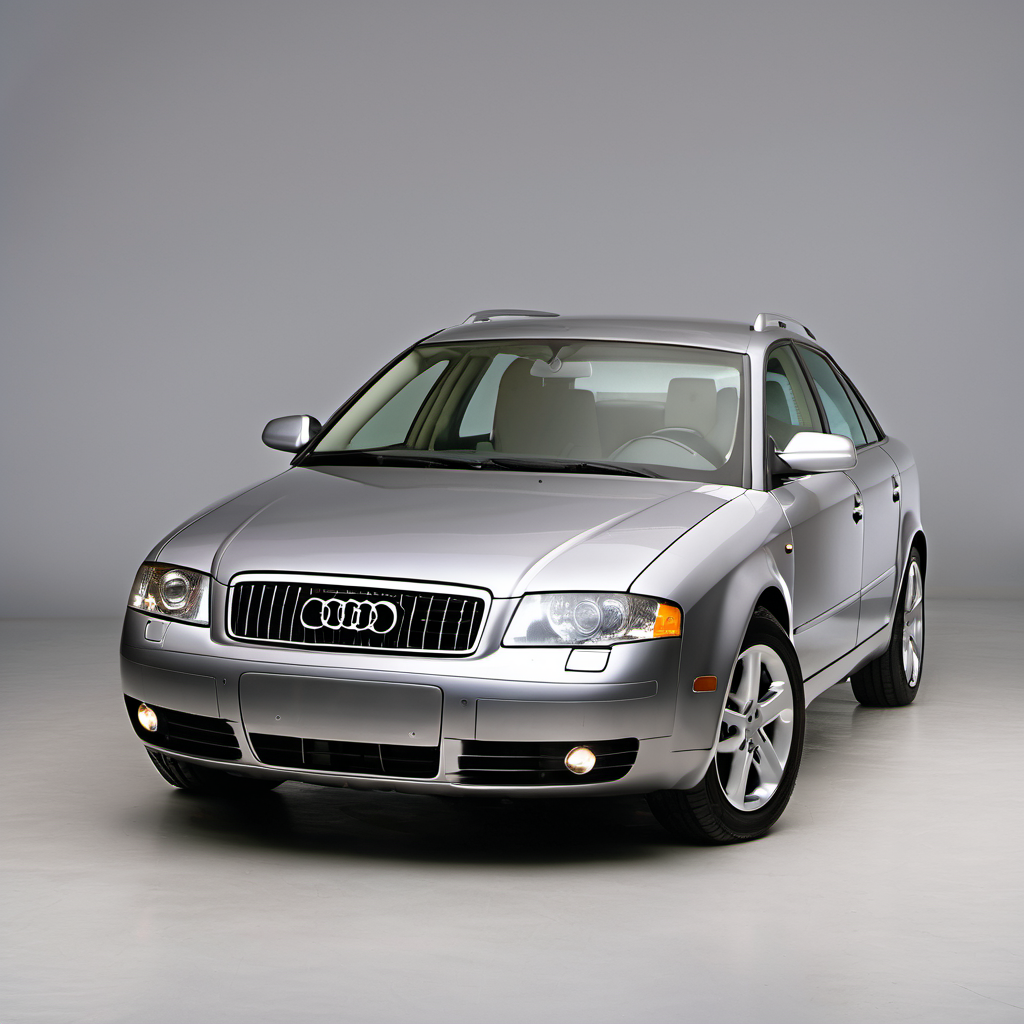
Near-luxury European sedan, similar price point used, similarly quirky ownership experience and specialized service needs. AWD Quattro is a notable advantage in Wisconsin winters.
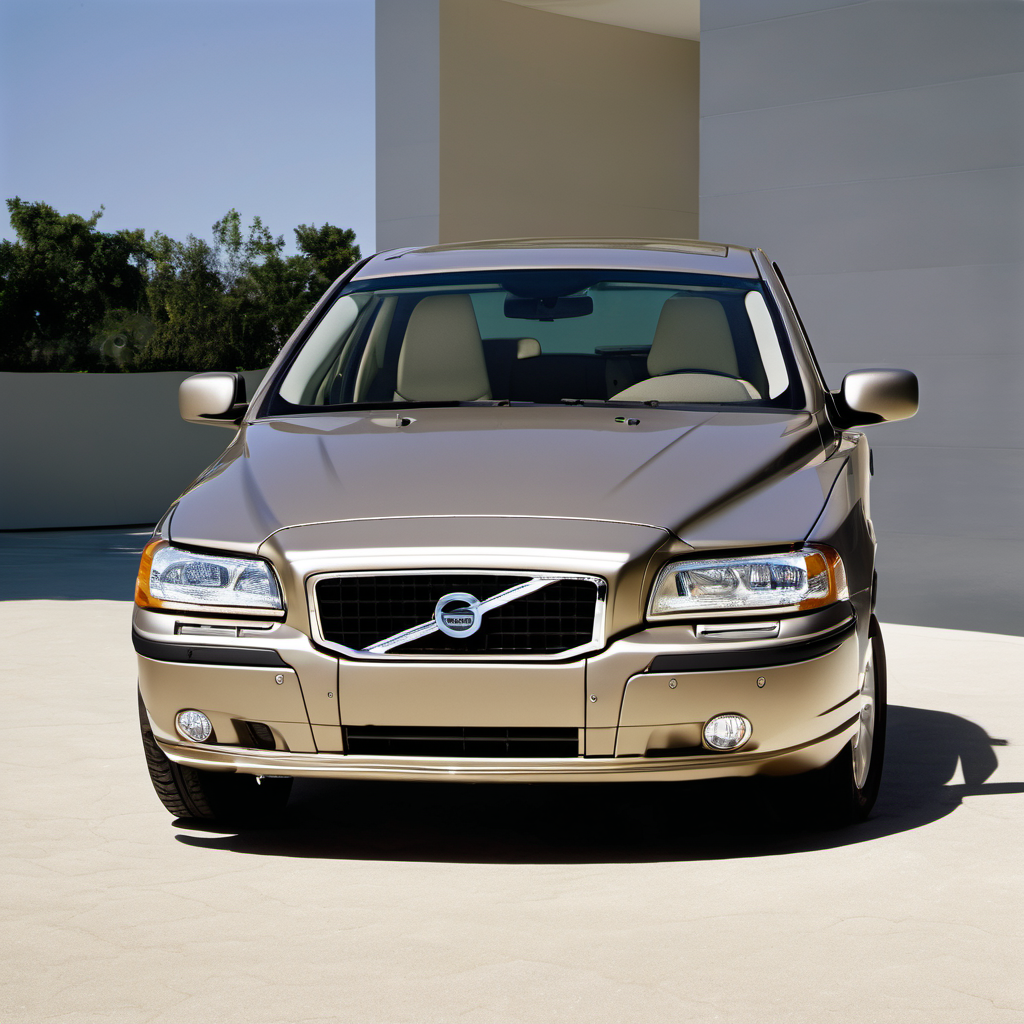
Direct size and mission match to the 9-5 — both are near-luxury European long-distance sedans with turbocharged engines and a focus on comfort and safety.
Competes in the same near-luxury segment with similar used market pricing; more dealer and independent shop support, but higher parts cost offset the serviceability advantage.
No catalog match