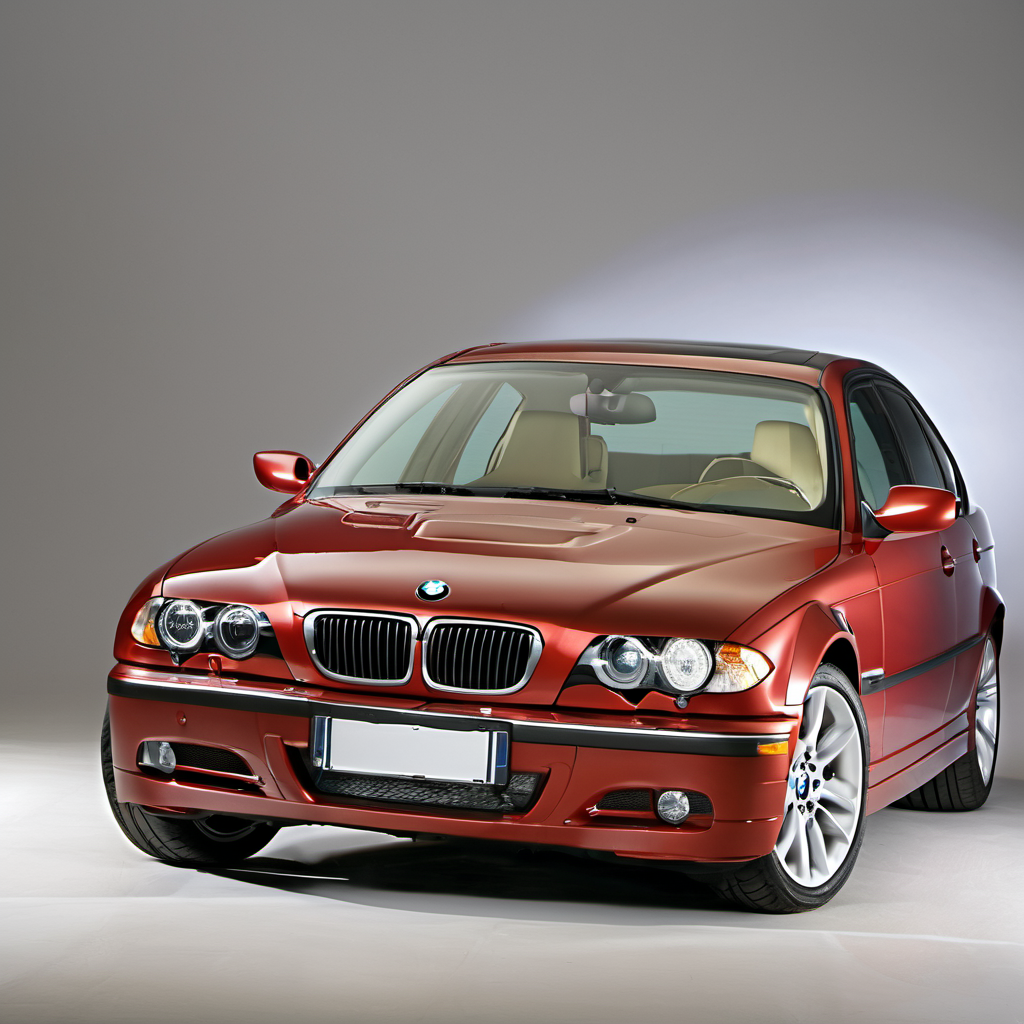
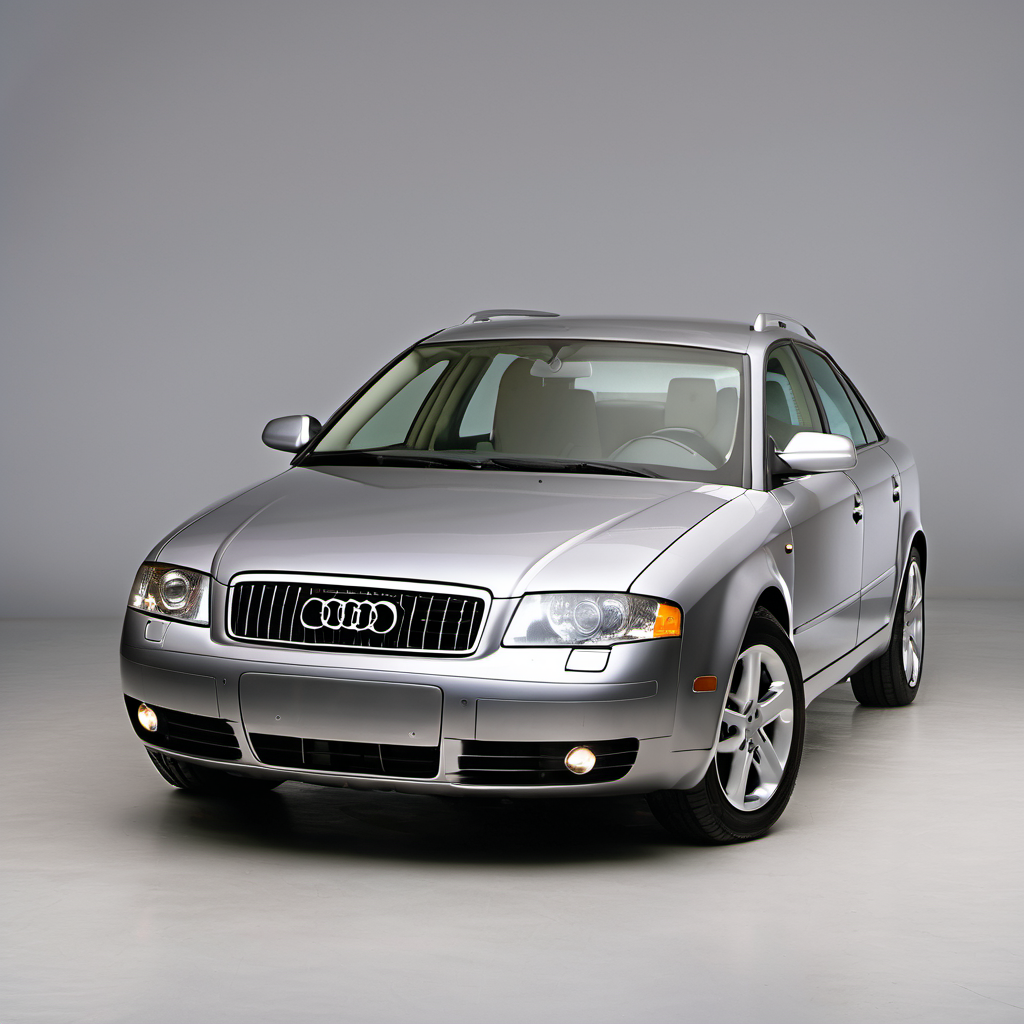
2005 BMW 3 Series Sedan

2005 BMW

3 SeriesSedan

Sedan

The 2005 BMW 3 Series (E46 generation, final model year) is a rear-wheel-drive compact sport sedan that earned its reputation as one of the best-handling cars in its class. Powered by a 2.5L inline-six in the 325i trim, it delivers a smooth, rev-happy driving experience with a chassis balance that enthusiasts still seek out today. This was the last year of the E46 before BMW transitioned to the E90, making 2005 cars relatively rare survivors of a well-regarded platform. As a 20-year-old European luxury sedan, the 325i is firmly in the territory where deferred maintenance and age-related wear become the dominant ownership story. Parts are widely available, but labor costs at independent shops are moderate compared to dealer pricing. Owners who stay on top of oil changes and coolant system work are routinely rewarded with 200,000+ mile engines. In the Lake Geneva area, the RWD platform combined with Wisconsin salt exposure demands extra attention to underbody corrosion, cooling system components, and tire choices. This is not a worry-free used car, but for a mechanically inclined owner or one with a trusted independent shop, it remains a rewarding and engaging daily driver.

Reliability
3/5
Verified data
Specs shown for 325ci Convertible — the most common configuration. Other trims may vary in engine, drivetrain, or fuel economy. Sign in to see your vehicle's exact specs.
Engine
[object Object]
Drivetrain
RWD
Fuel
Premium gasoline
MPG
17 city / 25 hwy / 20 combined
Seats
Doors
Body
Minicompact Cars

Overview

AI-curated

The 2005 BMW 3 Series (E46 generation, final model year) is a rear-wheel-drive compact sport sedan that earned its reputation as one of the best-handling cars in its class. Powered by a 2.5L inline-six in the 325i trim, it delivers a smooth, rev-happy driving experience with a chassis balance that enthusiasts still seek out today. This was the last year of the E46 before BMW transitioned to the E90, making 2005 cars relatively rare survivors of a well-regarded platform. As a 20-year-old European luxury sedan, the 325i is firmly in the territory where deferred maintenance and age-related wear become the dominant ownership story. Parts are widely available, but labor costs at independent shops are moderate compared to dealer pricing. Owners who stay on top of oil changes and coolant system work are routinely rewarded with 200,000+ mile engines. In the Lake Geneva area, the RWD platform combined with Wisconsin salt exposure demands extra attention to underbody corrosion, cooling system components, and tire choices. This is not a worry-free used car, but for a mechanically inclined owner or one with a trusted independent shop, it remains a rewarding and engaging daily driver.

Known for
  • Outstanding rear-wheel-drive handling and chassis balance
  • Smooth, durable inline-six engine
  • Premium interior quality for its era
  • Strong enthusiast following and parts availability
  • High mileage potential with proper maintenance
Best for
  • Drivers who prioritize handling and driving feel
  • Owners with an independent European-specialist shop nearby
  • Daily commuters who enjoy a sporty, refined experience
  • Budget luxury buyers willing to do preventive maintenance
Watch for
  • Cooling system failures (water pump, thermostat, expansion tank) — a known E46 weakness
  • VANOS variable valve timing system wear and oil-related issues
  • Subframe and rear trailing arm bushing cracking on high-mileage examples
  • Salt corrosion on underbody, brake lines, and exhaust on Wisconsin cars
  • High deferred-maintenance costs when buying a neglected example

Common issues by mileage

6 known

Cooling System Failure (Water Pump, Thermostat, Expansion Tank)

high
Typically appears
60–120k mi
Estimated repair
$400 – $900

Secondary Air Injection (Smog Pump) Failure

high
Typically appears
60–100k mi
Estimated repair
$350 – $750

Rear Subframe and Trailing Arm Bushing Cracking

medium
Typically appears
100–180k mi
Estimated repair
$500 – $1,800

Oxygen Sensor Heater Circuit Failure

medium
Typically appears
80–130k mi
Estimated repair
$150 – $350

Power Window Regulator Failure

medium
Typically appears
80–150k mi
Estimated repair
$150 – $350

Maintenance schedule

  1. 1
    Every 5,000–7,500 miles or annually — do NOT follow the 15,000-mile BMW service interval on a 20-year-old engine Engine Oil Change (BMW LL-01 spec full synthetic)

    The VANOS system and camshaft phaser components are extremely sensitive to oil quality and change frequency. Dirty oil at extended intervals is the top cause of expensive VANOS and camshaft wear on this engine.

  2. 2
    Inspect at purchase; replace proactively by 80,000 miles or every 5–6 years Cooling System Service (water pump, thermostat, expansion tank, hoses)

    The E46 uses a plastic impeller water pump and plastic expansion tank that fail without warning. A cooling system failure can cause rapid overheating and expensive engine damage. On a 2005 car, these components are at or past end of service life.

  3. 3
    Every 3 years Coolant Flush and Fill (BMW blue coolant or equivalent silicate-free)

    Degraded coolant accelerates corrosion in the aluminum engine block and plastic cooling components.

  4. 4
    Every 2 years Brake Fluid Flush

    BMW specifies a 2-year brake fluid interval due to moisture absorption. Wisconsin winter driving puts extra stress on braking systems; wet fluid lowers boiling point significantly.

  5. 5
    Every 30,000–45,000 miles Spark Plug Replacement

    BMW iridium plugs have a long service life, but worn plugs on this inline-six cause misfires and put extra load on the ignition coils, which also have a history of failure on E46s.

  6. 6
    Every 60,000 miles or when oil consumption or rough idle appears VANOS System Inspection and Oil Seal Service

    The VANOS actuator seals degrade over time, causing loss of low-end torque, rough cold idle, and rattling on startup. Catching this early is much cheaper than replacing the full VANOS unit.

  7. 7
    Every spring (post-winter) Underbody and Brake Line Inspection for Corrosion

    Lake Geneva roads are heavily salted. The E46's steel brake lines and underbody seams are vulnerable. Catching rust before it penetrates brake lines is a safety-critical inspection.

  8. 8
    Every 15,000–20,000 miles or annually Cabin Air Filter Replacement

    The BMW E46 HVAC system is prone to musty odors when filters are neglected; a clogged filter also strains the blower motor.

Always defer to the manufacturer's service manual for warranty-mandated intervals.

Cost of ownership

Annual maintenance
$900 – $2,500
Fuel
Requires premium (91+ octane). At 20 MPG combined and ~12,000 miles/year, expect $2,000–$2,500/year at current upper-Midwest prices.
Insurance
Moderate — expect $1,000–$1,600/year for a typical adult driver in the Lake Geneva area, though rates vary widely by driver profile.

The 2005 325i is inexpensive to purchase but carries real ongoing costs. Routine maintenance at an independent shop runs $900–$1,500 in a clean year. A year with one major repair (cooling system, VANOS, subframe bushings) can push total spend to $2,500 or more. Budget accordingly — this car rewards owners who front-load preventive maintenance rather than waiting for failures.
Seasonal care

Lake Geneva, WI
Winter
  • Switch to a proper winter tire set — RWD + Wisconsin ice is a serious combination. All-season tires are a compromise at best below 20°F.
  • Check battery condition every fall. The 2.5L inline-six requires a healthy battery for cold starts; BMW AGM or absorbed-glass-mat batteries are specified and should be load-tested annually.
  • Use a name-brand winter-rated washer fluid rated to at least -20°F — the E46 washer nozzle lines can freeze and crack with inadequate fluid.
  • Rinse the undercarriage frequently at a spray wash after salted-road driving to slow brake line and subframe corrosion.
  • Inspect and replace wiper blades with winter-rated blades before the first snow season.
  • Keep the fuel tank at least half full in extreme cold to reduce condensation and fuel line issues.
Summer
  • Monitor coolant temperature closely on hot days — a failing water pump or clogged thermostat will show up fastest in summer heat. Watch the gauge.
  • Check tire pressure monthly; tires lose about 1 PSI for every 10°F rise in ambient temperature, affecting handling and wear on a performance-oriented car.
  • Inspect the A/C system for refrigerant level and condenser condition — a clean condenser is especially important when sitting in summer traffic.
  • Park in shade when possible; the E46's interior plastics and dashboard are prone to cracking and fading after 20 years of UV exposure.

Comparable vehicles

If you're shopping for one

Red flags
  • No cooling system service records on a car with 80,000+ miles — walk away or negotiate a large repair allowance.
  • Overheating history or a replaced head gasket — the E46 block can warp, and a repaired overheat may have hidden damage.
  • VANOS rattle that persists past 30 seconds of warm-up — indicates worn actuators, not just seals.
  • Cracked or deformed rear subframe mounting points — structural repair costs can exceed the car's value.
  • Visible rust perforation on brake lines or floor pans — a Wisconsin car with heavy underbody rust is a safety liability.
  • Check engine light with camshaft timing codes (P0012, P0015, P0022, P0025) — could indicate VANOS failure or low oil pressure to the timing system.
What to inspect
  • Pull full service records — specifically look for cooling system work (water pump, thermostat, expansion tank). If none is documented, budget $500–$900 immediately.
  • Start the engine cold and listen for VANOS rattle on startup (a chattering or rattling sound from the front of the engine that clears after a few seconds). This indicates worn VANOS seals.
  • Check the coolant expansion tank for cracks, cloudiness, or signs of oil contamination (milky residue indicates a possible head gasket issue).
  • Inspect rear subframe mounting points from underneath for cracking in the body sheet metal around the subframe bolts — a known E46 structural issue.
  • Check all four window regulators — front and rear — for proper operation. Regulator failures are common and labor-intensive.
  • Look at the undercarriage, brake lines, and exhaust system carefully for rust perforation — critical on any Wisconsin-registered car.
AI profile generated 8 days ago · claude-sonnet-4-6 · v2.