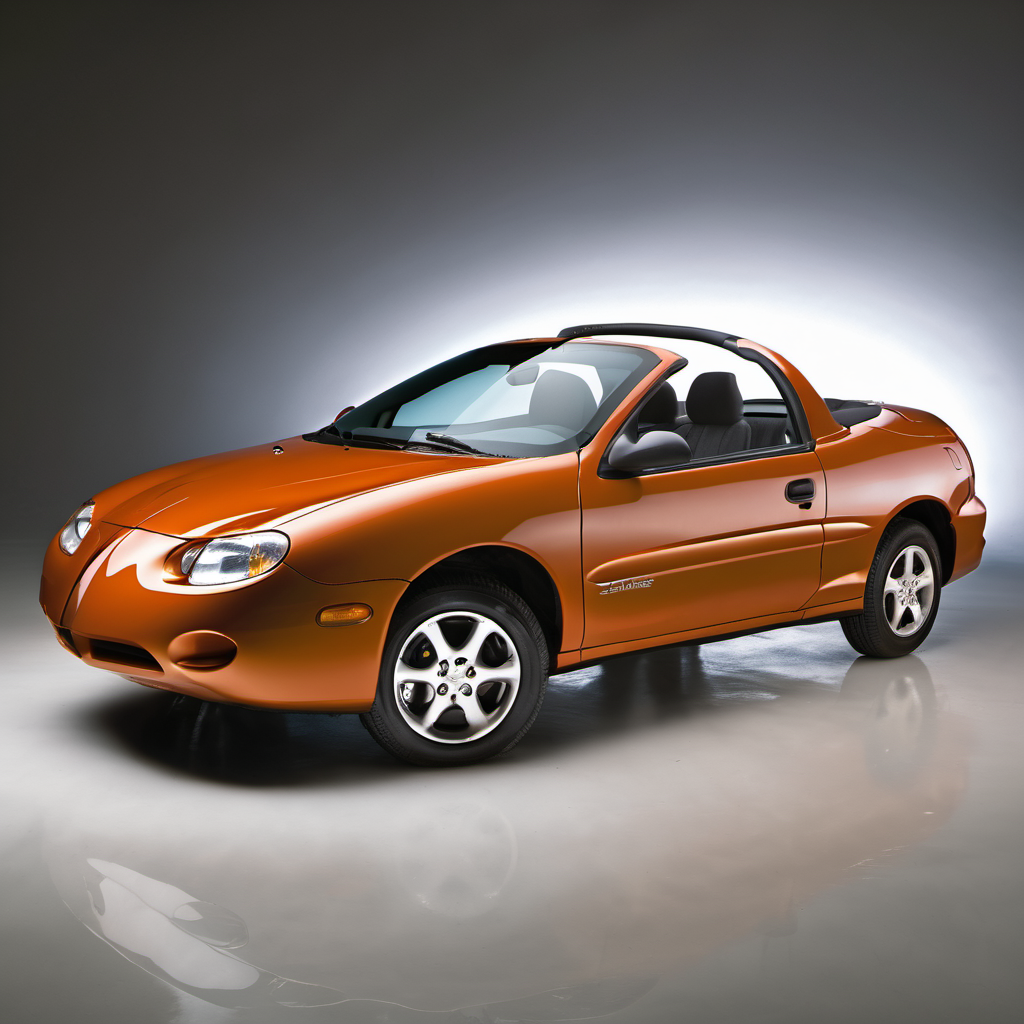
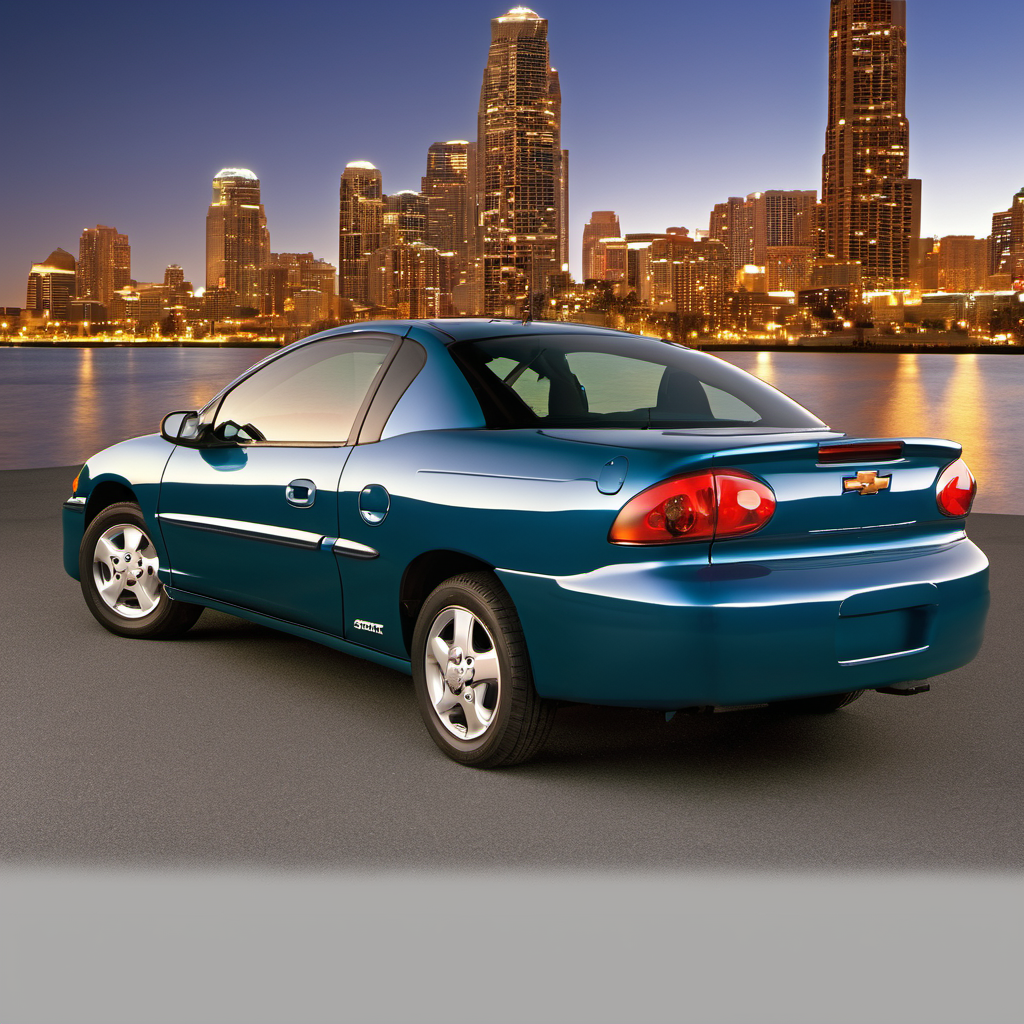
2005 Pontiac Sunfire Coupe

2005 Pontiac

SunfireCoupe

Coupe

The 2005 Pontiac Sunfire Coupe is the final model year of a nameplate that ran from 1995 through 2005, sharing its J-body platform with the Chevrolet Cavalier. By 2005, the Sunfire was a no-frills economy coupe aimed squarely at budget-conscious buyers who needed basic, affordable transportation. GM kept it in production longer than it should have, and the platform was showing its age relative to newer rivals by the mid-2000s. Under the hood sits GM's Ecotec 2.2L four-cylinder, a genuinely decent engine when maintained properly. It's not exciting, but it's reasonably durable and fuel-efficient for its era. The 5-speed manual was the driver's choice; the 4-speed automatic was adequate but not refined. Parts are cheap and plentiful, and any competent independent shop can work on one. At 20 years old, the Sunfire is now firmly in beater or first-car territory. Rust is the single biggest enemy in Wisconsin — the J-body platform's floor pans, rear wheel wells, and subframes are known rust traps. Buy one with a clean undercarriage or don't buy one at all.

Reliability
2/5
Verified data
Specs shown for Sunfire — the most common configuration. Other trims may vary in engine, drivetrain, or fuel economy. Sign in to see your vehicle's exact specs.
Engine
[object Object]
Drivetrain
FWD
Fuel
Gasoline
MPG
21 city / 31 hwy / 25 combined
Seats
Doors
Body
Compact Cars

Overview

AI-curated

The 2005 Pontiac Sunfire Coupe is the final model year of a nameplate that ran from 1995 through 2005, sharing its J-body platform with the Chevrolet Cavalier. By 2005, the Sunfire was a no-frills economy coupe aimed squarely at budget-conscious buyers who needed basic, affordable transportation. GM kept it in production longer than it should have, and the platform was showing its age relative to newer rivals by the mid-2000s. Under the hood sits GM's Ecotec 2.2L four-cylinder, a genuinely decent engine when maintained properly. It's not exciting, but it's reasonably durable and fuel-efficient for its era. The 5-speed manual was the driver's choice; the 4-speed automatic was adequate but not refined. Parts are cheap and plentiful, and any competent independent shop can work on one. At 20 years old, the Sunfire is now firmly in beater or first-car territory. Rust is the single biggest enemy in Wisconsin — the J-body platform's floor pans, rear wheel wells, and subframes are known rust traps. Buy one with a clean undercarriage or don't buy one at all.

Known for
  • Low purchase and operating cost
  • Cheap, widely available parts
  • Decent Ecotec 2.2L fuel economy
  • Simple mechanicals any shop can service
  • Final year of a long-running budget platform
Best for
  • First-time car owners on a tight budget
  • Short-distance commuters
  • Buyers who do their own basic maintenance
  • Those needing cheap, insurable transportation
Watch for
  • Severe rust on floor pans, rear wheel wells, and subframe — especially in Wisconsin
  • Worn intake manifold gaskets leaking coolant internally
  • Aging electrical connectors causing intermittent faults
  • High-mileage examples with neglected timing chain service
  • Deferred maintenance — these cars were often bought by owners who skipped services

Common issues by mileage

6 known

Intake Manifold Gasket Failure

high
Typically appears
80–130k mi
Estimated repair
$300 – $550

Rust — Floor Pans, Rear Wheel Wells, Subframe

high
Typically appears
Any mileage on Wisconsin/salt-belt cars
Estimated repair
$500 – $3,000

Oxygen Sensor Failure (Bank 1 Sensor 1 or Sensor 2)

medium
Typically appears
90–150k mi
Estimated repair
$120 – $250

Worn Struts and Front-End Bushings

high
Typically appears
80–120k mi
Estimated repair
$350 – $700

Ignition Switch / Passlock Security System Faults

medium
Typically appears
70–150k mi
Estimated repair
$150 – $400

Cooling System Leaks (Hoses, Thermostat Housing, Water Pump)

medium
Typically appears
100–160k mi
Estimated repair
$150 – $500

Maintenance schedule

  1. 1
    Every 5,000 miles or 6 months Engine oil and filter change

    The Ecotec 2.2L is oil-change sensitive. Sludge buildup from extended intervals accelerates timing chain wear and reduces engine life significantly on a car this age.

  2. 2
    Every 2 years or 30,000 miles Coolant flush and system inspection

    Aging hoses and the thermostat housing are prone to leaks on high-mileage examples. Fresh coolant maintains proper pH and protects aluminum components. Inspect the intake manifold gasket area while the system is open.

  3. 3
    Every 60,000 miles Spark plugs (iridium/OEM-spec)

    The Ecotec calls for iridium-tip plugs at this interval. Running worn plugs increases misfires and can stress the ignition coil pack.

  4. 4
    Every 2–3 years Brake fluid flush

    Brake fluid absorbs moisture over time, lowering its boiling point. Wisconsin salt exposure also accelerates corrosion inside calipers and wheel cylinders.

  5. 5
    Every spring after winter Underbody rust inspection

    Salt-belt cars need annual inspection of floor pans, rear wheel arches, fuel and brake lines, and the front subframe. Catching rust early is far cheaper than structural repairs.

  6. 6
    Every 60,000 miles or 5 years Serpentine belt and tensioner inspection

    Belt rubber hardens with age as much as mileage. A snapped belt strands you and can damage the cooling system immediately.

  7. 7
    Every 6,000–7,500 miles Tire rotation and front-end alignment check

    FWD cars wear front tires faster. Worn bushings — common on these at this age — cause alignment drift that chews through tires quickly.

  8. 8
    Every fall, before Wisconsin winter Battery load test

    The factory battery is long gone on a 2005. Cold-cranking amps drop sharply below freezing. A battery that seems fine in summer can leave you stranded at -10°F.

Always defer to the manufacturer's service manual for warranty-mandated intervals.

Cost of ownership

Annual maintenance
$600 – $1,800
Fuel
At 25 MPG combined and average Wisconsin driving, expect roughly $1,400–$1,700/year at current fuel prices — one of the cheaper ICE options on the road.
Insurance
Typically among the lowest insured vehicles in the state — low replacement value, small engine. Expect $600–$1,000/year for full coverage depending on driver profile.

The Sunfire's ownership cost floor is very low — parts are inexpensive, insurance is cheap, and fuel economy is solid. The ceiling, however, can rise fast if rust has taken hold or if maintenance was deferred. Budget the higher end of the maintenance range for any example with over 120k miles or an unknown service history. It's an affordable car to run when healthy, and an expensive one to rescue when neglected.
Seasonal care

Lake Geneva, WI
Winter
  • Load-test the battery every October — sub-zero cranking will expose any weak cell instantly, and replacements are inexpensive for this car.
  • Switch to a full-synthetic 5W-30 oil if not already using one; it flows faster on cold starts and protects better during the warm-up period.
  • Flush and top off washer fluid with a -20°F or colder rated formula — the reservoir and pump freeze quickly on this platform.
  • Inspect brake lines and fuel lines for rust-through before winter; road salt accelerates any existing corrosion dramatically.
  • Install winter wiper blades — standard blades pack with ice in wet, freezing Wisconsin conditions and leave large blind spots.
  • After any snowstorm, rinse the undercarriage at a spray-wand wash to slow brine accumulation, particularly around the subframe mounting points.
Summer
  • Check tire pressure monthly — pressure drops roughly 1 PSI for every 10°F drop from summer to the cold season, and overinflation in heat causes uneven wear.
  • Inspect the A/C system for refrigerant charge and cabin filter condition; a clogged cabin filter is the most common cause of weak A/C on these cars.
  • Check coolant level and condition — heat soak on older cooling systems exposes weak hoses and a marginal thermostat. The Ecotec runs warm when the coolant system is not at full capacity.
  • Inspect the serpentine belt for cracking; summer heat accelerates rubber degradation on belts that are already 5+ years old.

Comparable vehicles

If you're shopping for one

Red flags
  • Any visible rust perforation on the floor, rocker panels, or subframe — walk away.
  • Coolant with a milky or oily appearance in the reservoir.
  • Car that won't start on first key cycle and requires a 10-minute wait — advanced Passlock failure.
  • Deferred maintenance with no service records — at 20 years old, unknown history cars carry high risk.
  • Mismatched or bubbling paint along the lower rocker panels and rear arches — signs of covered rust.
  • Any Check Engine light that the seller can't explain with a documented repair — at this age, codes often point to cascading deferred issues.
What to inspect
  • Crawl under the car and inspect the floor pans, rear subframe, and front subframe mounts for rust perforation — this is the make-or-break inspection point on any Wisconsin Sunfire.
  • Check inside the trunk and under the rear seat for rust bubbling or moisture intrusion from the rear wheel wells.
  • Warm the engine fully and watch for white or sweet-smelling exhaust — signs of coolant burning from a failed intake manifold gasket.
  • Check the coolant reservoir for an oily film or bubbles, which indicate a head gasket or intake manifold leak.
  • Test the Passlock security system: turn the key to start, and if it cranks but won't fire, note how long it takes to relearn — a known issue on GM cars of this era.
  • Inspect brake and fuel lines for rust-through, especially along the rear axle beam.
  • Check all four strut towers for rust around the mounting points — a structural failure risk on older Midwest cars.
AI profile generated 58 min ago · claude-sonnet-4-6 · v2.