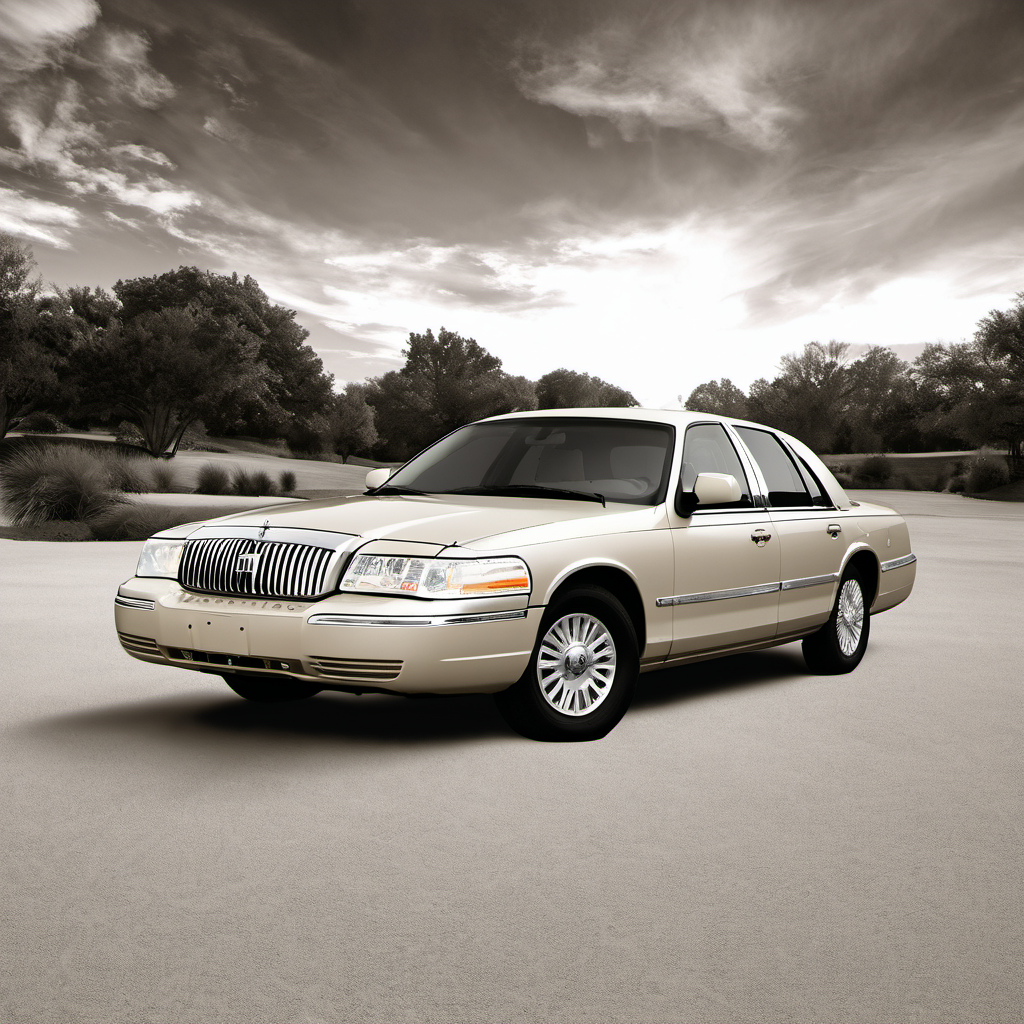
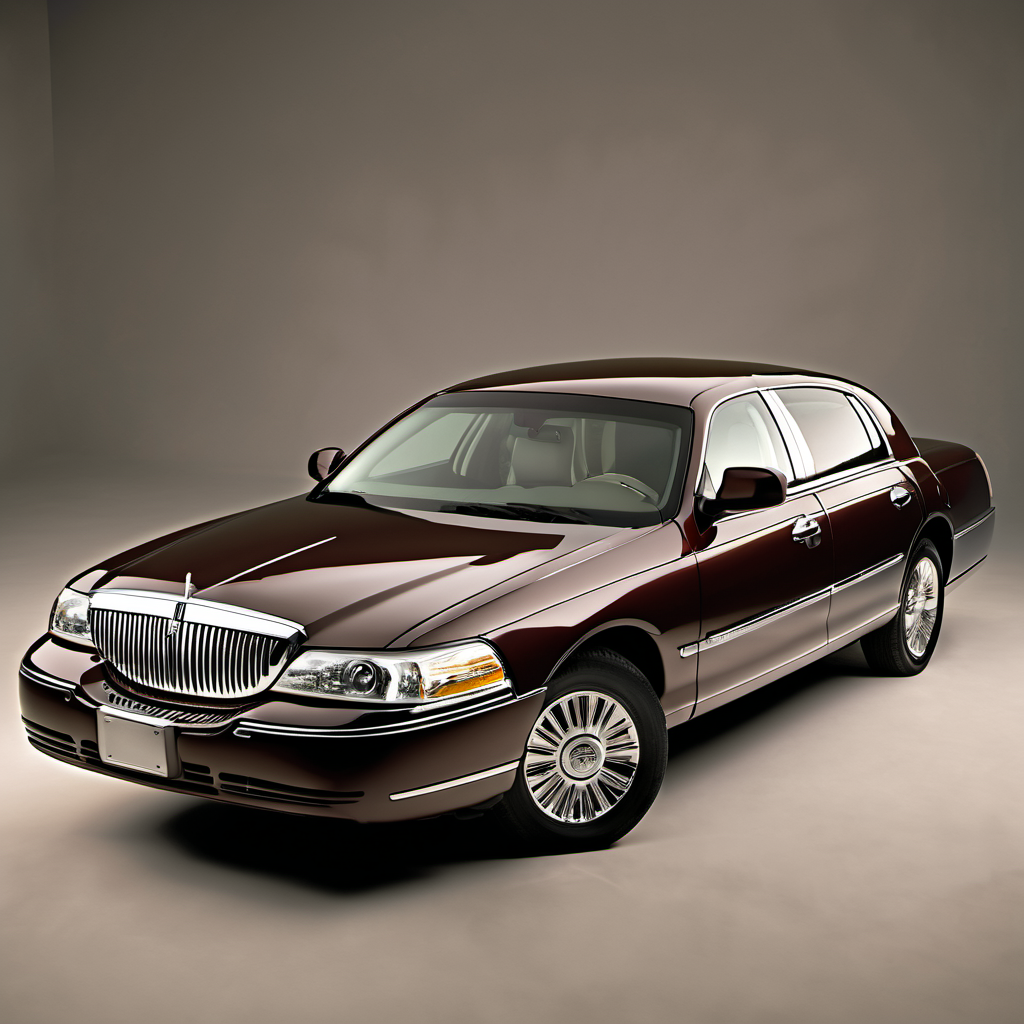
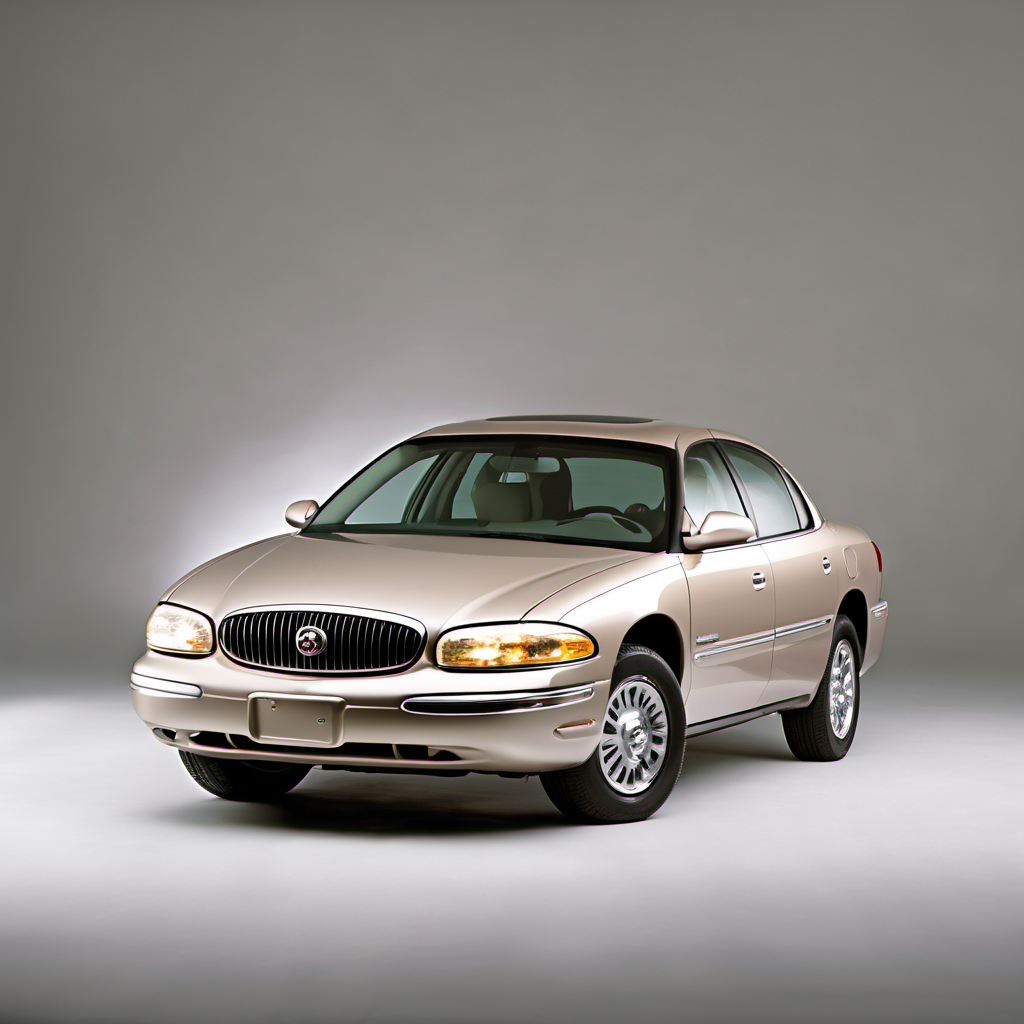
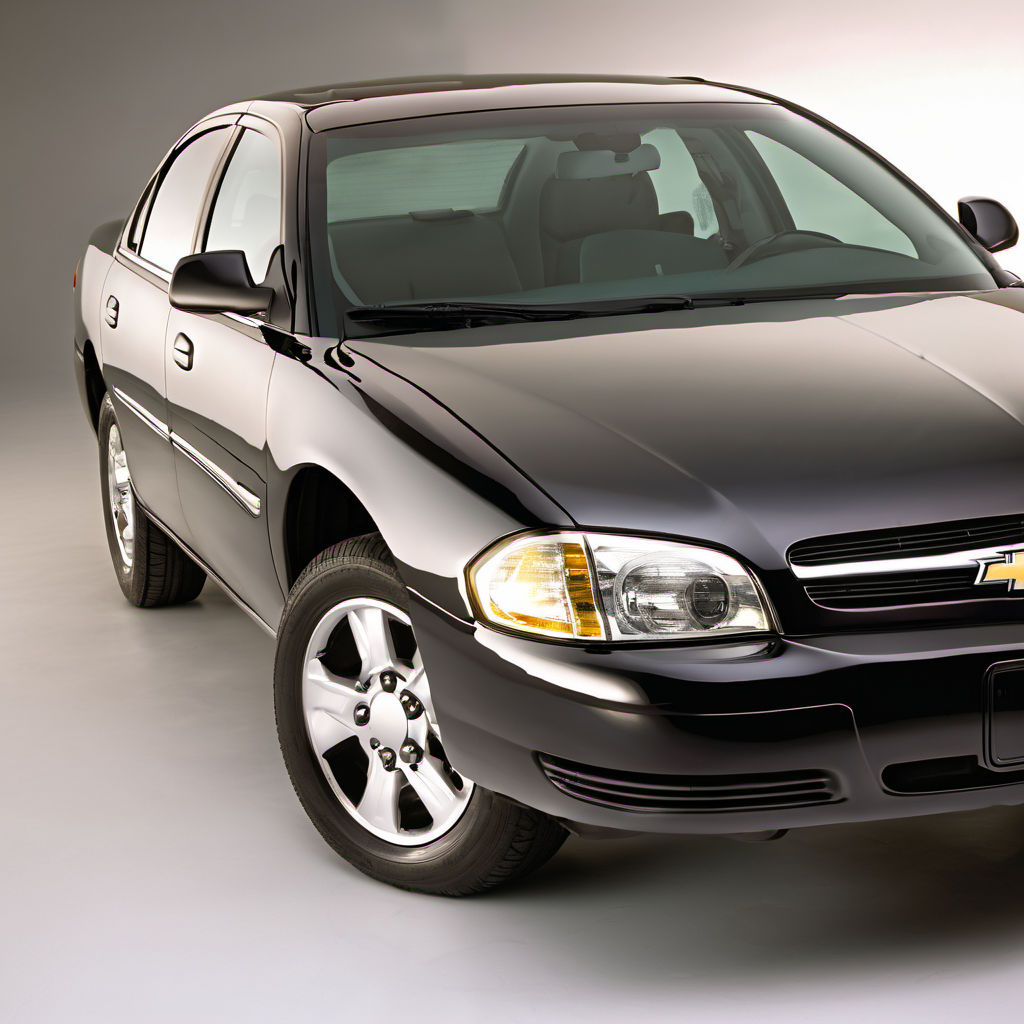
2005 Mercury Grand Marquis Sedan

2005 Mercury

Grand MarquisSedan

Sedan

The 2005 Mercury Grand Marquis is a full-size, body-on-frame rear-wheel-drive sedan built on Ford's Panther platform — the same bones shared with the Ford Crown Victoria and Lincoln Town Car. It's a proven, old-school American car that prioritizes ride comfort and mechanical simplicity over sporty handling or fuel economy. By 2005 the platform was thoroughly sorted out, making this one of the more reliable and easy-to-maintain used cars in its price range. Power comes from Ford's well-regarded 4.6L SOHC V8, paired with a 4-speed automatic. The drivetrain is robust and parts are plentiful and inexpensive — a big advantage for independent-shop repairs. The interior is spacious with a massive trunk, making it popular with older drivers, highway commuters, and buyers who simply want a comfortable, no-fuss large sedan. By 2005, Mercury was winding down as a brand, so resale and parts support shifted almost entirely to the Ford/Lincoln side — which is actually a positive, since Crown Victoria mechanicals are everywhere. If you need a well-built, cheap-to-fix full-size car and don't need modern features, the Grand Marquis remains a solid choice.

Reliability
4/5
Verified data
Specs shown for Grand Marquis — the most common configuration. Other trims may vary in engine, drivetrain, or fuel economy. Sign in to see your vehicle's exact specs.
Engine
[object Object]
Drivetrain
RWD
Fuel
Gasoline
MPG
16 city / 23 hwy / 19 combined
Seats
Doors
Body
Large Cars

Overview

AI-curated

The 2005 Mercury Grand Marquis is a full-size, body-on-frame rear-wheel-drive sedan built on Ford's Panther platform — the same bones shared with the Ford Crown Victoria and Lincoln Town Car. It's a proven, old-school American car that prioritizes ride comfort and mechanical simplicity over sporty handling or fuel economy. By 2005 the platform was thoroughly sorted out, making this one of the more reliable and easy-to-maintain used cars in its price range. Power comes from Ford's well-regarded 4.6L SOHC V8, paired with a 4-speed automatic. The drivetrain is robust and parts are plentiful and inexpensive — a big advantage for independent-shop repairs. The interior is spacious with a massive trunk, making it popular with older drivers, highway commuters, and buyers who simply want a comfortable, no-fuss large sedan. By 2005, Mercury was winding down as a brand, so resale and parts support shifted almost entirely to the Ford/Lincoln side — which is actually a positive, since Crown Victoria mechanicals are everywhere. If you need a well-built, cheap-to-fix full-size car and don't need modern features, the Grand Marquis remains a solid choice.

Known for
  • Extremely smooth, pillowy highway ride
  • Bulletproof 4.6L Modular V8 engine
  • Massive trunk and spacious rear seat
  • Simple, mechanic-friendly mechanical layout
  • Long-term durability when properly maintained
Best for
  • Highway commuters and road-trip drivers
  • Buyers wanting a large, comfortable sedan on a budget
  • Owners who prefer straightforward V8 mechanicals over complex turbos or CVTs
  • Drivers who prioritize low repair costs over fuel economy
Watch for
  • Air suspension equipped trims — can be expensive to repair or convert to coils
  • Rust on frame, subframe, and floor pans in salt-belt states like Wisconsin
  • High-mileage examples with neglected coolant or transmission fluid
  • Deteriorating rear air bag suspension if so equipped

Common issues by mileage

6 known

Intake manifold coolant crossover leak

medium
Typically appears
80–130k mi
Estimated repair
$300 – $600

Oxygen sensor or heater circuit failure

medium
Typically appears
80–150k mi
Estimated repair
$150 – $350

Thermostat failure / coolant temperature issues

medium
Typically appears
60–120k mi
Estimated repair
$100 – $250

Rear coil spring or shock absorber wear (non-air suspension trims)

medium
Typically appears
100–180k mi
Estimated repair
$250 – $600

Frame and underbody rust (salt-belt specific)

high
Typically appears
Any mileage on Wisconsin/Midwest vehicles
Estimated repair
$200 – $3,000

Maintenance schedule

  1. 1
    Every 5,000 miles or 6 months Engine oil change — 5W-20 conventional or synthetic

    The 4.6L Modular V8 responds well to regular oil changes. Sludging from extended intervals accelerates wear on cam phasers and valve train components.

  2. 2
    Every 30,000 miles Transmission fluid change

    Ford's 4R70W automatic is durable but fluid darkens quickly with age. Fresh fluid is the cheapest transmission insurance you can buy.

  3. 3
    Every 50,000 miles or 5 years Coolant flush and fill

    Degraded coolant accelerates corrosion in the aluminum intake manifold crossover and plastic thermostat housing — both common failure points.

  4. 4
    Every 60,000 miles Spark plug replacement

    The 2-valve 4.6L uses standard spark plugs (not the problematic 3-valve two-piece design). Replacement is straightforward and keeps combustion efficient.

  5. 5
    Every winter and spring Underbody wash and inspection for rust

    Wisconsin road salt aggressively attacks the Panther platform's frame rails, subframe, and brake lines. Early detection prevents costly structural damage.

  6. 6
    Annually Brake line inspection

    Steel brake lines on these cars corrode from the inside out in salt-belt environments. A brake line failure is a safety emergency — inspect proactively.

  7. 7
    Every 2 years or at first sign of sag Air suspension system inspection (if equipped)

    The rear air bags dry-rot and crack with age, especially with Wisconsin temperature swings. Consider a coil spring conversion for long-term reliability.

  8. 8
    Every fall before winter Battery load test

    A battery that passes a voltage test in summer can fail a load test and leave you stranded in sub-zero Lake Geneva temperatures. Test it before the cold hits.

Always defer to the manufacturer's service manual for warranty-mandated intervals.

Cost of ownership

Annual maintenance
$600 – $1,400
Fuel
At 19 MPG combined and typical Upper Midwest driving, expect $1,800–$2,400/year in fuel depending on gas prices and mileage driven.
Insurance
Full-size older sedan; insurance is typically low-to-moderate. Expect $800–$1,400/year for full coverage depending on driver profile and insurer.

The Grand Marquis is genuinely affordable to maintain. Parts are cheap and widely available. Routine maintenance stays under $1,000/year for most owners. The financial risks are rust repair (which can balloon quickly on salt-belt cars) and air suspension replacement if equipped. Fuel costs are the biggest ongoing expense given the V8's thirst.

Seasonal care

Lake Geneva, WI
Winter
  • Load-test the battery every fall — cold cranking a 4.6L V8 at -10°F will expose any weakness in an aging battery immediately.
  • Switch to a 5W-20 full synthetic if using conventional oil — it flows faster on cold starts and reduces wear during the critical first minutes of operation.
  • Flush washer fluid reservoir and refill with -40°F rated fluid; the stock reservoir is large and diluted fluid will freeze solid in Wisconsin winters.
  • Inspect and treat all rubber door and trunk seals with a silicone-based protectant to prevent freeze-shut in the wet-freeze cycles common around Lake Geneva.
  • Undercarriage wash every 2–3 weeks during salting season — pay special attention to frame rails, rear wheel wells, and brake line routing areas.
  • Check tire pressure monthly; these large cars run wide tires and pressure drops roughly 1 PSI per 10°F temperature change.
Summer
  • Inspect the cooling system before summer — a cracked intake manifold crossover or weak thermostat will turn a hot July commute into a roadside event.
  • Check A/C performance early in the season; the R-134a system on these cars is simple but o-rings and fittings age and leak over time.
  • Check tire pressure after the first heat wave — summer heat can push pressure above spec on the large-diameter tires, causing uneven wear.
  • Inspect the air suspension bags (if equipped) in summer heat — UV and ozone exposure accelerates cracking of the rubber bladders.

Comparable vehicles

If you're shopping for one

Red flags
  • Visible rust holes in the floor, trunk, or frame rails — structural rust on a Panther-platform car can cost more to fix than the car is worth.
  • Rear of car sagging lower than front — indicates failed air bags on air suspension trims; budget $400–$1,200 to correct or convert.
  • Any sign of overheating history (white residue in coolant reservoir, milky oil on dipstick) — head gasket repairs on a V8 this age are expensive.
  • Check engine light or recent code clears — scan for pending codes, especially oxygen sensor and camshaft position codes.
  • Musty or wet carpet smell — Panther platform cars can develop windshield cowl leaks that soak the floor and rot the floor pan from above.
What to inspect
  • Frame rails and floor pans for rust perforation — use a flashlight and probe, especially on any Wisconsin car.
  • Brake lines end-to-end for exterior corrosion, bubbling, or soft spots — this is a safety-critical item on salt-belt cars of this age.
  • Rear suspension: bounce each corner and listen for clunks; determine whether the car has air or coil spring suspension before buying.
  • Coolant color and condition — brown or rusty coolant signals deferred maintenance and possible intake manifold or thermostat damage.
  • Transmission shift quality — should move smoothly through all gears without slipping, flaring, or harsh engagement.
  • Underhood for oil leaks around the valve covers and rear main seal — common on higher-mileage 4.6L engines.
AI profile generated 1 hr ago · claude-sonnet-4-6 · v2.