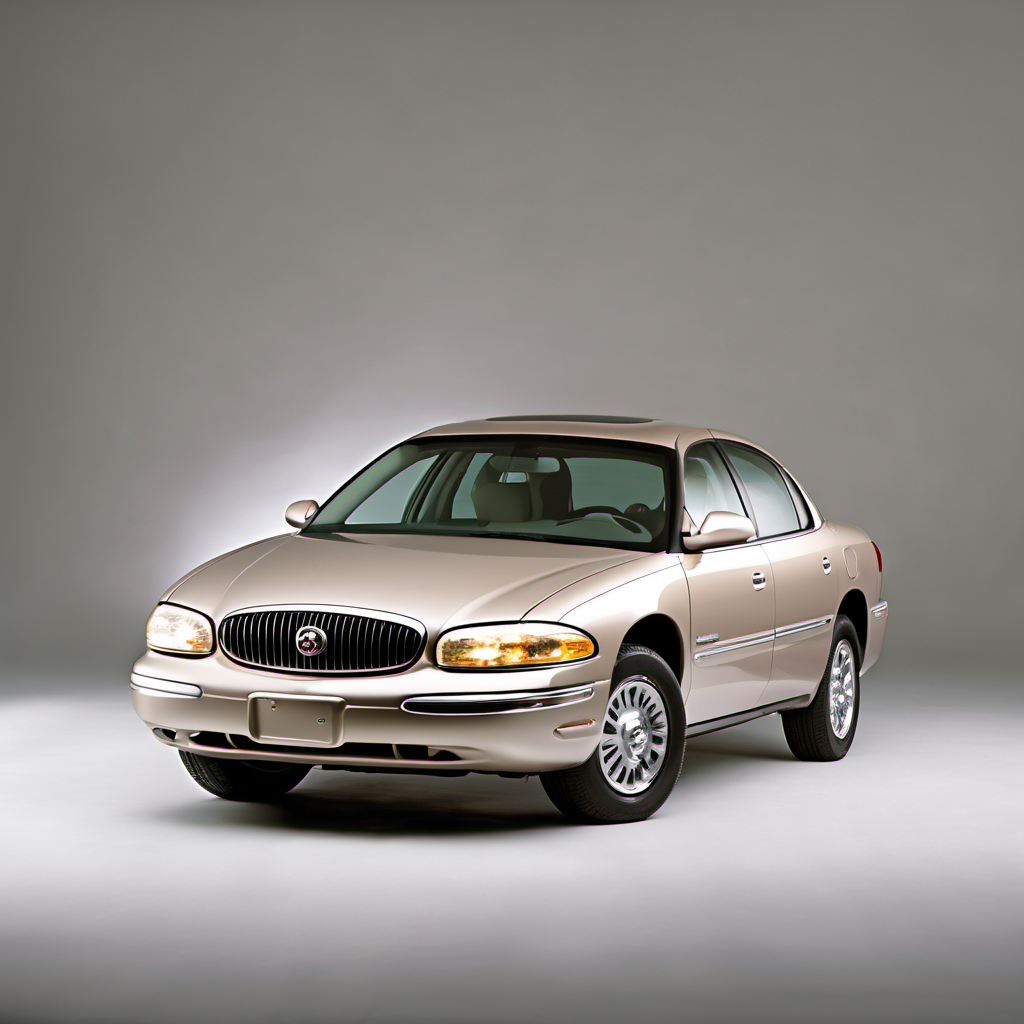
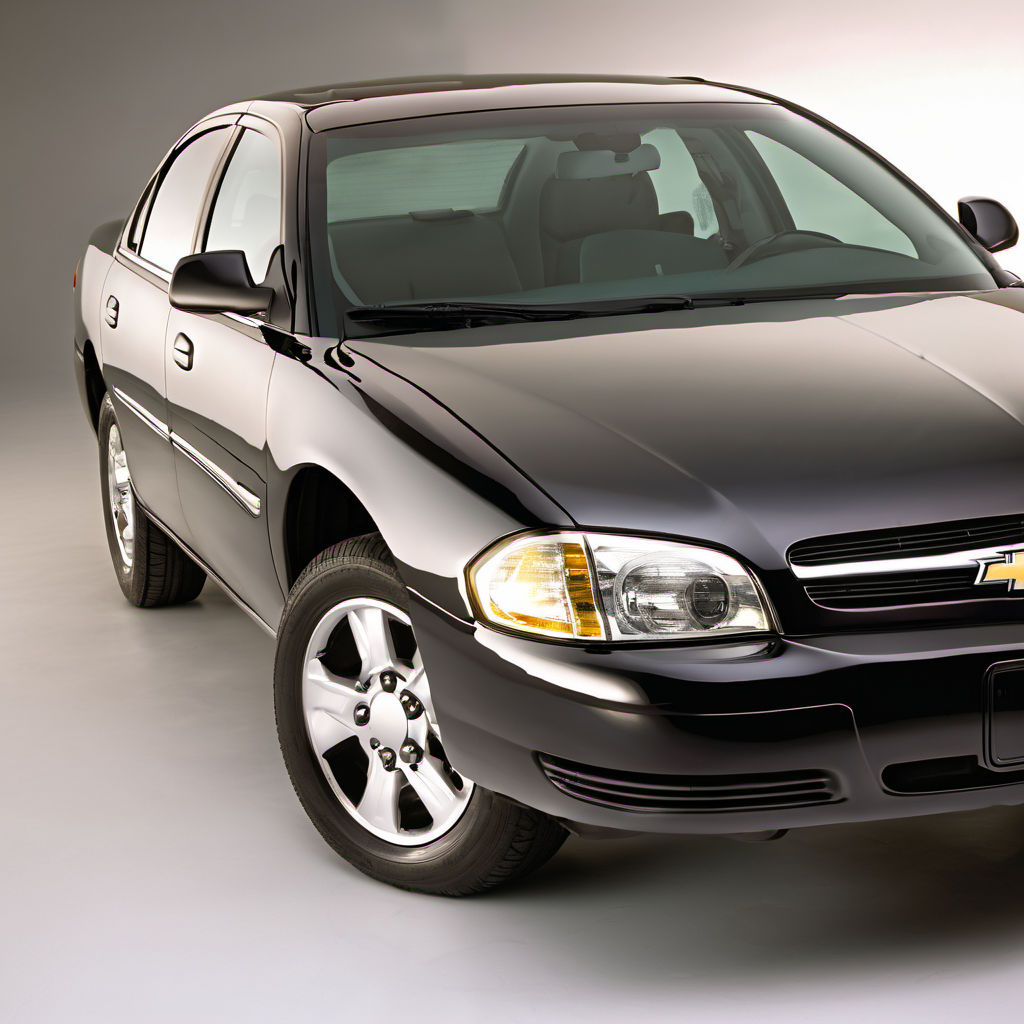
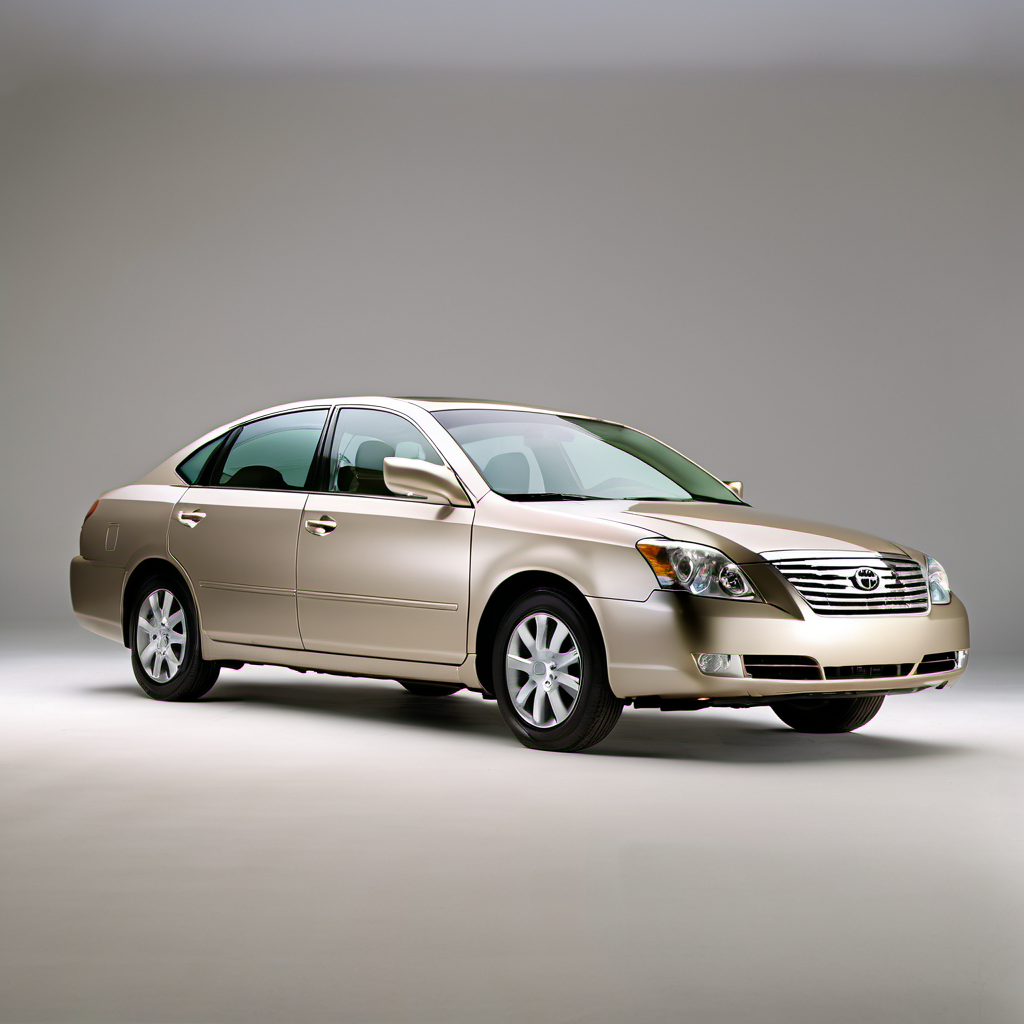
2005 Buick LeSabre Sedan

2005 Buick

LeSabreSedan

Sedan

The 2005 Buick LeSabre is the final model year of a nameplate that ran for decades as GM's bread-and-butter full-size front-wheel-drive sedan. It rides on the proven H-body platform shared with the Pontiac Bonneville and Oldsmobile 88, and pairs a smooth, refined 3800 Series II V6 with a 4-speed automatic for a combination that prioritizes comfort over sport. At this point in the LeSabre's life, most of the engineering wrinkles had long been ironed out — this is one of the most thoroughly debugged domestic sedans of its era. The 3.8L V6 (Series II) is legendary in GM circles for its durability. With routine maintenance, 200,000-mile examples are common. The ride is soft and quiet, the cabin wide and easy to enter, and the trunk enormous. These traits made it a perennial favorite with retirees and highway commuters alike. Being the last year before replacement by the Lucerne, 2005 LeSabres are plentiful on the used market and parts availability is excellent. Repair costs at an independent shop are very reasonable — this is not a complicated car to work on.

Reliability
4/5
Verified data
Specs shown for LeSabre — the most common configuration. Other trims may vary in engine, drivetrain, or fuel economy. Sign in to see your vehicle's exact specs.
Engine
[object Object]
Drivetrain
FWD
Fuel
Gasoline
MPG
18 city / 27 hwy / 21 combined
Seats
Doors
Body
Large Cars

Overview

AI-curated

The 2005 Buick LeSabre is the final model year of a nameplate that ran for decades as GM's bread-and-butter full-size front-wheel-drive sedan. It rides on the proven H-body platform shared with the Pontiac Bonneville and Oldsmobile 88, and pairs a smooth, refined 3800 Series II V6 with a 4-speed automatic for a combination that prioritizes comfort over sport. At this point in the LeSabre's life, most of the engineering wrinkles had long been ironed out — this is one of the most thoroughly debugged domestic sedans of its era. The 3.8L V6 (Series II) is legendary in GM circles for its durability. With routine maintenance, 200,000-mile examples are common. The ride is soft and quiet, the cabin wide and easy to enter, and the trunk enormous. These traits made it a perennial favorite with retirees and highway commuters alike. Being the last year before replacement by the Lucerne, 2005 LeSabres are plentiful on the used market and parts availability is excellent. Repair costs at an independent shop are very reasonable — this is not a complicated car to work on.

Known for
  • Bulletproof 3800 Series II V6 engine
  • Exceptionally smooth, compliant highway ride
  • Roomy interior and large trunk
  • Low independent-shop repair costs
  • Strong parts availability
Best for
  • Highway commuters and long-distance drivers
  • Retirees seeking comfort and ease of entry/exit
  • Budget-conscious buyers wanting a reliable large sedan
  • Owners who do their own maintenance
Watch for
  • Intake manifold gasket leaks — very common on the 3800
  • Power window regulator failures on all four doors
  • Worn struts and front-end bushings on high-mileage examples
  • Age-related cooling system deterioration (hoses, water pump)
  • Electronic climate control and BCM gremlins on older units

Common issues by mileage

6 known

Intake Manifold Gasket Leak (Lower)

high
Typically appears
60–120k mi
Estimated repair
$350 – $650

Power Window Regulator Failure

high
Typically appears
80–150k mi
Estimated repair
$150 – $300

Coolant Reservoir / Surge Tank Crack

high
Typically appears
80–140k mi
Estimated repair
$80 – $180

Front Strut and Strut Mount Wear

medium
Typically appears
90–150k mi
Estimated repair
$400 – $750

Crankshaft Position Sensor Failure (Intermittent Stall / No-Start)

medium
Typically appears
80–130k mi
Estimated repair
$120 – $220

Electronic Climate Control / BCM Communication Fault

medium
Typically appears
100k+ mi
Estimated repair
$150 – $500

Maintenance schedule

  1. 1
    Every 5,000 miles or 6 months Engine Oil Change — 5W-30 (conventional or synthetic)

    The 3800 Series II is not finicky about oil brand, but the 5W-30 spec is firm. Cold Wisconsin winters make on-schedule changes especially important — dirty oil thickens faster at sub-zero temps and increases valve train wear on cold starts.

  2. 2
    Every 5 years or 60,000 miles Coolant System Flush and Hose Inspection

    The plastic surge tank and rubber hoses degrade with age. On a 2005, this is overdue on any example that hasn't had it done. Failure leaves you stranded; a proactive flush plus surge tank replacement is cheap insurance.

  3. 3
    Every 30,000–40,000 miles Transmission Fluid Change (Dexron III/VI)

    The 4T60-E automatic is durable but fluid-sensitive. Dark or burnt-smelling fluid dramatically shortens clutch pack life. Independent shops can do a drain-and-fill for well under $100.

  4. 4
    Every 60,000 miles Spark Plug Replacement

    The 3800 uses AC Delco Rapidfire-style plugs. Worn plugs increase misfire risk and hurt the already-modest fuel economy. The rear bank plugs require more labor — budget accordingly.

  5. 5
    At every major service or if coolant smell or oil seepage is noted Intake Manifold Gasket Inspection

    The lower intake gasket is the known weak point on this engine. Early detection — a small external oil seep at the rear of the intake — can prevent a much costlier coolant-into-oil scenario.

  6. 6
    Every 3 years Brake Fluid Flush

    Brake fluid absorbs moisture over time, lowering its boiling point. In Wisconsin's freeze-thaw cycles, moisture-laden fluid can also corrode ABS modulator internals. A flush is inexpensive preventive care.

  7. 7
    Every 60,000 miles or at the first sign of cracking or glazing Serpentine Belt and Tensioner Inspection

    A snapped belt kills the alternator, power steering, and water pump simultaneously. On a 2005 with unknown history, replacing the belt and inspecting the tensioner pulley bearing is a wise first-owner move.

  8. 8
    Monthly through Wisconsin winter (November–April) Undercarriage Wash and Inspection (Salt Removal)

    Road salt is the primary structural enemy of any Midwest car. Brake lines, fuel lines, and subframe mounting points on H-body cars are vulnerable. A thorough undercarriage rinse after every significant salt event buys years of extra life.

Always defer to the manufacturer's service manual for warranty-mandated intervals.

Cost of ownership

Annual maintenance
$400 – $900
Fuel
At 21 MPG combined and typical Wisconsin driving patterns, expect roughly $1,800–$2,400/year at current regular-grade prices. Highway-heavy drivers will do better; city-heavy drivers worse.
Insurance
Full coverage on a 2005 LeSabre typically runs $700–$1,100/year in Wisconsin, depending on driving record and zip code. The low vehicle value keeps comprehensive/collision premiums modest.

The LeSabre is one of the more affordable large sedans to own. Parts are plentiful and cheap, labor time is minimal on most jobs, and the 3800 engine genuinely goes a long time between major repairs. Expect occasional moderate expenses (intake gasket, window regulators, struts) but few catastrophic bills. Total annual cost of ownership is low relative to anything newer.
Seasonal care

Lake Geneva, WI
Winter
  • Switch to a fresh set of dedicated winter tires — the FWD layout helps in snow, but the LeSabre's weight and soft suspension mean all-seasons become dangerously marginal below 20°F.
  • Test the battery before November. A 3800 at full throttle during a cold start pulls hard; anything over 4 years old or below 550 CCA should be replaced proactively.
  • Use a winter-blend washer fluid rated to at least -20°F. The long hood means the windshield collects road brine quickly on Wisconsin highways.
  • Inspect block heater functionality if equipped — plugging in on sub-zero nights reduces cold-start wear and thins oil faster to protect the engine.
  • Check coolant freeze protection annually. The 2005 LeSabre should be protected to at least -34°F with a proper 50/50 antifreeze mix.
  • Rinse the undercarriage frequently throughout winter, paying attention to brake lines and the rear subframe mounts — areas known to trap salt on the H-body platform.
Summer
  • Inspect and recharge the A/C system if cooling performance has dropped — the R-134a system is straightforward but o-ring seals age on 20-year-old cars.
  • Check tire pressure after the first real heat wave; pressure rises 1 PSI per 10°F of temperature increase and these cars run wide tires that affect handling when overinflated.
  • Inspect the surge tank and coolant hoses for soft spots or swelling before summer road trips — heat accelerates plastic fatigue on an already age-prone part.
  • Clean and inspect the cabin air filter (if equipped) and verify the blower motor is running on all speeds — the LeSabre's resistor pack can fail, leaving only high-speed blower.

Comparable vehicles

If you're shopping for one

Red flags
  • Milky or frothy oil on the dipstick — coolant mixing with oil from a failed intake or head gasket.
  • Any sign of front subframe rust-through — structural repair on these can cost more than the car is worth.
  • Transmission that shudders, slips, or bangs into gear — 4T60-E rebuilds run $1,500–$2,500 at an independent shop.
  • Evidence of overheating in the service history or a stained cooling system — the 3800 can warp a head if badly overheated.
  • Completely dead instrument cluster or BCM faults — network/body electronics repairs on 20-year-old GM cars can be a rabbit hole.
What to inspect
  • Check the lower intake manifold area for oil seepage or coolant smell — the most important single inspection on any 3800 engine.
  • Cycle all four power windows repeatedly; regulator failure is common and replacing all four on a high-mileage car adds up fast.
  • Squeeze all coolant hoses and inspect the plastic surge tank for cracks or discoloration.
  • Look underneath at the brake lines and rear subframe for rust — Wisconsin salt takes a real toll here.
  • Test the A/C, all blower speeds, and the electronic climate control display for dead pixels or erratic behavior.
  • Check transmission fluid color and smell — it should be pink/red and odorless. Brown or burnt means the fluid hasn't been serviced.
AI profile generated 55 min ago · claude-sonnet-4-6 · v2.