Intake Manifold Gasket Leak (3.4L V6)
high- Typically appears
- 60–120k mi
- Estimated repair
- $350 – $600
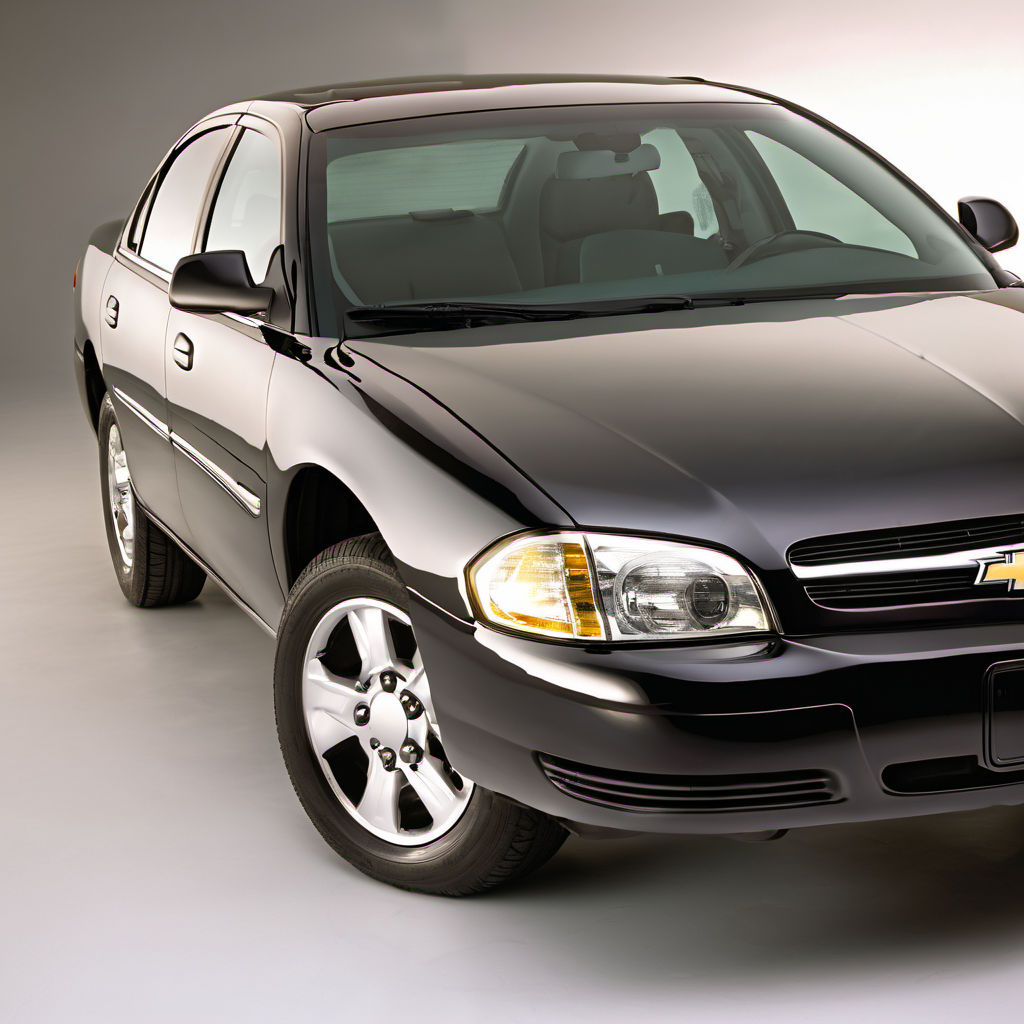
2005 Chevrolet
Sedan
The 2005 Chevrolet Impala is a front-wheel-drive full-size sedan built on GM's W-body platform, the same bones shared with the Buick LeSabre and Pontiac Grand Prix. In 2005 it was one of the best-selling cars in America, favored by fleets, families, and budget-conscious buyers alike. It's a straightforward car with a spacious interior, a comfortable ride, and parts availability that remains excellent nearly two decades later. The base 3.4L V6 is a known quantity — not a powerhouse, but dependable with consistent maintenance. The bigger 3.8L V6 (optional on this year) has an even stronger reputation, but the 3.4 is what most base and mid trims shipped with. Expect honest, predictable transportation rather than anything exciting. At this age, the 2005 Impala is deep into used-car territory. Rust from Wisconsin salt exposure is the single biggest threat to longevity. Mechanically these cars can run well past 150k miles, but the body and suspension components take a beating on salted Midwest roads, so condition matters more than mileage at this point.
The 2005 Chevrolet Impala is a front-wheel-drive full-size sedan built on GM's W-body platform, the same bones shared with the Buick LeSabre and Pontiac Grand Prix. In 2005 it was one of the best-selling cars in America, favored by fleets, families, and budget-conscious buyers alike. It's a straightforward car with a spacious interior, a comfortable ride, and parts availability that remains excellent nearly two decades later. The base 3.4L V6 is a known quantity — not a powerhouse, but dependable with consistent maintenance. The bigger 3.8L V6 (optional on this year) has an even stronger reputation, but the 3.4 is what most base and mid trims shipped with. Expect honest, predictable transportation rather than anything exciting. At this age, the 2005 Impala is deep into used-car territory. Rust from Wisconsin salt exposure is the single biggest threat to longevity. Mechanically these cars can run well past 150k miles, but the body and suspension components take a beating on salted Midwest roads, so condition matters more than mileage at this point.
The 3.4L intake manifold gasket is made worse by degraded coolant. Fresh Dex-Cool at the correct mixture and regular pressure tests catch leaks before they become a $500+ job.
The 4T65-E automatic lives a long life with clean fluid. GM extended intervals are optimistic — shop intervals protect against expensive rebuilds, especially in stop-and-go driving.
The 3.4L uses conventional spark plugs. Worn plugs cause rough idle and reduced fuel economy. Wires deteriorate on this engine generation and should be replaced as a set.
Wisconsin roads accelerate strut wear significantly. Worn struts affect braking distance and handling, not just ride comfort.
A failed belt on this car takes out power steering and the alternator simultaneously. Tensioner wear is often overlooked.
Cold-weather cranking demand spikes in Wisconsin winters. A battery that passes a summer test can fail at -10°F. Test it in September, not January.
Salt accumulates in subframe pockets, brake line routing channels, and around the fuel tank straps. Catching surface rust early is far cheaper than structural repairs.
Steel brake lines on these cars rot from the inside of bends outward on salt-belt vehicles. A blown line is a safety emergency. Budget for replacement if lines show heavy corrosion.
Always defer to the manufacturer's service manual for warranty-mandated intervals.
The 2005 Impala is inexpensive to own when healthy, with widely available parts at competitive prices. The catch is that at 20 years old, deferred maintenance items pile up fast. Budget for the intake manifold gasket if it hasn't been done, factor in suspension work on any high-mileage car, and set aside money for rust remediation if the undercarriage hasn't been kept up. An honest independent shop can keep this car running for far less than a newer replacement payment.
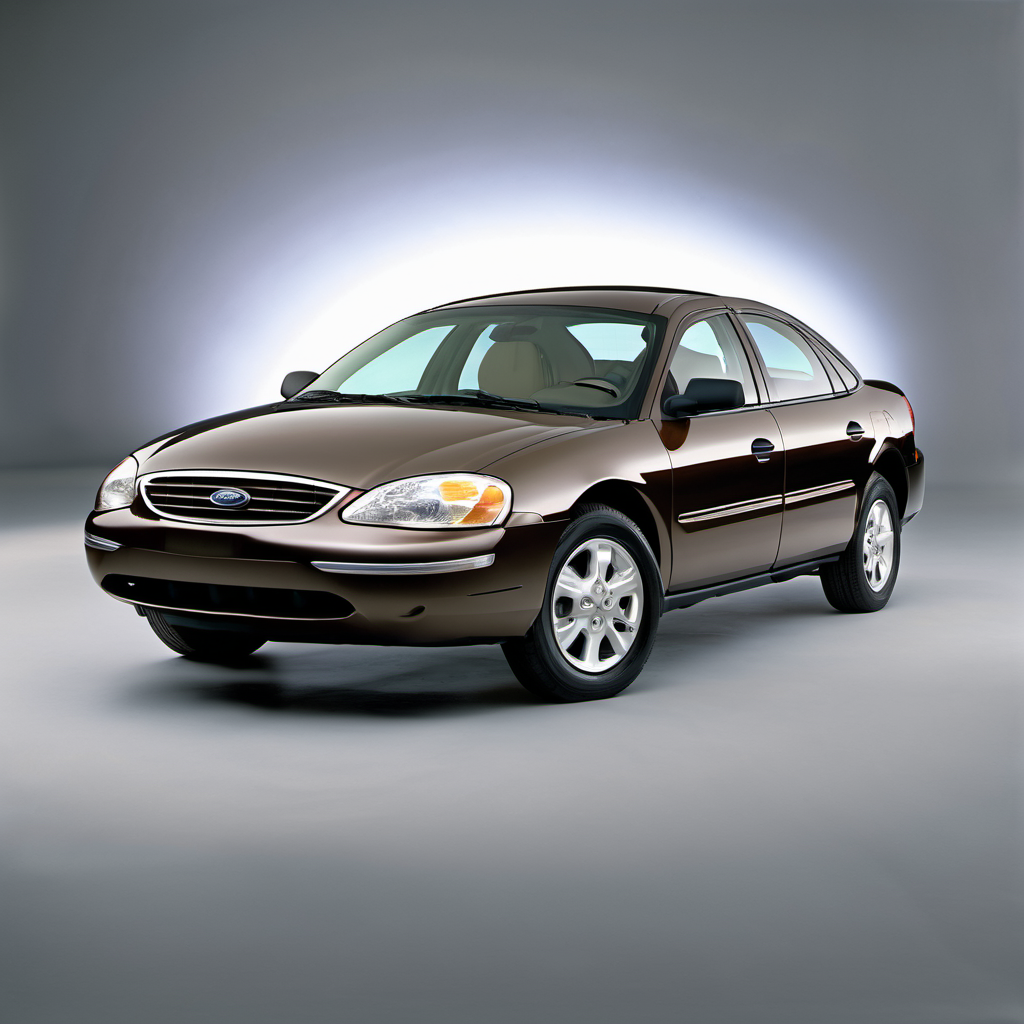
Same era, same mission, same price bracket. FWD V6 full-size sedan with a similar comfort-over-performance ride. Parts are equally plentiful. Check for head gasket and transmission issues on the Vulcan V6 variants.
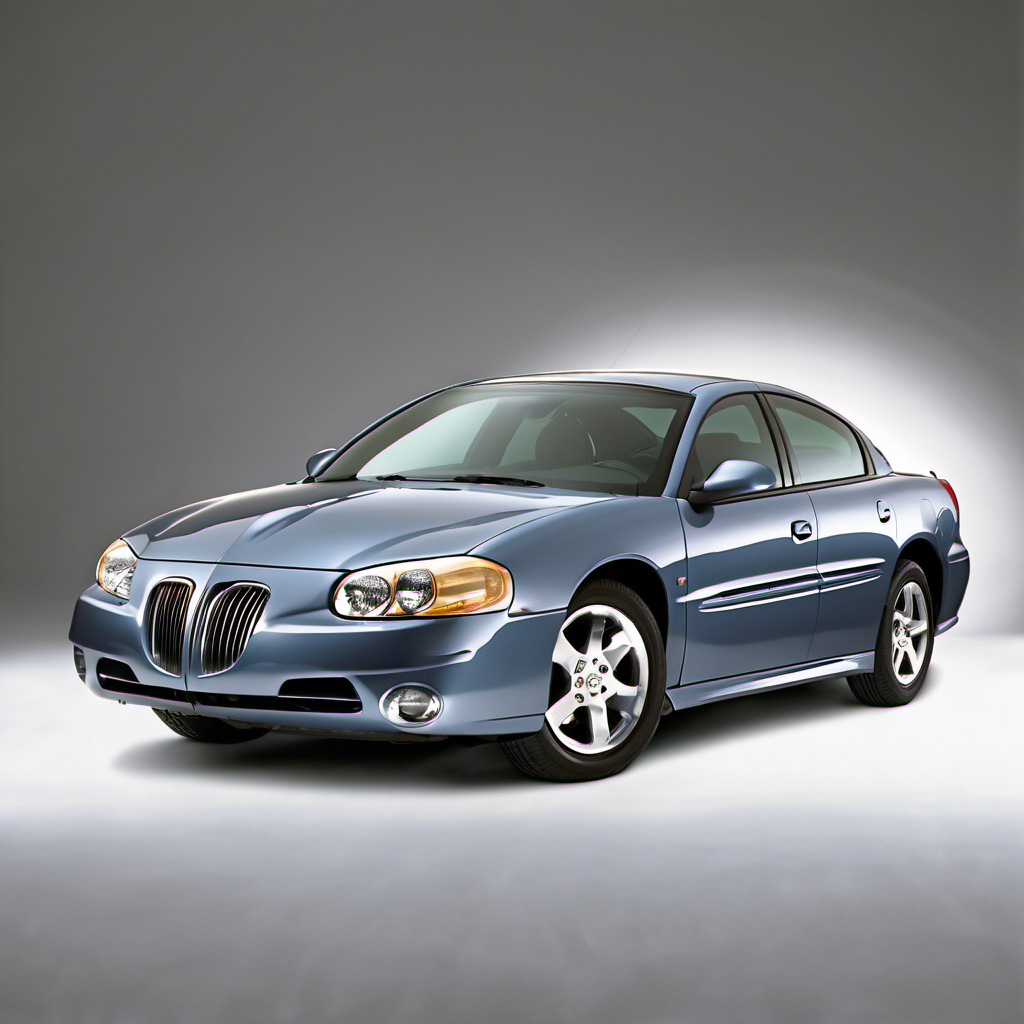
Shares the GM W-body platform with the Impala — same basic structure, similar powertrain options. The Grand Prix skews slightly sportier but carries the same intake gasket risk on the 3.8L. A direct mechanical cousin.
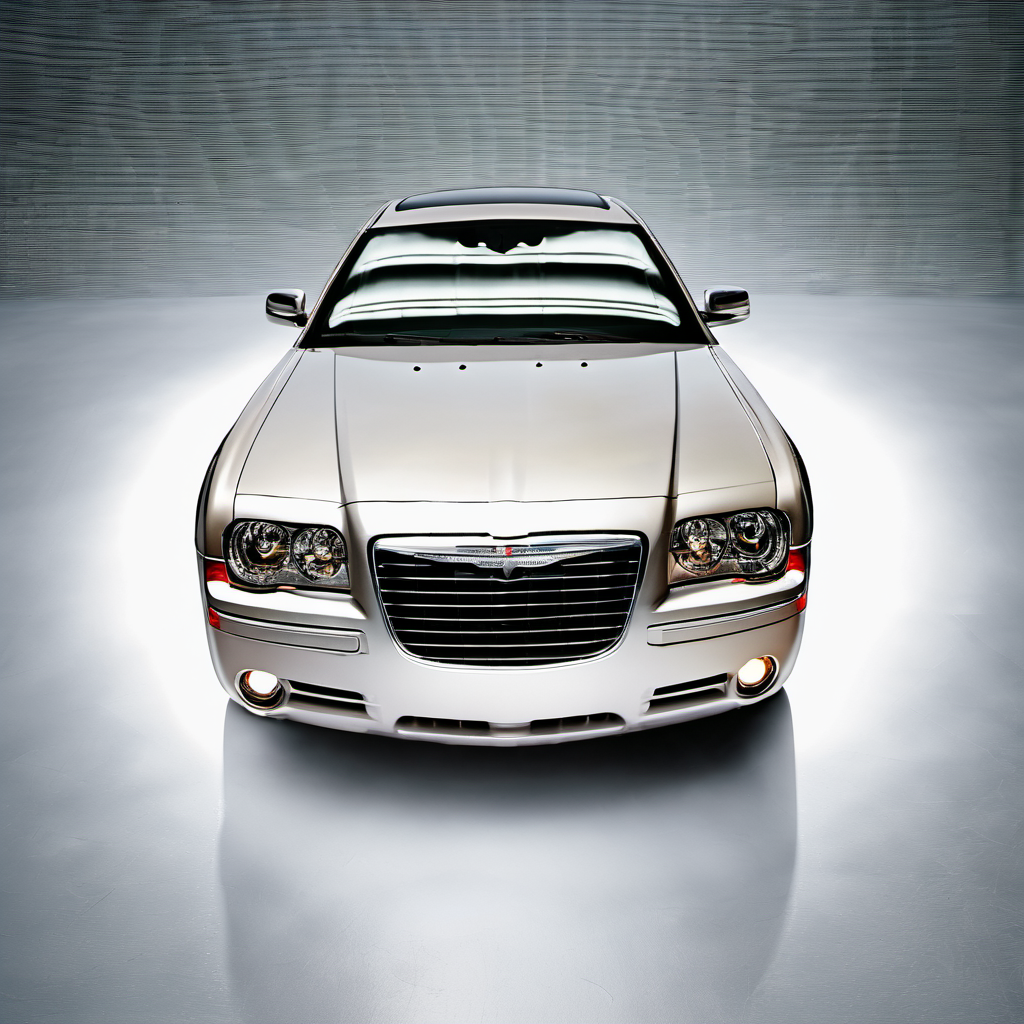
Full-size sedan in the same price band used. RWD or AWD instead of FWD gives it a different character, and the 2.7L V6 base engine has known oil sludge issues — spec the 3.5L. More style, slightly higher ownership cost.
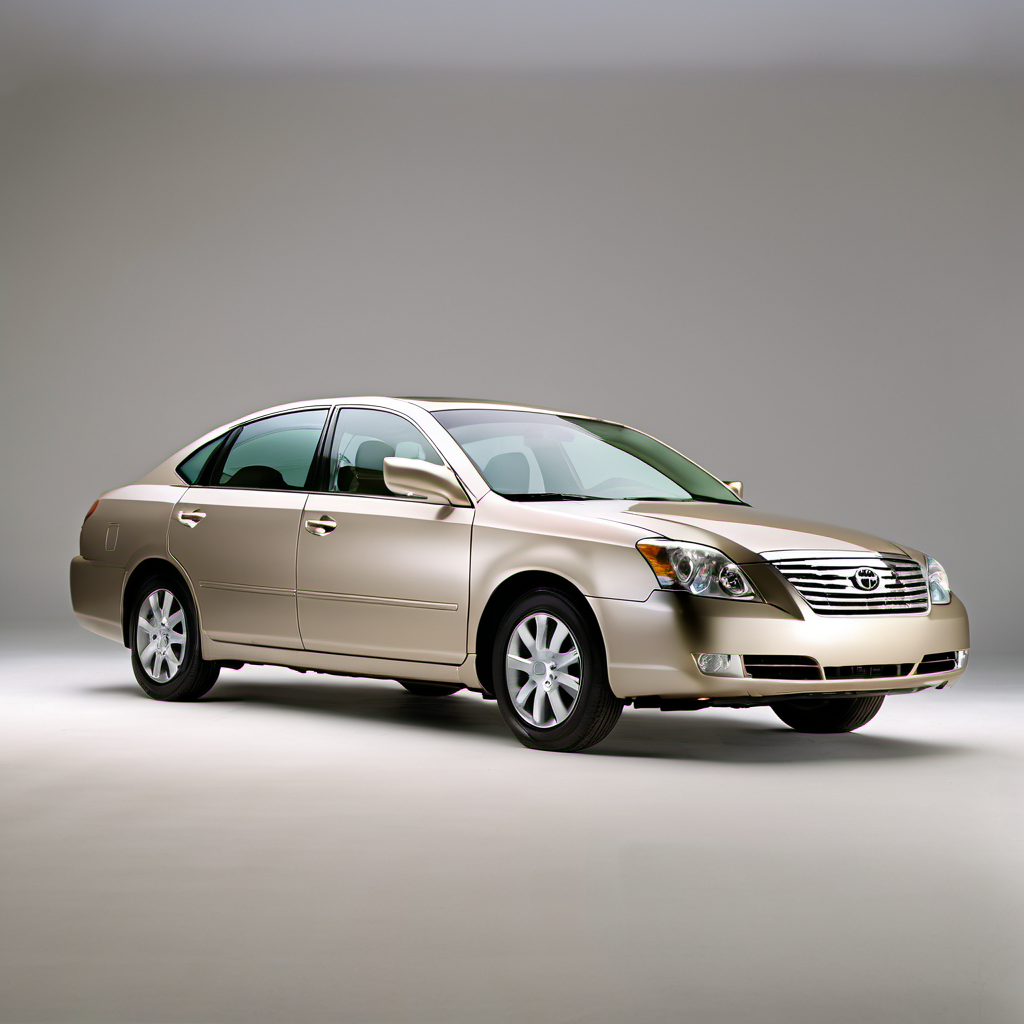
Toyota's full-size FWD sedan of the same era. Measurably more reliable long-term, with fewer known design flaws, but commands a higher used price. If budget allows, the Avalon is the stronger long-term bet.